Three rivers meet Lake Michigan in the middle of Milwaukee, and almost everything a visitor comes for sits within about three miles of where they join. That makes planning things to do in Milwaukee simpler than the size of the city suggests. Pick a neighborhood, walk it, eat something, then move on to the next one.
The lake is always east. Downtown sits on both banks of the Milwaukee River. The warehouse district, the brewery district and the old industrial valley ring it on three sides, and the neighborhoods people actually live in (Walker's Point, Bay View, the East Side) are each a short ride from the center. What follows is the city laid out that way, district by district, with the places worth your time in each.
Downtown and the Riverwalk
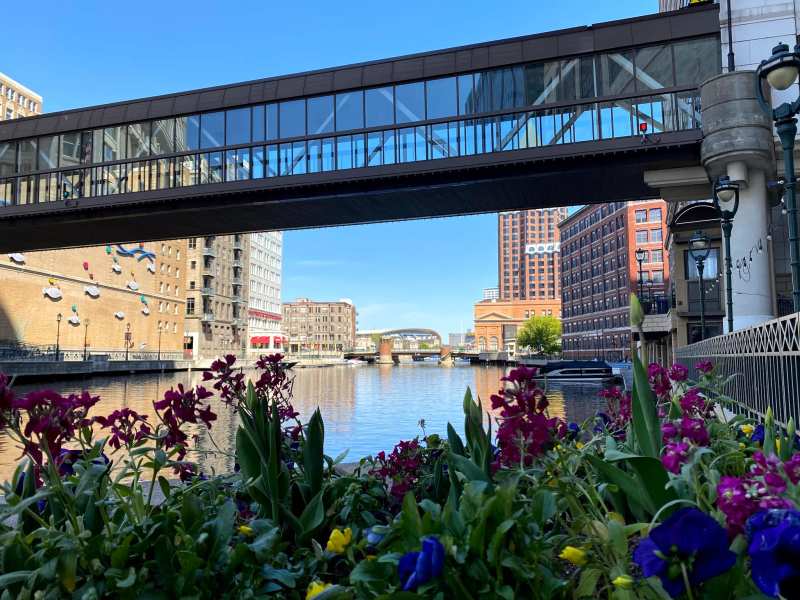
Start on the Riverwalk. It is a public walkway that follows the Milwaukee River for roughly three miles, from the old Beerline district in the north, through downtown, and down into the Third Ward, and walking a stretch of it is the fastest way to understand how the city fits together.
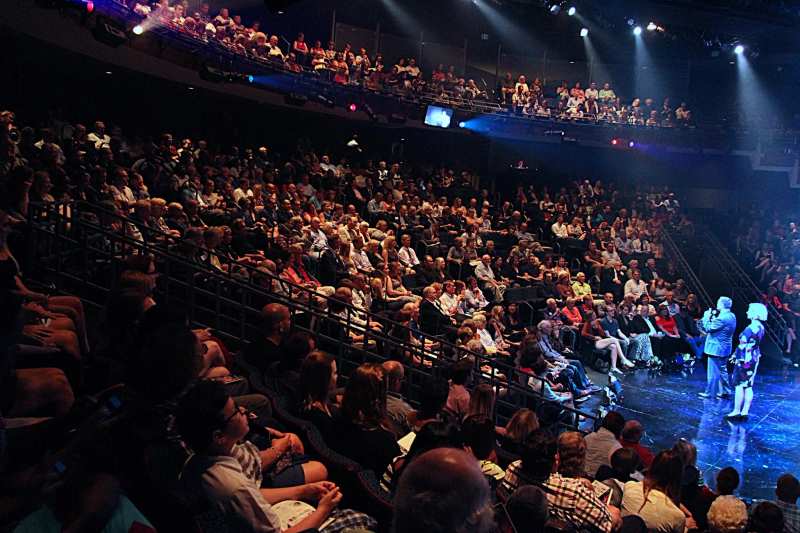
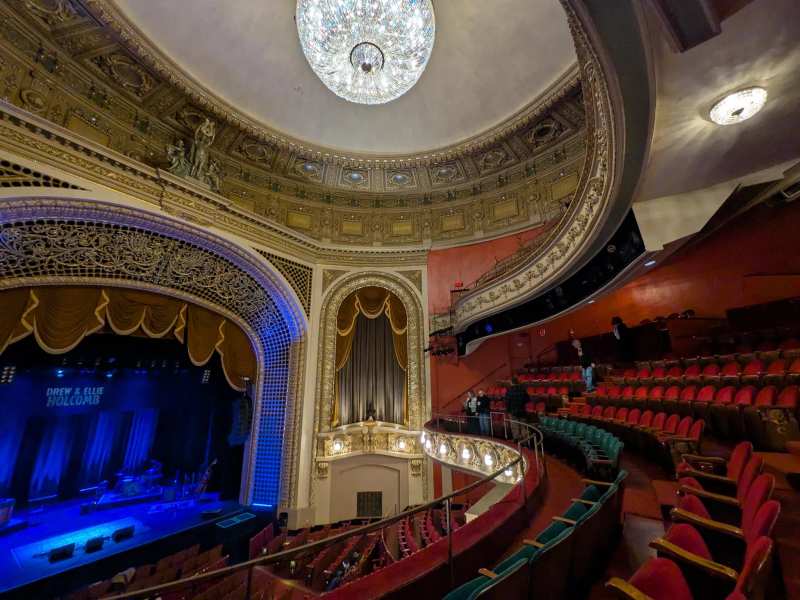
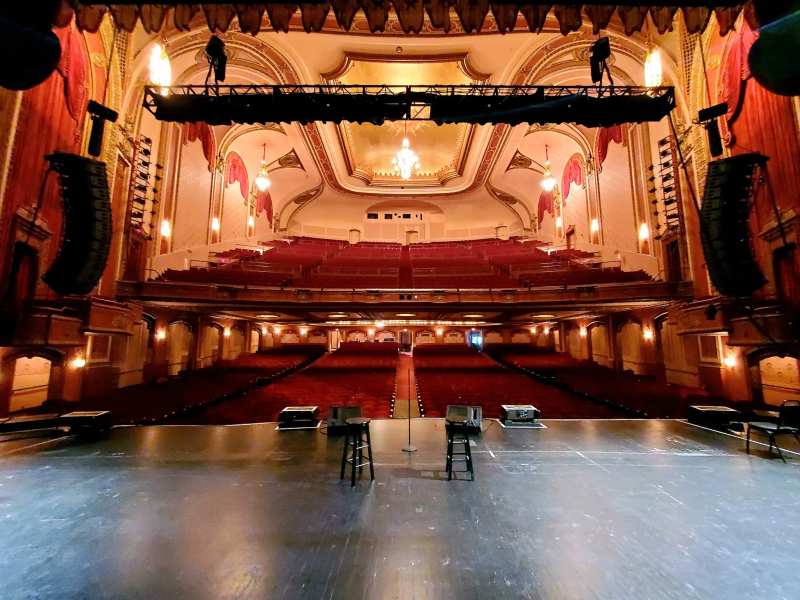
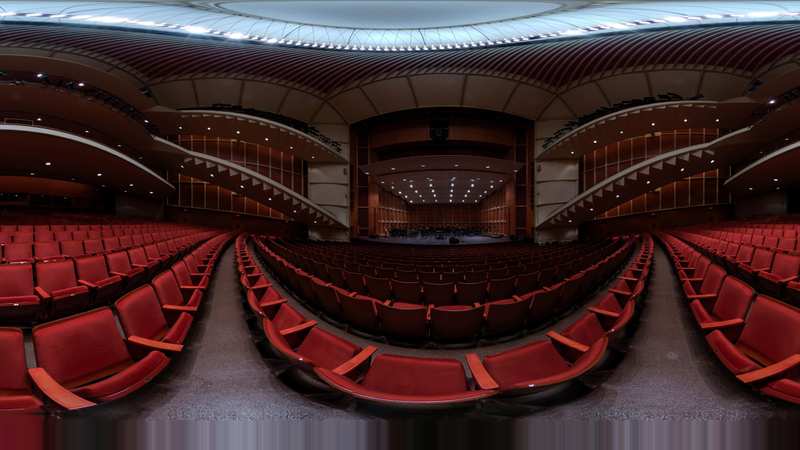
The east bank of the river through downtown is the theater district. The Pabst Theater, opened in 1895 and still lit by its crystal chandelier, sits at 144 E Wells St, and touring comedians and songwriters book it for the room, so check what is on before you arrive.
Half a block along the same stretch of Wells Street, the Milwaukee Repertory Theater stages classic and new plays through its season, and a matinee there fits neatly between a museum and dinner.
Across the river and a few blocks west, Old World Third Street is the German end of downtown. Mader's has served schnitzel and sauerbraten there since 1902, under suits of armor and dark wood.
A few doors away, the Old German Beer Hall is modeled on Munich's Hofbräuhaus, right down to the long shared tables and the liter mugs.
If you want the full sit-down version of that heritage, the German restaurants on Old World Third Street and around it are among the last of their kind in the Midwest.
Two blocks east on Wisconsin Avenue, the Riverside Theater is a 1928 movie palace that now books big comedy and music acts, and its ornate lobby is half the reason to buy a ticket.
The lakefront, from Veterans Park to Lake Park
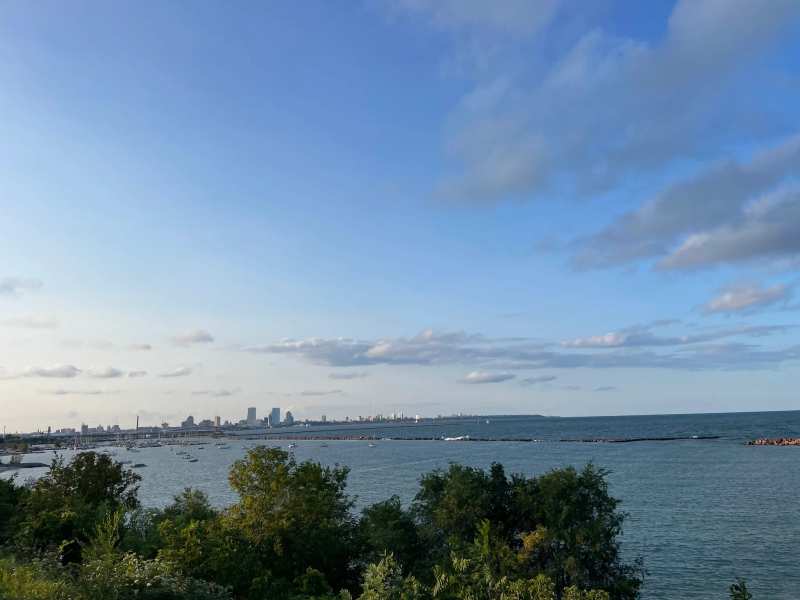
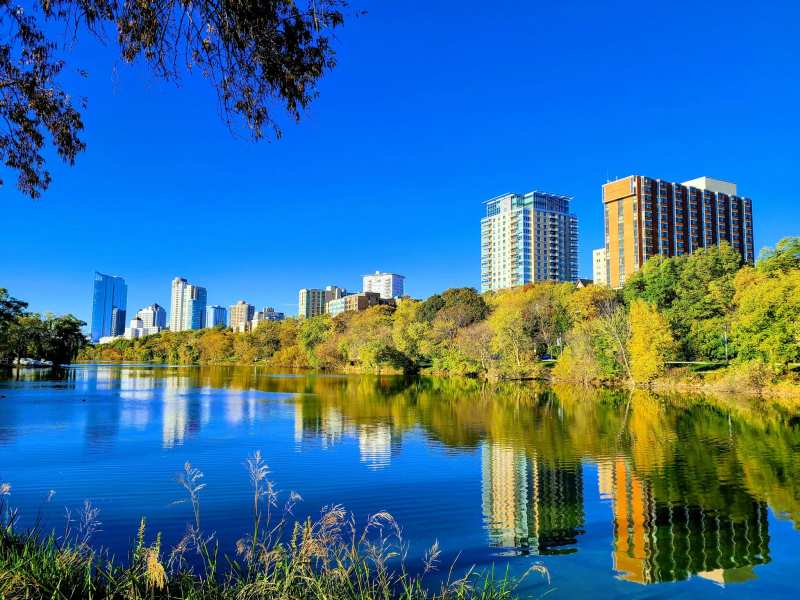
The whole Lake Michigan shoreline through the city is public parkland, and you can walk or cycle it end to end. The Oak Leaf Trail runs along the water from Lakeshore State Park in the south to Lake Park in the north, with beaches, museums and places to eat along the way.
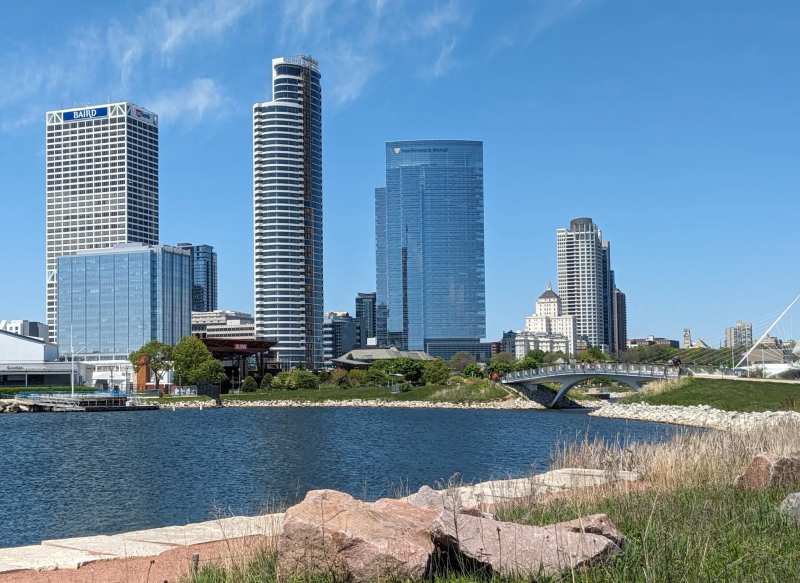
At the south end, Lakeshore State Park is a 22-acre island of grass, fishing pier and marina built out into the lake beside the Summerfest grounds. It is an urban state park you can walk into for free, and the view back at the downtown skyline from its southern tip is the one that ends up on postcards.
Between the two sits the Milwaukee Art Museum, which is hard to miss. Its Quadracci Pavilion, designed by Santiago Calatrava and opened in 2001, has a pair of steel wings, the Burke Brise Soleil, that open when the museum opens at 10 a.m., flap at noon and fold down at 10 p.m. Wind permitting, you can watch them move from the lawn outside without buying a ticket, and they are lit from sundown.
North of the museum the shoreline turns into beach. Bradford Beach is the busy one, with volleyball courts, a beach bar and restrooms, and on a warm Saturday it is full by noon.
Just south, McKinley Beach is smaller and calmer, and has the better parking.
Lake Michigan stays cold well into July, so Milwaukee's beaches are for sand, volleyball and sunsets first, and for swimming only once late summer has warmed the water.
Keep going north and the path climbs into Lake Park, laid out by Frederick Law Olmsted's firm in the 1890s. It sits on a bluff above the water, with ravine bridges, a golf course and ball fields.
At the park's edge stands the 1888 North Point Lighthouse, open as a small museum, and you can climb the tower for a view straight out over the lake.
Museums and mansions
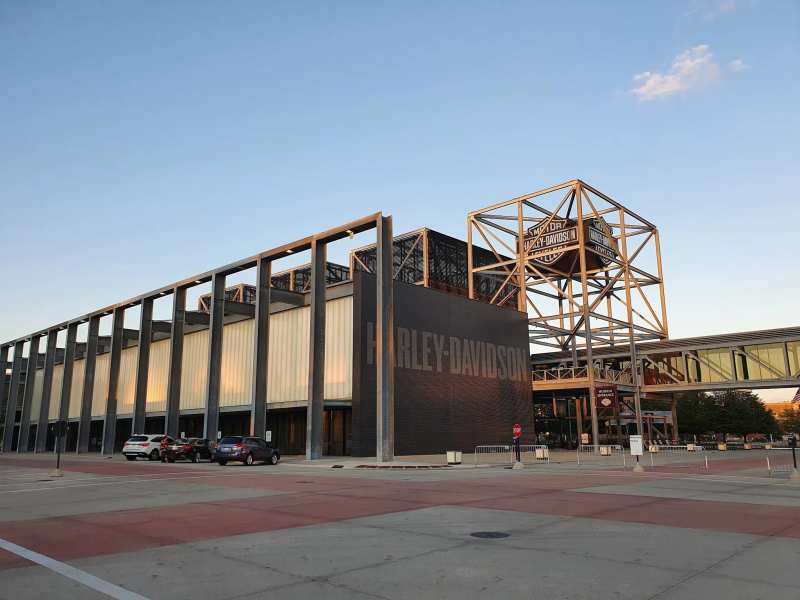
Milwaukee's three big museums are the Art Museum on the lake, the Harley-Davidson Museum in the Menomonee Valley, and the Milwaukee Public Museum downtown. Add the Pabst Mansion and America's Black Holocaust Museum and you have the core of any museum day.
The Milwaukee Public Museum at 800 W Wells St is the one families remember, three floors of natural history and a recreated old Milwaukee street that generations of local kids have walked through on school trips.
On North Avenue, America's Black Holocaust Museum is the most important museum visit in the city for many people. It was founded in 1988 by James Cameron, who survived a lynching attempt in Indiana as a teenager, and it reopened in its current building in 2022. Plan an unhurried couple of hours.
Up on the East Side bluff, the Villa Terrace Museum is a 1923 Italian-style villa whose terraced garden steps down toward the lake. It is small, quiet and rarely crowded, a good counterweight to the big institutions.
There is far more than one day of this. Milwaukee's museums run from a children's museum to a lighthouse, and several of them waive admission on set days.
Beer, from the big brewers to Brewer's Hill
Milwaukee earned the name Brew City honestly: Pabst, Schlitz, Blatz and Miller all brewed here. Two of those histories are still open to visitors, and a newer generation of small breweries fills the gaps.
The obvious first stop is Lakefront Brewery, in an old riverside building at 1872 N Commerce St below Brewer's Hill. Its tours are famously funny, the guides pour as they talk, and the beer hall afterward is where the city goes on a Friday night.
For the big-brewer story, the Miller Brewery Tour at 4251 W State St takes you through the working brewery in the Miller Valley, including the old storage caves, and ends with a beer. Miller has brewed on that site since 1855.
Pabst closed its Milwaukee brewery in 1996, but Best Place at the Historic Pabst Brewery keeps the company's old office and tavern open at 917 W Juneau Ave, with tours of the rooms where the business was run.
Among the newer names, Third Space Brewing fills a converted warehouse in the Menomonee Valley, a short walk from the Harley-Davidson Museum.
On the East Side, Eagle Park brews and distills in a 1920 cream city brick garage that once served the Gallun Tannery, and its fruit-heavy sours are the draw.
A little outside the city line, Sprecher Brewing in Glendale, about four miles north of downtown, is best known for its root beer, which is as good a reason to go as the beer.
Beyond the big names, Milwaukee breweries run from the tour you should book ahead to neighborhood taprooms that locals keep to themselves.
Friday fish fry
On Friday nights Milwaukee eats fish. A proper fish fry is battered cod, perch or walleye with coleslaw, rye bread and either fries or potato pancakes with applesauce, and nearly every tavern, supper club and church hall in the city serves one.
The tradition grew out of the city's Catholic and German heritage, and it never went away. Lakefront Brewery's Friday version comes with a live polka band in the beer hall, which is as Milwaukee as a Friday gets.
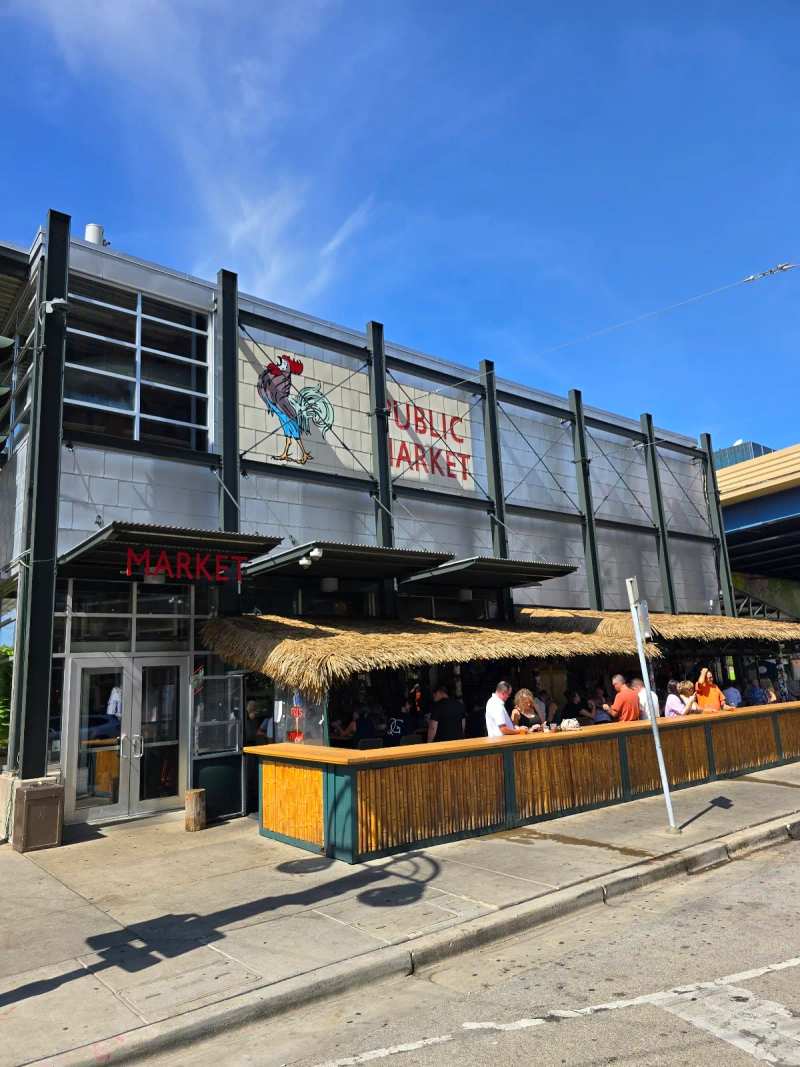
For something more central, St. Paul Fish Company serves its fish fry at the counter inside the Milwaukee Public Market in the Third Ward, where you can eat with the market going on around you.
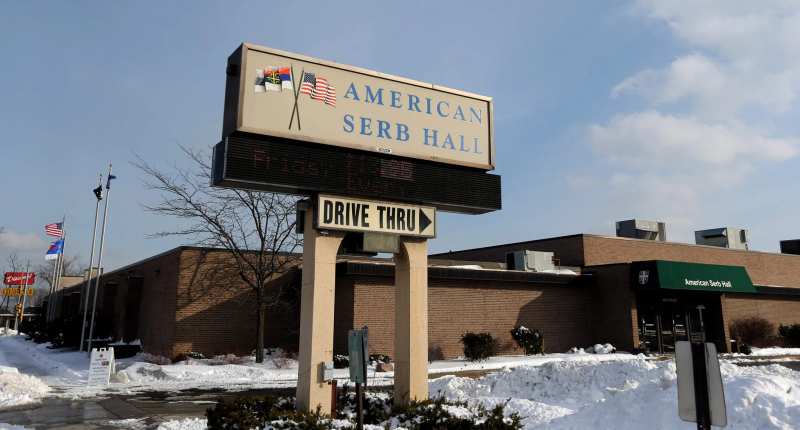
During Lent the city goes further, with drive-through fish fries and church dinners that draw lines around the block. Where to find a Friday fish fry worth the wait depends on whether you want perch, a supper club, or a parish hall.
Frozen custard
Frozen custard is ice cream made with egg yolk and churned with very little air, so it comes out dense, smooth and slightly warmer than ice cream. Milwaukee calls itself the frozen custard capital of the world, and locals treat a stop at one as a normal part of a summer evening.
The classic is Leon's Frozen Custard at 3131 S 27th St, a walk-up stand under a big neon sign that has been serving since 1942. There is no dining room. You order at the window and eat in the car or on the curb, which is the point.
On the northwest side, Kitt's Frozen Custard on W Capitol Drive pairs its custard with butter burgers, served on a buttered, toasted bun.
Out in Greenfield, about seven and a half miles southwest of downtown, Kopp's Frozen Custard posts a flavor-of-the-day forecast that regulars check a week ahead.
Good Milwaukee frozen custard tastes nothing like soft serve, and the difference comes down to butterfat, egg and how fresh the batch is.
The Historic Third Ward
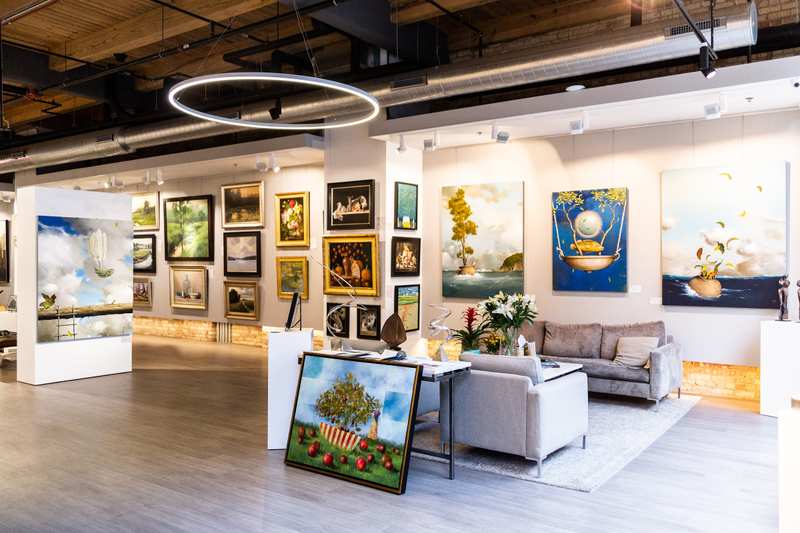
The Third Ward is the old warehouse district on the river just south of downtown, rebuilt in brick after a fire destroyed most of it in 1892. Today those warehouses hold galleries, design shops, restaurants and lofts, and the Milwaukee Public Market at 400 N Water St anchors the whole district, with bakers, cheesemongers and fishmongers under one roof.
It is the best part of the city to wander without a plan. Onesto on Broadway serves Italian food in one of the old brick buildings, and the market is the place for a cheap lunch between galleries.
The river forms its western edge, so the Riverwalk ties it straight back to downtown. Block by block, the Historic Third Ward rewards an afternoon on foot more than any other district downtown.
Walker's Point
Walker's Point is one of Milwaukee's three founding settlements, south of the Menomonee River across from downtown, and today it is the city's most interesting place to eat and drink. Its center is South 2nd Street, with the Harbor District on its eastern edge.
The restaurant the city's cooks talk about is Odd Duck at 939 S 2nd St, with a shared-plate menu that changes constantly.
A few blocks north, Sabbatic is the opposite end of the evening: a punk-rock bar with a pool table, DJs and live bands.
The neighborhood has also been the heart of Milwaukee's LGBTQ nightlife for decades. La Cage on South 2nd opened in 1984 and still fills its floor every Saturday night.
A walk up and down those blocks shows why Walker's Point is where the city's chefs choose to open. West of it, along National Avenue and Cesar Chavez Drive, the city's Mexican community has run its restaurants, bakeries and taquerias for generations.
For a proper meal there, the Mexican restaurants on the South Side range from sit-down family places to bakery counters where the pan dulce comes out warm in the morning.
Bay View
Bay View is the lakeside neighborhood south of Walker's Point, a former steel mill town that Milwaukee annexed in 1887. Its main street is Kinnickinnic Avenue, which everyone calls KK, and it has become the city's most walkable stretch of bars, bakeries and small restaurants.
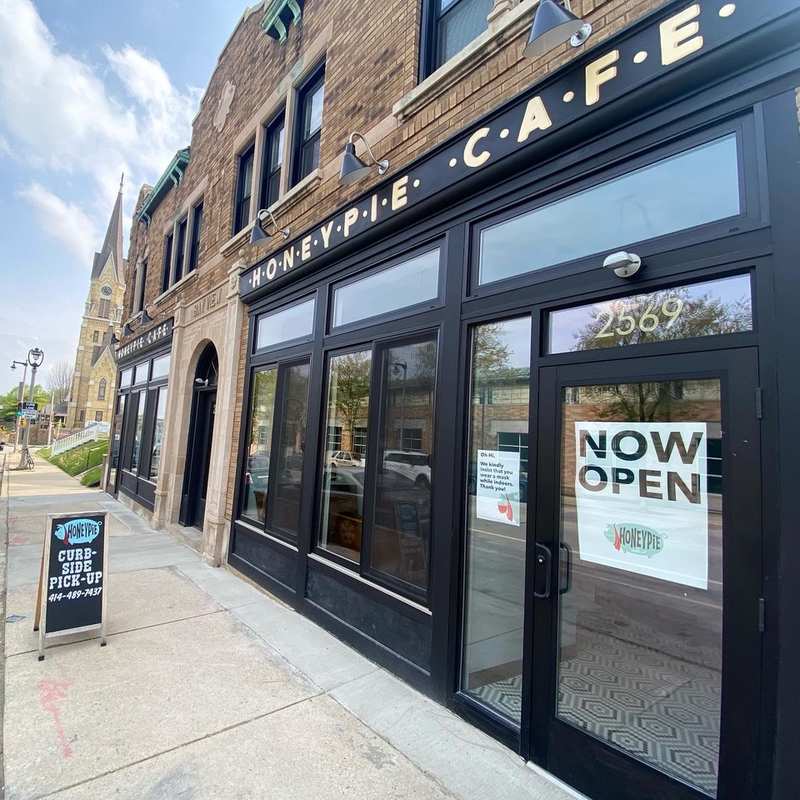
Two KK regulars set the tone. Honeypie Cafe at 2569 S KK is known for its pies and comfort food, with a patio out back.
A block south, The Vanguard serves scratch-made sausages with a serious beer list, and it is where Bay View goes before a show.
Bay View also has South Shore Beach and a lakefront park at the bottom of its streets, where the farmers market sets up on summer Saturdays.
That mix of lake, main street and low-key evenings is why Bay View is where many visitors end up wishing they had booked their stay.
Brady Street and the East Side
Brady Street is a short, dense strip on the Lower East Side, running from the lake end of the neighborhood down to the river. It began as the city's Italian quarter, became its hippie street in the 1960s, and still carries both histories.
The Italian end is still there. Peter Sciortino Bakery has sold cannoli and Italian bread on Brady since 1947.
A few doors west, Glorioso's Italian Market has fed the neighborhood since 1946 with imported cheeses, cured meats, fresh pasta and deli sandwiches.
A few blocks north on Farwell Avenue, Comet Cafe is the late-night comfort-food institution, with bacon on almost everything and a vegetarian version of almost everything else.
Nine blocks long and packed with bars, vintage stores and cafés, Brady Street is the best evening walk on the East Side.
Coffee, bars and shows
Milwaukee drinks a lot of coffee and takes it seriously. Discourse Coffee on Broadway downtown makes some of the most inventive drinks in the city, and it is a good place to plan the day.
The city's own roasters run cafés in almost every neighborhood, and the coffee shops worth a detour are spread across every neighborhood from Bay View to the East Side.
Bars are where Milwaukee's character shows most. Bryant's Cocktail Lounge at 1579 S 9th St has been pouring since 1938 and has no printed menu: you describe what you like and the bartender makes it.
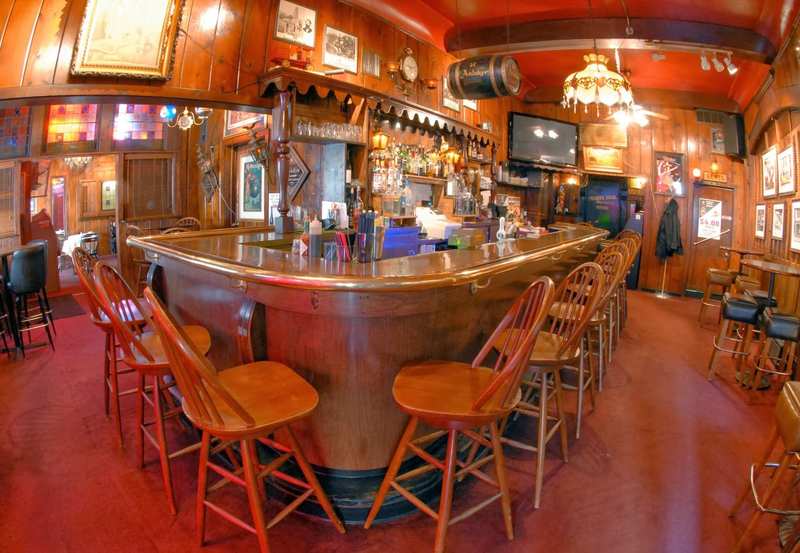
Downtown, SafeHouse on Front Street is a spy-themed bar behind an unmarked door, and you will need a password to get in (or be ready to do something silly for the doorman).
Beyond those two, Milwaukee bars run from corner taps with Friday meat raffles to craft cocktail rooms, and the corner tap is the one visitors most often miss.
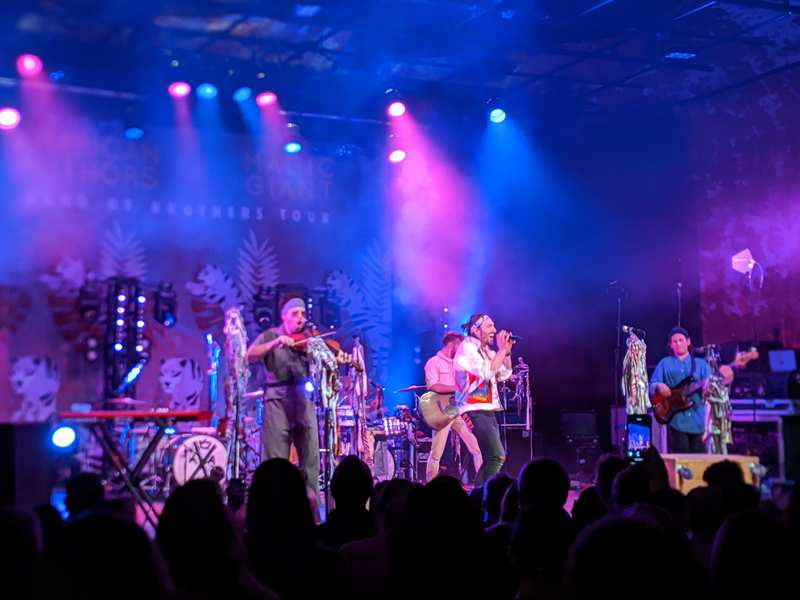
For live music, the city's venues cover every size, from the 1895 Pabst down to basement rooms in Bay View. The Rave in a 1920s Eagles Club on W Wisconsin Ave has six separate stages under one roof.
Catching a show at the Pabst or the Rave is one of the easiest good nights in the city, and tickets for smaller acts are often available on the day.
For shopping, Bay View's KK Avenue and the East Side hold most of the city's secondhand stores, and thrift and vintage stores are one of the better ways to spend a slow afternoon here.
With kids
For families, the Milwaukee County Zoo, Discovery World on the lakefront and the Betty Brinn Children's Museum are the three big wins, and all three work in any season.
Down on the lakefront at 500 N Harbor Dr, Discovery World mixes a science museum with an aquarium focused on the Great Lakes, and it is an easy pairing with a walk out to Lakeshore State Park next door.
For younger children, the Betty Brinn Children's Museum at 929 E Wisconsin Ave is built for play, with a pretend grocery store, a pizza shop and a construction zone.
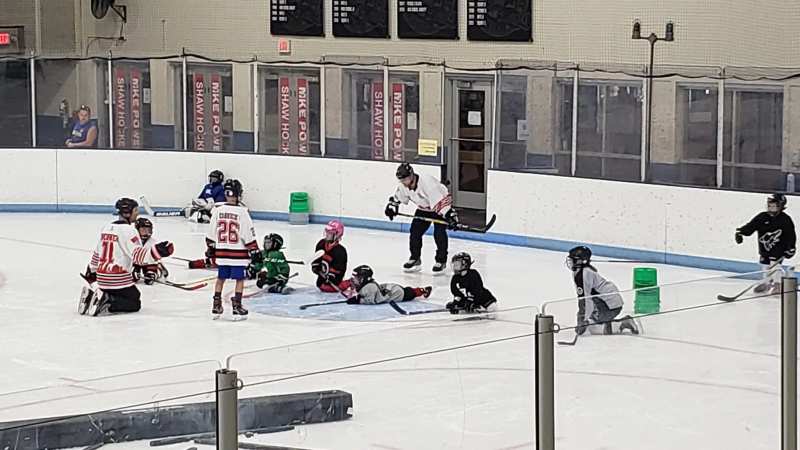
Older kids who want to move can skate year-round at the Pettit National Ice Center, the indoor Olympic speed skating oval on the west side, which runs public skating sessions.
The Mitchell Park Domes and rainy days
When the weather turns, head for the Mitchell Park Domes, three glass beehive conservatories on the south side holding a desert, a tropical rainforest and a seasonal flower show.
Grey days are common from November to April, and Milwaukee has plenty of indoor things to do for them, from museums to brewery tours to the winter farmers market.
A lot of the best of the city costs nothing. The lakefront, the Riverwalk and the museums on their free days are the heart of the free things to do in Milwaukee, and together they fill a weekend.
Start at the river, walk to the lake, and give the neighborhoods the evenings. That is Milwaukee done well.
Frequently asked questions
Published May 25, 2026