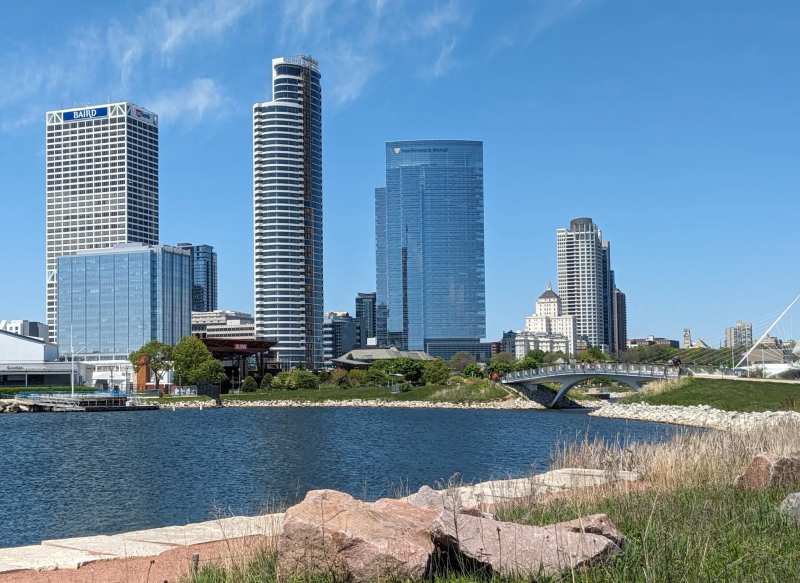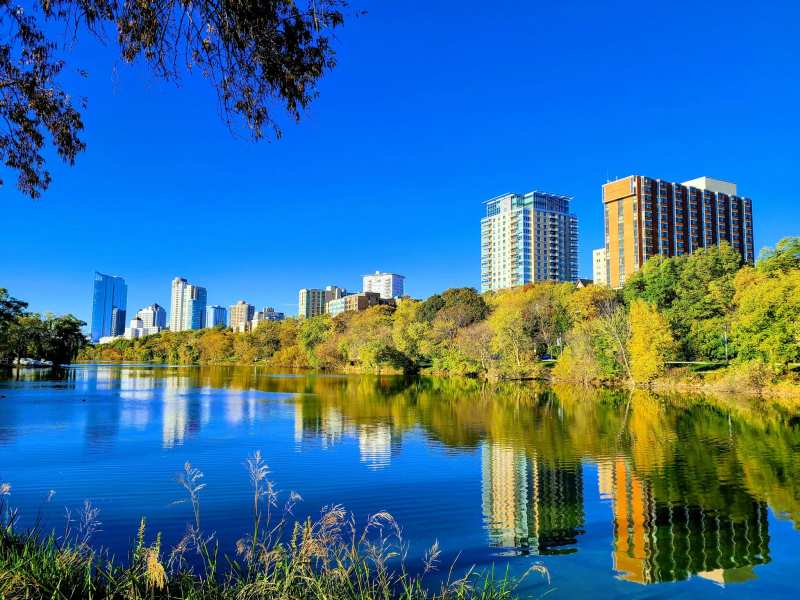

Milwaukee has more museums than most visitors have time for, and they are spread out in a way that rewards a little planning. Most of the big Milwaukee museums sit on or near the lakefront, a second cluster sits downtown between the river and the Public Museum, and the rest are scattered across the East Side and the city's north and west neighborhoods.
This year is also a strange one. The Milwaukee Public Museum is in its final year in the building it has occupied for generations, so anyone who grew up walking its streets and dioramas has a deadline. Here is every museum worth your time, where it sits, and how to see them without paying full price for all of them.
On the lakefront
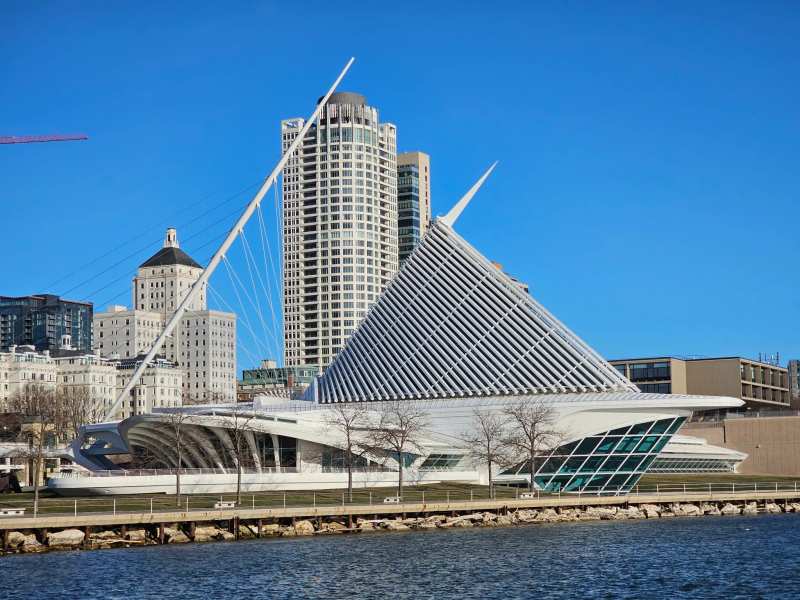
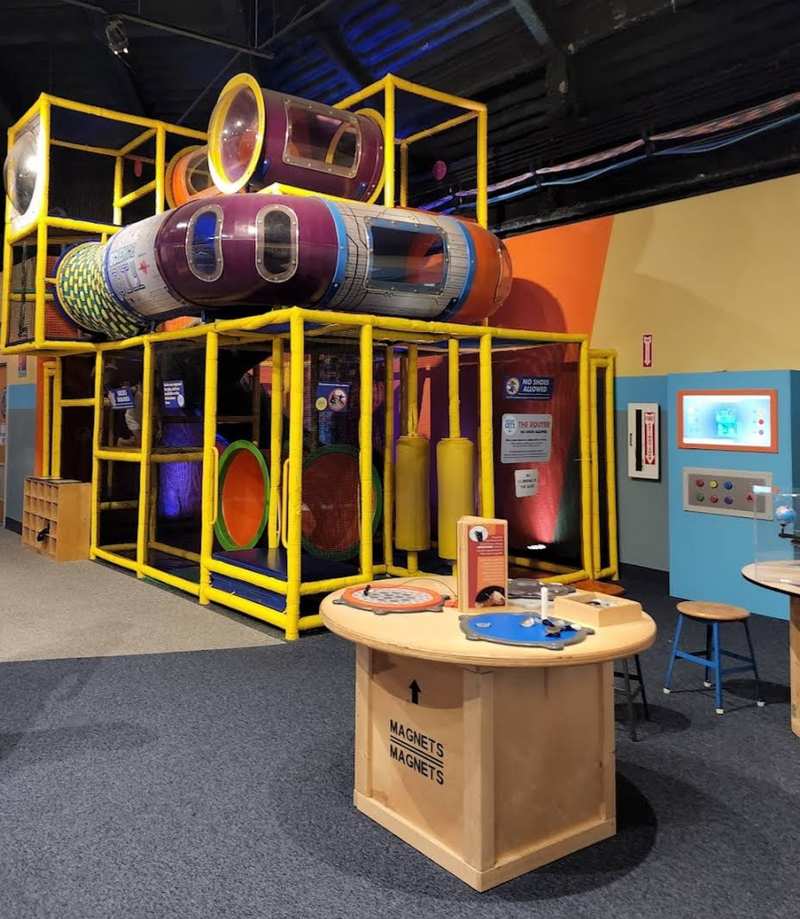
The Milwaukee Art Museum, Discovery World and the Betty Brinn Children's Museum all sit within a few minutes' walk of each other on the lake, which makes this the easiest museum day in the city.
The collection is worth more time than the building usually leaves it. The Bradley Wing of Modern Art, rebuilt around the museum's German Expressionist and postwar holdings, reopened in March 2026 after a full reinstallation, and it is the part of the museum locals are currently going back to see.
The Art Museum's cheapest hour is Thursday evening, when admission is pay-what-you-wish from 4 to 8 p.m. at the desk. Children 12 and under get in free every day.
Milwaukee Public Museum, in its final year
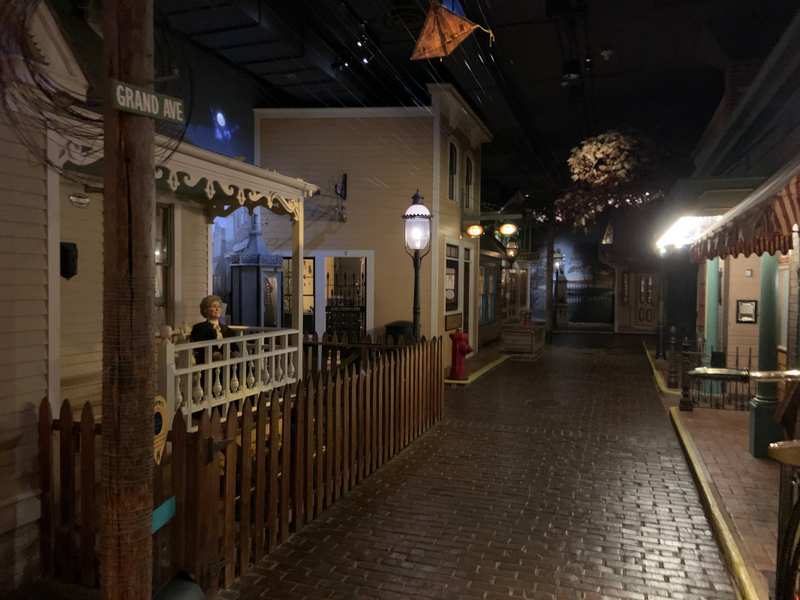
The Milwaukee Public Museum at 800 W Wells St is open through the rest of 2026, with its last public day on January 3, 2027. It reopens in 2027 in a new five-story building at North Sixth Street and West McKinley Avenue, near Fiserv Forum, under a new name: the Nature & Culture Museum of Wisconsin.
Other things to find before the doors close on Wells Street: the Third Planet dinosaur hall, where a Tyrannosaurus rex feeds on a Triceratops, and the Hebior Mammoth, a skeleton excavated in Kenosha County in the 1990s that stands among the oldest evidence of people in the Americas.
The move will change the experience more than the collection. The new building is being designed around five permanent galleries, and the museum has said the familiar favorites will return in new form. For now, the old building is the one to walk through while you still can.
The Harley-Davidson Museum
The Harley-Davidson Museum at 400 W Canal St sits on a 20-acre campus in the Menomonee Valley, a short hop south of downtown across the river. The company began in a Milwaukee shed in 1903, and the museum tells that story through the machines themselves, from the earliest belt-driven bikes to the police and military models.
The first thing most people look for is Serial Number One, the oldest known Harley-Davidson motorcycle, displayed in its own glass case. From there the galleries run through the board-track racers of the 1910s, the wartime bikes, the choppers and the custom builds, with a wall of engines you can study up close.
Allow two to three hours inside. The grounds outside are free to walk, with the river running alongside, and the museum's restaurant and shop do not need a ticket either. Even visitors with no interest in motorcycles tend to stay longer than they planned, because the display of fuel tanks by decade is really a history of American design.
America's Black Holocaust Museum
America's Black Holocaust Museum at 401 W North Ave in the Bronzeville neighborhood is the most important museum visit in Milwaukee for many people, and it asks for an unhurried couple of hours.
The building is also a place of ongoing work rather than a finished monument, with talks, films and community programs through the year, so check what is on before you go.
Bronzeville itself, the historic heart of Black Milwaukee along North Avenue and Martin Luther King Jr. Drive, is worth a walk after the museum for its restaurants and galleries.
Mansions, villas and a lighthouse
The East Side lakefront holds three small historic house museums, each built for one of the families who made money in Milwaukee's industrial boom, plus a lighthouse you can climb.
A few blocks south on Prospect Avenue, the Charles Allis Art Museum occupies the Tudor-style mansion of Charles Allis, the first president of the Allis-Chalmers manufacturing company. It shows his collection of 19th-century French and American paintings and Asian ceramics in the rooms where he lived.
The Pabst Mansion at 2000 W Wisconsin Ave, finished in 1892 for the brewer Captain Frederick Pabst, is the grandest of the lot and runs guided tours through its restored rooms. It sits on the Marquette University end of downtown rather than the lakefront, so it pairs better with the Haggerty than with the villas.
At the north end of Lake Park, the North Point Lighthouse is a restored 1888 tower you can climb for a view straight out across the lake and back at the city. In 1912 the tower was lifted onto a new steel base because the trees around it had grown tall enough to hide the light from ships, and the join is still visible from below. The park around it, with its ravine bridges and paths, leads down to the shore.
Those lakefront parks connect straight into Milwaukee's beaches, so a lighthouse morning turns easily into an afternoon on the sand below the bluff.
Jewish Museum Milwaukee
Jewish Museum Milwaukee at 1360 N Prospect Ave tells the story of Jewish life in the city and the wider region, and it is one of the more thoughtful small museums in the Midwest.
It sits on the same stretch of Prospect Avenue as the Charles Allis, so the two make an easy pair on an East Side morning, followed by coffee on Brady Street a few blocks inland.
The Grohmann and the university museums
Two university museums downtown are among the most rewarding small visits in the city, and one of them is always free.
The Grohmann collection was built by one Milwaukee businessman, Eckhart Grohmann, and he gave it to the university, which is why a museum about manual labor sits in the middle of an engineering school.
On the Marquette University campus, the Haggerty Museum of Art at 1234 W Tory Hill St is free every day it is open, with a collection that runs from 16th-century woodcuts to modern decorative arts and a steady schedule of changing shows.
Galleries and working studios
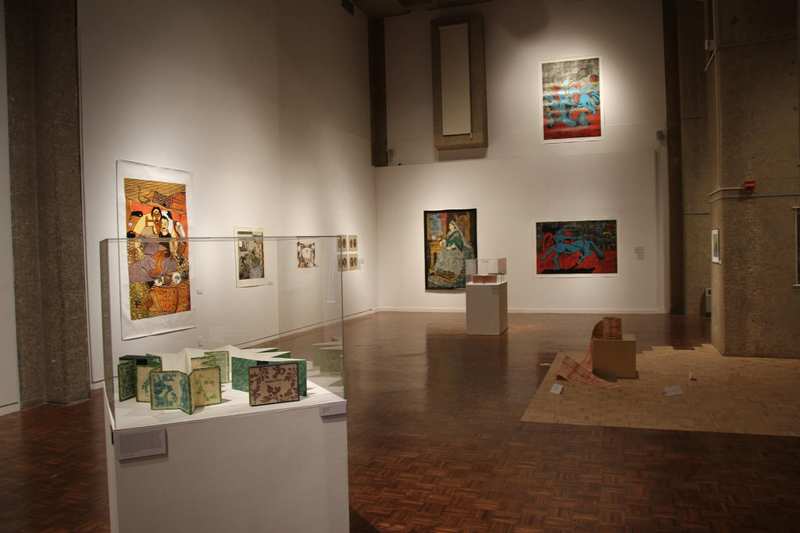
Beyond the museums, Milwaukee's working art scene lives in a handful of galleries and studio buildings, most of them free to walk into.
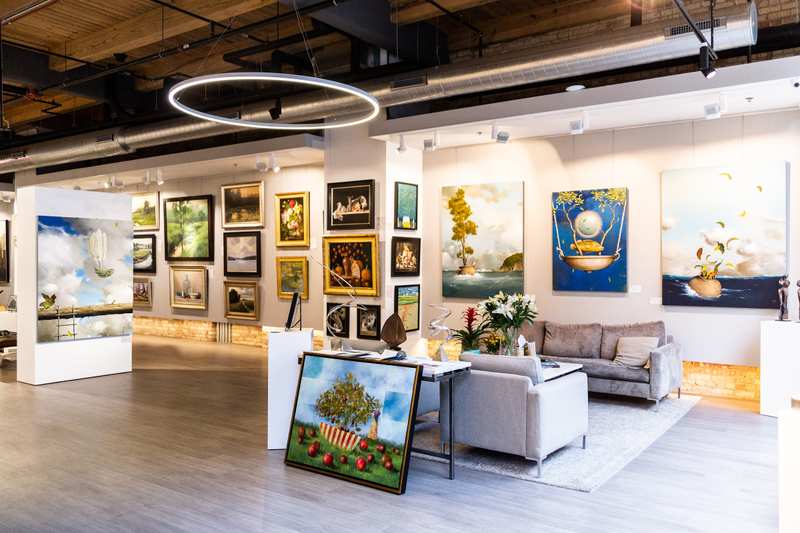
In the Historic Third Ward, JK Art House at 191 N Broadway shows realist, impressionist and abstract work in a relaxed room where the artists themselves are often around.
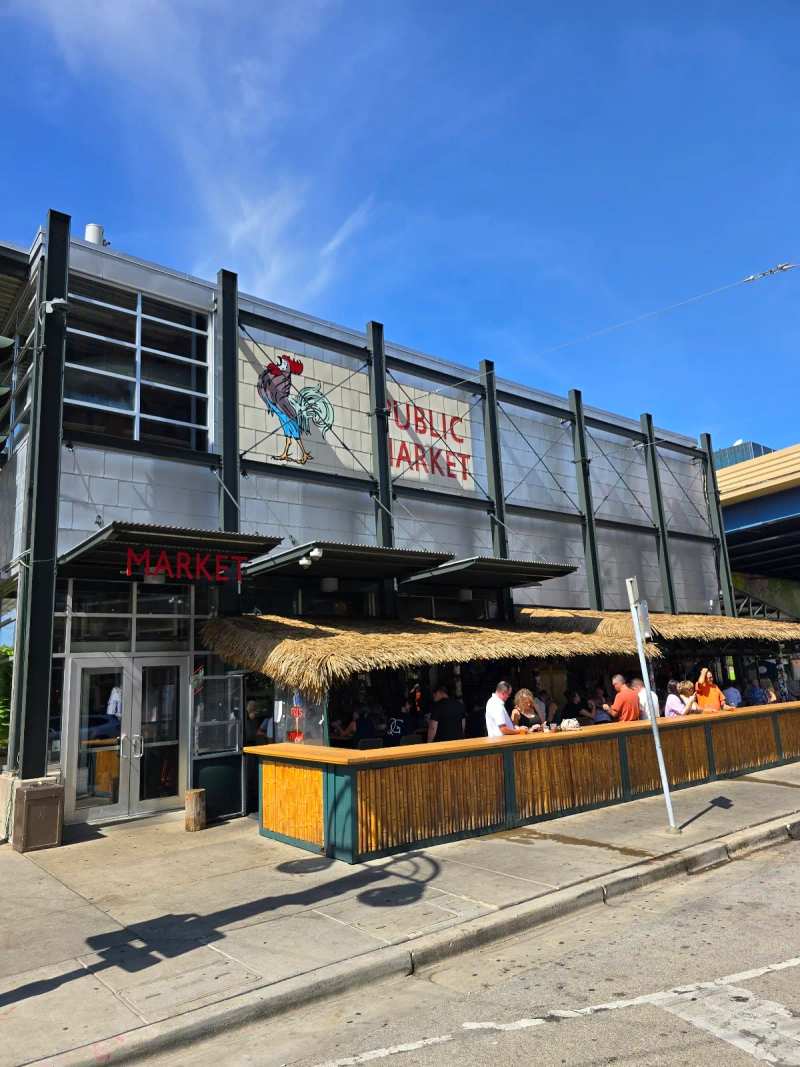
The Third Ward's old warehouses hold several more galleries on and around Broadway, and a gallery walk through the Historic Third Ward makes an easy afternoon between lunch at the Public Market and an early dinner.
North of downtown, 5 Points Art Gallery & Studios at 3514 N Port Washington Ave combines a gallery with working studios, so you can see work in progress beside finished pieces.
On the east side, the UWM Union Art Gallery at 2200 E Kenwood Blvd on the University of Wisconsin-Milwaukee campus runs student-curated exhibitions and is free to wander in.
The Domes and the zoo
Two of Milwaukee's biggest attractions turn up on every museum list without being museums, and they fill the same kind of day.
The Mitchell Park Domes at 524 S Layton Blvd are three glass beehive conservatories holding a desert, a tropical rainforest and a seasonal flower show, a good warm hour in winter.
The Milwaukee County Zoo at 10001 W Bluemound Rd on the far west side is a full day on its own, so give it a separate trip rather than squeezing it between museums.
Free days and discounts
Several Milwaukee museums cost nothing, and a few of the paid ones have regular discounts. Policies change, so check the museum's own site on the day, but these have been consistent.
| Museum | How to pay less |
|---|---|
| Haggerty Museum of Art | Free every open day |
| UWM Union Art Gallery | Free |
| JK Art House and 5 Points | Free to browse |
| Harley-Davidson Museum | Grounds, shop and restaurant free without a ticket |
| Milwaukee Art Museum | Pay what you wish, Thursdays 4 to 8 p.m.; ages 12 and under free |
| Milwaukee Art Museum wings | Free to watch from outside, 10 a.m., noon and 10 p.m. |
Watching the Art Museum's wings from the lakefront lawn is the best free show in the city, and a lot of the rest of the free things to do in Milwaukee sit within a short walk of it.
Museums are also most of the answer when the weather closes in, and they head the list of indoor things to do in Milwaukee from November to April.
Getting between them
The Hop, Milwaukee's streetcar, runs through downtown and the Third Ward, and its lakefront L-Line stops by the Art Museum, which makes the lakefront and downtown clusters easy to link without a car.
The lakefront museums are also connected by a flat walk along the water, and on a fine day walking between the Art Museum, Discovery World and the Third Ward galleries is part of the pleasure.
The outliers are the Harley-Davidson Museum in the Menomonee Valley, America's Black Holocaust Museum in Bronzeville, the zoo on the far west side and the 5 Points studios on the north side. For those, drive or take a bus, and give each its own half day.
How long each museum takes
A rough guide for planning, based on an unhurried visit:
| Museum | Allow |
|---|---|
| Milwaukee Art Museum | 2 to 4 hours |
| Milwaukee Public Museum | 2 to 3 hours |
| Harley-Davidson Museum | 2 to 3 hours |
| America's Black Holocaust Museum | About 2 hours |
| Discovery World | 2 to 3 hours |
| Betty Brinn Children's Museum | 1 to 2 hours |
| Villa Terrace, Charles Allis, Jewish Museum, Grohmann | About 1 hour each |
| North Point Lighthouse | About 1 hour with the climb |
Two big museums and one small one is a comfortable day. Three big ones is possible if you start at opening, but most people are finished by mid-afternoon of a four-hour museum.
Planning a museum day by area
Group museums by neighborhood and you can see three in a day without a car.
Lakefront day. Start at the Art Museum at 10 to see the wings open, walk across to Discovery World for the aquarium, and add Betty Brinn if you have small children. Eat at the Milwaukee Public Market in the Third Ward, a short walk south, and spend the afternoon in the galleries there.
Downtown and Marquette day. Begin at the Public Museum while it is still on Wells Street, walk west to the Pabst Mansion, and finish at the Haggerty on the Marquette campus. The Grohmann is back toward the river on Broadway if you still have energy.
East Side day. Start with Jewish Museum Milwaukee on Prospect Avenue, walk up to the Charles Allis and the Villa Terrace, then climb the North Point Lighthouse in Lake Park and end the day on the beach below it.
Valley and Bronzeville. The Harley-Davidson Museum and America's Black Holocaust Museum are best reached by car or bus, and each deserves a half day. Build the rest of the trip from things to do in Milwaukee around them.
Frequently asked questions
Published June 1, 2026