In the 1880s Milwaukee was so German that visitors called it the German Athens of America, a city of beer gardens, singing societies, gymnastics halls and German-language newspapers. Most of that world has faded, but it survives on the plate, and Milwaukee German restaurants are still some of the most distinctive places to eat in the Midwest.
The heart of it is Old World Third Street downtown, where a century-old restaurant, a Bavarian beer hall, a brat house and a sausage maker share a couple of blocks. Around the city there are German bars, delis, a speakeasy-era beer hall just over the line, and the Dutch, Belgian and Serbian dining rooms that carry the same Old World tradition. Here is where to eat, what to order and when the city's German festivals come around.
How Milwaukee became German
German immigrants began arriving in large numbers in the 1840s, and after the failed revolutions of 1848 a wave of educated political refugees, the Forty-Eighters, followed. They built breweries and newspapers, gymnastics clubs called Turner societies, choirs and theaters, and for a time German was as common as English on the city's streets.
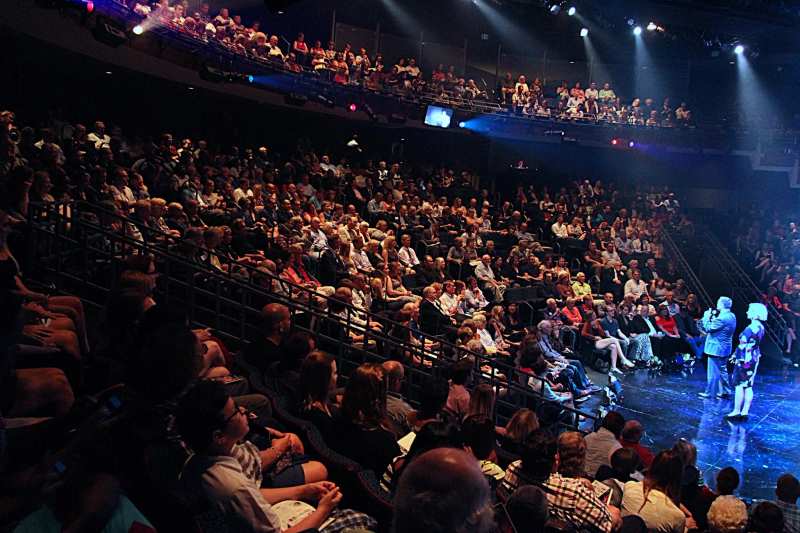
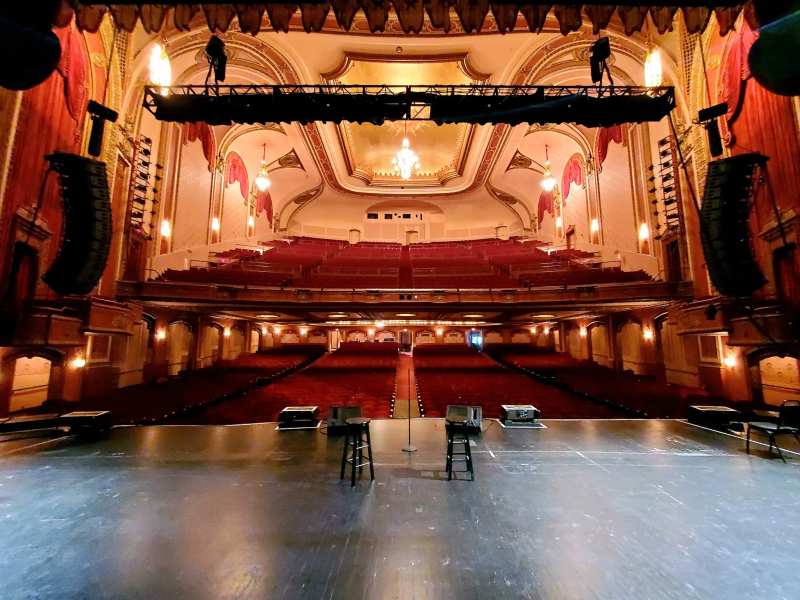
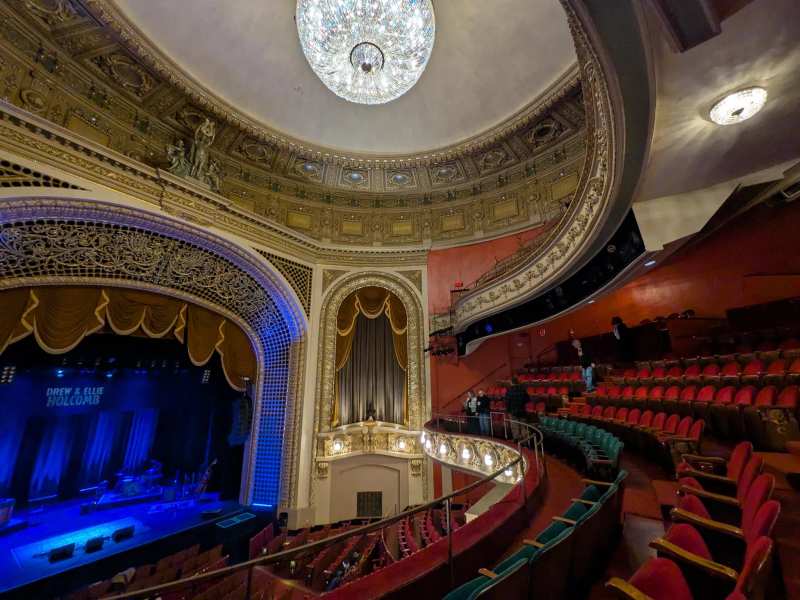
The Pabst Theater itself opened in 1895 as a home for German-language plays, which is why the city's grandest concert room carries a brewer's name. Across the river, the Pabst's old German stage still hosts touring shows under the same gilded ceiling.
The First World War changed all of that. Anti-German feeling pushed families to anglicize their names, German-language schooling faded and the clubs quieted. What survived was the food, the beer and a handful of institutions like Mader's and Usinger's, which is exactly what makes them worth visiting now.
Mader's
Mader's at 1041 N Dr. Martin Luther King Jr. Dr has served German food since 1902 and is the grand old dining room of German Milwaukee, the one to choose if you only have one German meal.
Book ahead on weekends and during the holiday season, when Mader's decorates heavily and families come in for their annual dinner. A weekday lunch is the easiest way in, and the bar is a good place to eat if the dining rooms are full.
Old World Third Street's beer halls
Old World Third Street, now officially part of Dr. Martin Luther King Jr. Drive downtown, is the German end of Milwaukee, a couple of blocks lined with a beer hall, a brat house and the city's oldest sausage maker.
The street's German character goes back to the immigrants who settled west of the river in the 1800s, and the brewing families who built the city are part of the same story. The beer halls here are the natural start of a tour through Milwaukee's working breweries, several of which are a short ride away.
Where German Milwaukee still shows
Walk downtown with the history in mind and the German city is still visible. Turner Hall, the 1882 home of the Milwaukee Turners gymnastics society, stands on Vel R. Phillips Avenue, and its upstairs ballroom, Turner Hall Ballroom, now hosts concerts under the old painted walls.
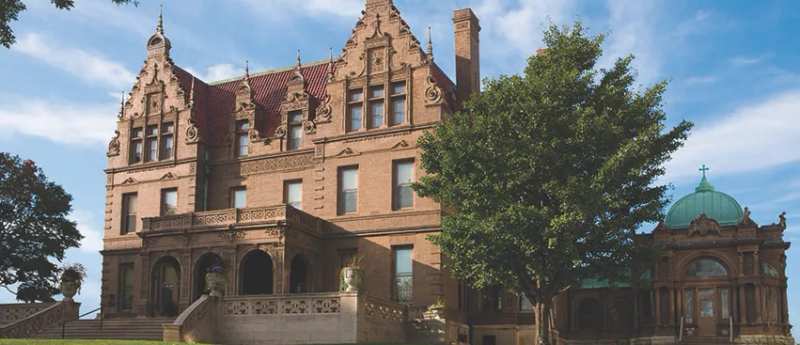
Captain Pabst's 1892 mansion on Wisconsin Avenue, the brewery buildings in the Brewery District and the German names carved over storefronts across the older neighborhoods all belong to the same story. A German meal here is the easiest way to taste it.
Sausages and delis to take home
Milwaukee's German food tradition is as much about the butcher counter as the restaurant, and the city's sausage makers and delis are the place to buy something to take home.
On the west side at 9015 W Burleigh St, Bunzel's Meat Market is a family butcher that has fed Milwaukee for decades, with house-made brats and sausages that locals buy for summer cookouts.
On the south side at 3200 S 16th St, National Bakery & Deli bakes breads, buns and rolls fresh daily, the kind of bakery that keeps the Old World habit of good rye alive.
Von Trier on the East Side
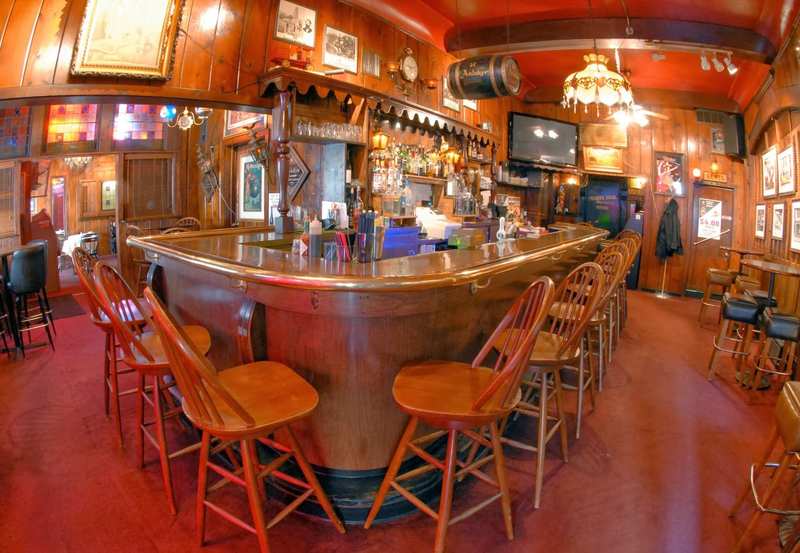
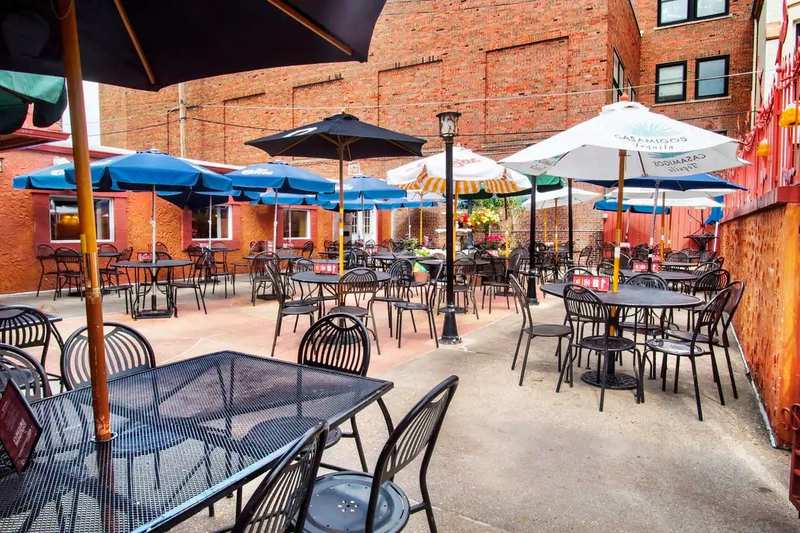
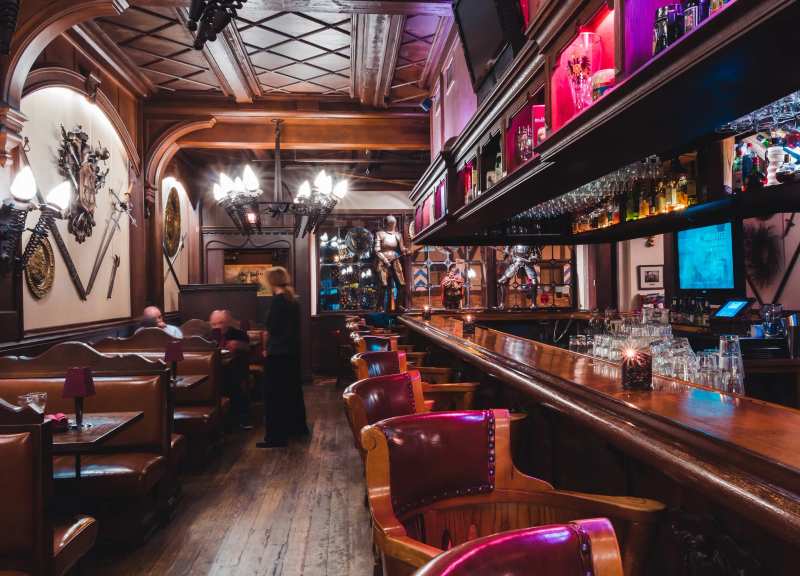
On the East Side at the corner of Farwell and North Avenues, Von Trier is the city's best German bar, open since 1978, with a carved wood interior, painted murals and a beer garden out back.
It pours German beers in proper glasses and serves German bar food, and on a summer night the beer garden is one of the most pleasant places to sit in Milwaukee. In winter, the dark wood and low light inside make it one of the coziest.
Kegel's Inn, just outside the city
Just past the city line in West Allis, about four miles southwest of downtown, Kegel's Inn is a Bavarian-style beer hall and restaurant that opened in 1924 as a speakeasy during Prohibition.
Its dining room is a showpiece of Old World woodwork and painted walls, and the building was added to the National Register of Historic Places in 2010. It serves German beer and food and a busy Friday fish fry, which draws people from across the county.
That Friday tradition runs through every kind of Milwaukee dining room, and a Milwaukee fish fry at a German restaurant usually comes with potato pancakes and applesauce on the side.
Dutch and Belgian cafés
Milwaukee's taste for Low Countries food and beer runs alongside its German one, and three cafés serve it well.
In the Third Ward, Café Benelux serves the food and beer of Belgium, the Netherlands and Luxembourg across three floors, with a rooftop patio on top.
On the East Side on Downer Avenue, Café Hollander pairs Belgian beers with comfort food in a vintage-chic room, a neighborhood favorite for brunch.
Serbian and Old World
Milwaukee's Serbian community is one of the largest in the country, and its restaurants carry the same Old World heartiness as the German ones.
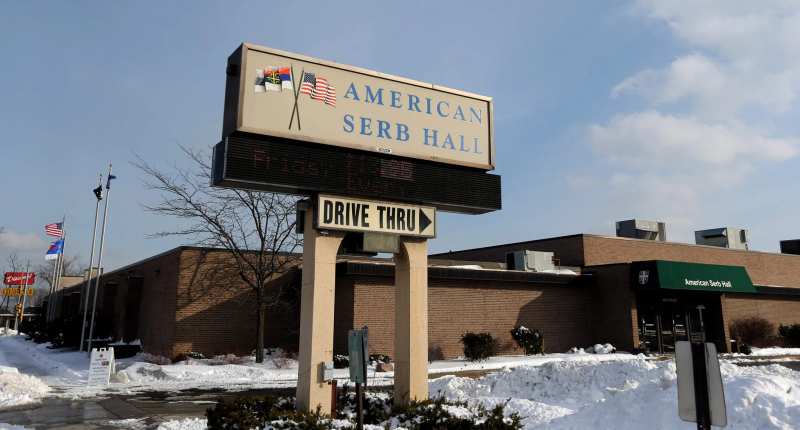
On West Oklahoma Avenue, the community has gathered at American Serb Hall for more than 75 years, and it is famous for its Friday fish fry, one of the largest in the city.
In Bay View, Serbian food has come out of the kitchen at Three Brothers since 1956, in a former Schlitz tavern, and its burek is worth the wait.
What to order
Sauerbraten. Beef marinated for days in vinegar and spices, then braised and served with a sweet-sour gravy. Mader's version is the benchmark.
Rouladen. Thin beef rolled around bacon, onion and pickle, braised in gravy. Heavy, slow food, best eaten in the depths of winter.
Schnitzel. Pork or veal pounded thin, breaded and fried, served plain with lemon or topped with mushroom or pepper gravy.
Pork shank. A roasted pork knuckle with crackling skin, big enough to share, usually with sauerkraut or red cabbage.
Spaetzle. Small, soft egg noodles, often tossed in butter or baked with cheese. The side that goes with everything on the menu.
Potato pancakes. Crisp, grated potato pancakes served with applesauce, a German classic that also turns up at every Friday fish fry in the city.
Brats. A bratwurst on a hard roll with brown mustard and sauerkraut, the Milwaukee way. Usinger's makes the city's most famous.
Red cabbage and sauerkraut. The two sides that come with nearly every German plate here, sweet-sour red cabbage braised with apple and tangy sauerkraut, sometimes cooked with bacon.
Dessert. Apple strudel and Black Forest cake are the classic endings, and most of the German dining rooms keep at least one of them on the menu. Share a slice; the mains are heavy.
Beer. A German lager, a hefeweizen or a dark dunkel in the beer halls, or a local lager if you would rather drink Milwaukee.
Oktoberfest season and German Fest
Milwaukee's biggest German celebration is German Fest, held on the lakefront festival grounds each summer, usually in late July, with German bands, dancers, food and beer across several stages. It is one of the largest German festivals in North America.
In fall, the city's German restaurants and beer halls run Oktoberfest menus and events through September and October, with seasonal beers, oompah music and special dishes. The Old German Beer Hall and Mader's are the busiest, and booking ahead is wise on weekends.
December brings its own German traditions, with Christmas markets, holiday menus at Mader's and gingerbread and stollen at the bakeries. Winter is the best time for this food anyway, when a plate of sauerbraten and a dark beer feel exactly right.
Planning a German day
Start at Usinger's for a look at the sausage counter, then walk to the Old German Beer Hall or the Brat House for lunch. Save Mader's for dinner, and finish with a beer at Von Trier on the East Side.
With a car, add Kegel's Inn in West Allis for a Friday fish fry, and pick up brats at Bunzel's on the way home. German food fits into any Milwaukee trip, and the sights of downtown Milwaukee start a short walk from Old World Third Street.
Frequently asked questions
Published August 24, 2026