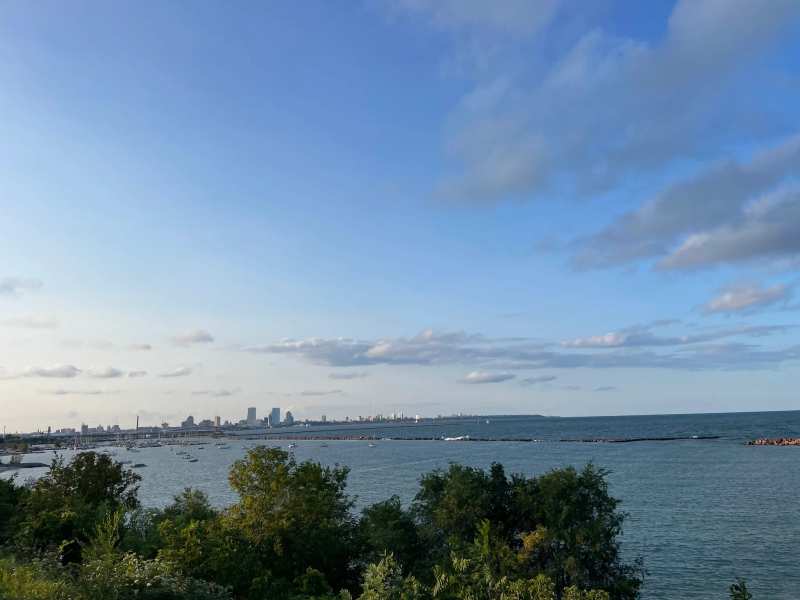
For a century this city made more beer than anywhere else on earth, and it still smells of it on the right day in the Menomonee Valley. Milwaukee breweries today are a mix of the survivors of that century, a working Miller plant you can tour, and a generation of small taprooms that grew up in old warehouses, tanneries and churches.
Here is the story in one short section, then every brewery and distillery worth the trip, grouped by the part of town you'll be in, with what you need to know before you go.
Why Milwaukee is Brew City
German immigrants arrived in Milwaukee in huge numbers in the mid-1800s and brought lager with them. By the late 19th century four of the biggest breweries in the United States were here: Pabst, Schlitz, Blatz and Miller.
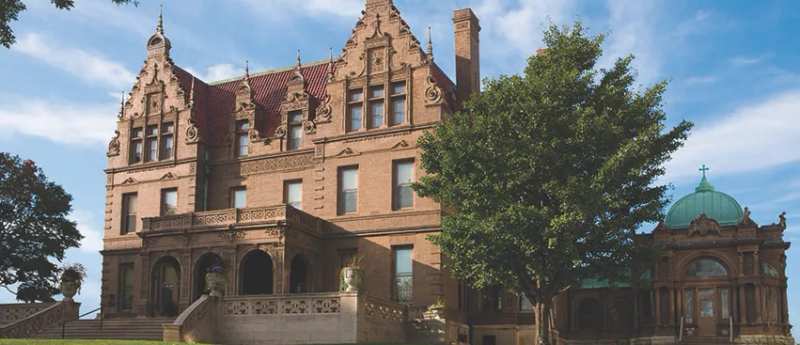
Schlitz sold itself as the beer that made Milwaukee famous, and for a while it was the largest brewer in the country. Captain Frederick Pabst built his company into the world's biggest by the 1890s, and the Pabst Mansion on Wisconsin Avenue shows what that fortune bought.
Pabst Blue Ribbon took its name from the silk ribbons the company tied around the necks of its bottles in the 1880s. Miller High Life, the Champagne of Beers, first went into bottles here in 1903, and it is still brewed in the Miller Valley.
Prohibition hit the city hard, and consolidation after the Second World War finished most of the old names. Schlitz and Blatz closed their Milwaukee plants, Pabst left in 1996, and only Miller still brews at scale in the city. The craft revival began in the late 1980s, and Lakefront led it.
Lakefront Brewery
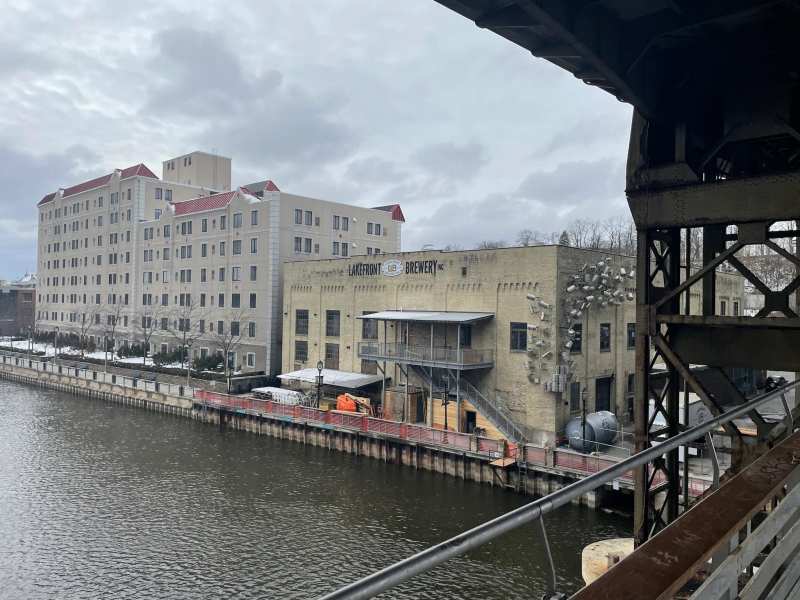
Lakefront Brewery at 1872 N Commerce St is the first brewery most visitors should see, a riverside brewhouse below Brewer's Hill with the most entertaining tour in the city.
The ticket buys a walk through the brewhouse and several pours along the way, so plan on about an hour and do not drive afterward.
The beer hall is a destination of its own. On Fridays it serves a fish fry with a live polka band, which is about as Milwaukee as a night out gets.
That Friday night is one of many ways to eat fish on a Friday in this city, from church halls to supper clubs.
The big-brewery tours: Miller and Pabst
Two of the old brewing giants are still open to visitors: Miller, which still brews in the Miller Valley, and the former Pabst headquarters downtown, which keeps the company's history alive.
Around Best Place, the old Pabst buildings now make up the Brewery District, and one of them, an 1880s church, is now the Milwaukee taproom of Central Waters Brewing, a brewery from Amherst in central Wisconsin known for its barrel-aged stouts.
A few blocks east on Juneau Avenue, Explorium Distilled makes its own spirits and beer with a self-serve barrel room for groups.
The Brewery District today
The old Pabst complex, a cluster of cream city brick buildings on the northwest side of downtown, sat empty for years after the brewery closed. It has since been rebuilt as the Brewery District, with apartments, offices, university buildings and a hotel.
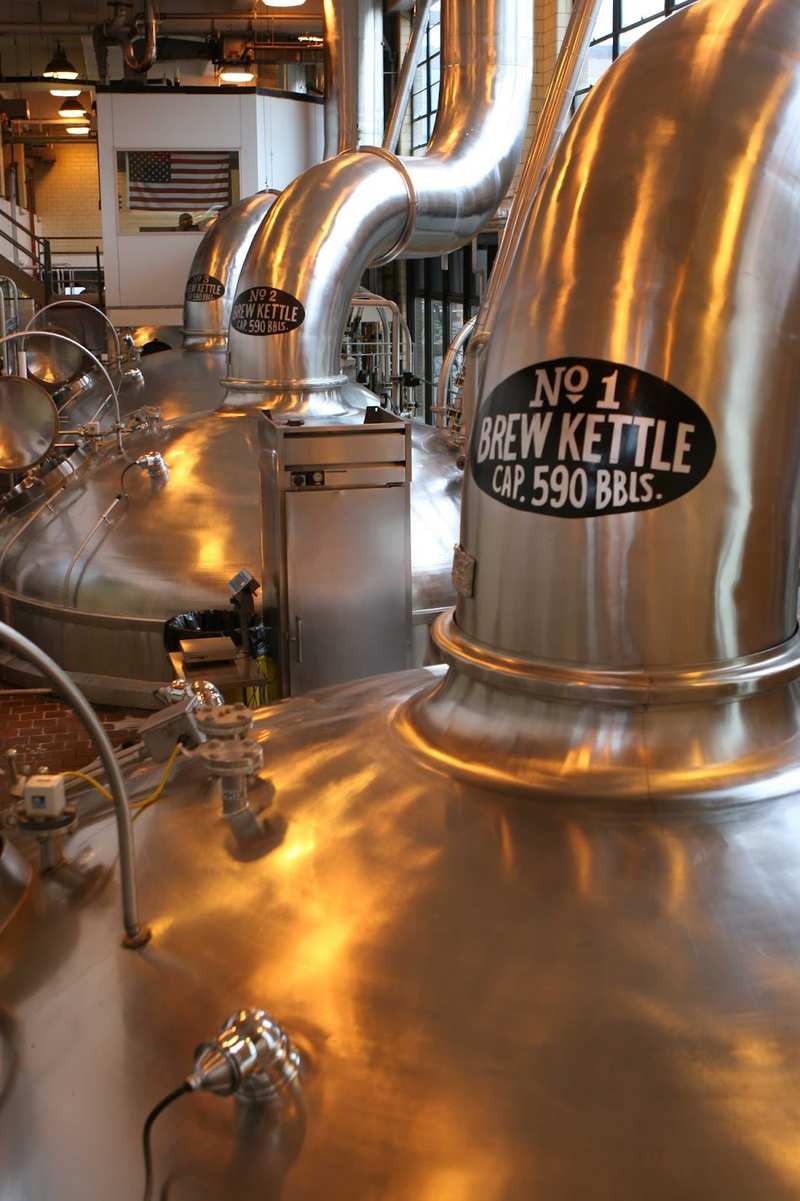
The hotel, the Brewhouse Inn & Suites, occupies the former brewhouse, and its lobby still holds the huge copper brew kettles under a stained-glass ceiling. Guests from other hotels are welcome to walk in and look.
Between Best Place, the church taproom and the kettles, a slow hour here explains more about Milwaukee's brewing past than any museum label.
Third Space and the Menomonee Valley
The Menomonee Valley, the old industrial corridor south of downtown, is where the newer breweries found space, and Third Space is its anchor.
Walker's Point brewery crawl
Walker's Point, across the Menomonee from downtown, has the tightest cluster of breweries and distilleries in Milwaukee, all within a few blocks of each other.
Two blocks west, the Great Lakes Distillery at 616 W Virginia St was the first craft distillery in Wisconsin since Prohibition when it opened in 2004, and its tours of the stills are as funny as they are informative.
The distillery's Rehorst gin and Kinnickinnic whiskey, named for the river a few blocks south, show up behind bars across the city, and the tasting room is the place to try the small-batch releases that never reach a shop shelf. The tour ends with a tasting, so pace the afternoon if Broken Bat and MobCraft are still ahead.
The neighborhood's bars, restaurants and taprooms all sit within a short walk, which is why a crawl through Walker's Point is the best brewery afternoon in the city.
Eagle Park, Gathering Place and the north side
North of downtown, two breweries are worth crossing the river for: Eagle Park on the East Side and Gathering Place in Riverwest.
In the old industrial blocks of the Third Ward, Wizard Works Brewing on Buffalo Street pours magic-themed beers in a brick-lined room.
Distilleries and a coffee brewery
Milwaukee's distillers have grown alongside its brewers, and one west side brewery doubles as a coffee roaster.
South of Walker's Point on South 1st Street, Twisted Path Distillery makes its own spirits and serves them in craft cocktails, with good non-alcoholic options too.
Out on the west side at 5519 W North Ave, coffee roasting and brewing share one roof at Vennture Brew Co, which started doing both in 2018, so you can arrive for an espresso and stay for a pint.
Sprecher, just north
A little past the city line in Glendale, about four miles north of downtown, the fire-brewed root beer at Sprecher Brewing is the reason most families visit. Randy Sprecher opened the brewery in 1985, and its tour is the one that works for children and parents alike.
Beer halls and German taps
The German side of Milwaukee's beer history survives in its beer halls, and the biggest is downtown on Old World Third Street.
The Old German Beer Hall at 1009 N Dr. Martin Luther King Jr. Dr is modeled on Munich's Hofbräuhaus, with long shared tables, liter mugs and pretzels.
Next door, Mader's has served German food since 1902, with a bar that pours German beers under dark wood and old steins.
Old World Third Street is where the city's German restaurants still cluster, a few steps from the river.
Beers you will only find here
A few beers are worth ordering because you are in Milwaukee, or at least in Wisconsin.
Lakefront's Riverwest Stein, an amber lager named for the neighborhood across the river, is the brewery's flagship and the local bar default. Third Space's Happy Place pale ale has become just as common on tap.
New Glarus Brewing, from a small town southwest of Madison, sells its beer only inside Wisconsin, so its Spotted Cow farmhouse ale is on draft in half the bars in Milwaukee and on no shelf outside the state. Visitors from Illinois famously fill their trunks with it on the way home.
And Miller High Life, the big-brewery lager, is still the beer of the corner tap. Ordering one in a Milwaukee tavern is a small act of local history.
Where the taprooms end and the bars start
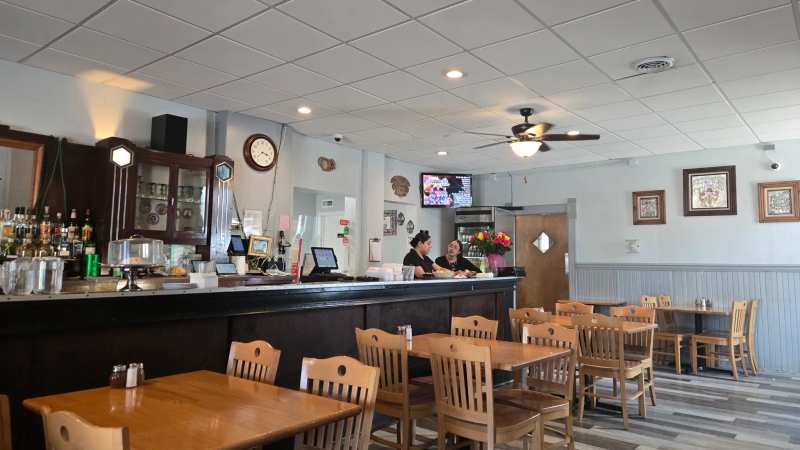
Milwaukee's taverns are part of its beer culture too. Corner taps pour local beer on draft, many hold Friday fish fries and meat raffles, and some have been in the same family for generations.
For the rest of the drinking city, Milwaukee bars run from 1930s cocktail lounges to neighborhood taverns where the regulars know everyone's name.
Beer and the Brewers
Milwaukee's baseball team is named for the trade, and a Brewers game is as much a beer ritual as a sporting one. The parking lots at the ballpark in the Menomonee Valley fill hours before first pitch with tailgaters grilling brats and cracking cans.
Broken Bat and Third Space are the natural places to meet before a game, and the Valley taprooms stay busy afterward. If you are in town on a home-game weekend, plan around it rather than against it.
Rainy days and winter
Brewery taprooms are warm, dry and open all year, which makes them one of the best answers to a cold Milwaukee afternoon.
A brewery tour and a museum make a good winter day, and taprooms sit near the top of the indoor things to do in Milwaukee from November to April.
Before you go
Book tours ahead, especially Lakefront and Miller on weekends, which sell out. Bring ID, since every tour that pours beer checks it.
Most taprooms welcome children in the daytime, and several have patios that fill with families on summer weekends. Rules for dogs vary by taproom, so ask before you bring one.
Brewers home games draw crowds to the Menomonee Valley taprooms, and Summerfest weekends fill everything near the lakefront. Plan a quieter weekday for the Walker's Point crawl if you want to talk to the brewers.
Planning a brewery day
Group breweries by neighborhood and walk or ride between them rather than drive.
Brewery District and downtown. Start at Best Place for the Pabst story, walk to Central Waters in the old church, then head east to the Old German Beer Hall for dinner.
Walker's Point. MobCraft, Great Lakes Distillery and Broken Bat are all within about ten minutes on foot, with the neighborhood's restaurants in between.
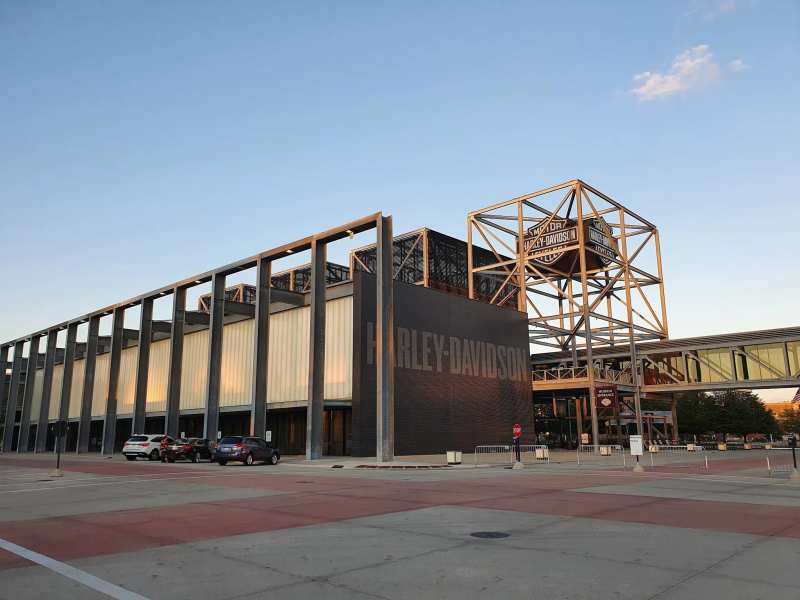
Valley and west side. Pair the Miller tour with Third Space and the Harley-Davidson Museum, a few blocks from the taproom. Miller is further west and easier by car or bus, so start there in the morning and work back toward downtown.
North side. Lakefront, Eagle Park and Gathering Place sit on either side of the river north of downtown, a short hop apart.
Take a rideshare or the bus rather than driving between taprooms. For the rest of the trip, fit the breweries around Milwaukee's other things to do, from the lakefront to the neighborhoods.
Frequently asked questions
Published June 22, 2026