Wellington is a small capital on a big harbour, hemmed in by hills and exposed to whatever Cook Strait decides to send through that day. On a still morning it is one of the best-looking cities in the country. On a southerly afternoon it is a lesson in how quickly plans change. The things to do in Wellington are built around that fact: a handful of very good indoor days, a lot of outdoor ones, and a local habit of checking the wind before choosing between them.
This guide covers the lot, from Te Papa on the waterfront to the fur seals at Red Rocks, with what each place is actually like, what it costs, and how the pieces fit together into a day. Most of it is within walking distance of the central city. The rest is a short bus ride away.
The Wellington short list
If you only have a day or two, five things carry the most weight: Te Papa, the cable car up to the Botanic Garden, the walk up Mount Victoria, the waterfront from Queens Wharf to Oriental Bay, and an evening on Cuba Street. Two to three days is the honest amount of time the city needs. With a week, you start adding the south coast, the Miramar film studios, Zealandia and a day over the hill in the Wairarapa.
The layout is simple once you see it from above. The central business district runs along Lambton Quay and the reclaimed waterfront. Te Aro sits just south of it, taking in Cuba Street, Courtenay Place and most of the bars and restaurants. Kelburn and Thorndon climb the hills to the west. Oriental Bay and Mount Victoria are to the east. Beyond the Mount Victoria tunnel lie the eastern suburbs, the airport, Lyall Bay and the Miramar Peninsula. The rugged south coast, with Island Bay, Owhiro Bay and Red Rocks, faces straight out into Cook Strait.
Everything in the centre is walkable. The hills are real, though, so pack shoes that grip and assume every walk is slightly steeper than the map suggests.
Museums and the big indoor days
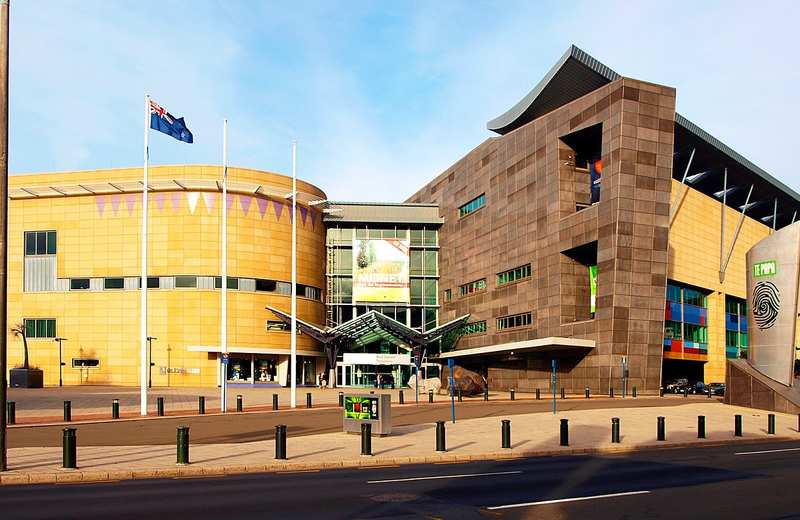
Te Papa is the one indoor stop that belongs on almost every itinerary, and Wellington Museum on Queens Wharf is the best second. Both are free for New Zealanders. International visitors pay for general entry at both. The current prices are on each museum's own site, and any older blog calling them free for everyone is out of date.
Te Papa is the obvious answer to a rainy day, which means it fills up on rainy days. Weekday mornings are calmest. School holidays and wet weekends are busiest.
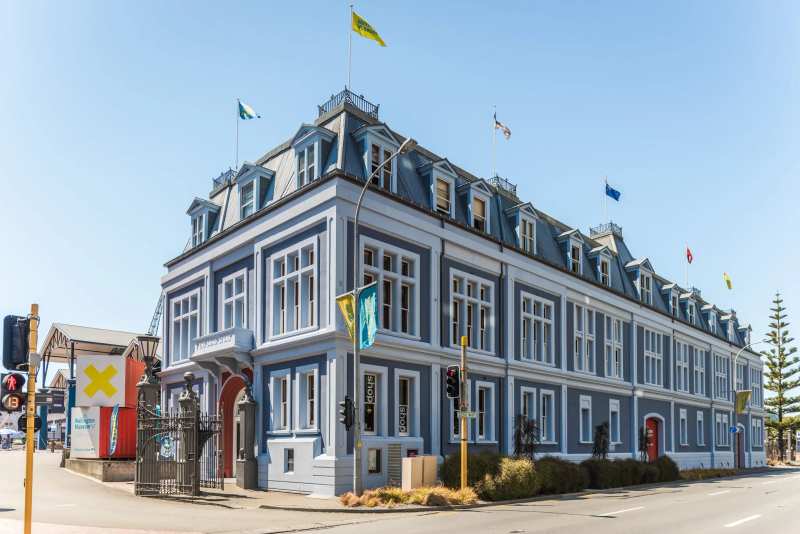
Te Papa opens from 10am to 6pm every day, and Wellington Museum from 10am to 5pm. Both are on the waterfront about ten minutes apart on foot, so it is easy to do one in the morning and the other after lunch without ever getting back on a bus. International tickets at Te Papa cover 48 hours of access to the permanent collection, which takes the pressure off trying to see it all at once.
Two more indoor options sit at the top of the cable car. Space Place at Carter Observatory runs planetarium shows and has a big historic telescope, which makes it a good evening option on a clear night. The Cable Car Museum is housed in the old winding house at the Kelburn terminal and shows the original grip cars. It takes twenty minutes and it is worth them.
The cable car, the Botanic Garden and Kelburn
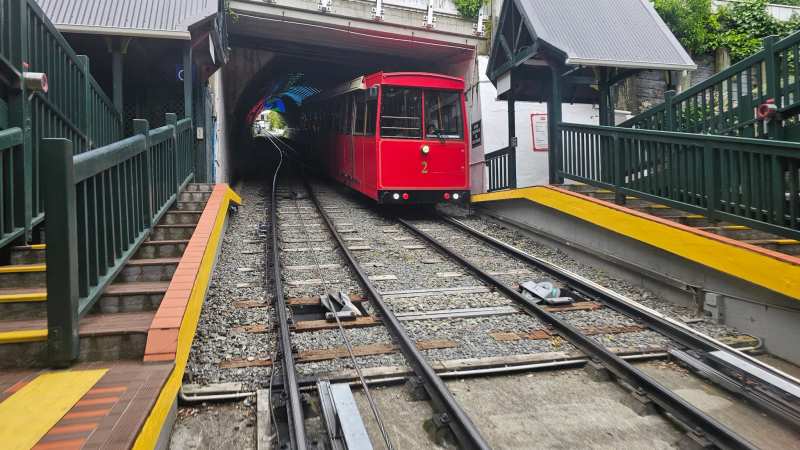
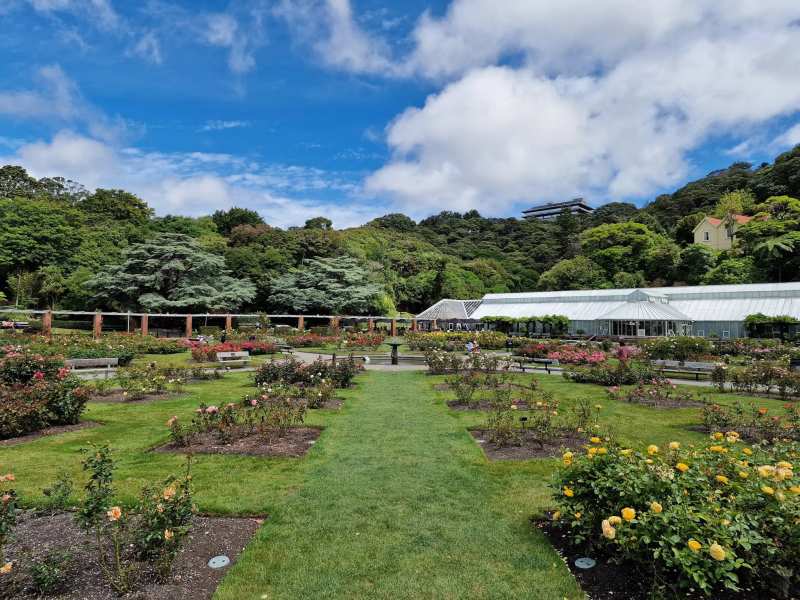
The cable car and the Botanic Garden make a single outing. Ride up from Lambton Quay to Kelburn, look at the view, walk through the garden, and walk back down into the city. Half a day covers it comfortably.
From the top terminal, the garden opens up immediately below you.
If you would rather climb than ride, the garden works in reverse too. It is steep, but it is free, and arriving at the lookout on foot feels earned.
Galleries and smaller museums
City Gallery Wellington in Civic Square is the contemporary art gallery, with changing exhibitions from New Zealand and overseas artists and free general entry. It stays open late on some Thursday evenings. The New Zealand Portrait Gallery on Queens Wharf is small, free and full of faces you will half recognise, with window seats looking out over the harbour.
The National Library on Molesworth Street is the other quiet heavyweight. Its He Tohu exhibition holds three founding documents: the 1835 Declaration of Independence, the Treaty of Waitangi, and the 1893 women's suffrage petition, which made New Zealand the first self-governing country where women won the vote. The room is designed to feel like a treasure box, and it does.
For something stranger, the airport itself doubles as a small gallery. Wētā Workshop installations hang above the terminal: Gandalf riding an eagle, and Gollum reaching for a fish over the food court. If you fly in, look up.
Māori Wellington and the harbour story
The city's Māori name is Te Whanganui-a-Tara, the great harbour of Tara, and the wider region is Te Upoko o te Ika a Māui, the head of the fish that Māui pulled up to form the North Island. The easiest way into that history is on foot along the waterfront.
Te Wharewaka o Pōneke, on the waterfront between the City to Sea Bridge and Te Papa, runs short guided walking tours that begin with a welcome in its waterfront building, look at the two waka on display, and then cross to the City to Sea Bridge and the statue of Kupe, the Polynesian navigator credited with finding the harbour. The tour takes about an hour and needs booking. It is the best hour you can spend if you want the waterfront to mean more than a nice view.
Te Papa's own marae, Rongomaraeroa, sits on level four and is open to visitors. It is a working marae in a national museum, which is unusual anywhere in the world, and the carved meeting house inside is worth sitting with for a few minutes. The Māori and Pacific collections on the floors around it give the context.
Across the city, te reo Māori is increasingly on signs, street names and building names. You will hear Wellingtonians call the city Pōneke, a Māori name that grew out of Port Nick, the old settler nickname for Port Nicholson. Nobody will mind if you use it.
Film and Wētā in Miramar
Wellington's film industry lives on the Miramar Peninsula, about twenty minutes from the city by car or on the number 2 bus. There are two ways to see it, and they suit different people.
The Wētā Cave on Weka Street is the free version: a shop and small museum with prop replicas, collectables and the life-sized trolls out front that almost everyone photographs. If your group is split between film fans and the politely indifferent, the Cave is the compromise.
Film fans can also find the Mount Victoria spot where the hobbits hid from the Black Rider in the first Lord of the Rings film. It is on the walking tracks below the summit, and there is more on that in the section on lookouts.
Wildlife: Zealandia, the zoo and the seals
Wellington has three very different wildlife options: a fenced valley of native birds ten minutes from town, the country's oldest zoo in Newtown, and a wild fur seal colony on the south coast. Pick by weather and by how much walking you want.
Wellington Zoo in Newtown was the first zoo in New Zealand and is compact enough for small legs. It is the easy choice for young children, and it works in light rain in a way that Zealandia does not.
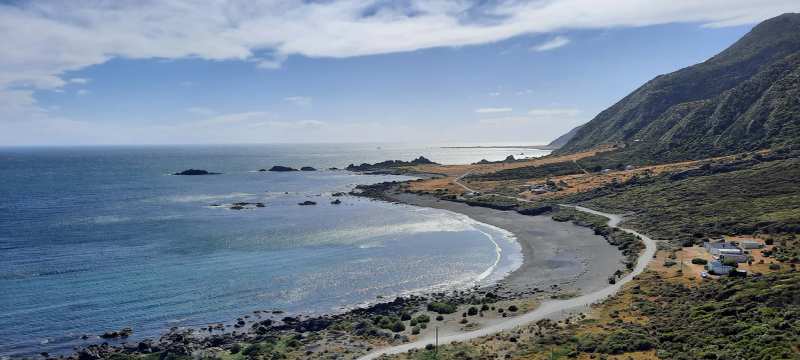
The seals are a different kind of outing. Between roughly May and October, a colony of fur seals hauls out at Sinclair Head, at the far end of the Red Rocks coastal walk from Owhiro Bay. The walk is flat, exposed and about 7.5 kilometres return on a gravel four-wheel-drive track. The track starts at the Te Kopahou visitor centre at the end of Owhiro Bay Parade, where there is parking and toilets, and on Sundays it is closed to vehicles. Keep at least twenty metres from the animals. They are faster than they look. Around the corner, Taputeranga Marine Reserve off Island Bay has a marked snorkel trail for calm summer days.
Lookouts and short climbs
Mount Victoria is the classic view, and the walk up from the city takes twenty to thirty minutes if you go straight. For something quieter, Te Ahumairangi Hill above Thorndon and Mount Kaukau above Khandallah both look over the city from a different angle.
Te Ahumairangi Hill, the old Tinakori Hill, has walking and biking trails through more than 100 hectares of the Town Belt and a lookout straight down onto the Beehive. Te Ahumairangi Hill is best reached from Grant Road in Thorndon. Wrights Hill Reserve above Karori has old coastal defence fortifications and views over the western hills.
For a view with fewer people, the Brooklyn Wind Turbine on the western hills looks over the city, the harbour and across Cook Strait. It went up in 1993 as New Zealand's first large-scale wind turbine, which tells you most of what you need to know about the local weather. You can drive to the top of Haywards Hill Road, or walk up from the top of Aro Street through Waimapihi Reserve, about six kilometres return. The walk ends conveniently close to Garage Project's taproom on Aro Street.
The highest of the city lookouts is Mount Kaukau, reached on foot from the Simla Crescent trailhead in Khandallah. The climb is steady and the top is open to the wind, with views across the whole region. It is the start of the Skyline Walkway ridge, the most dramatic of Wellington's walks and a long way from the easier Town Belt loops.
The full Skyline Walkway runs about fourteen kilometres along the ridge from Johnsonville to Karori and can take up to six hours. Most people walk a section. The two main trailheads are Old Coach Road in Johnsonville and Makara Saddle above Karori, and both have limited roadside parking. The ridge is fully exposed, so treat the forecast seriously and carry a warm layer even in summer.
The harbour and the beaches
Oriental Bay is the city beach, ten minutes on foot from Courtenay Place. Scorching Bay on the Miramar Peninsula is the one locals pick for a proper swim on a fine day. Lyall Bay is the surf beach, with planes landing low overhead at the far end.
Past the pool, Freyberg Beach has a playground and a small pier.
Further out, Scorching Bay is sheltered from the northerly, with a big grass bank behind the sand and a cafe across the road. Lyall Bay is exposed and usually has some swell, which suits surfers more than swimmers.
Island Bay has rock pools, a marine reserve and the end of the Southern Walkway.
Island Bay has a history worth knowing too. Italian families settled here from the late nineteenth century and ran the fishing fleet that supplied much of the city, and the colourful boatsheds along the foreshore date from that time. The annual Blessing of the Boats still happens, and the suburb has a quieter, more residential feel than the harbour side.
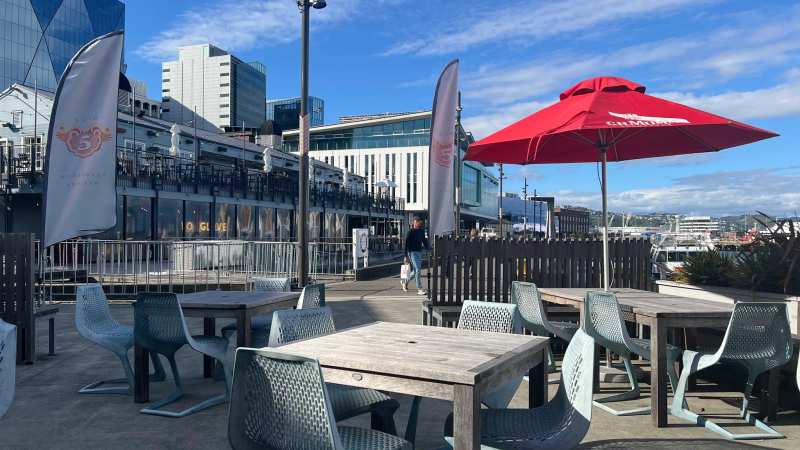
Which beach works depends almost entirely on the wind direction. The south coast beaches are wild in a southerly and calm in a northerly, and the harbour beaches are the reverse. The walk from Queens Wharf to Oriental Bay is the easiest harbour outing of all. The waterfront from Queens Wharf to Oriental Bay is flat, sealed and about three kilometres, with museums, sculptures and places to eat all the way along.
Out on the harbour: Matiu/Somes Island
Matiu/Somes Island sits in the middle of the harbour, and the ferry from Queens Wharf takes about twenty-five minutes. The island is predator-free and managed by the Department of Conservation, so the birdlife is dense and there are tuatara, the ancient reptile that outlived the dinosaurs, living wild.
The loop track around the island takes about forty minutes and passes an old quarantine station, a lighthouse and wartime gun emplacements, with 360-degree views of the harbour and the city. Ferries run on set departures with set return times, so check the return sailing before you wander off. There are no shops on the island. Take water, food and a layer, and leave dogs at home.
The same ferry continues to Days Bay on the eastern side of the harbour, which has a sheltered beach, a park and a couple of cafes. Taking the ferry across for lunch and back is one of the easiest good days in Wellington.
Around the bays by bike or car
The coastal road around the Miramar Peninsula is one of the best short drives or rides in any New Zealand city. From Oriental Bay it runs past Evans Bay, round Point Halswell, through Shelly Bay and Scorching Bay, out to Seatoun at the harbour entrance, and back along the south coast past Breaker Bay, Moa Point and Lyall Bay.
E-bikes can be hired in the city and make the loop a comfortable half-day, with a swim at Scorching Bay and lunch in Lyall Bay along the way. By car it takes under an hour without stops, but nobody does it without stops. The Massey Memorial on Point Halswell, reached by a short climb from Shelly Bay Road, has one of the quieter harbour views in the city.
At Lyall Bay, planes land low over the end of the beach, surfers work the break, and the Maranui Cafe sits upstairs in the surf lifesaving club with the best window seats on the south coast. Parrotdog's brewery bar is a block back from the sand.
Parliament and the Beehive
Parliament's guided tours are free, run through the day from the visitor centre, and are best booked at least a day ahead. Expect security screening on arrival.
Parliament House and the neighbouring Beehive sit at the northern end of Lambton Quay. The introductory tour takes you through the parliamentary buildings and, depending on what the House is doing that day, the debating chamber, committee rooms and library. If Parliament is sitting, the public gallery is open, and watching an actual debate is more entertaining than most people expect.
The Beehive, the round executive wing, is the building on every postcard. It is best photographed from the grounds in front of Parliament House.
Tours run most days, but availability changes when Parliament is sitting or when the buildings are in use for events. Booking at least 24 hours ahead is the safe approach. Allow an hour for the introductory tour, and leave bags you do not need at your accommodation, because everything goes through screening.
Close by in Thorndon, Old St Paul's is a Gothic church built entirely of native timber in 1866. The inside is dark, warm and quiet, and it takes ten minutes to see properly. The National Library across the road holds the Treaty of Waitangi and the 1893 women's suffrage petition in its He Tohu exhibition.
Eating and drinking as a thing to do
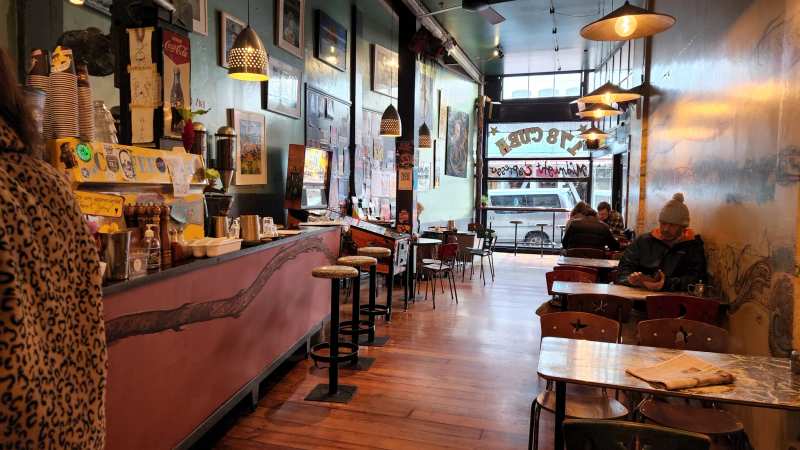
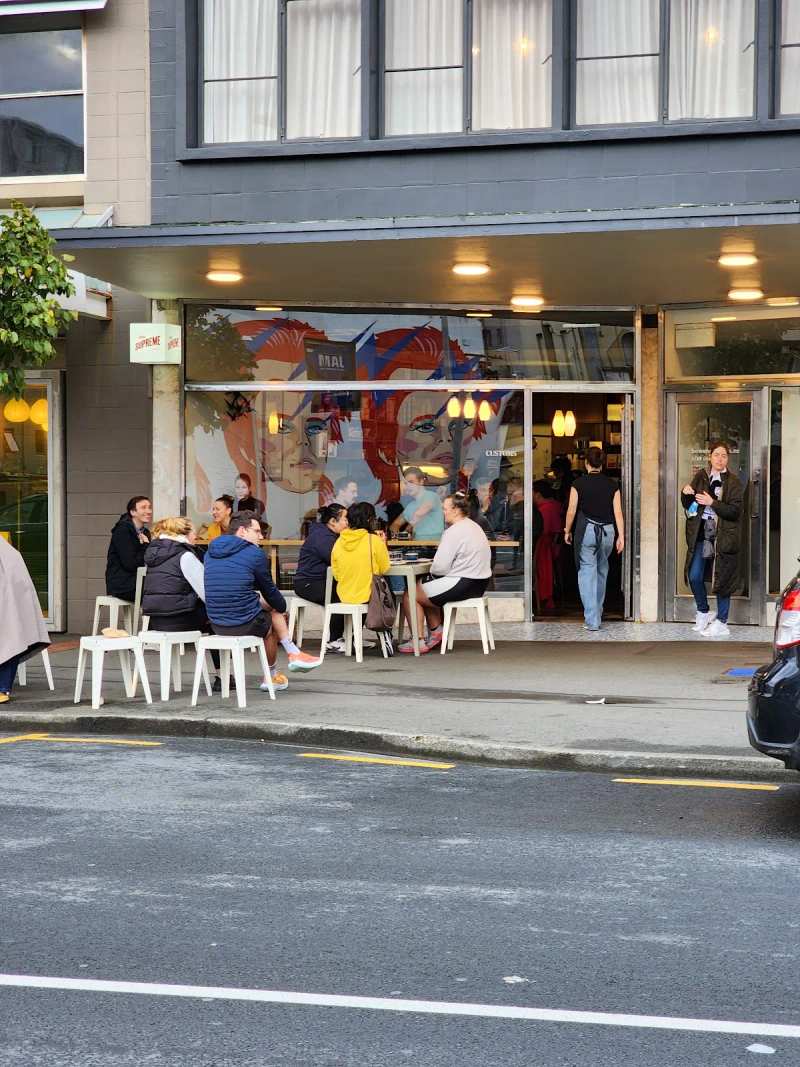
In Wellington, eating and drinking is a perfectly respectable way to spend a day. Coffee in the morning, a brewery taproom in the afternoon and dinner around Cuba Street is a perfectly good day on its own.
The coffee culture is serious and long-standing. Flight Coffee Hangar on Dixon Street is a good first stop, and Wellington's cafes go far deeper than one morning can cover. Most cafe kitchens close mid-afternoon, so plan coffee and brunch for the first half of the day.
The city calls itself the craft beer capital of the country and has the taprooms to back it up. Garage Project's taproom in the Aro Valley is where many visitors start. The craft beer taprooms run from Aro Street through Te Aro and out to Lyall Bay, most of them within walking distance of each other.
The Wellington Chocolate Factory on Eva Street makes bean-to-bar chocolate on site and runs tastings and workshops.
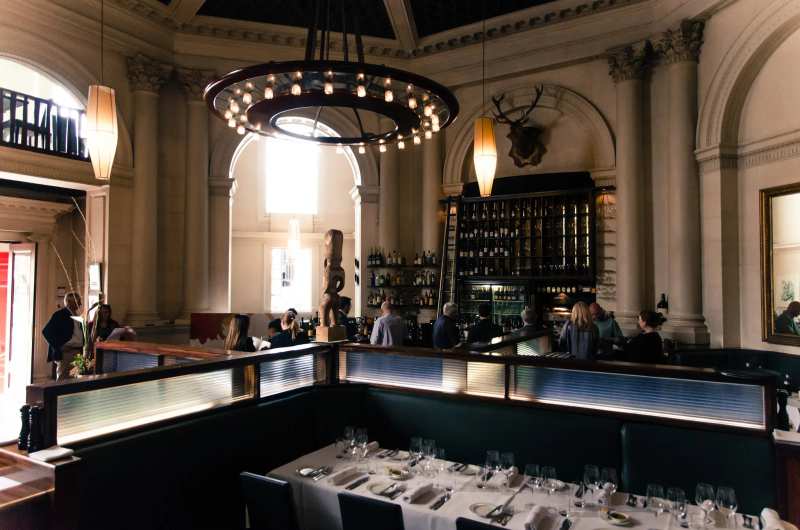
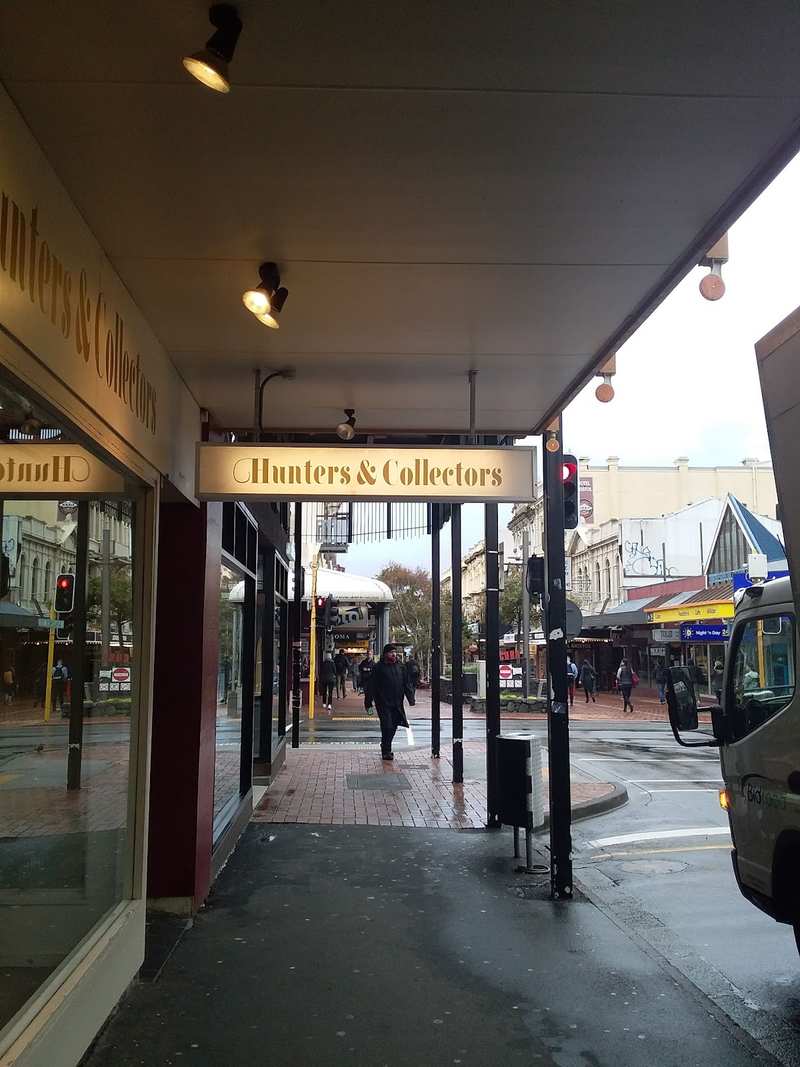
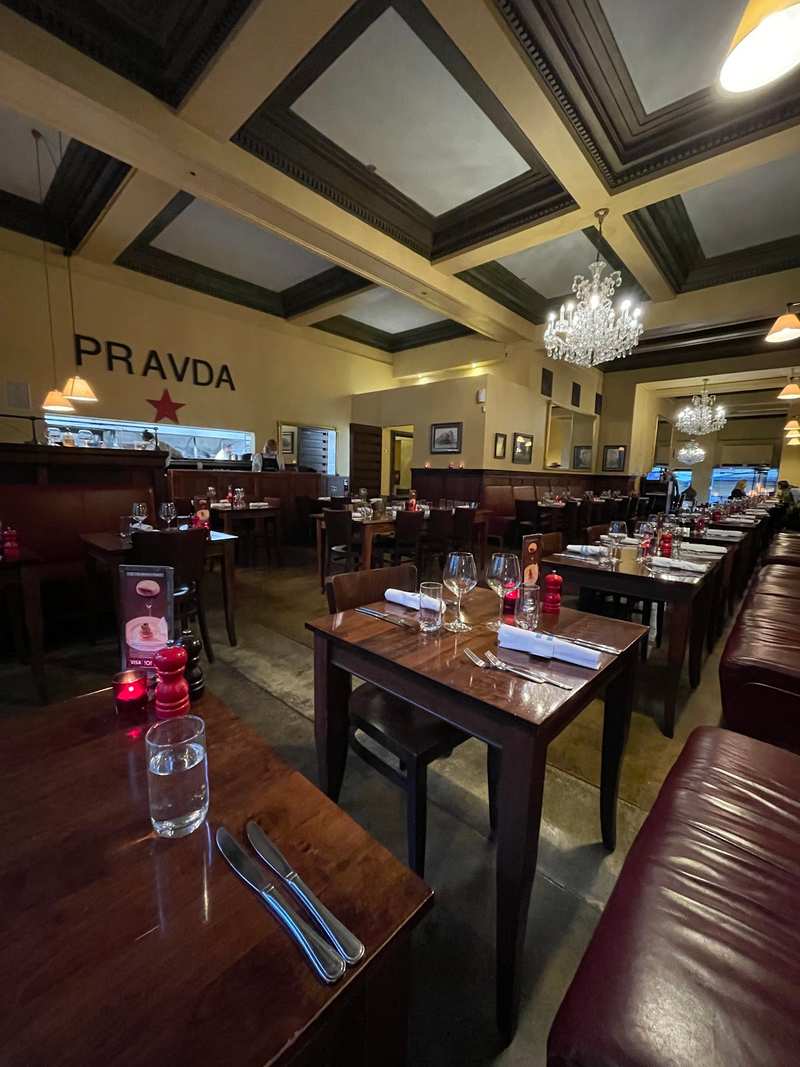
For dinner, Cuba Street is the obvious starting point. Its pedestrian mall runs between Manners and Ghuznee Streets, with the Bucket Fountain, installed in 1969, splashing anyone who stands too close, and a string of laneways off both sides full of small bars and bakeries. Beyond Cuba, Wellington's restaurants run from fine dining in an old bank chamber to cheap Malaysian at a shared table, and booking ahead matters from Thursday to Saturday.
Markets add another layer. The Harbourside Market runs on Sunday mornings on the corner of Barnett and Cable Streets beside Te Papa, with produce stalls and food trucks.
The Welly Night Market on Abel Smith Street at the top of Cuba does food trucks and live music on Friday evenings and from Saturday afternoon into the night. Each of the weekend markets keeps its own day and hours, so it pays to know which one is on before you set out.
Second-hand shopping is another Wellington pastime, and the op shops of Cuba and Newtown are worth an afternoon in their own right.
Shows, films and a night out
Wellington punches well above its size for live performance. The Embassy Theatre is the place for film, BATS and Circa are the theatres for new New Zealand work, and the Opera House and Michael Fowler Centre take touring shows and concerts.
BATS Theatre, a few doors from the Embassy on Kent Terrace, runs new and experimental work, festivals and comedy. Circa Theatre on the waterfront at Taranaki Street is more established and has a good bar.
The Opera House on Manners Street and the Michael Fowler Centre on Wakefield Street host the bigger touring acts and orchestra concerts.
After the show, bars that stay open late cluster around Courtenay Place, Cuba Street and the laneways in between.
Wellington with children
Wellington is easy with kids because the big attractions are close together and many of them are free. Te Papa has hands-on spaces for younger children and an earthquake house that small visitors love to be shaken by. The zoo in Newtown is compact and has themed playgrounds. The cable car is a treat on its own for anyone under ten.
Outdoors, the Matairangi nature trail on Mount Victoria has log climbs, a slide and a tree house along the way.
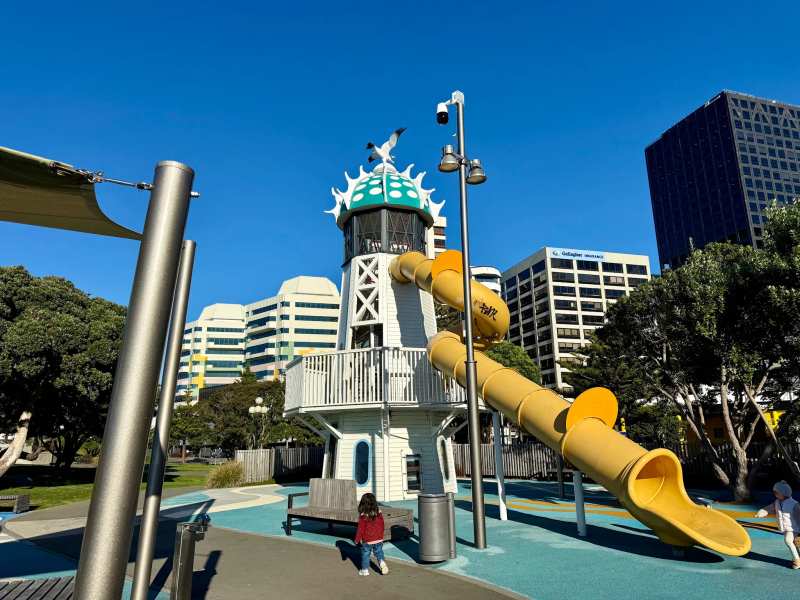
Frank Kitts Park and Waitangi Park on the waterfront both have playgrounds, and Freyberg Beach has a rope climbing frame beside the sand.
On a warm day in summer, the jump platform on Taranaki Street Wharf is where older kids and teenagers queue to leap into the harbour.
For wet days with children, Te Papa, Space Place and the Wellington Regional Aquatic Centre in Kilbirnie will fill most of a weekend between them.
Festivals and events through the year
Wellington's calendar is busiest in late summer and in the depths of winter, which is not a coincidence. The city has learned to throw a party when the weather gives it an excuse to stay indoors.
Summer brings outdoor concerts and the city's free Summer City programme, then NZ Fringe in February and March with small shows in unlikely venues. CubaDupa takes over Cuba Street with music, street performance and food around March. The Newtown Festival fills Riddiford Street in March too, with stages, stalls and most of the suburb out on the road.
Winter is Matariki, the Māori new year, in June or July, with events across the city and a public holiday. The Wellington Jazz Festival runs around the same time. August is Visa Wellington On a Plate, the country's biggest food festival, when restaurants across the region put on festival dishes and Burger Wellington turns the whole city into a burger competition. Beervana, the craft beer festival, lands in August as well.
Spring is the World of WearableArt show at the TSB Arena, which runs for several weeks from late September into October with finalist garments from designers in more than a dozen countries. The same month, the Spring Festival brings open days, guided walks and talks across the city's gardens. In mid-November, Toast Martinborough draws a crowd over the hill for a day of wine and music.
Dates move from year to year, so confirm them before you book. Big weekends, rugby tests at Hnry Stadium and the WOW season all push accommodation prices up and fill the city.
A fine day or a southerly day
Check the wind direction before you check the temperature. A northerly, from the north, makes the south coast and the eastern bays calm and pleasant while it gusts through the central city. A southerly, from the south, is colder and wetter, and turns the south coast wild while the harbour side stays more sheltered. Locals plan around this without thinking about it.
A fine, still day might run like this: coffee in Te Aro, up Mount Victoria before the wind picks up, the waterfront walk to Te Papa, lunch on Oriental Parade, then out to Scorching Bay for a swim in the afternoon. Finish with dinner on Cuba Street.
A southerly day looks different: Te Papa in the morning, Wellington Museum after lunch, then the Wellington Chocolate Factory and a taproom on Leeds Street, and a film at the Embassy in the evening. You barely need to go outside for more than ten minutes at a stretch.
You can't beat Wellington on a good day, as the locals say. The trick is recognising one when it arrives and dropping everything to use it.
Wellington's weather changes fast, often within the hour. Wellington's weather follows seasonal patterns that are worth knowing before you plan the outdoor days, and the wind has its own logic once you understand the strait.
What's free and what costs
A surprising amount of Wellington is free. The Botanic Garden, the Mount Victoria lookout, the beaches, the waterfront, the Wētā Cave shop, Old St Paul's and the Parliament tours all cost nothing. Te Papa and Wellington Museum are free for New Zealanders and charge international visitors.
The paid things are the cable car, Zealandia, the zoo, the Wētā Workshop tours, Space Place shows and the chocolate workshops. None of them are expensive by capital city standards, and several have family passes. Strung together, the free things to do in Wellington fill two full days without spending a dollar on entry.
Three days in Wellington
Three days fits the city well the first time around. This is one way to spend them, assuming the weather cooperates on at least one day. It usually does.
Day one: the central city. Coffee in Te Aro, then the waterfront from Queens Wharf with an hour in Wellington Museum. Lunch on the wharf, then Te Papa for the afternoon. Walk up Cuba Street in the evening for dinner and a drink on Leeds Street.
Day two: the hills. The cable car up to Kelburn, the Cable Car Museum and a slow walk down through the Botanic Garden. Lunch in Thorndon, a Parliament tour, then Old St Paul's. Late afternoon up Mount Victoria for the light over the harbour, and a film at the Embassy to finish.
Day three: out of the centre. Zealandia at opening, then over to Miramar for Wētā. Around the bays in the afternoon, a swim at Scorching Bay if the sea is kind, and a beer at Parrotdog in Lyall Bay as the planes come in over the beach. If it is seal season and the wind is light, swap the bays for the Red Rocks walk.
With a fourth day, take the ferry to Matiu/Somes Island or catch the train over the hill to the Wairarapa.
Day trips when you have done the city
Over the Remutaka Range to the north-east, the Wairarapa is warmer, drier and full of vineyards. Martinborough is about 58 kilometres from central Wellington in a straight line, with cellar doors like Ata Rangi within walking distance of the village square. Greytown's heritage main street is a little further. Up the west coast, Kāpiti Island is a predator-free bird sanctuary reached by boat from Paraparaumu Beach.
Most of the day trips over the hill work by train or harbour ferry, and only a few really need a car.
When to come and what to pack
Wellington is mild more than it is warm or cold. Summer afternoons usually top out around 20 or 21 degrees, and winter days sit around 12 or 13. What changes the feel of a day is the wind, not the thermometer. December to March brings the most sunshine and the warmest sea, around 17 or 18 degrees at its peak. June to August is the wettest and gloomiest stretch, with around three and a half hours of sunshine a day, and it is when the indoor attractions earn their keep.
Autumn, from March to May, is the local favourite: the light is soft, the wind often drops, and accommodation is easier to find than in summer. Spring is the windiest season on average, which is worth knowing if the ridge walks and the south coast are high on your list.
Pack layers and a proper windproof jacket, whatever the month. Leave the umbrella at home. The wind turns them inside out within a block, and Wellingtonians gave up on them years ago. Bring sunscreen too: the sun in New Zealand is strong, and a cool breeze makes it easy to forget until the evening.
A few habits help. Most cafe kitchens close around 3pm and many shops by 5pm, while bars and restaurants carry on late in Te Aro. Tap water is safe to drink. On the buses you tap your Snapper card on and off. In the central city, look out for coupon parking zones, which are free for a limited time and then need a coupon from the PayMyPark app.
Planning: how long, getting around and where to base yourself
Two or three days is right the first time you come. The central city is compact and flat along the waterfront, and hilly everywhere else. Buses cover the suburbs and the south coast. You pay with a Snapper card, bought from a train station, post office or retailer, and you tap on and off. A car is useful for day trips but a nuisance in the central city, where parking is limited and often coupon-controlled.
Getting here is straightforward. Wellington Airport is close to the city on the Rongotai isthmus, a short drive or bus ride from Courtenay Place. The Northern Explorer train runs between Auckland and Wellington through the middle of the North Island. Intercity buses connect the city with the rest of the island, and the Interislander and Bluebridge ferries cross Cook Strait to Picton in about three and a half hours.
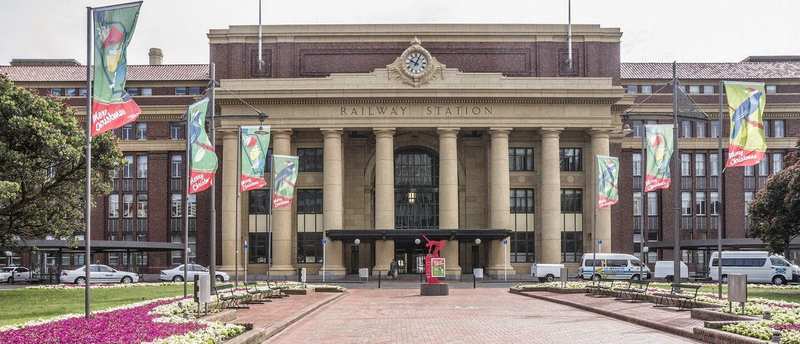
Base yourself centrally if you can. Somewhere central to stay puts Te Papa, Cuba Street and the waterfront within a short walk, and the options run from backpackers to harbour-view hotels. If you are travelling on to the South Island, the Picton ferry leaves from terminals near the railway station.
Frequently asked questions
Published September 20, 2026