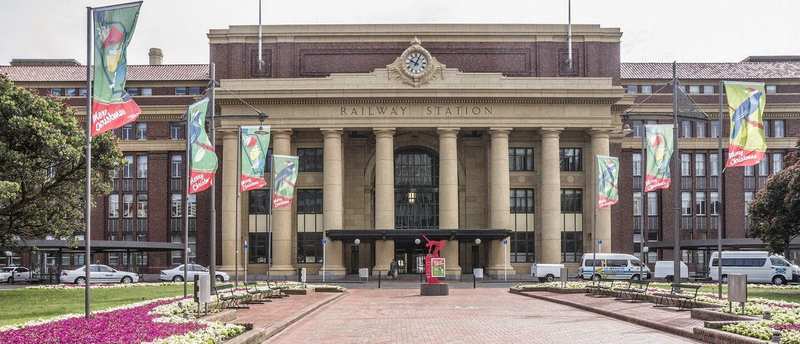
Wellington sits at the bottom of the North Island with the Remutaka Range to the east, the Kāpiti Coast to the north and the harbour at its feet, and each direction leads somewhere worth a day. Day trips from Wellington run from a ferry ride to a predator-free island in the middle of the harbour to wine villages over the hill, a lighthouse at the southern tip of the island, and a rail trail through old railway tunnels.
This covers eight of them, ordered with the car-free options first, because several of the best need nothing more than a train or ferry ticket. Distances are given as straight lines from central Wellington, so real travel will be longer.
Choosing a day trip
By transport: without a car, the Wairarapa train line from Wellington Station reaches Featherston and the towns beyond, the harbour ferry reaches Matiu/Somes Island and Days Bay, and the Kāpiti line reaches Paraparaumu for Kāpiti Island. With a car, Martinborough, Cape Palliser and the Remutaka Rail Trail open up.
By weather: the Wairarapa, over the Remutaka Range, is often warmer, drier and less windy than Wellington, so it is the obvious escape when the city is grey. Island trips, Kāpiti and Matiu/Somes, depend on calm seas and are cancelled in rough weather, so keep a backup plan.
Wellington Station at the northern end of Lambton Quay is the starting point for most car-free day trips. Trains on the Wairarapa line cross under the Remutaka Range to Featherston, Carterton and Masterton, and the Kāpiti line runs up the coast to Paraparaumu and beyond.
The Bluebridge ferry terminal is across the road, and the Hutt Valley line runs to Upper Hutt. Buy a Snapper card or a ticket before you board, and check timetables in advance, as weekend services on the longer lines are less frequent.
The eight day trips
1. Matiu/Somes Island by harbour ferry
Straight line: a few kilometres north-east of the city, in the middle of the harbour. Getting there: ferry from Queens Wharf, about 25 minutes. Car needed: no.
Matiu/Somes Island is the easiest day trip from Wellington and one of the best. It is a predator-free island managed by the Department of Conservation, and it is thick with birdlife, with tuatara, the ancient reptiles that survived the dinosaurs, living wild. A loop track takes about forty minutes and passes an old quarantine station, wartime gun emplacements and a lighthouse, with views all around the harbour.
Ferries run on set departures with set return times, so plan your day around the last sailing back. There are no shops, so take food and water, and leave pets at home. Biosecurity checks apply before landing: clean your shoes and check your bags for seeds and pests.
The same ferry continues to Days Bay on the eastern side of the harbour, with a sheltered beach, a park and cafes. Many people do both in one day.
2. Featherston by train
Straight line: 49.7 km north-east. Getting there: Wairarapa line from Wellington Station. Car needed: no.
Featherston is the first town over the Remutaka Range and the easiest Wairarapa town to reach by train. It is small, with heritage buildings, second-hand bookshops and old pubs, and it sits at the Wairarapa end of the Remutaka Rail Trail.
The Royal Hotel is one of only two hotels in New Zealand to display the Royal Coat of Arms, with a bar and restaurant in a grand old building. The Empire Hotel is a local pub with food, open until 11pm. The Katipo Op Shop is a good rummage on the main street.Featherston is also the natural end point for the Remutaka Rail Trail, trip five below.
3. Greytown
Straight line: 61.7 km north-east. Getting there: car, or the Wairarapa train to a nearby station plus a shuttle or taxi. Car needed: helpful.
Greytown is the prettiest of the Wairarapa towns, with a main street of restored wooden Victorian buildings, boutiques, cafes and a strong food scene. It is a town for wandering, eating and shopping slowly.
Schoc Chocolates has made handmade gourmet chocolate in Greytown since 2002. Cobblestones Heritage Village recreates life from the 1800s to the early 1900s in a set of historic buildings. The French Baker and Main Street Deli are the classic breakfast stops, and the Greytown Hotel, known as the Top Pub, has a garden bar for lunch. Juno Olives grows, picks and presses olive oil just out of town. For the full picture, things to do in Greytown fill a day comfortably, and where Greytown is explains the drive and the train options in detail.4. Martinborough wine village
Straight line: 57.7 km north-east. Getting there: car, or a guided tour from Wellington. Car needed: yes, or join a tour.
Martinborough is the heart of Wairarapa wine country and one of New Zealand's best-known pinot noir regions. The village is laid out around a square in the shape of a Union Jack, and a remarkable number of cellar doors sit within walking or cycling distance of it.
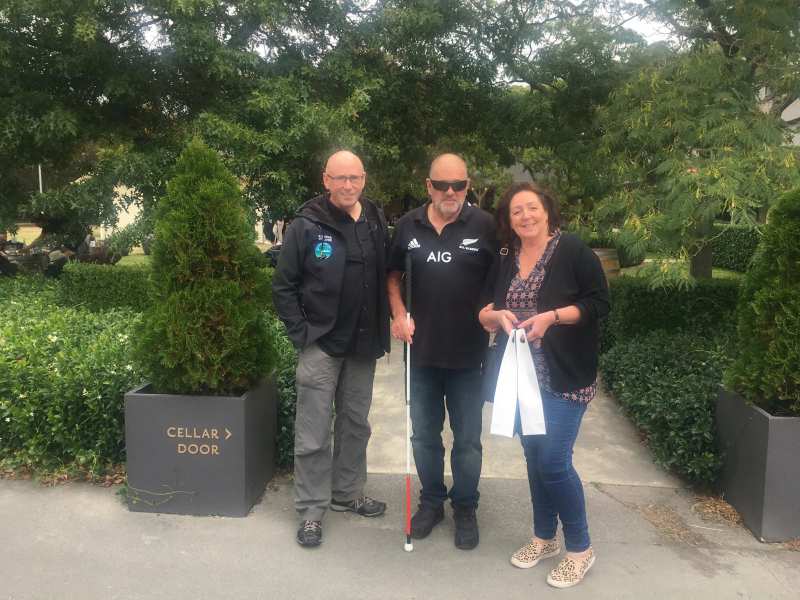
Ata Rangi is one of the pioneering vineyards of the region, with guided tastings in its Wine Room. Palliser Estate has a cellar door and kitchen. Martinborough Vineyard produces handcrafted wines, including its Home Block. Moy Hall pairs single-vineyard wines with seasonal food, and Poppies runs a cellar door with food.The village square is the centre of things, with the Martinborough Hotel, cafes, a wine centre and shops around it. Most cellar doors are open for tastings through the day, and many have food, so a gentle circuit of three or four with lunch in the middle is the classic way to spend the day. Some cellar doors charge a small tasting fee, which is sometimes waived if you buy a bottle.
Toast Martinborough, the wine and food festival held in mid-November, brings the vineyards together for one big day and sells out well in advance.
The best way to do Martinborough is by bike. Green Jersey hires bikes and runs cycle tours, and the flat roads between vineyards make it easy.
For dinner, Cool Change has retro booths and local food, and the Martinborough Hotel on the square is a Victorian boutique hotel with a formal restaurant.
Do not drive after tasting. New Zealand's drink-driving laws are strict and enforced. Designate a driver, take a tour, or stay the night.
5. The Remutaka Rail Trail
Getting there: car to either end, or the Wairarapa train to the Featherston end. Car needed: helpful, or arrange a shuttle.
The Remutaka Rail Trail follows the route of the old railway line over the Remutaka Range, which was replaced by the tunnel the trains use today. It runs from Kaitoke on the Wellington side to Cross Creek near Featherston, through historic railway tunnels, over bridges and past the remains of the old Fell engine operation at the summit. The gradient is gentle, as railway gradients are, which makes it one of the easiest and most rewarding bike rides in the region.
The full trail is around twenty kilometres from end to end, with the climb from both sides gentle enough for most riders on a standard bike. The highest point is the Summit, where there are toilets, shelter and information boards about the Fell railway, the unusual system of a central third rail that allowed trains to climb the steep incline. On the Wairarapa side, the trail passes through Siberia, a stretch notorious in railway days for winds that once blew a train off the tracks.
Take a torch or bike light for the tunnels, which are long and dark. Most people ride it one way with a shuttle back, or ride from Cross Creek to the summit and return. Bike hire is available at both ends and in the Wairarapa towns.
6. Cape Palliser and the seals
Getting there: car, via Martinborough. Car needed: yes.
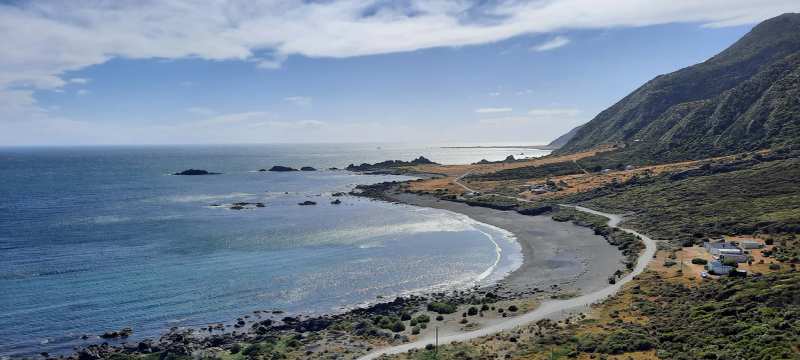
Cape Palliser is the southernmost point of the North Island, on a wild, remote stretch of coast south of Martinborough. The red-and-white striped lighthouse sits above the sea at the top of 253 steps, and the climb gives views along the coast and across Palliser Bay. Below it, New Zealand fur seals haul out on the rocks, and a colony here is one of the most accessible in the North Island. Keep at least 20 metres from them.
The road is sealed most of the way but narrow and winding, and the last stretch is gravel. At Ngawi, the fishing village on the way, bulldozers are used to launch the boats off the beach, a sight you will not see many other places.
The Putangirua Pinnacles, the eroded rock formations near the coast road, have had walking tracks closed after landslides. Check with the Department of Conservation for the current status before you plan around them.
This is a long day from Wellington. Combine it with Martinborough, or stay the night in the Wairarapa.
7. Kāpiti Island and the Kāpiti Coast
Getting there: Kāpiti train line to Paraparaumu, then to Paraparaumu Beach, then a licensed boat to the island. Car needed: no.
Kāpiti Island, off the coast north of Wellington, is one of New Zealand's most important predator-free nature reserves. Kākā, takahē, tīeke and other rare birds live here in numbers impossible on the mainland, and walking its tracks with birds all around is one of the great nature experiences in the country.
Access is controlled. Only licensed operators land visitors, numbers are limited and you must book ahead, and trips depend on sea conditions. Boats leave from Paraparaumu Beach. There is a steep track to the summit and gentler walks near the landing, and the day is long, so bring food, water and warm layers.
The Kāpiti Coast itself has long, open beaches and a relaxed pace, and makes a good backup if the boat is cancelled.
8. The Hutt Valley and Brewtown
Getting there: Hutt Valley train line from Wellington Station. Car needed: no.
The Hutt Valley runs north-east from the harbour through Lower Hutt and Upper Hutt, and it is easily reached by train. In Upper Hutt, Brewtown is a cluster of breweries and taprooms in one complex, including the home of Panhead, and makes a good afternoon for anyone who enjoyed Wellington's craft beer.
Further up the valley, Kaitoke Regional Park was used as a filming location for Rivendell in the Lord of the Rings films, and has river swimming holes and forest walks. In Lower Hutt, the Riverbank Market runs on Saturday mornings.
Closer to home: Petone by bike and the Hutt harbour edge
Te Ara Tupua, the shared walking and cycling path along the harbour edge between Wellington and Petone, opened in full in May 2026. It links the city waterfront with Petone and Lower Hutt along the water's edge, and it has turned a car-and-motorway journey into one of the region's best easy rides.
Petone has a long, flat beach facing back across the harbour to the city, and Jackson Street, its main street, is lined with cafes, pubs and independent shops. The Petone Settlers Museum on the Esplanade tells the story of the first New Zealand Company settlers who landed here in 1840. Ride out in the morning, have lunch on Jackson Street, and ride back along the water in the afternoon.
In Lower Hutt, The Dowse Art Museum is free and has changing exhibitions of contemporary art and design. The Riverbank Market runs on Saturday mornings by the river.
Porirua and the west
North of the city, Porirua is reached in minutes on the Kāpiti train line. Pātaka Art and Museum is free and focuses on Māori, Pacific and contemporary New Zealand art, and the harbour around Porirua has walking and cycling tracks along its edges. It is a short trip rather than a full day, and combines well with the Kāpiti Coast further up the line.
Further afield: Masterton and Pūkaha
At the end of the Wairarapa line, Masterton is the largest town in the Wairarapa. North of it, Pūkaha National Wildlife Centre is a forest reserve and breeding centre for native birds, and one of the best places in the country to see kiwi and other rare species up close. It is a long day from Wellington by car or train, and works best as part of a night or two in the Wairarapa.
Guided day tours from Wellington
If you would rather not drive, several small operators run guided day tours from Wellington. Zozo Travel offers scenic, winery, brewery and foodie tours around Wellington and out to the Wairarapa. Kaewa Tours runs private tours around Wellington, the Kāpiti Coast and the Wairarapa, focused on wine, food and craft beer.
A guided tour is the simplest way to do Martinborough's cellar doors, since nobody in the group needs to stay sober enough to drive. Book ahead in summer and around harvest.
Staying the night instead
Several of these trips work better with a night away, especially Martinborough and Cape Palliser, where a tasting day and a long drive do not mix.
In Martinborough, the Martinborough Hotel on the square is a restored Victorian building with a restaurant and bar serving local wines. Parehua has cottages in a vineyard setting, with a lake, an outdoor pool and a restaurant.
Pinot Villas offers self-contained villas in a garden setting, a short walk from the village.
Getting there without a car
The Wairarapa line runs from Wellington Station through the Remutaka tunnel to Featherston, Carterton and Masterton, with fewer services at weekends than on weekdays. Greytown and Martinborough have no train stations of their own, so check local shuttle and taxi options from the nearest station before you travel.
The East by West ferry runs from Queens Wharf to Matiu/Somes Island and Days Bay on a set timetable. The Kāpiti line runs from Wellington Station up the coast to Paraparaumu. The Hutt Valley line runs to Upper Hutt.
Always check current timetables, and check sailings on the morning of an island trip, as they depend on the weather.
Picking by season
Summer is the season for Matiu/Somes, Kāpiti and swimming at Days Bay, with long days and calmer seas. Autumn is harvest season in Martinborough and often has the most settled weather of the year. Winter is the time for Cape Palliser's seals, the Wairarapa's cosy pubs and a clear, cold day on the Rail Trail. Spring brings lambs, blossom and wind.
For more on how the Wairarapa's climate differs from the city's, the city's seasons and winds are worth a look.
If you are heading further, the ferry to Picton leaves from the same part of town as the Wairarapa trains, and for the nights in between, a central base in Wellington puts the station and Queens Wharf within walking distance.
Back in the city, Wellington's own walks and the city's museums and harbour fill the days you are not on the road.
Frequently asked questions
Published June 28, 2026