Ask anyone about the capital and the weather comes up within a minute. The Wellington weather reputation is mostly about one thing. The city is not especially cold, not especially wet and not especially hot. It is windy, famously and relentlessly, because it sits beside Cook Strait, the gap between the North and South Islands that funnels air between the Tasman Sea and the Pacific. Understanding the wind is most of what you need to know to enjoy the place.
This covers the numbers month by month, why the wind blows the way it does, what each season is actually like to visit, what to pack, and how to plan days around it. The figures are long-term averages from the 1991 to 2020 climate normals, so any given week can be quite different.
Wellington's climate in one paragraph
Wellington has a mild, oceanic climate. Summer days usually reach around 20 or 21 degrees and winter days around 12 or 13. Nights are mild, rarely falling much below 7 degrees in the city even in July. Annual rainfall is around 1,250 mm, spread across the year with a peak in winter, and the city gets about 2,060 hours of sunshine a year, a good figure by international standards. Average wind speeds run from about 23 to 28 kilometres an hour across the year, with gusts far higher.
Month by month
| Month | Min °C | Max °C | Sea °C | Sun hours per day |
|---|---|---|---|---|
| January | 15 | 20.9 | 17 | 8 |
| February | 15.2 | 21.2 | 18 | 7.5 |
| March | 14 | 19.6 | 17.5 | 6.5 |
| April | 11.9 | 17.2 | 16 | 5 |
| May | 10.5 | 15.4 | 15 | 4 |
| June | 8.5 | 13.2 | 13.5 | 3.5 |
| July | 7.5 | 12.4 | 13 | 3.5 |
| August | 8 | 12.9 | 12.5 | 4.5 |
| September | 9.3 | 14.3 | 12.5 | 5.5 |
| October | 10.4 | 15.7 | 13 | 6 |
| November | 11.8 | 17.4 | 14 | 7 |
| December | 13.9 | 19.6 | 15.5 | 7 |
February is the warmest month on average, both in the air and the sea. July is the coldest. January is the sunniest, with around eight hours of sunshine a day, and June and July the gloomiest, with around three and a half. June is usually the wettest month.
Why Wellington is so windy
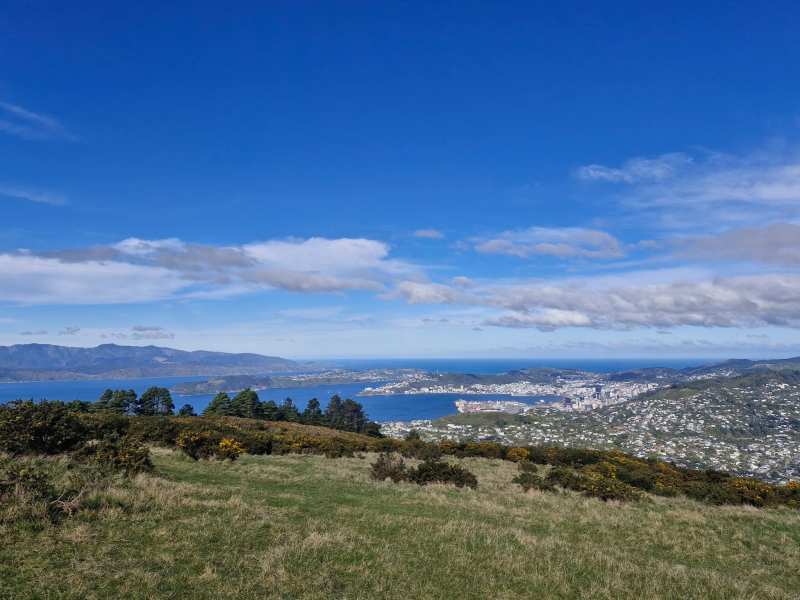
Look at a map and the reason is obvious. Cook Strait is a narrow gap between two mountainous islands, and the prevailing westerly winds that circle the Southern Ocean are squeezed through it. Air speeds up as it is forced through a gap, and Wellington sits right at the gap's northern mouth.
The hills around the city add their own effects. They funnel wind through the valleys and harbour, so the central city often feels windier than the open coast a few kilometres away, and gusts accelerate around tall buildings on Lambton Quay and along the waterfront.
The result is that Wellington is often described as the windiest city in the world, with frequent days of strong wind and the occasional gale that stops ferries, disrupts flights and turns umbrellas into modern art.
Northerlies and southerlies
Almost all of Wellington's wind comes from two directions, north and south, because of the way the strait and the hills channel it.
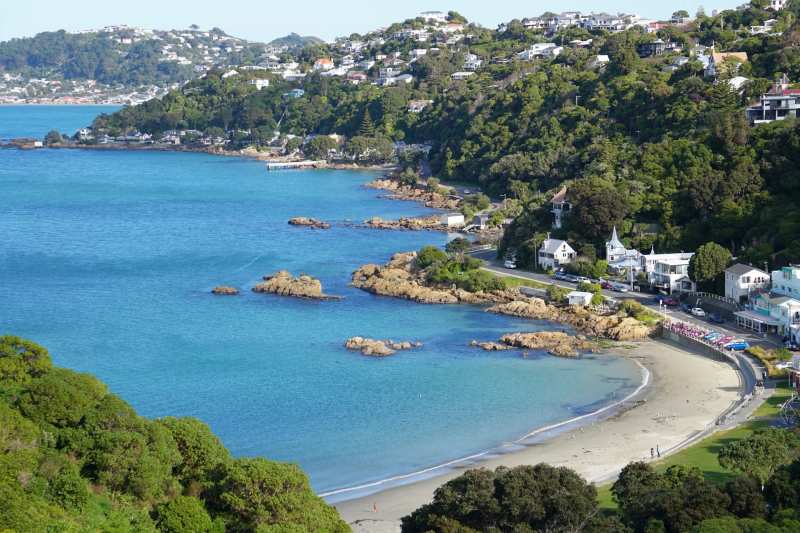
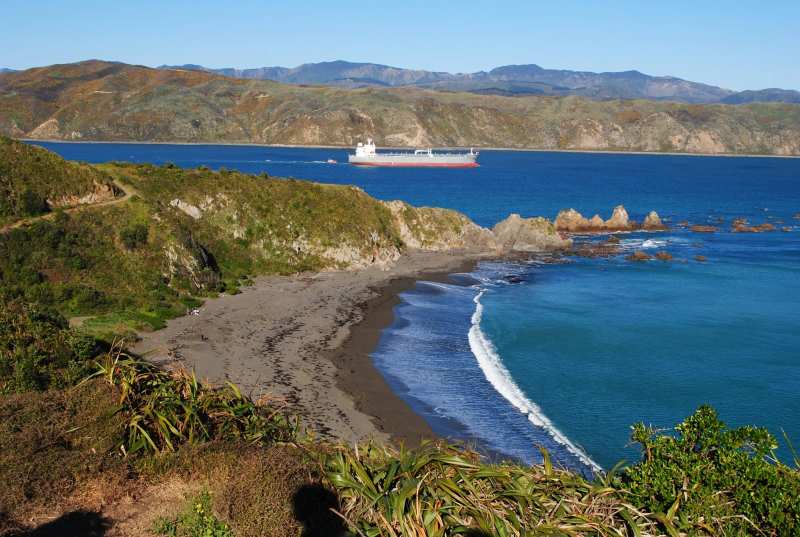
A northerly is the most common wind. It is often warm, sometimes dry, and can be strong and gusty in the central city and on the western hills. On a northerly day, the south coast is often calmer and more pleasant, and Scorching Bay on the Miramar Peninsula is sheltered.
A southerly comes from the Southern Ocean. It brings colder air, often rain, and sometimes big swells on the south coast. Southerlies can arrive quickly, turning a warm afternoon into a cold, wet evening within the hour. On a southerly day, the harbour-side beaches and the sheltered bush walks are the better bet.
Locals talk about the wind direction the way people elsewhere talk about temperature. Listen to the forecast for "northerly" or "southerly" rather than just the numbers.
What each month is like
January is peak summer holidays, with long evenings, the warmest air of the year and the busiest beaches. The city's free Summer City programme runs outdoor events, and most locals are away on holiday early in the month, which leaves the city quieter than you might expect.
February is the warmest month on average, and the sea is at its best for swimming. NZ Fringe fills small venues with shows, and the weather is often settled. It is the easiest month to recommend.
March brings CubaDupa and the Newtown Festival, still-warm sea and the start of autumn's calmer spells. It is one of the best months for walking and for sitting outside in the evening.
April often has the stillest, clearest weather of the year, with daytime highs around 17 degrees. School holidays bring families into the city, and the light is soft and golden in the late afternoon.
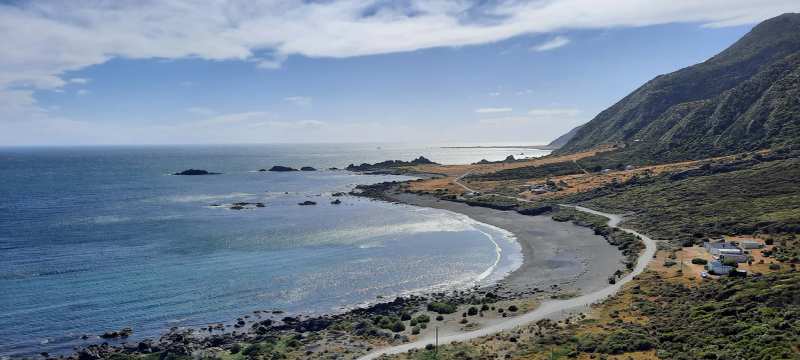
May is cooler and shorter, with highs around 15 degrees and the first real winter storms. The fur seals begin to arrive at Red Rocks, and the indoor attractions start to earn their keep.
June is the wettest month and one of the darkest, with only about three and a half hours of sunshine a day. It is also Matariki season and the Wellington Jazz Festival, which keep the city lively after dark.
July is the coldest month, with highs around 12 degrees and lows around 7. School holidays fill Te Papa and the zoo. Between storms, July can bring crisp, still, bright days that are among the best of the year for photographs.
August is Visa Wellington On a Plate and Beervana, and the city is at its busiest for food and drink. The weather is still wintry, with highs around 13 degrees, but the days are lengthening.
September is the start of spring and the windiest part of the year. Tulips appear in the Botanic Garden, and the World of WearableArt show begins towards the end of the month.
October is windy and changeable, with highs around 16 degrees. The WOW season continues, and a still day in October can feel like summer arriving early.
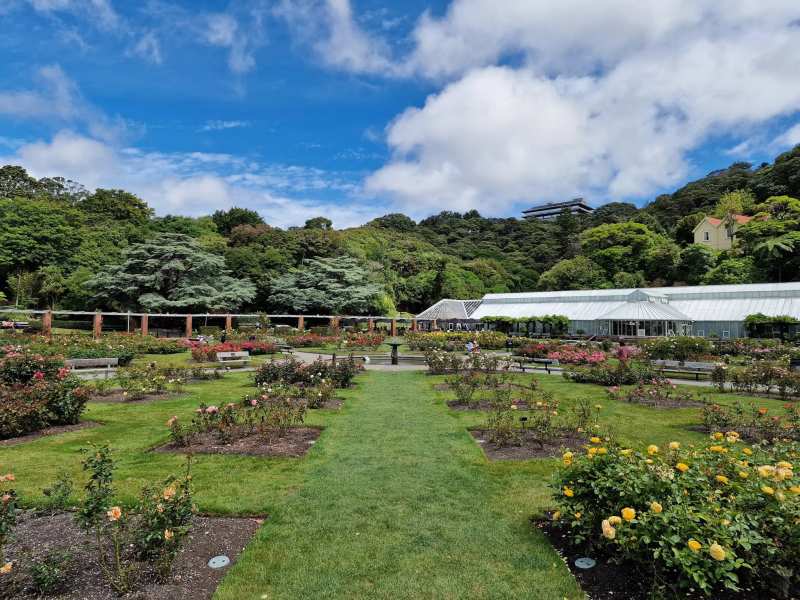
November brings the roses in the Botanic Garden, highs around 17 degrees and longer evenings. Toast Martinborough draws a crowd over the hill in the middle of the month.
December is early summer, with highs close to 20 degrees, long evenings and the lead-up to Christmas. The beaches start to fill, and the city begins to wind down for the holidays.
What the numbers do not tell you
The averages in the table make Wellington look mild and even, and in terms of temperature it is. What they miss is how the wind changes the way the temperature feels. A 15-degree day with a strong southerly feels far colder than the number suggests, and a 20-degree day with no wind feels genuinely warm. Wind chill is the real temperature in Wellington.
The averages also hide how quickly things change. It is common for a single day to bring sunshine, wind, a squall and sunshine again. Locals joke about four seasons in a day, and they mean it. Plan flexibly, and when the weather is good, do the outdoor thing immediately.
Finally, the city has microclimates. The central city, the western hills, the south coast and the eastern bays can have quite different weather at the same moment, depending on the wind direction. If it is miserable where you are, it may well be fine twenty minutes away.
Summer: December to February
Summer is Wellington at its best more often than not: long days, sunshine, the warmest sea of the year and the city living outdoors. Daytime highs sit around 20 or 21 degrees, and the sea reaches 17 or 18 degrees by February.
Even in summer, pack a jacket. A southerly change can drop the temperature by ten degrees in an afternoon, and evenings by the water are cool.
Autumn: March to May
Autumn is the local favourite. March and April often bring the most settled weather of the year, with calm, clear days, warm sea and soft light. The crowds thin, prices ease, and the walking is excellent.
By May the days are shorter and cooler, with highs around 15 degrees, and the first winter storms start to appear.
Winter: June to August
Winter is mild by most standards, with daytime highs around 12 or 13 degrees and average overnight lows of about 7 or 8 degrees in the city. Snow in central Wellington is rare. It is, though, the wettest and greyest season, with June the wettest month and only about three and a half hours of sunshine a day.
Winter is also the best season for the fur seals at Red Rocks, which gather at Sinclair Head from about May to October.
Spring: September to November
Spring is the windiest season on average, with frequent strong northerlies and changeable weather. Temperatures climb slowly, from highs of about 14 degrees in September to 17 degrees by November.
What to pack
Whatever the season, the essentials are the same: layers, a proper windproof and waterproof jacket, and comfortable shoes with grip for the hills. Add a warm hat and gloves in winter, and a sun hat, sunglasses and sunscreen in summer. The sun in New Zealand is strong, and a cool breeze makes it easy to get burned without noticing.
Leave the umbrella at home. The wind destroys them, and Wellingtonians gave up on them long ago. A hooded jacket does the job better.
Planning days around the weather
The single best habit in Wellington is to check the forecast, especially the wind direction, each morning, and be ready to swap your plans.
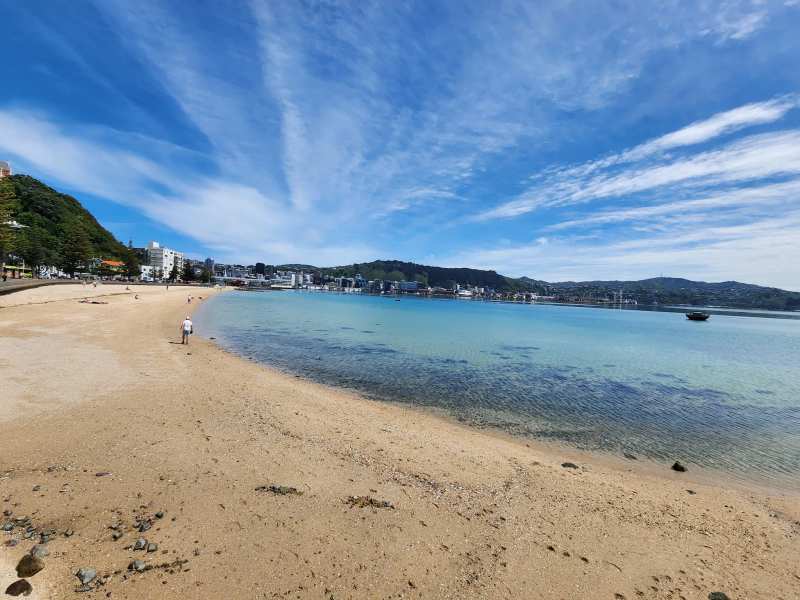
On a fine, still day, do the outdoor things: the Mount Victoria lookout, the walk from Queens Wharf to Oriental Bay, a swim at Scorching Bay, the ridge walks or a ferry to Matiu/Somes Island. Do not save them for later in the trip. Wellington's good days rarely wait.
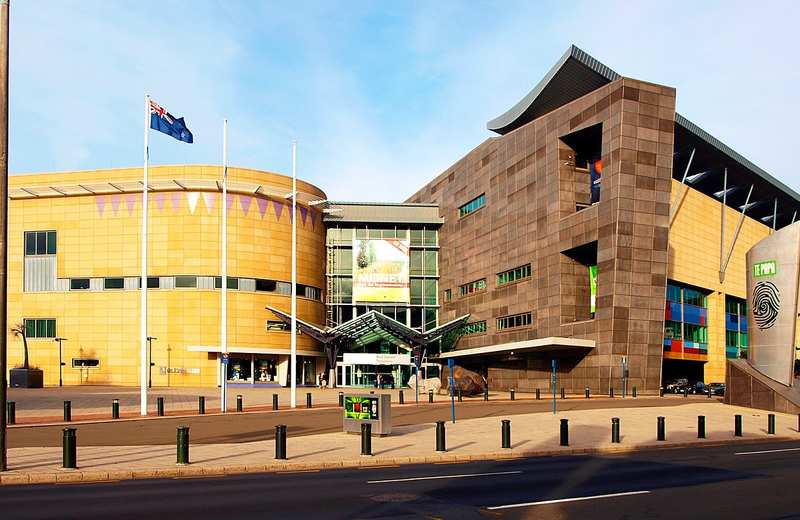
On a wild day, go indoors: Te Papa, Wellington Museum, the galleries, the cafes, the craft beer taprooms or a film at the Embassy. On a southerly day, head for the sheltered bush of Otari-Wilton's Bush or Zealandia. On a northerly day, head for the south coast.
Ferries, flights and the weather
Strong winds and big swells in Cook Strait sometimes delay or cancel Interislander and Bluebridge sailings, and gales can disrupt flights at Wellington Airport, whose approach is exposed to the strait. If you are travelling in or out on a stormy day, check your sailing or flight before leaving for the terminal, and leave some slack in your plans. The Picton ferry publishes sailing conditions for the crossing.
Warmer over the hill
If Wellington is grey and blowing, it is often better over the Remutaka Range. The Wairarapa, sheltered by the hills, is frequently warmer, drier and calmer than the city, which makes it the natural escape on a bad day. Greytown's weather tells the Wairarapa side of the story, and day trips over the hill make the most of it.
When to visit
For the best chance of warm, settled weather, come between late January and April. For the fewest crowds and the lowest prices, come in winter, and plan around indoor attractions. For events, time your visit to the festival you want: Wellington On a Plate in August, the World of WearableArt show from late September into October, or CubaDupa in March.
Whenever you come, the city's best days will be the still, clear ones, and the things to do in Wellington are easiest to plan with one eye on the sky.
For the walks most exposed to the wind, Wellington's walking tracks are graded for exposure, and the beaches sort themselves by wind direction.
When it comes to where to stay, a central base makes it easy to switch between indoor and outdoor plans at short notice.
Frequently asked questions
Published June 21, 2026