Wellington is one of the best cities in New Zealand for second-hand shopping, and it has been for decades. Wellington op shops, vintage stores and designer consignment boutiques are packed into a few streets of Te Aro and along Riddiford Street in Newtown, with a few worth the bus ride further out. The city's students, public servants, artists and its general fondness for doing things differently all feed the racks.
This covers the three main clusters, the Vivian and Cuba loop in Te Aro, Newtown, and the Tip Shop out at the landfill, with what each shop is best for, what it costs and how to string them together into an afternoon.
Op shop, vintage or consignment?
Three kinds of second-hand shop overlap in Wellington, and knowing the difference saves time.
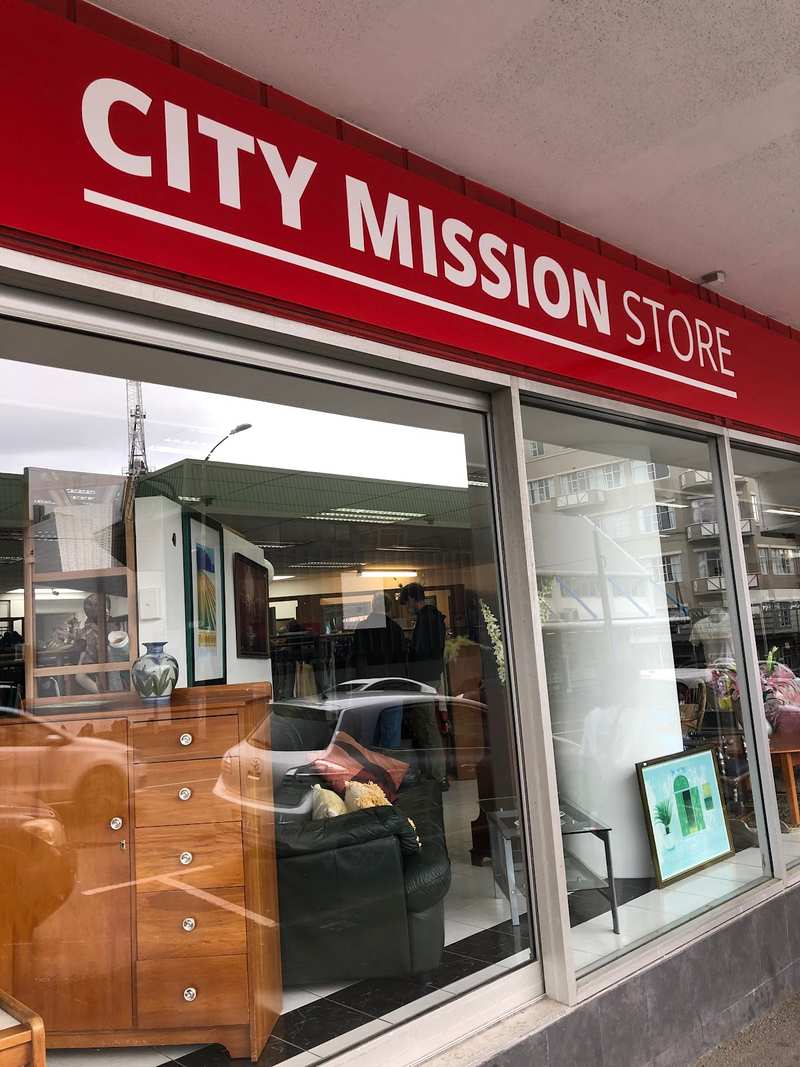
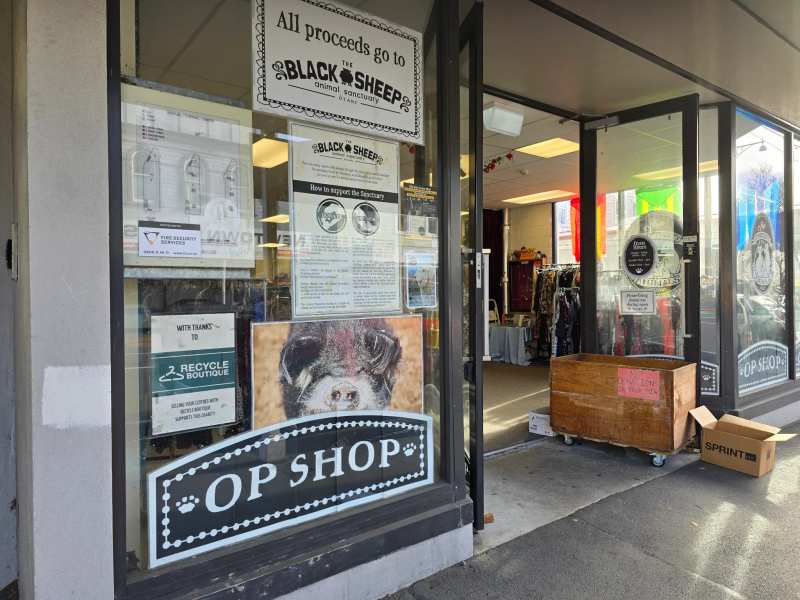
Op shops, short for opportunity shops, are charity stores selling donated goods to raise money for a cause: the City Mission, the Salvation Army, the Red Cross, the St Vincent de Paul Society and Mary Potter Hospice among them. Prices are low, stock is random, and the thrill is the hunt.
Vintage shops are curated. Someone has chosen every piece, usually for its age, style or brand, and prices reflect that. Consignment boutiques sell second-hand designer and current-label clothing on behalf of their owners, at a fraction of the new price.
A good afternoon in Wellington mixes all three.
Best op shop for...
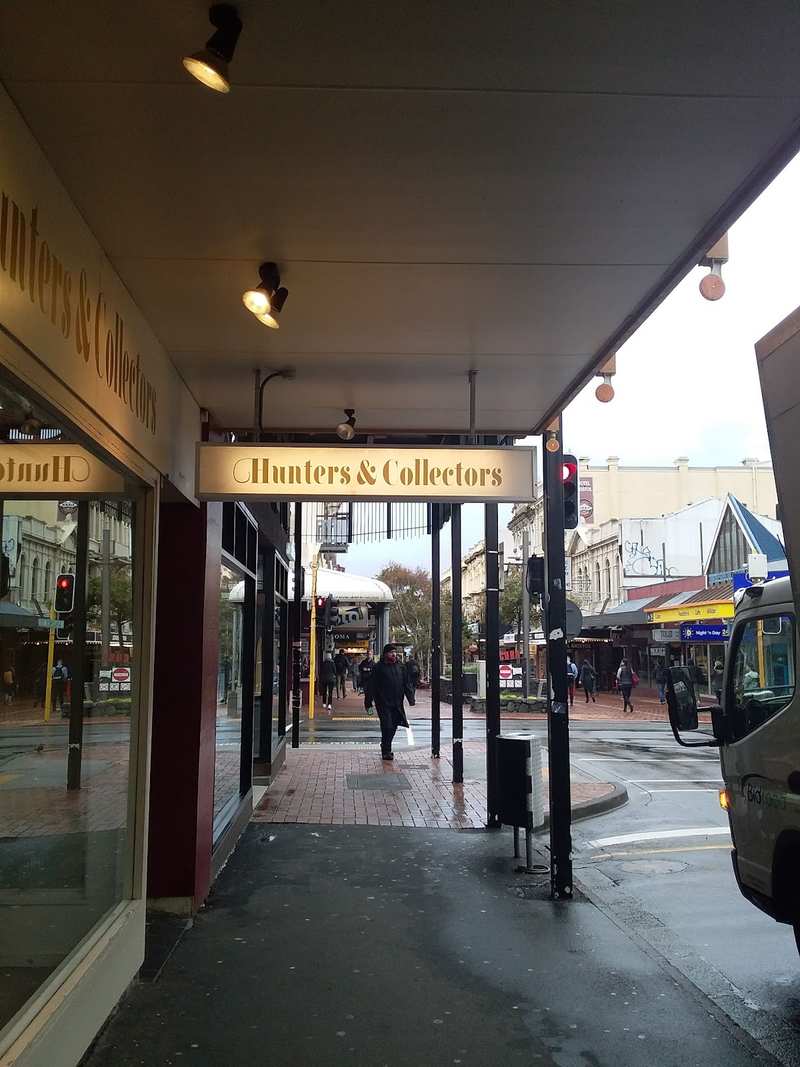
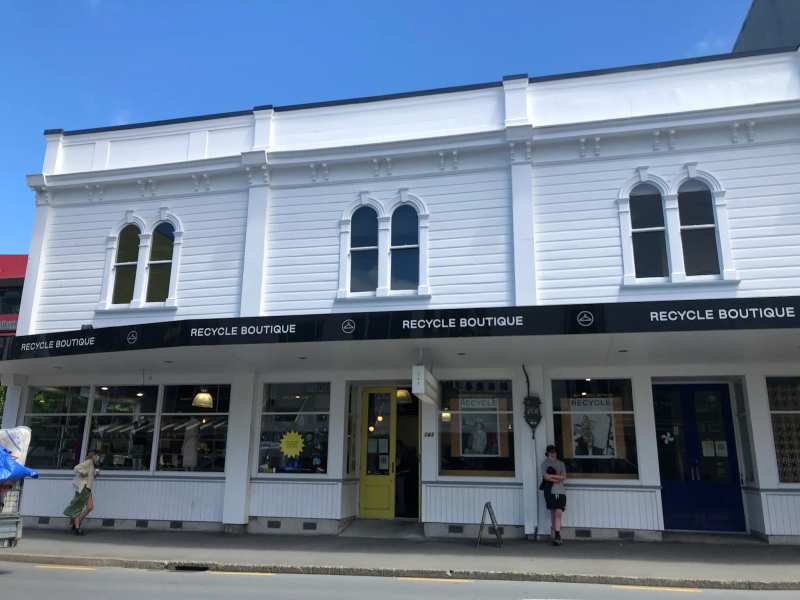
Designer labels at second-hand prices: Recycle Boutique and Honour on Vivian Street. Serious vintage: Hunters and Collectors and Spacesuit on Cuba Street. Women's vintage on a Sunday: Paper Bag Princess. The cheapest racks in the city centre: the City Mission Store and the Salvation Army on Taranaki Street. Furniture and homewares: Add+Vintage for curated pieces, the Salvation Army in Kaiwharawhara and the Red Cross on Adelaide Road for bargains. Bikes, tools, building materials and the truly strange: the Tip Shop. A relaxed afternoon with lunch: Newtown's Riddiford Street.
The Te Aro loop: Vivian, Cuba and Victoria Streets
The densest cluster of second-hand shopping in the city sits within a few blocks of the Cuba Street mall. You can walk the whole loop in under an hour, though you will not.
Honour at 152 Vivian Street, a few doors along, curates pre-loved designer womenswear, with a sharper, smaller edit. Across on Victoria Street, Preloved Charlie's at 120 has a collection of pre-loved and vintage clothing with new stock arriving often. Spacesuit at 164 Cuba Street specialises in premium Y2K and alternative vintage. Paper Bag Princess at 209 Cuba is an institution for women's vintage and, usefully, open on Sundays. The Mary Potter Hospice Shop at 264 Cuba, at the top of the street, is a charity op shop with low prices and fast turnover.Off Cuba, Dirty Laundry on Garrett Street is a small clothing store worth ducking into, and Add+Vintage on Marion Street sells vintage and industrial homewares, furniture and objects rather than clothes.
For everything else on the street, from coffee to dinner, the rest of Cuba rewards a slow afternoon.
Taranaki Street's charity stores
A short walk from Cuba Street, Taranaki Street has two of the city's biggest charity stores.
The Salvation Army Family Clothing Store at 224 Taranaki Street, further up, is clothing-focused and has a steady flow of donations. Nearby on Adelaide Road in Mount Cook, the Red Cross Shop sells pre-loved and new clothing, homewares and furniture.
Newtown: Riddiford Street
Newtown, a short bus ride south of the city, has its own run of op shops along Riddiford Street, with lower prices and a more local crowd than Te Aro.
Aunty Dana's Op Shop at 130 Riddiford Street sells boutique-quality donated clothing, and raises money and provides retail training through its work. Vinnies at 207 Riddiford and the Salvation Army Family Store at 223 Riddiford sit at the southern end of the street.The Newtown vintage, art and craft market on Mein Street adds another layer on the days it runs, and Newtown's cheap restaurants make it easy to turn an afternoon of op shopping into dinner.
The Tip Shop
The Tip Shop is on the south coast near the start of the Red Rocks walk, so it pairs well with a morning at Owhiro Bay.
Further afield
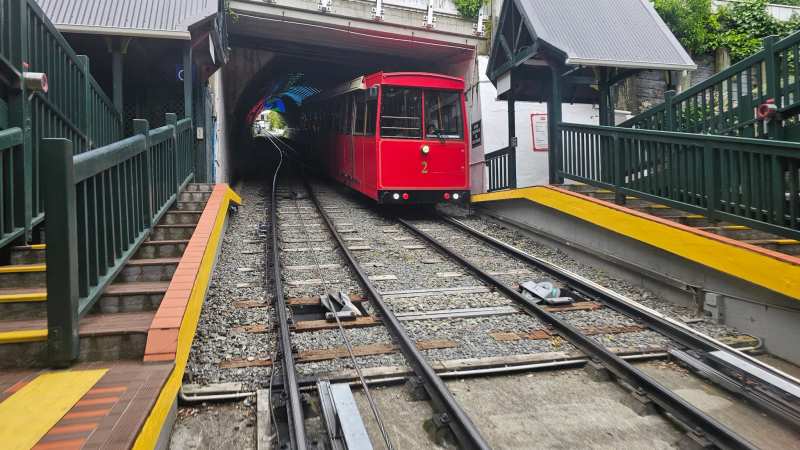
A few op shops outside the central clusters are worth knowing if you are nearby. Vinnies Kelburn on Upland Road sits in the village at the top of the cable car.
The Mary Potter Hospice Shop on Thorndon Quay and the Miramar Mary Potter shop on Park Road both support palliative care.
The Salvation Army store in Kaiwharawhara handles furniture and household goods, and the Johnsonville Salvation Army store serves the northern suburbs.
Why Wellington is so good for second-hand
Part of it is history. Cuba Street's cheap rents in the late twentieth century drew second-hand dealers, artists and musicians, and the vintage trade that grew up there never left. Part of it is the population: a large student body, a big public service with a taste for good wool coats, and a creative community that dresses to be noticed.
And part of it is the weather. Wellington has a lot of cold, windy days, which means a steady supply of good-quality coats, knitwear and boots moving through the racks. Winter is a great time to shop for all three.
What things cost
Prices vary widely by type of shop. In the charity op shops, most clothing is a few dollars to the low tens, with better pieces priced a little higher and furniture priced by size. In consignment boutiques, designer pieces sell for a fraction of their original price, but still into the tens or low hundreds for the best labels. Curated vintage sits in between, and depends entirely on rarity and condition.
Some charity stores run regular sale days or discount particular stock each week, so it is worth asking at the counter.
Homewares, books and records
Wellington's second-hand scene is not only clothes. Add+Vintage on Marion Street specialises in vintage and industrial homewares and furniture. The bigger charity stores, the City Mission, the Salvation Army stores and the Red Cross on Adelaide Road, all carry homewares, crockery, books and small furniture, and the Salvation Army store in Kaiwharawhara concentrates on furniture and household goods.
For books and records, Cuba Street's second-hand bookshops and record shops sit between the vintage stores, and the charity shops usually have a book section priced to clear. The Tip Shop's shelves are worth a look for anyone after something odd.
Selling and swapping
If you are staying longer, or clearing a wardrobe before you leave, consignment stores like Recycle Boutique take clothes to sell on your behalf and pay you a share when they sell. Check each store's current consignment terms and the labels they accept before you bring in a bag. Charity stores take donations of clean, saleable goods during opening hours.
A second-hand afternoon, planned
On a first trip, this loop covers the best of the central city in about three hours.
Start at Recycle Boutique on Vivian Street, then Honour a few doors along. Cross to Victoria Street for Preloved Charlie's. Walk up to Cuba Street for Hunters and Collectors and Spacesuit, then up to Paper Bag Princess and the Mary Potter shop at the top of the street. Stop for coffee somewhere on upper Cuba. Finish with a detour to the City Mission Store on Taranaki Street if you still have room in your bag.
Newtown is best as a separate trip: take the bus to Riddiford Street, work south from Aunty Dana's to Vinnies, and finish with lunch.
Children's clothes and baby gear
Op shops are one of the best places in the city to buy children's clothes, which are outgrown long before they are worn out. The bigger charity stores, the City Mission, the Salvation Army and the Red Cross, all have children's sections, and Newtown's shops on Riddiford Street are good for baby clothes, toys and books.
For travelling families, a quick op shop run is also the cheapest way to pick up an extra warm layer, a hat or a rain jacket when Wellington's weather turns out colder than the packing list assumed.
Getting between the clusters
The Te Aro loop is entirely walkable, flat and compact, from Vivian Street to the top of Cuba Street and across to Taranaki Street. Newtown is about three kilometres south of the city along Adelaide Road and Riddiford Street. Buses run there frequently from Courtenay Place and the city, and the walk takes about forty minutes if the weather is kind.
The Tip Shop at the Southern Landfill is the one that really needs a car, both to get there and to get anything large home. Kelburn's Vinnies is at the top of the cable car, an easy add-on to a visit to the Botanic Garden.
What to look for in Wellington
A few things turn up in Wellington's racks more often than elsewhere. Wool coats, merino knitwear and good boots, thanks to the climate. New Zealand designer labels, thanks to a city that buys them new. Office wear, from the public service. And from Cuba Street's long history as the city's creative centre, costume pieces and statement clothing that would not survive five minutes in a more conservative town.
Check wool and merino carefully for moth holes, try on boots, and look at the care labels. The best finds are usually hiding in the middle of an overstuffed rack, not at eye level.
Tips for op shopping in Wellington
Go early in the week. Many shops restock after weekend donations, and the best pieces go quickly. Saturday is the busiest day in Te Aro.
Most op shops take cards, but a few smaller ones prefer cash for small purchases. Fitting rooms are usually available in the bigger shops. Bring a bag: plastic bags are not free in New Zealand, and many shops no longer offer them.
If you are donating, the big charity stores accept drop-offs during opening hours. Clean, saleable clothes and homewares are welcome; broken items are not.
For a Sunday, Paper Bag Princess is open on Cuba Street, and the craft and farmers markets add another source of vintage and handmade finds. Second-hand shopping is one of the best cheap things to do in Wellington, as long as you keep the browsing free and the buying modest.
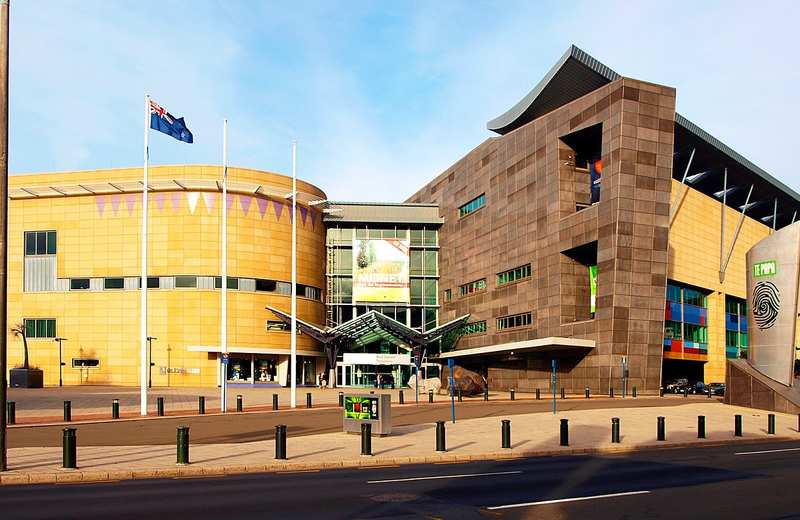
For the rest of the day, Te Papa, the cable car and the waterfront are a few blocks from Cuba Street.
Frequently asked questions
Published July 12, 2026