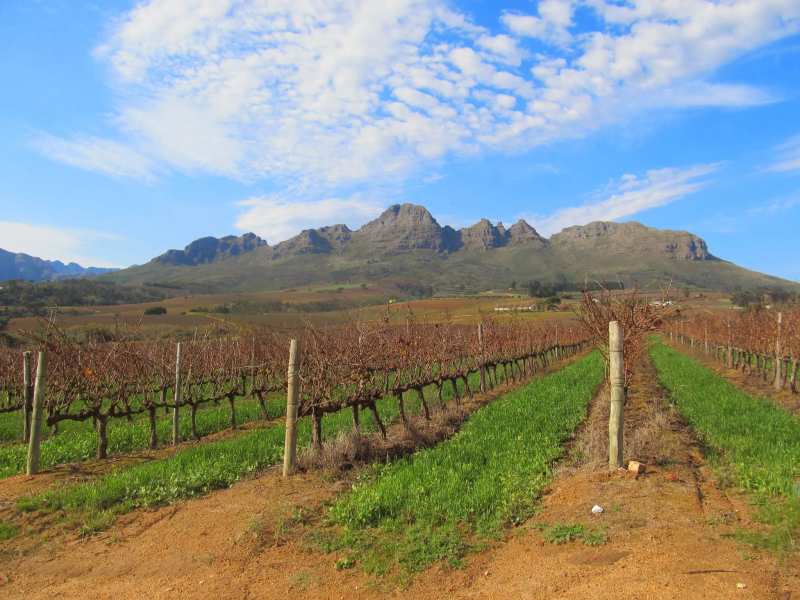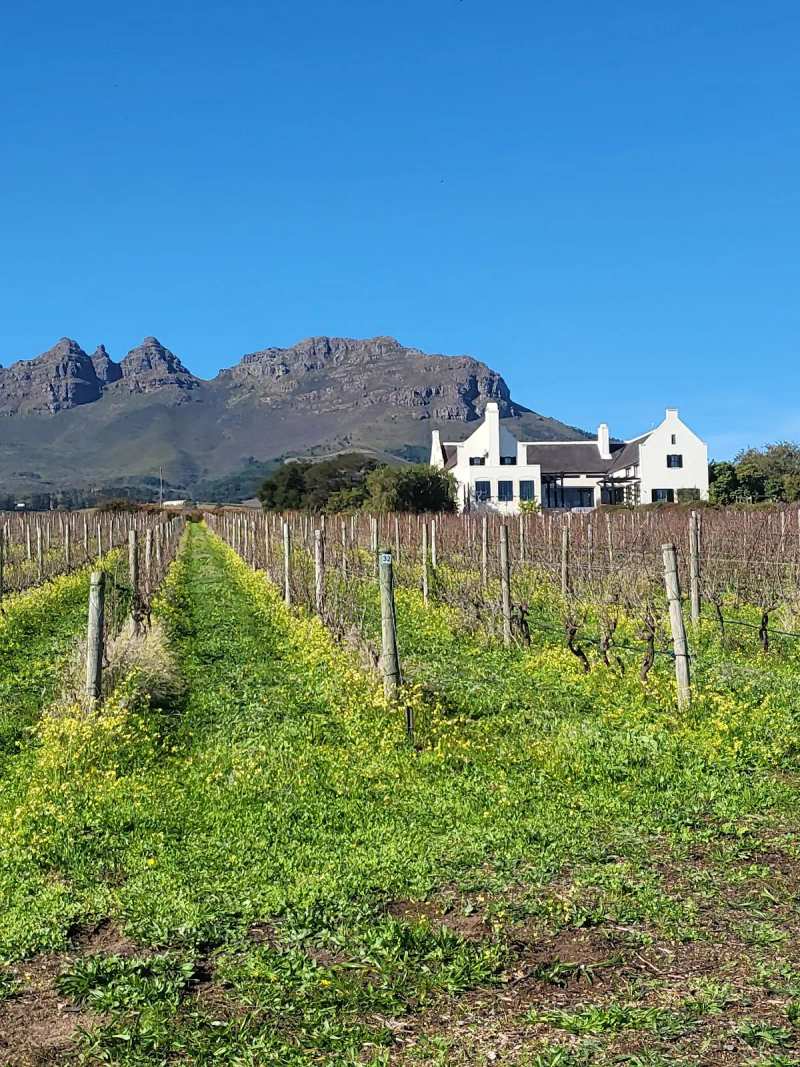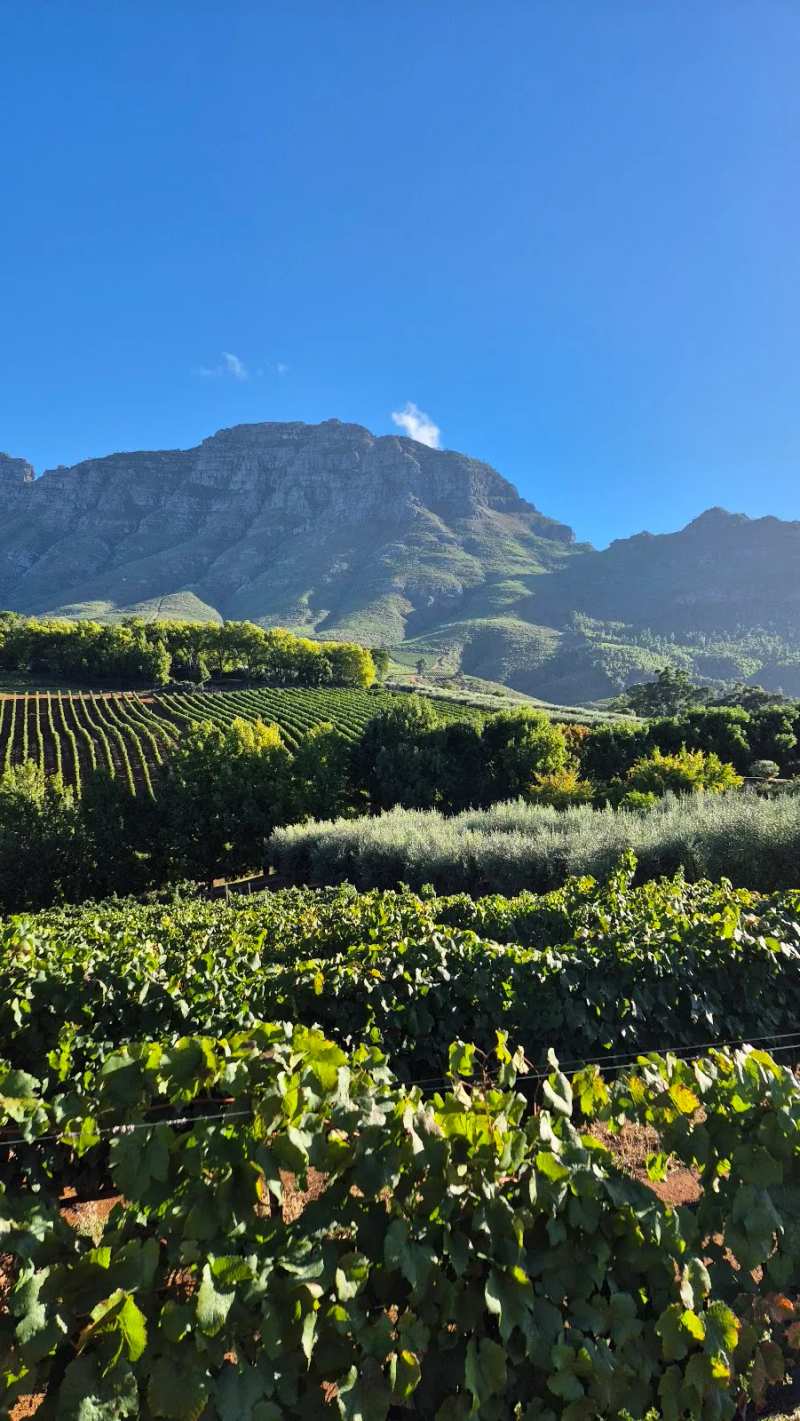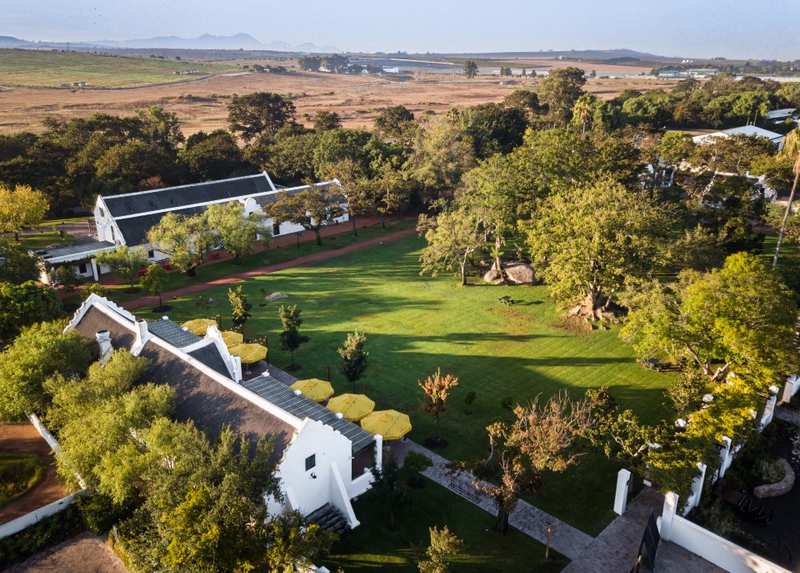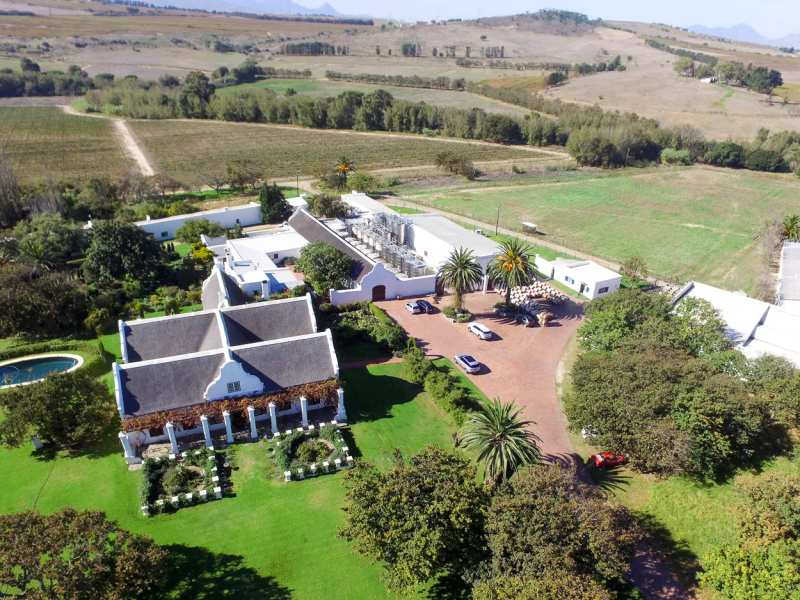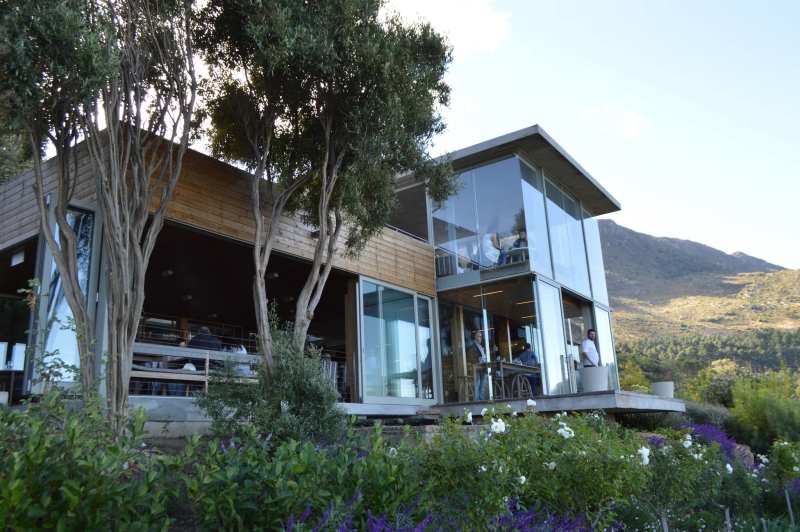
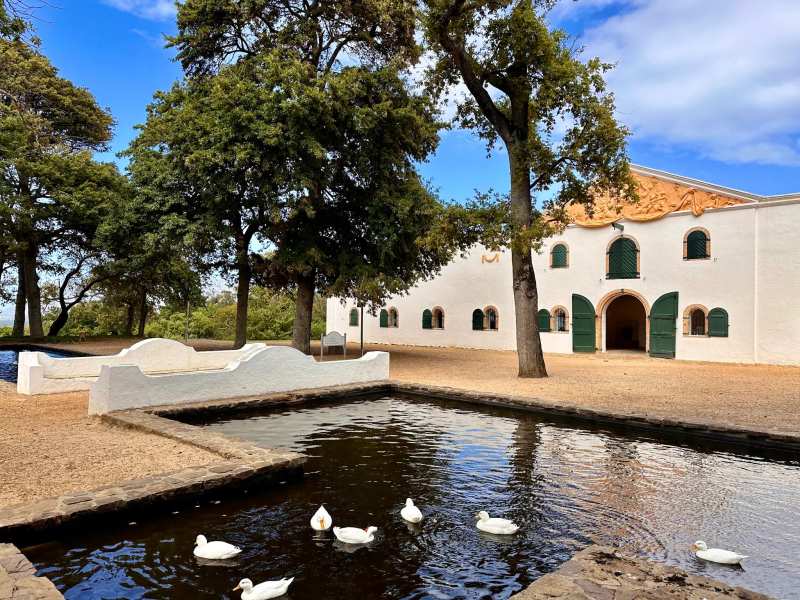
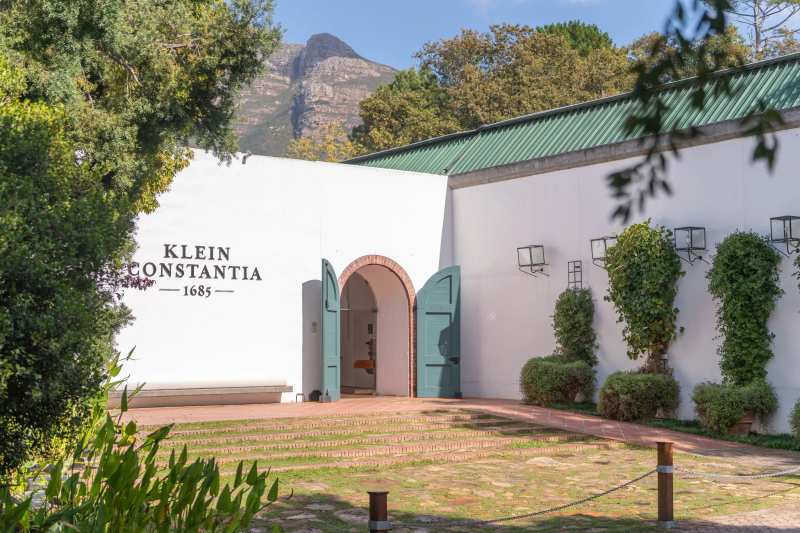
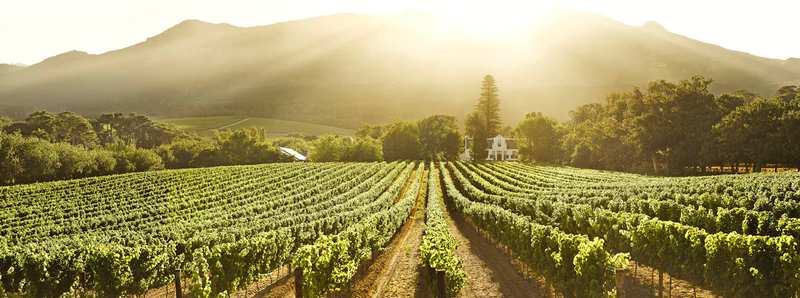
Constantia is where the Cape's great wine estates began. In 1685 Governor Simon van der Stel was granted land on the slopes behind what is now Cape Town, and within a century the sweet wine made here was being poured for European royalty. Today the Constantia wine farms sit in a leafy suburb about 10 to 17 km from the city centre in a straight line, close enough for an afternoon and old enough to make every tasting feel like a history lesson.
This guide follows the valley in the order you would drive it, from the farms high on Constantia Nek down past Groot Constantia, Klein Constantia and Buitenverwachting to Constantia Uitsig and Steenberg at the southern end. It covers what each farm pours, where to eat, which farms suit families, and how to see the valley without a car.
The Constantia Valley
The Constantia Valley runs along the south-eastern slopes of the Table Mountain range, inside the City of Cape Town. It is a small wine ward, with around 400 hectares of vineyards, and part of the Wine of Origin district Cape Town alongside Durbanville, Philadelphia and Hout Bay. False Bay is close, and the cool breeze off the bay is part of what makes the wines here distinctive.
Nine estates belong to the official Constantia Wine Route: Groot Constantia, Klein Constantia, Buitenverwachting, Steenberg, Constantia Glen, Constantia Uitsig, Beau Constantia, Silvermist and Eagles' Nest. Eagles' Nest closed to visitors in 2023, which leaves eight to visit, strung out over about 7 km from the top of Constantia Nek to Steenberg.
A short history
Van der Stel's Constantia was the first great wine estate at the Cape. By 1691 he had 10,000 vines planted, and when the first small cask was shipped to the Dutch East India Company's headquarters in Batavia in 1692, the verdict was that it was far better than any Cape wine sent so far. In 1705 a visiting naturalist described its wine as the choicest at the Cape, and by 1709 the farm had 70,000 vines. After the governor's death the estate was divided in 1712 into Groot Constantia, Klein Constantia and Bergvliet, and later subdivisions created more farms, which is why so many names in the valley still carry the word Constantia. In 1778 Hendrik Cloete bought the neglected Groot Constantia section and restored it, and the family added the Cloete Cellar in 1791 and held the farm for five generations, until 1885. Under the Cloetes the valley's sweet wine, made mostly from Muscat grapes, became one of the most famous wines in Europe.
The wealth of the old estates rested on the labour of enslaved people, and after emancipation many of them moved away from the farms where they had worked. From the mid-1800s until the 1960s Constantia remained a rural area of wine estates where most residents were Khoi, Cape Malay, San and coloured families.
The wine Europe fell for
Constantia's sweet wine was bought by royalty across Europe. Frederick the Great of Prussia and Louis Philippe of France bought it at auction, and by 1782 Louis XVI had more Constantia than Burgundy in his cellar at Versailles. Napoleon drank it in exile on St Helena, where shipments were sent from the Cape, and it was said to be the one thing he would accept on his deathbed.
Writers loved it too. In Jane Austen's Sense and Sensibility, published in 1811, Mrs Jennings recommends the finest old Constantia wine for a disappointed heart. Charles Dickens has a character take a glass of Constantia with a home-made biscuit in The Mystery of Edwin Drood, and Baudelaire compared a lover's lips to Constantia wine in Les Fleurs du Mal.
Production of the famous wine stopped in the late 1800s, brought down by vine diseases, labour shortages and farm bankruptcies, and the Cloetes moved away.
The sweet-wine tradition then lay dormant for almost a hundred years. In 1986 Klein Constantia made two experimental barrels of a new Vin de Constance, released in 1990, and the revival brought Constantia back into the international fine-wine conversation. Today three farms make a modern version of the old dessert wine: Vin de Constance at Klein Constantia since 1986, Grand Constance at Groot Constantia since 2003, and 1769 at Buitenverwachting since 2007.
What Constantia pours
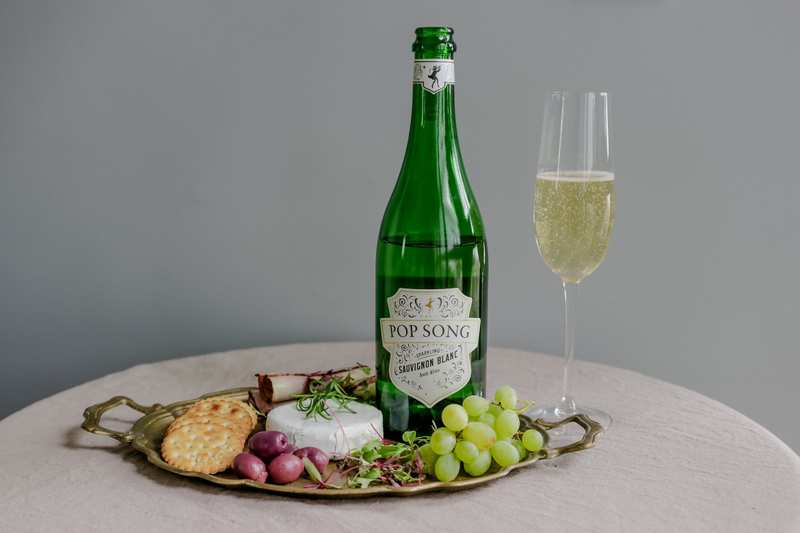
The valley's modern reputation rests on three styles. Sauvignon Blanc is the best known, made in a fresh, cool-climate style shaped by the sea breezes. The valley was once known almost entirely for its sweet wine, but Sauvignon Blanc is now the style most visitors come to taste. Bordeaux-style reds, built on Cabernet Sauvignon and Merlot, are the second pillar. And the sweet wine, made from Muscat grapes, is the valley's historic calling card, now made again at Groot Constantia and Klein Constantia.
Taste at least one of each across the day. A Sauvignon Blanc at the top of the valley, a red blend at Groot Constantia and a small glass of the sweet wine at Klein Constantia give you the whole story of Constantia in three glasses.
The sweet-wine trail
The most rewarding way to taste Constantia's history is to try all three modern sweet wines in one day. Vin de Constance at Klein Constantia, Grand Constance at Groot Constantia and 1769 at Buitenverwachting are each a homage to the original recipe, and the three farms are within about 1.5 km of each other in the middle of the valley.
The original wine was not fortified. It was made mostly from Muscat de Frontignan, the grape also known as Muscat Blanc à Petits Grains, with some Pontac, red and white Muscadel and a little Chenin Blanc. Taste the three modern versions side by side and you will see how differently each farm has read that old recipe. They are rich wines, so ask for a small pour at each.
Constantia Nek: Beau Constantia, Constantia Glen and Silvermist
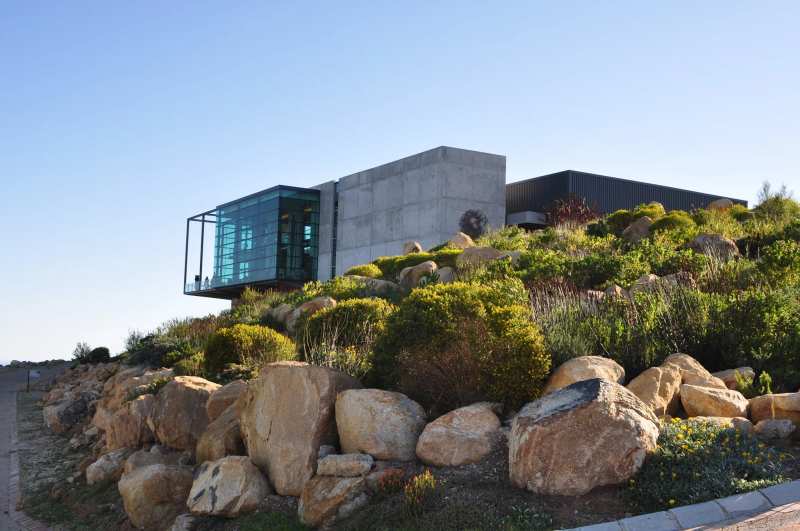
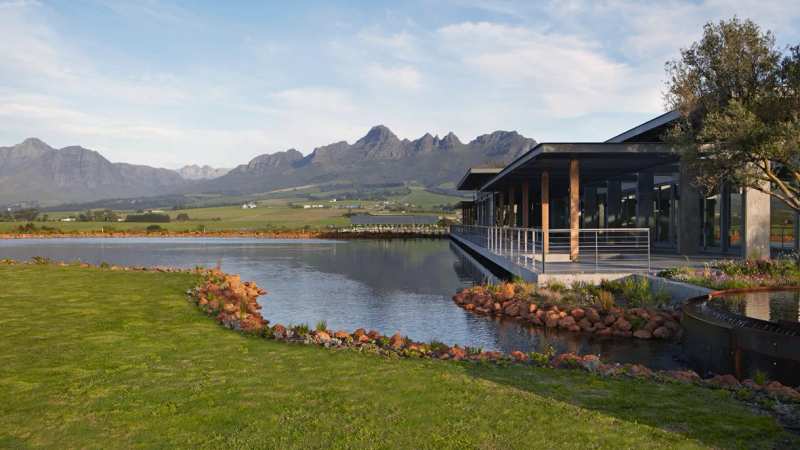
The highest farms in the valley sit together on the slopes below Constantia Nek, the pass at the top of the valley, about 10 km from the city centre. They include some of the valley's newest farms and have wide views down the valley to False Bay. All three are within about 400 m of each other.
About 300 m away, the Constantia Glen tasting room is on a farm that was only reinstated as a wine farm in the 1990s and has since built a name for its premium wines. Its panoramic views over the valley and its platters are the reasons to stop, and it has a restaurant for a longer lunch.
Just along the slope, Silvermist’s certified organic vines make it the only organically certified estate in the valley. It is also home to La Colombe, which kept its three stars, Eat Out's top rating, in the 2026 awards, and Silvermist itself offers its organic wines with food, and live music and a braai on some days.
Start here if the view matters to you. On a clear day, the terraces on Constantia Nek give you the whole valley and the sea, and the three farms make a good morning before you work your way down.
Groot Constantia
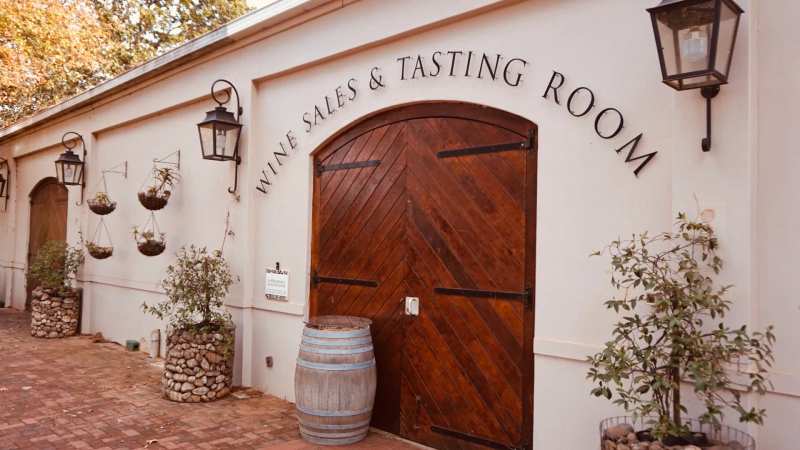
Groot Constantia is a sightseeing stop as much as a wine farm. It is owned today by the Groot Constantia Trust, a non-profit company that looks after the estate and its buildings. Allow at least two hours: one for the Manor House and the cellar tour, one for a tasting and a walk around the grounds. The visitor route ticket combines the museum, the cellar and a tasting, a good way to see the whole estate in one visit.
Less than a kilometre from Groot Constantia, on Groot Constantia Road, the High Constantia cellar is a small boutique winery outside the official wine route, a quiet stop to taste and buy after the big estate.
If the history draws you in, South Africa's other historic wine farms carry the same story further, from Vergelegen in Somerset West to the Huguenot farms of Franschhoek.
Klein Constantia and Buitenverwachting
Below Groot Constantia, two of the valley's best-known estates sit next to each other on the slopes of the Constantiaberg, about 3 km from Constantia Nek. Both were once part of Van der Stel's original estate.
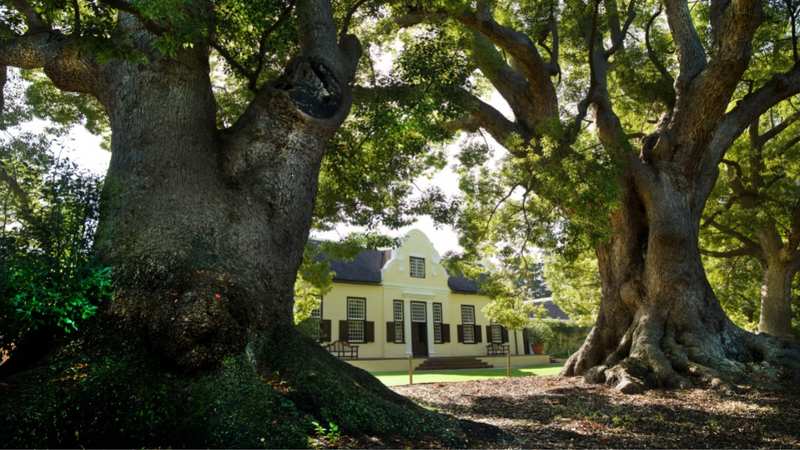
Klein Constantia, which means small Constantia, became a separate farm in 1818, when Hendrik Cloete died and the upper portion of his estate passed to his son. Today it is a 146-hectare estate set among old trees on the upper foothills of the Constantiaberg, cooled by the breeze from False Bay. Its tasting room is open year-round, and it is the home of Vin de Constance, the sweet wine that revived Constantia's reputation in 1990, after the family that rebuilt the estate finished a new cellar and tasting room in the mid-1980s. Taste it here, where the revival began.
Buitenverwachting, whose name means beyond expectations, is the valley's best-known farm for families. It has a tasting room, a coffee shop and a restaurant, and in summer its picnic lawns open when the weather allows. It also makes 1769, its version of the historic sweet wine, and its other wines include a Sauvignon Blanc and an easy-drinking white blend of Sauvignon Blanc, Chenin Blanc and Semillon, and it is the farm to choose if you are visiting with children.
Constantia Uitsig and Steenberg
At the southern end of the valley, the last two farms sit on the road toward Tokai, below the Steenberg mountains. They are 4 to 7 km from the top of the valley and the most spread out of the Constantia farms.
About 4 km from Constantia Nek, Uitsig’s contemporary cellar sits on one of the farms created when Van der Stel's estate was broken up, and its name means view of Constantia. It is known for its reds, and the estate has a tasting area and wine shop, a main restaurant, a café, a picnic lawn, gardens to walk in and Kristen's ice cream, which makes it an easy stop for a mixed group.
What happened to Eagles' Nest
Eagles' Nest was for years one of the farms on the Constantia Wine Route. It closed to visitors in 2023, but older guides, tour listings and even some hop-on bus maps still include it. Do not plan a stop around it; the three farms on Constantia Nek give you the high views instead.
How to do Constantia in a day
The simplest plan is to start at the top and work down the valley. Begin on Constantia Nek with Beau Constantia or Constantia Glen, drop down to Groot Constantia for the history and lunch, taste at Klein Constantia or Buitenverwachting in the afternoon, and finish at Constantia Uitsig or Steenberg. Four farms make a full day, and the whole route covers only about 7 km.
Tastings at most farms need no booking for a small group, but the restaurants, cellar tours and pairings usually do, especially on summer weekends. If you are driving, agree on a non-drinking driver before you start.
A day for history lovers
Start at Groot Constantia when it opens and take the visitor route: the Manor House museum, the 1791 Cloete Cellar, a cellar tour and a tasting. Lunch at the Jonkershuis or Simon's on the estate. In the afternoon, move a short way to Klein Constantia for the Vin de Constance, the wine that revived the valley, and finish at Steenberg, the oldest farm of all, where the story began in 1682 with Catharina Ras.
A day for food lovers
Book lunch at La Colombe at Silvermist or Chefs Warehouse at Beau Constantia, two of the valley's best-known tables, and build the day around it. Taste at Constantia Glen with a platter before lunch, then spend the afternoon at Buitenverwachting or Constantia Uitsig, where the coffee shop, café and ice cream make a gentler finish. Leave room for one glass of sweet wine on the way out.
Without a car
Constantia is one of the easiest wine valleys to visit without driving. The red open-top bus runs a Constantia wine route: ride the Blue route round the peninsula, change at Constantia Nek, and farms such as Groot Constantia and Beau Constantia have been stops on the red bus’s Constantia wine loop. The bus ticket covers the ride only, and you pay for tastings at each farm. Check the current stops, because some maps still show Eagles' Nest.
Taxis and ride-hailing cars work well this close to the city, and several Cape Town tour companies run half-day and full-day Constantia tours, some by bicycle, that collect you from your accommodation.
With Kirstenbosch
The Blue route also stops at the Kirstenbosch botanical garden, just over Constantia Nek, which makes a garden-and-wine day easy to plan. Spend the morning in the garden, take the bus over the Nek, and spend the afternoon tasting.
Where to eat
Constantia is one of the best places in the Cape to eat on a wine farm. For the top end, La Colombe at Silvermist holds three Eat Out stars, and Chefs Warehouse at Beau Constantia is a popular choice with a view. For lunch in a historic setting, Groot Constantia's Jonkershuis and Simon's both serve meals on the historic estate.
For something more relaxed, Buitenverwachting's coffee shop and restaurant, Constantia Uitsig's café, Constantia Glen's platters and Silvermist's braai days all work well. Steenberg's restaurants suit a long, unhurried lunch at the end of the day. Book the popular tables ahead, especially on weekends.
Constantia with children
Several Constantia farms make a family day easy. Buitenverwachting is the best-known family farm, with its picnic lawns in summer. Constantia Uitsig has a picnic lawn, gardens and an ice cream shop, and Groot Constantia's grounds and museum give children space to explore while the adults taste.
Plan the day around one long lunch on a lawn rather than a string of tastings, and bring something for the children to drink while you work through the wines.
The Constantia Wine Route
The farms market themselves together as the Constantia Wine Route, and the route's website introduces each estate in turn, a useful place to check opening times before you go. Groot Constantia's original grant of 891 morgen is often described as the origin of the commercial South African wine industry, and the route builds on that history: a small cluster of farms with more than three centuries of winemaking between them, all within a short drive of each other.
Where to stay
Most visitors come out from the city for the day, but staying in the valley lets you start early and linger over dinner. Steenberg has a boutique hotel and spa on the estate for a night among the vines, and Constantia itself is a quiet residential suburb with many guesthouses and self-catering cottages close to the farms. It is also a convenient base for the southern peninsula, from Kirstenbosch to the beaches of False Bay.
Wherever you stay, book the farm restaurants first and plan the tastings around them, and check each farm's listing for current opening days, since some open only part of the week.
When to go
Constantia is open all year, but summer, from December to February, is when the picnic lawns open and the farms are at their busiest. Autumn, from March to May, brings the harvest and quieter weekdays. Winter is the wet season in Cape Town, a good time for indoor tastings and long restaurant lunches, and on clear winter days the views from Constantia Nek are at their sharpest.
Combining Constantia with the rest of Cape Town
Constantia is one of two wine valleys inside the city. On the northern edge of town, Durbanville's Sauvignon Blanc farms on the northern edge of the city make a quieter, more family-run contrast, and the two together show the range of wine inside the metro.
For an evening in town, the city's wine bars and the other valley inside the metro complete the picture without a drive.
And if Constantia leaves you wanting more, the wider Cape winelands beyond the city start about 43 km east in Stellenbosch.
Frequently asked questions
Published September 28, 2026