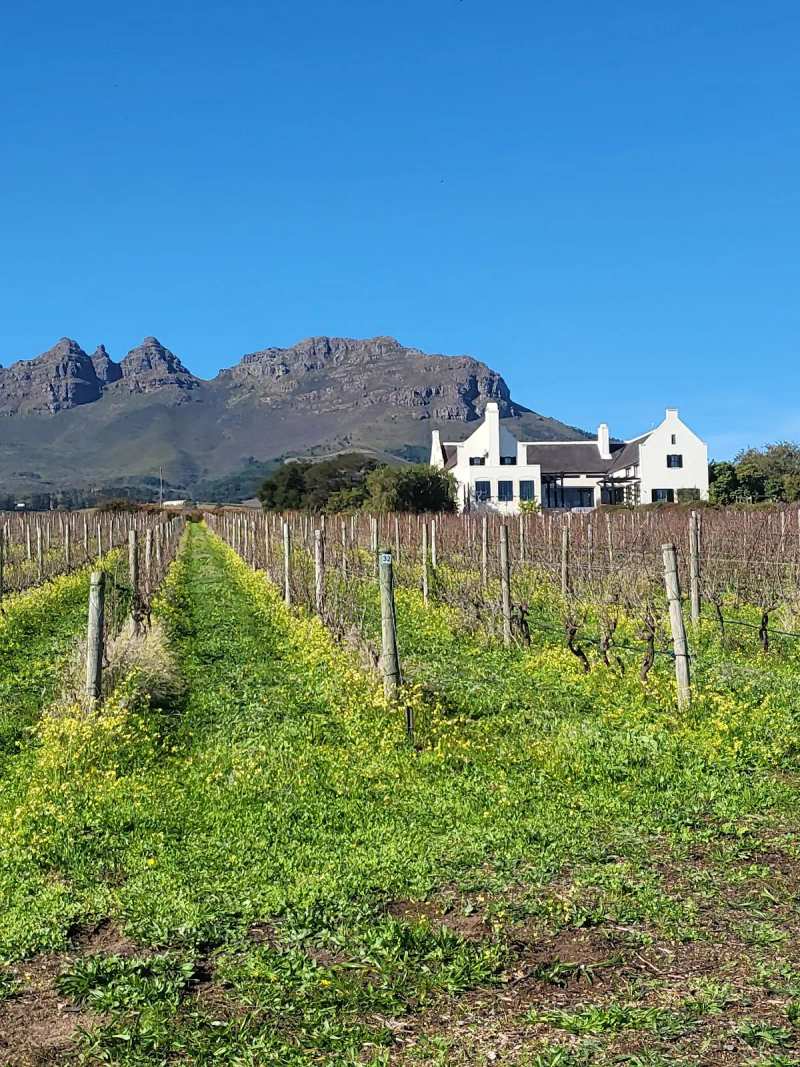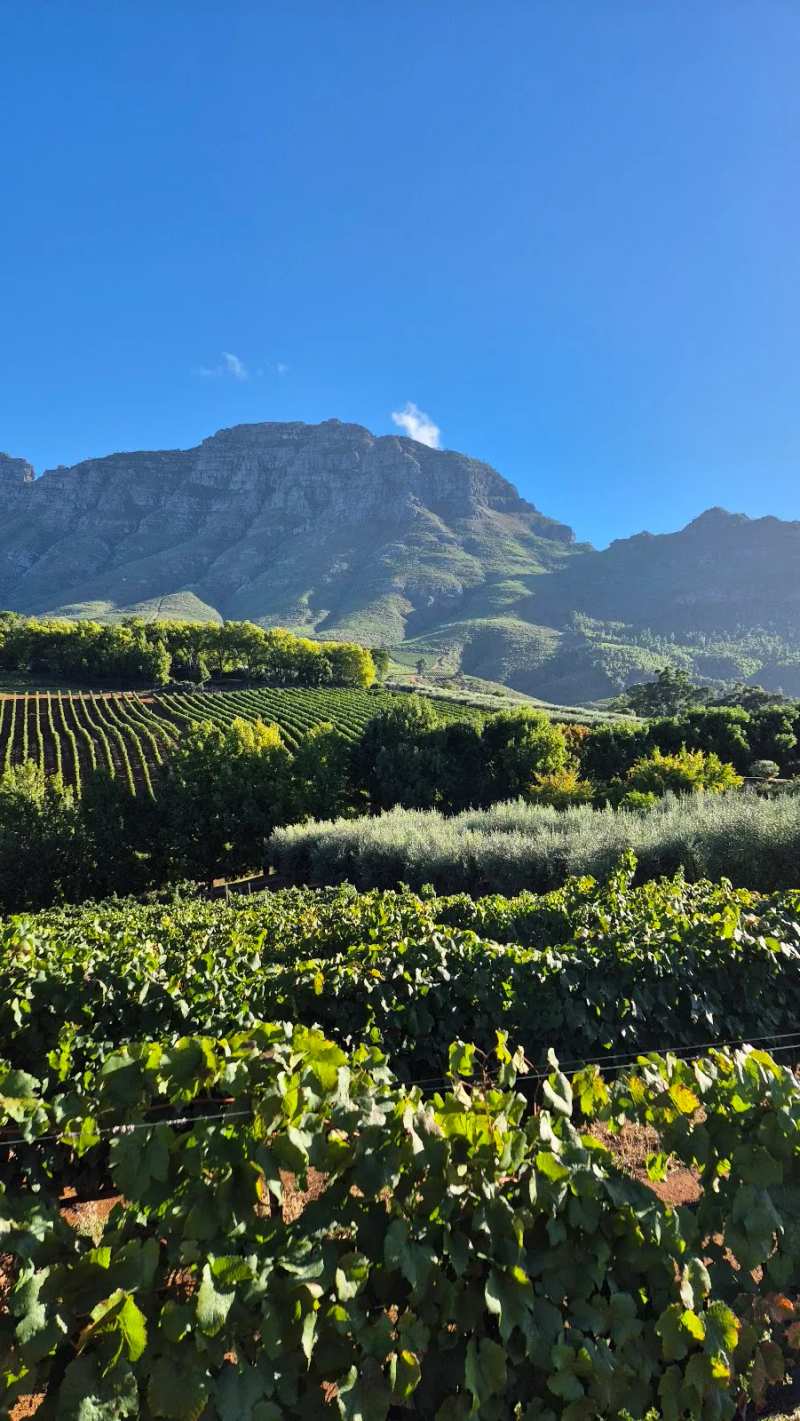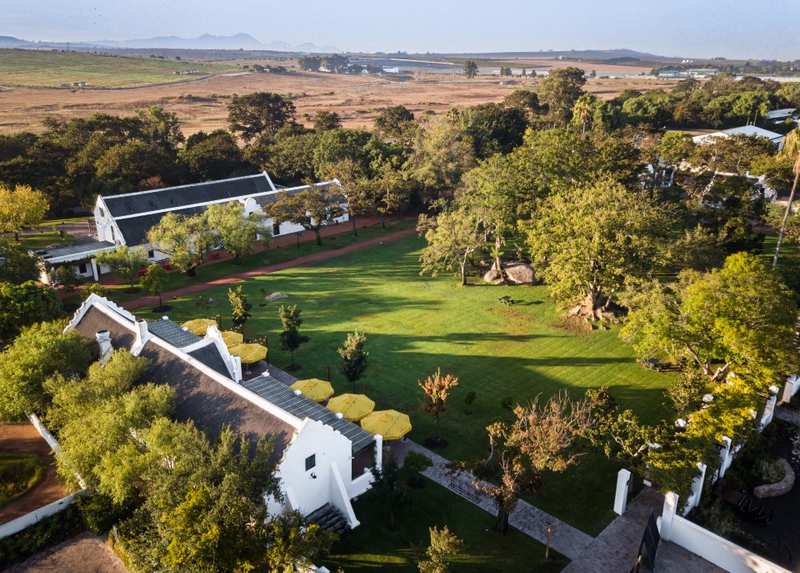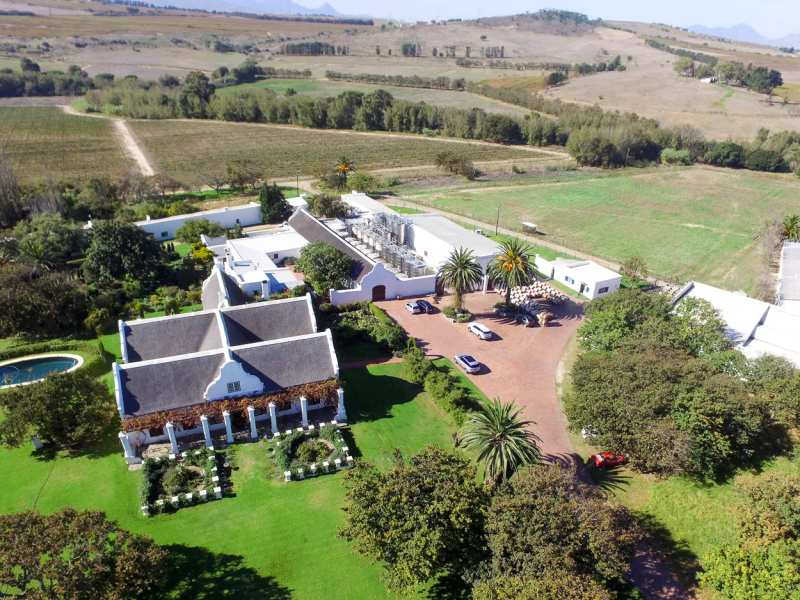
Robertson is where Cape wine stops looking like the postcard. The mountains pull back, the valley floor widens out along the Breede River, and and tastings tend to cost less than at the famous names closer to Cape Town. The Robertson wine farms are also where some of the country's best sparkling wine and Chardonnay are made, on limestone soils most visitors never hear about.
This guide follows the valley from west to east along Route 62: the Cap Classique and Chardonnay cellars west of town, the farms around Robertson itself, Ashton and Bonnievale further along, and Montagu through the pass at the end. It covers what each farm does well, which have food, and when the valley's festivals are on.
Where the Robertson wine valley is
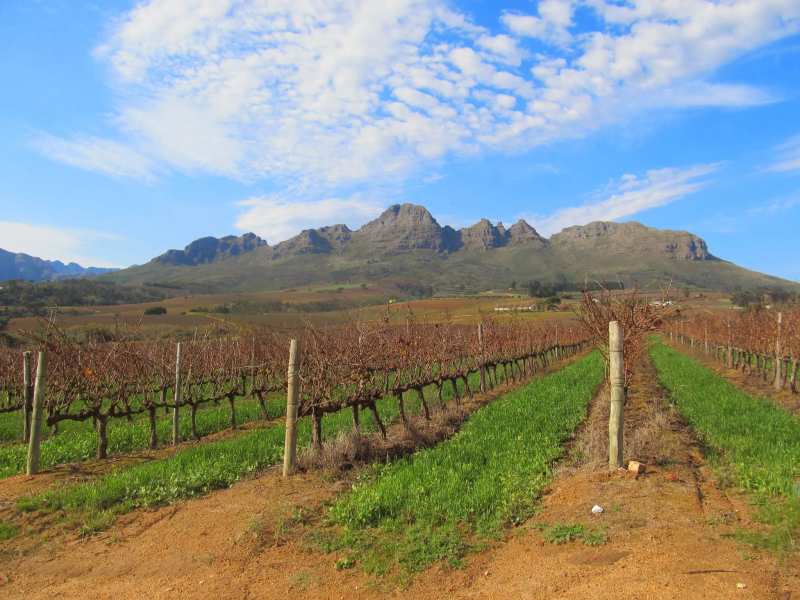
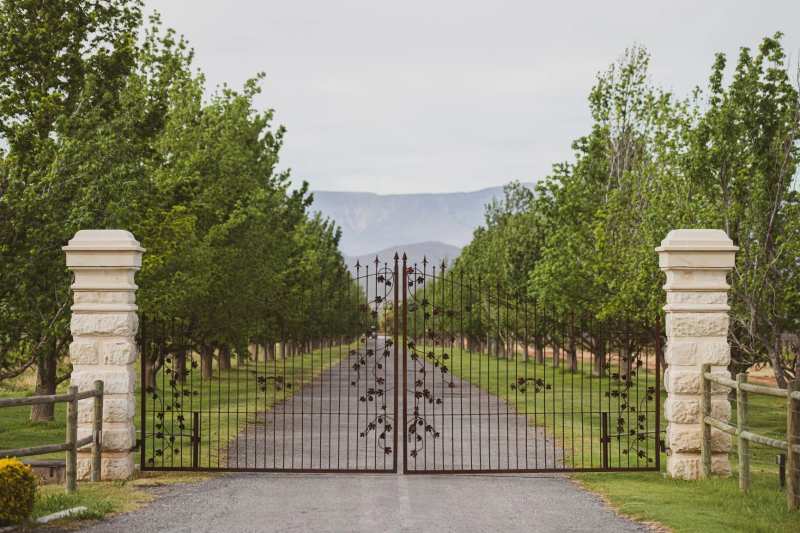
The Robertson Wine Valley lies inland, between the Langeberg mountains to the north and the Riviersonderend range to the south, with the Breede River running along the valley floor. It takes in four small towns: Robertson, Ashton, Bonnievale and McGregor. Graham Beck, the first big farm you reach coming from the west, is about 128 km from central Cape Town in a straight line, so this is a weekend rather than an afternoon.
The valley is part of Route 62, the inland tourist road often described as the longest wine route in the world, which runs on through Montagu into the Little Karoo. Locally it is known as the valley of wine and roses. Depending on who is counting, there are between 40 and 50 or more wineries in the valley, from big family cellars to tiny boutique producers.
Why Robertson wine tastes different
Robertson is inland and hot in summer, away from the sea breezes of the coastal regions. What makes the valley special is the soil: lime-rich ground that suits Chardonnay and the grapes behind Cap Classique. That is why the valley's most famous names are sparkling-wine and Chardonnay specialists, alongside the fortified muscadel made at the eastern end around Montagu.
The other thing visitors notice is the price: tastings and bottles here tend to cost less than in Stellenbosch or Franschhoek. Many farms still treat tasting as a way to sell wine rather than an attraction in itself, so the welcome is relaxed and the pace slow.
West of town on the R60
Coming from Worcester on the R60, the first farms sit on the western approach to Robertson. Two of them are among the best-known names in the valley, and if you only have time for two tastings, these are the two.
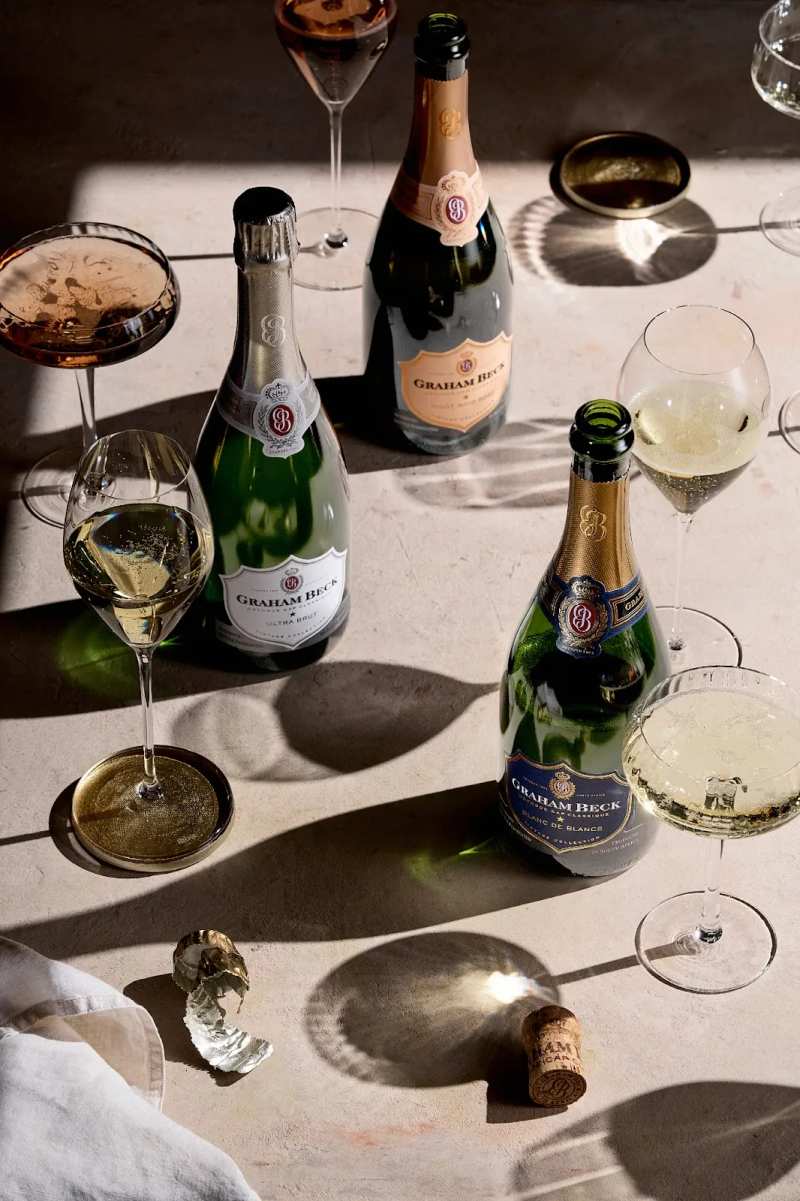
Graham Beck is the valley's most famous cellar. The mining businessman Graham Beck bought the Madeba farm in 1983, saw that its limestone soils suited Chardonnay and Pinot Noir, and built his own cellar by 1990, hiring the winemaker Pieter Ferreira to run it. The house made its name with Cap Classique: its non-vintage Brut was served at Nelson Mandela's inauguration as president in 1994 and at the private celebration of Barack Obama's election in 2008. The tasting room offers several Cap Classique tastings, from an introduction to a longer journey through the range.
About 11 km further east, Springfield Estate is the opposite in style: a farm that makes wine with as little intervention as possible from vineyards on very different soils, and is known for its wild yeast Chardonnay. Tastings are informal, and on weekdays you can see the working cellar on a tour. Taste here after Graham Beck and the contrast in approach is part of the point.
Around Robertson
The farms closest to town are only a few kilometres apart, and three or four of them make an easy half day. Most offer tastings without a booking and are happy to see small groups through the week.
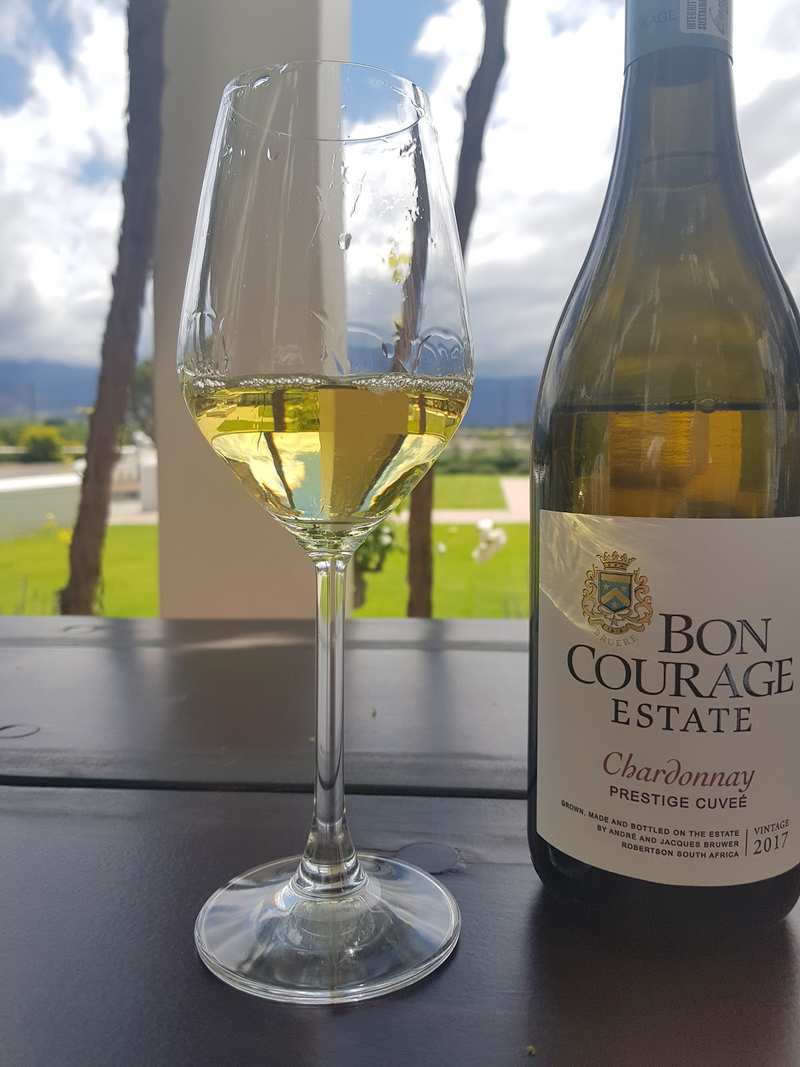
About 2.6 km from Bon Courage, Rietvallei’s tasting centre is on a farm with more than 160 years of wine-making behind it. Tastings come with cheese platters, local artwork hangs on the walls, and there are treats for children, which makes it one of the more relaxed stops for families.
The town of Robertson itself is small and quiet, with enough guesthouses and restaurants to use as a base. If you are staying, an early start lets you reach the western farms before the midday heat, which in summer can be fierce.
Ashton and Bonnievale
East of Robertson, the road reaches Ashton, where several of the valley's most important family farms sit within a few kilometres of each other, and then Bonnievale, a smaller farming town on the Breede River further south.
Ashton's farms start with Chardonnay. The De Wetshof estate was the first registered wine estate in the Robertson valley and played a pioneering part in bringing Chardonnay to South Africa, which is still what it is known for. Less than a kilometre away, the Retief family’s Van Loveren, in the family since 1937, is one of the larger cellars in the valley, with a tasting room for a glass of bubbly and guided cellar tours.
About 3 km from Excelsior, the historic Zandvliet estate is known as one of South Africa's first Shiraz producers, and Shiraz is still the wine to taste here, alongside the rest of its range.
About 10 km south-east of Excelsior, near Bonnievale, Weltevrede’s cellar is the home of the Jonker family and makes terroir-driven Chardonnay and Cap Classique, with tours that explain how the farm's different soils shape each wine. It is one of the few farms in this guide where it is worth booking a tour rather than just turning up to taste.
The valley has more to offer between the farms. The flat-bottomed riverboat at the Viljoensdrift farm cruises the Breede River, a favourite way to spend a lazy afternoon in the valley, and at Kleinhoekkloof at the foot of the Langeberg the winemaker also cures his own ham, salami and prosciutto. McGregor, at the end of a road south of Robertson, is a small village with its own boutique producers and a slower pace still.
Boutique producers off the main road
Some of the most interesting tastings in the valley are at small farms down side roads, where the person pouring is often the person who made the wine. They need a little more planning, and some open only on certain days or by appointment, but they show a side of Robertson the big cellars do not.
At Kleinhoekkloof, at the foot of the Langeberg, the winemaker is also a charcutier who makes prosciutto, smoked ham and salami, so a tasting there comes with cured meat made on the farm. In the De Hoop area, Mont Blois is home to Cape Wine Master Nina-Mari Bruwer and her husband Ernst, and in the Klaasvoogd West valley the Wentzel family makes wine and olives at Vredelus under the Exdiem label. Between Robertson and Bonnievale, the Arendsig farm specialises in single-vineyard wines made with as little intervention as possible, with self-catering cottages among the vines and tastings by appointment. One of the valley's farms sits 500 m above sea level, the highest in Robertson, surrounded by fynbos.
The valley also has farms with deep roots. One in the foothills of the Langeberg dates back to 1723, when it was known as Jan Harmansz Schat. Ask at the tourism office in Robertson for the current list of small producers open to visitors.
More than wine
Robertson is an outdoor valley as much as a wine one. Viljoensdrift's flat-bottomed riverboat cruises the Breede River, and the farm has a deli where you can fill a picnic basket and buy a bottle for the trip. Skydive Robertson operates from the airfield over weekends and public holidays, for a bird's-eye view of the vineyards and the river.
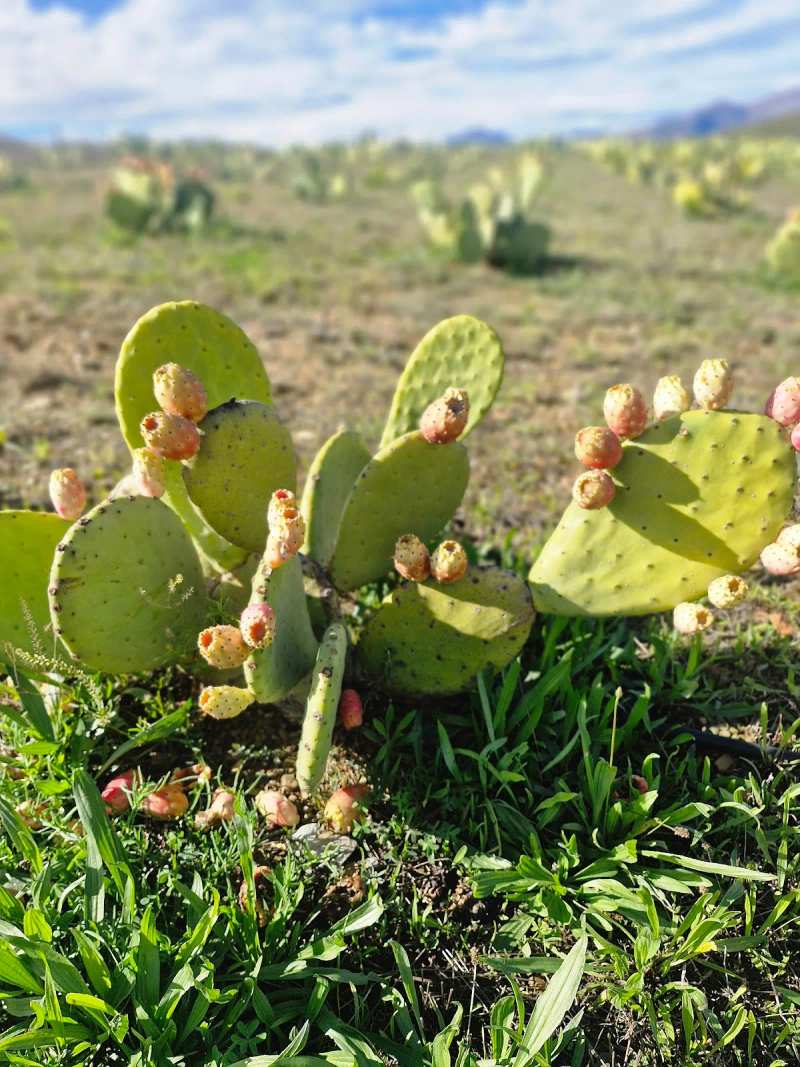
Near Montagu, the Protea Farm tractor trip climbs to the top of the Langeberg, with views over the Koo and Robertson valleys, and is popular with families. For something other than wine, Tahlia’s prickly-pear distillery near Montagu makes spirits infused with the leaves and fruit of the prickly pear cactus, with gin tastings on the farm.
For dinner in Robertson, The Small Restaurant at the Robertson Small Hotel is a recommended dinner stop. On the McGregor side, one country kitchen has a fire inside and views over a dam and the Eilandia valley, the kind of place that makes a weekend here feel unhurried.
Montagu on Route 62
East of Ashton, Route 62 runs through a short tunnel in the rock and comes out at Montagu, a historic little town at the start of the Little Karoo. It is not technically part of the Robertson Wine Valley, but it is close enough to fold into the same trip, and its wines are different again.
The Montagu Winery, established in 1941, makes white and red muscadel, the sweet fortified wine that suits the hot, dry climate here, along with a range of red and white wines and a sparkling grape juice for non-drinkers. The winery sits where the Robertson valley gives way to the Little Karoo, and the muscadel is the wine to take home. About 2.6 km away, Bloupunt’s restaurant pairs its own wines with a menu built on the local harvest, and makes a good lunch stop before the drive home or on into the Karoo.
Many people stay a night in Montagu and do the Robertson farms on the way in or out. The Vineyard Country House is a guesthouse on a vineyard on the edge of town, with private patios and breakfast included.
Events and when to go
The valley is busiest during its festivals, which are also the best time to visit if you like a crowd. The Hands-on Harvest festival usually runs for several weeks from February, at harvest time, with grape picking and stomping, blending sessions and food and wine pairings on farms across the valley.
The Wacky Wine Weekend, usually held over four days in June, is the valley's biggest event. More than 40 farms take part, with meet-the-winemaker tastings, cellar tours, river cruises, tractor trips and food pairings, and a bus service and designated-driver scheme for getting between farms safely. The valley also runs a Slow food and wine weekend in August and Wine on the River in October. Dates and programmes change each year, so check before you book accommodation, which fills quickly at festival time.
Outside festival time, autumn and spring are the most comfortable months to visit. Summer is very hot in the valley, so plan tastings for the morning and late afternoon, and winter is cool and quiet, with crisp days that suit a long lunch.
Getting there
From Cape Town, the usual way in is over the mountains to Worcester and then east on the R60 to Robertson, which brings you to the western farms first. The alternative is to arrive along Route 62 from the east, through Montagu and the tunnel, and work the valley in reverse. During the Wacky Wine Weekend, bus packages have run from Cape Town and the Winelands towns into the valley, with a shuttle between the participating farms, which removes the driving problem completely.
A two-day plan
Day one: the west and Robertson
Start at Graham Beck for a Cap Classique tasting while it is cool, then drive about 11 km east to Springfield to taste the wild yeast Chardonnay. After lunch, carry on to Bon Courage, about 4 km further, and finish at Rietvallei with a cheese platter. In the late afternoon, take the riverboat at Viljoensdrift if it is running, and eat in Robertson.
Day two: Ashton, Bonnievale and Montagu
Begin at De Wetshof for Chardonnay, then carry on to Van Loveren, less than a kilometre away, for bubbly, and taste the reds at Excelsior, about 2.5 km away. Drive down to Weltevrede near Bonnievale for a booked tour, then head back through Ashton and the tunnel to Montagu for a late lunch at Bloupunt and a glass of muscadel at the Montagu Winery. Stay the night in Montagu, or start the drive home.
Planning a Robertson trip
Two days is a good length. Spend one on the western farms and those around Robertson, and the other on Ashton, Bonnievale and Montagu. If you only have a day, choose one end of the valley: the sparkling wine and Chardonnay of the west, or the family farms around Ashton.
Distances between farms are short but add up, so plan on a non-drinking driver or a local tour. Tastings at most farms need no booking for a small group; tours and pairings usually do.
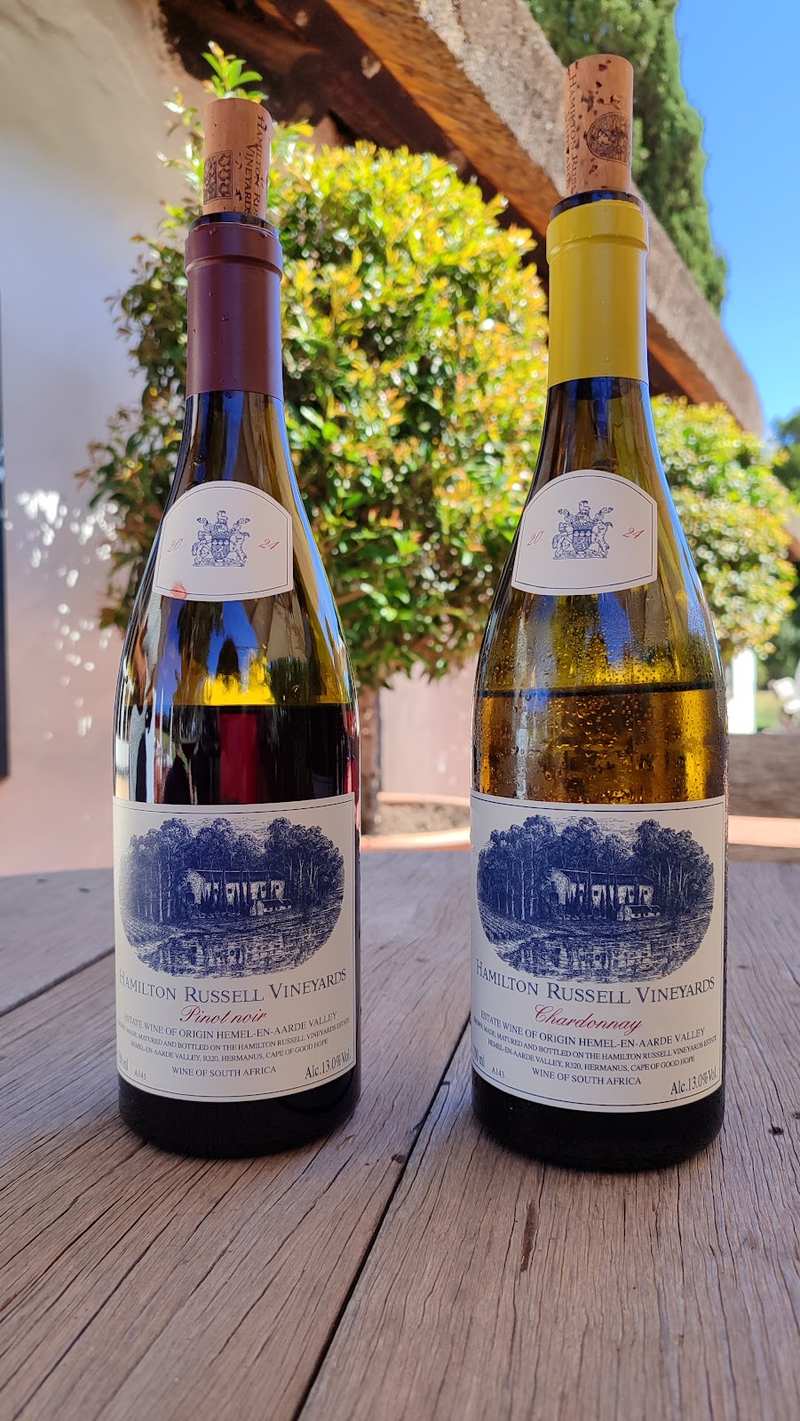
Robertson combines naturally with a coastal trip. From the valley, a road south over the mountains leads toward the Overberg and the sea, so it pairs well with the Pinot Noir farms of the Hemel-en-Aarde valley behind Hermanus.
On the way back to Cape Town, the road runs past the wine valleys closer to Cape Town, so a Robertson weekend can end with one more tasting closer to home.
Frequently asked questions
Published August 31, 2026