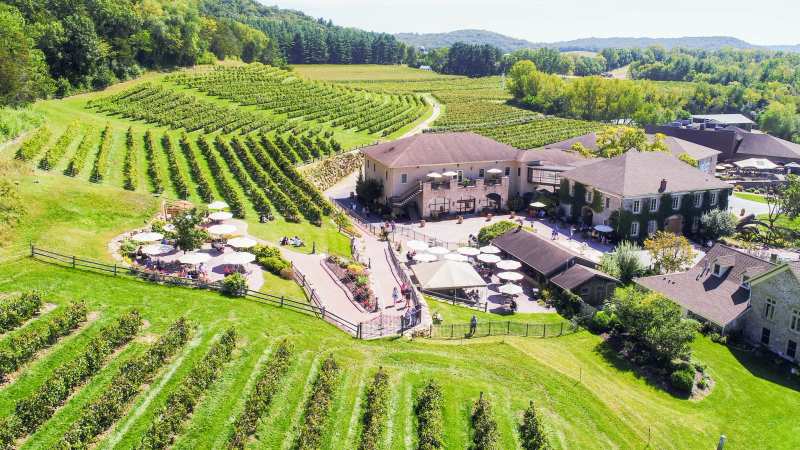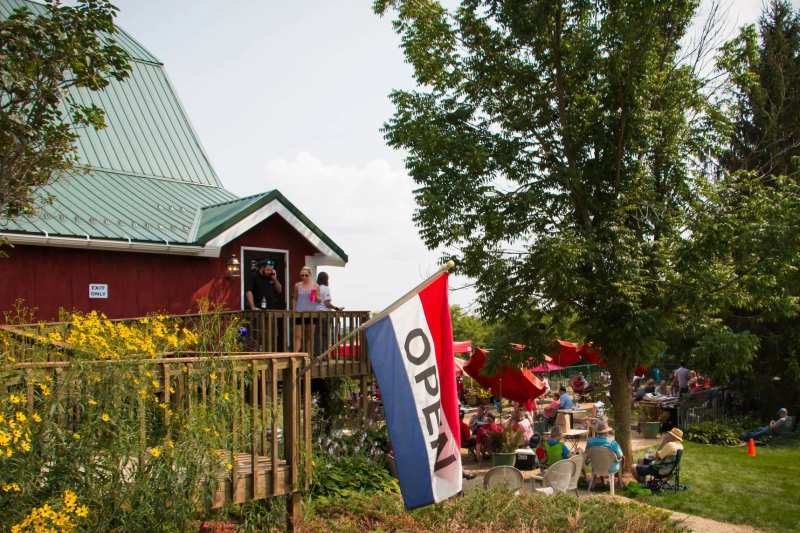
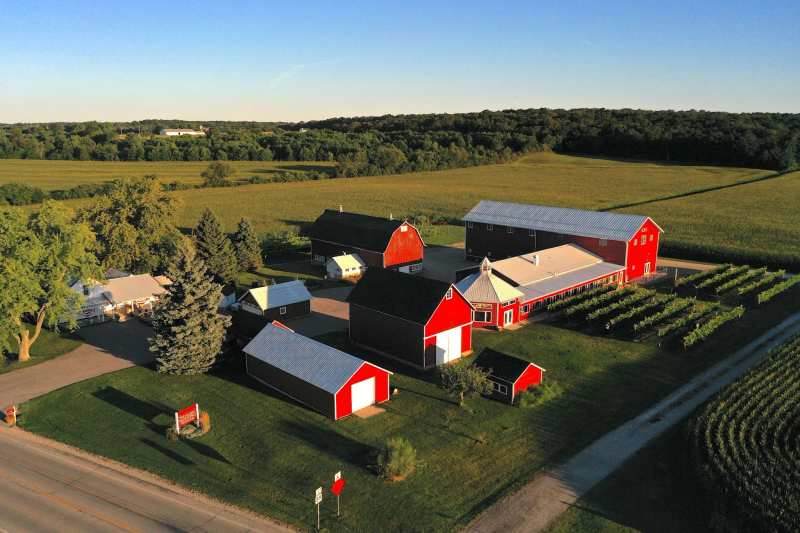
Tell someone from out of state that you spent a weekend wine tasting in Wisconsin and you will get the same look every time. Beer, yes. Cheese, obviously. But Wisconsin wineries? There are more than 100 of them, spread from the cherry orchards of Door County to the bluffs above the Mississippi, and the good ones are worth planning a trip around.
They are also not trying to be Napa, and it helps to know that before you go. The grapes that survive a Wisconsin January are different grapes. A lot of the wine is made from fruit that is not grapes at all. Some wineries grow everything they pour, some buy juice from California and ferment it here, and a few do both. None of that makes the wine worse. It makes it Wisconsin wine, which is its own thing.
This guide works through the state region by region, with the wineries worth your time in each one and a deeper guide for every region. If you would rather see it all at once, every winery on the Wine Trail sits on one Wisconsin map, and the map is the fastest way to find the tasting room closest to wherever you are staying.
What Wisconsin wine actually tastes like
Wisconsin wine tastes mostly of cold-hardy grapes and local fruit, and it leans sweeter than wine from warmer places. That is the short answer, and it holds across most tasting rooms in the state.
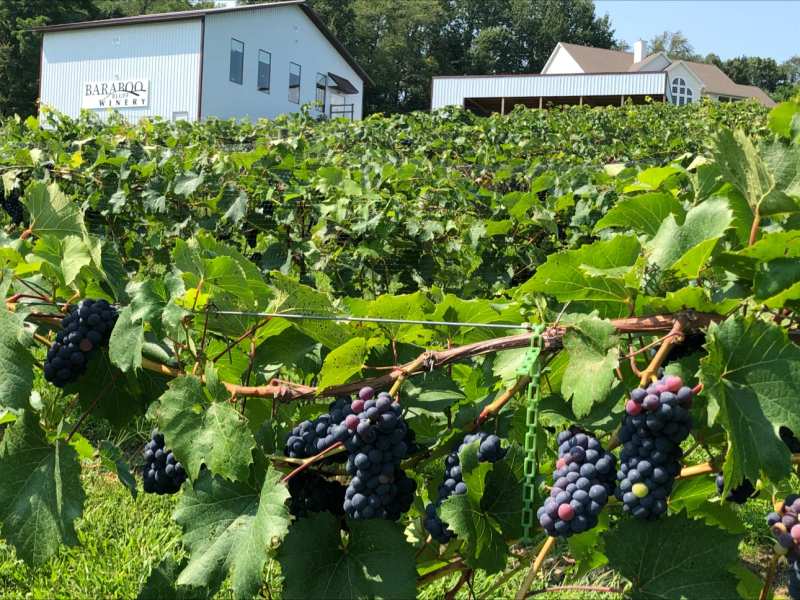
The longer answer starts with winter. The classic European grapes (Cabernet, Pinot Noir, Chardonnay) do not survive a Wisconsin winter in the ground, so growers here plant hybrids bred for the cold. Most of them came out of the University of Minnesota grape breeding program, and you will see the same names on menus all over the state: Marquette and Frontenac for reds, La Crescent, St. Pepin and Brianna for whites, Petite Pearl for something darker. More than two thirds of the grapes grown in Wisconsin are these cold-hardy varieties.
The hybrids make bright, high-acid wines. Reds tend to be lighter and fruitier than a California Cabernet, with softer tannins. Whites run citrusy and floral, and a lot of them are finished off-dry or semi-sweet because that is what the acid wants. If you like big, oaky, dry reds, look for wineries that say they barrel-age, or ask for the driest thing on the list. Most places will tell you honestly.
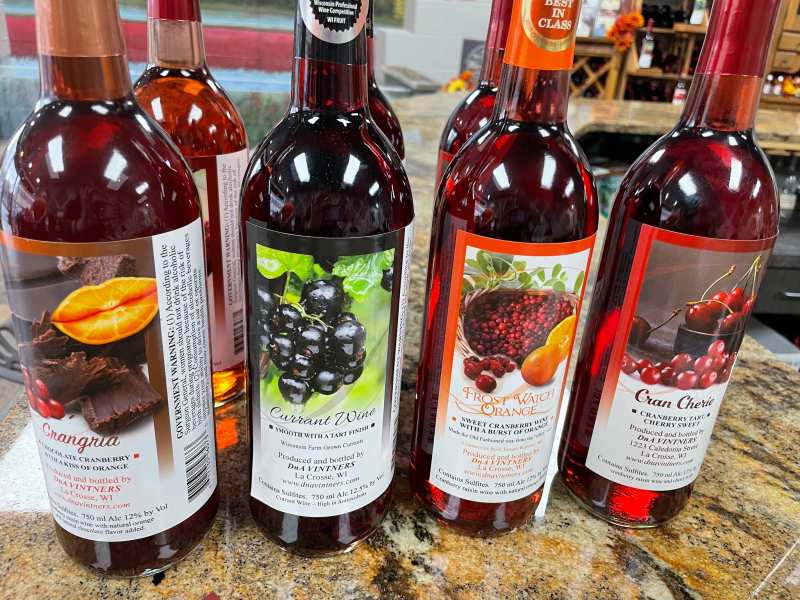
Then there is the fruit. Door County grows cherries, so Door County makes cherry wine. The west of the state grows cranberries, so you will find cranberry wine in La Crosse. Apple wine, rhubarb, blueberry, raspberry and pear all turn up. Some of it is candy-sweet and made for a hot afternoon on a patio, and some of it is serious. Wine slushies, served frozen, are a fixture at summer tasting rooms and nobody here is embarrassed about it.
The last thing to know is where the grapes come from. Plenty of Wisconsin wineries bring in grapes or juice from California, Washington or New York and make the wine here. Others grow every grape they pour, and a few make a point of it on the label. Both are honest ways to run a winery. If it matters to you, ask the person pouring. They get the question all the time.
Cider, mead and ice wine
Wisconsin wineries make more than wine, and some of the most interesting bottles in the state are not grape wine at all.
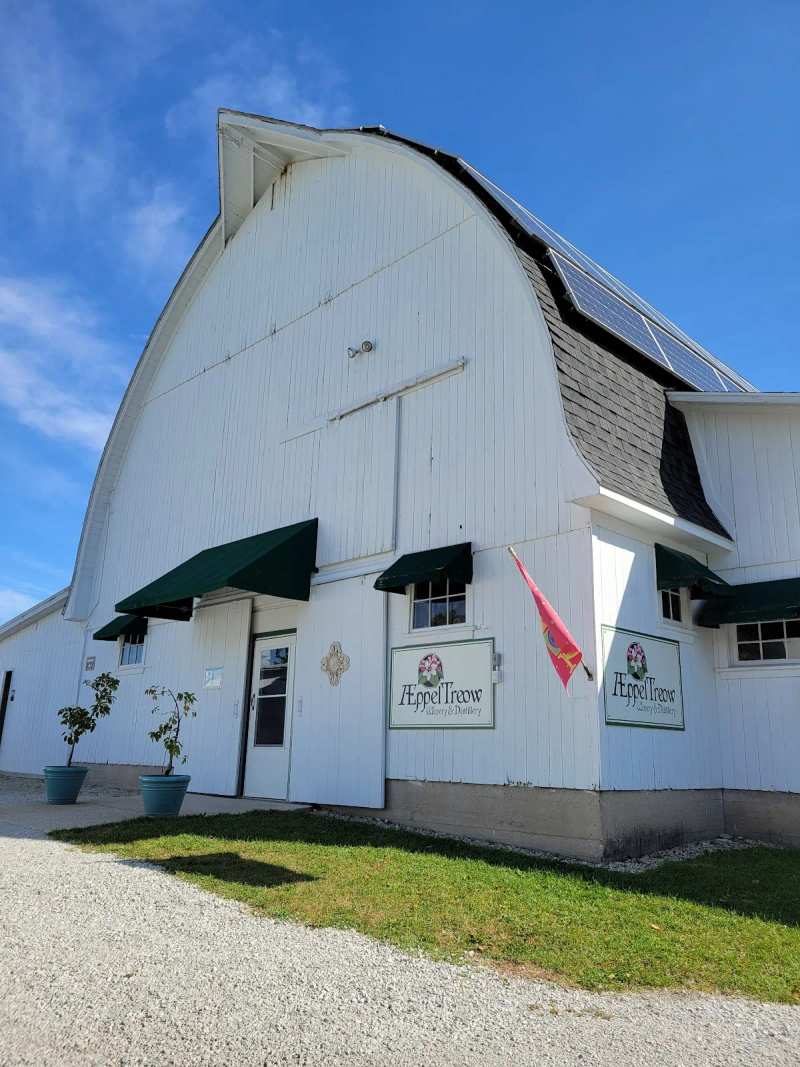
Cider is the obvious one in an apple state. ÆppelTreow near Burlington makes cider and perry, the pear version, from heirloom varieties, and Maiden Rock on the Mississippi presses more than 30 kinds of apples from its own orchard. Von Stiehl in Algoma runs a cider bar by the harbor.
Mead, wine made from honey, has a small and growing following. SoLu Estate in Cascade is a winery and meadery, and Mixed Meadia in Egg Harbor makes dry, sparkling meads that change most people's idea of what mead is.
Ice wine is the rarest of the three. Grapes are left on the vine until they freeze, then pressed while frozen, which concentrates the sugar into a small amount of very sweet, very intense wine. Wisconsin winters make it possible in a way California cannot, and Wollersheim's ice wine is one of the most awarded bottles the state produces. Expect a small bottle and a high price, and expect it to be worth it.
Door County and the lakeshore
Door County has the densest cluster of wineries in the state, and it is the region most people picture when they hear Wisconsin wine. About ten tasting rooms sit along the peninsula between Algoma and Fish Creek, close enough that you can visit four in an afternoon without much driving. The ten Door County tasting rooms, taken in driving order up the peninsula, make the easiest winery weekend in Wisconsin.
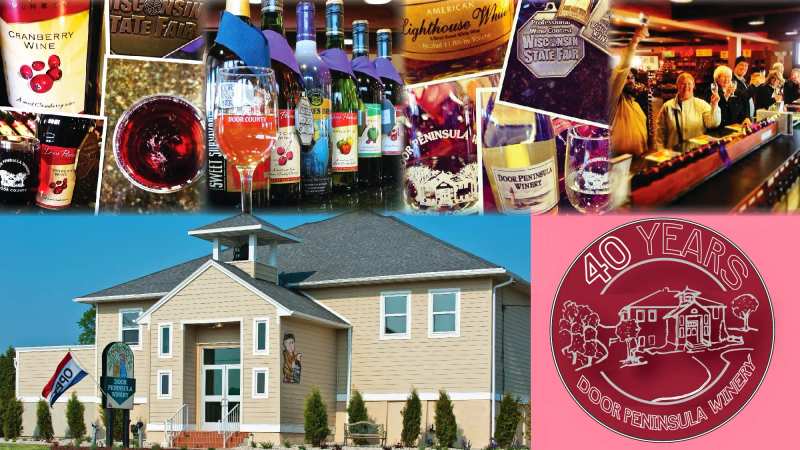
North of Sturgeon Bay, Door Peninsula Winery is the oldest winery in Door County itself, open since 1974 in what used to be the Carlsville schoolhouse. It makes dozens of wines, most of them fruit, and the tastings are free. Down a wooded road nearby, Simon Creek farms one of the larger vineyards in the state and has added a self-pour taproom for bourbon and cocktails.
Keep going north and the wineries get smaller and more personal. In Egg Harbor, Anchored Roots was started in 2020 by two Wisconsin natives, Eric and Amy Gale, who grow Marquette, Frontenac and Itasca on their own vineyard. Down the road, Harbor Ridge pours in a log building with a cheese shop next door.
Nearby, Mixed Meadia makes sparkling wine and mead from Wisconsin fruit, poured inside the Hatch Distillery tasting room.
The last two stops sit near the top of the peninsula. Stone's Throw has made wine from California grapes, one barrel at a time, since 1997 at the crossroads between Egg Harbor and Baileys Harbor. Outside Fish Creek, the Lautenbach family added a winery to its cherry orchard in 1985, and Lautenbach's is as much a farm market as a tasting room, with u-pick fruit, pies and wine slushies.
Around Milwaukee
The wineries near Milwaukee are almost all north and west of the city, because the lake takes care of east. The biggest cluster is in Cedarburg, 19 miles north, where three tasting rooms share one short stretch of historic main street. Wineries within an hour of Milwaukee in every direction add up to twelve stops, including an orchard winery in Germantown and a meadery in the Kettle Moraine.
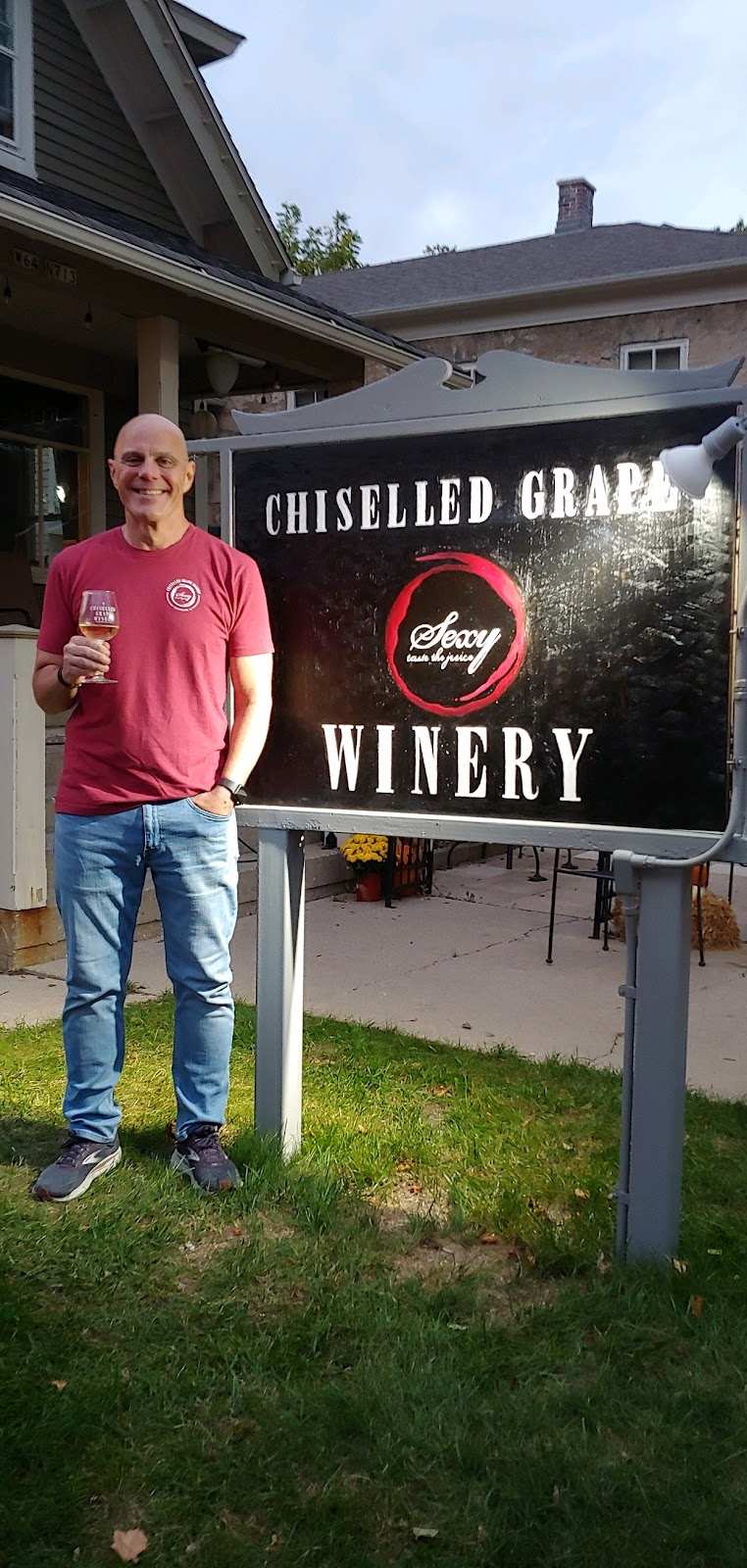
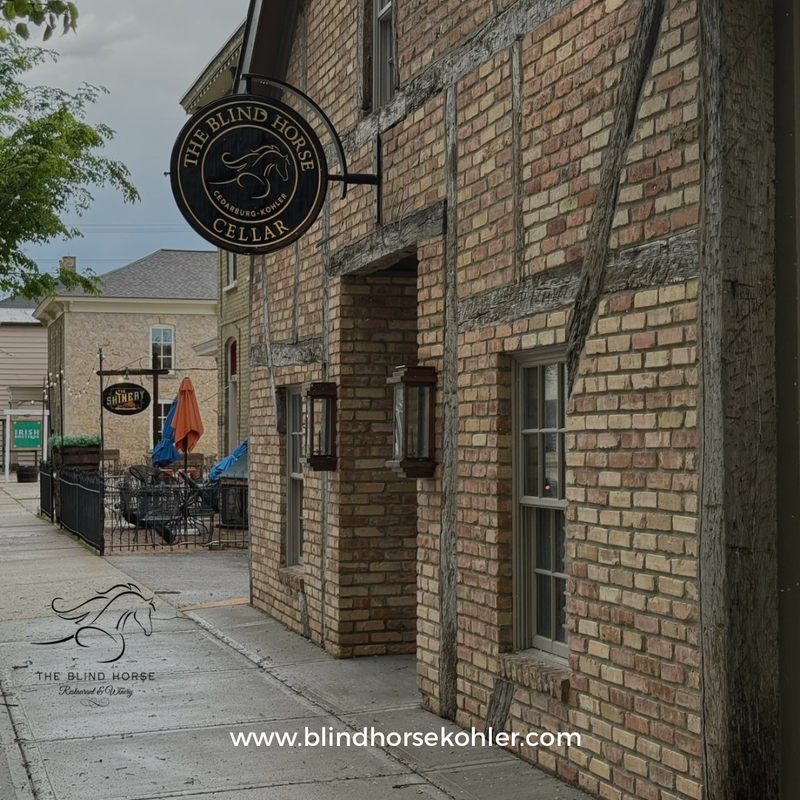
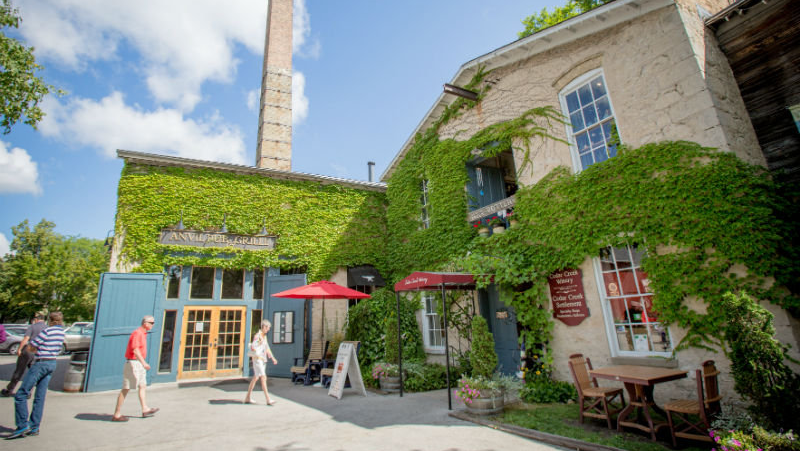
Across the street, Chiselled Grape is the small one, and it is worth calling ahead. Around the corner, The Blind Horse Cellar opened in October 2025 as the second tasting room for the Blind Horse winery in Kohler, in a mid-1800s building with a fireplace downstairs and a terrace along Cedar Creek.
Inside Milwaukee itself, Tranquil Blends runs guided tastings and winemaking classes for its own Milwaukee-made wines. South of the city, Spirits of Norway grows cold-hardy grapes in the Town of Norway and opens for reservation-only vineyard tours two weekends a month in season.
West of Cedarburg, Apple Works Winery in Germantown makes barrel-aged reds on an old orchard property, which surprises people given the name. A little farther out, Aspen Sky in Slinger runs a winery and a distillery under one roof.
Lake Geneva and the southeast corner
Lake Geneva is Chicago's weekend lake town, and the wineries around it are spread over farm country rather than clustered on a main street. The only winery in town is Geneva Lake Distilling + Winery, which grows grapes on site and used to be called Studio Winery. Lake Geneva wineries, from the one in town to the orchards and estates around it, fill an easy half day.
North of the lake, Apple Barn Orchard & Winery in Elkhorn has been a family farm since 1848 and pours fruit wines for free next to the u-pick orchard. East toward Burlington, ÆppelTreow makes cider, perry and brandy from heirloom apples and pears.
Madison and the hills around it
Madison has two tasting rooms inside the city and a ring of wineries in the farmland around it, several of which grow everything they pour. The wineries near Madison, sorted by which way you drive out of town, cover estate reds, sparkling wine and one of the best pizza-and-live-music patios in the state.
West of Madison, Botham Vineyards in Barneveld has made wine from its own vineyard for more than 30 years.
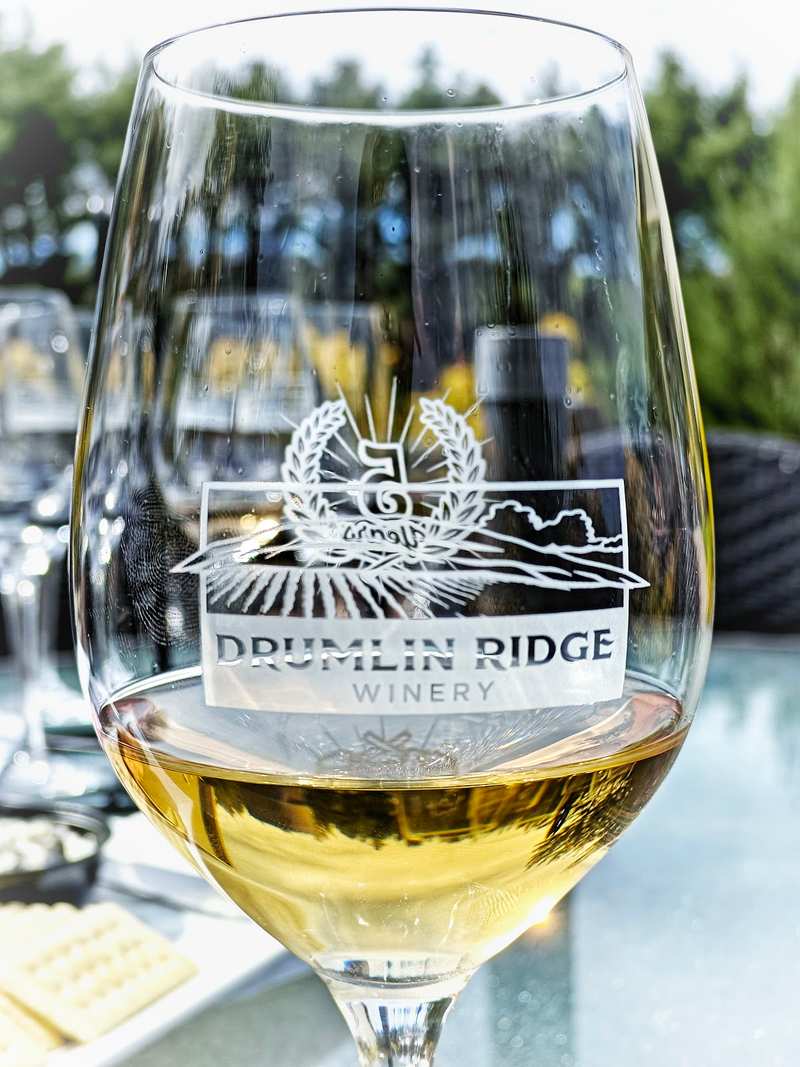
South in New Glarus, Bailey's Run pairs its wines with brick-oven pizza and live music every weekend. North in Waunakee, Drumlin Ridge has grown its own grapes since 2007.
Two stops are inside the city. Odilon Ford makes sparkling wine from Wisconsin-grown grapes in an east-side tasting room that opens on weekends and by appointment, and Cambridge Winery pours at a west-side tasting room with small plates.
North of town, Rock N Wool in Poynette makes wine only from Wisconsin grapes, in a barn with sheep nearby, which explains the name.
West of Barneveld, American Wine Project in Mineral Point makes dry reds from local grapes and serves tacos on Saturdays. South toward Janesville, Timber Hill in Milton is a women-run winery pouring more than 40 wines, including a jalapeño wine people either love or order as a dare.
Wisconsin Dells and Baraboo
The Dells is the waterpark capital of the country, and the wineries around it exist partly for the parents. There are seven within about 25 miles, from sweet-wine tasting rooms with live bands to a Norwegian-themed winery that opened in late 2024. Wisconsin Dells wineries worth a few hours away from the waterparks sit on the edge of town and toward Devil's Lake.
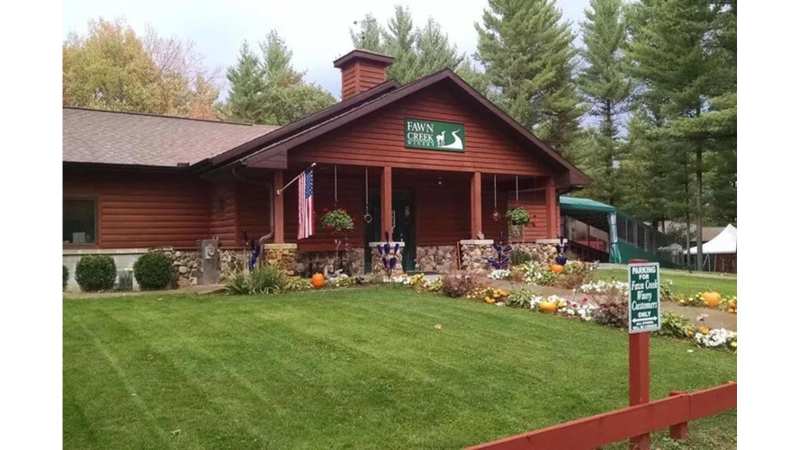
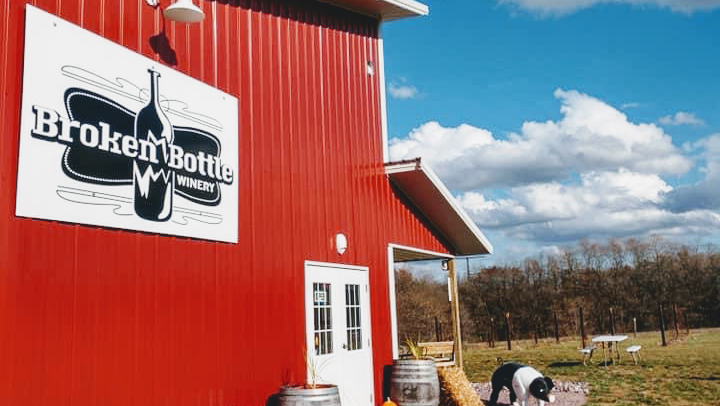
Closer to town, Fawn Creek Winery has six tasting bars across three buildings and a band on most summer weekends, and Broken Bottle, Baraboo Bluff's sister winery, pours at two long bars just south of the Dells.
By Devil's Lake, Balanced Rock makes cold-hardy grape wines in a modern tasting room, with a driving range on the property.
Sognefjord, which opened in late 2024 between Baraboo and the Dells, names its wines in Norwegian, and Prairie Hawk opens its patio on summer weekends.
The Mississippi: Great River Road wineries
The western edge of the state follows the Mississippi, and the road along it, the Great River Road, has its own wine trail. The wineries sit on bluffs above the river or in the river towns below them, and the drive between them is a reason to go on its own. La Crosse wineries and the stops north along the Great River Road Wine Trail run from a cranberry winery in the city to an Italian-style piazza in Pepin.
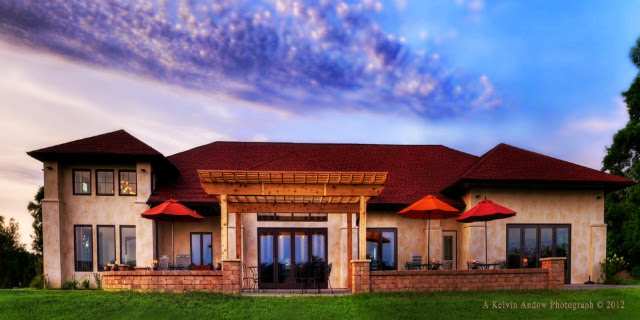
In La Crosse itself, DnA Vintners makes most of its wine from Wisconsin cranberries. Up the river in Pepin, Villa Bellezza built a Tuscan-style piazza with a fountain and a brick-oven restaurant, and it pulls in as many diners as wine drinkers.
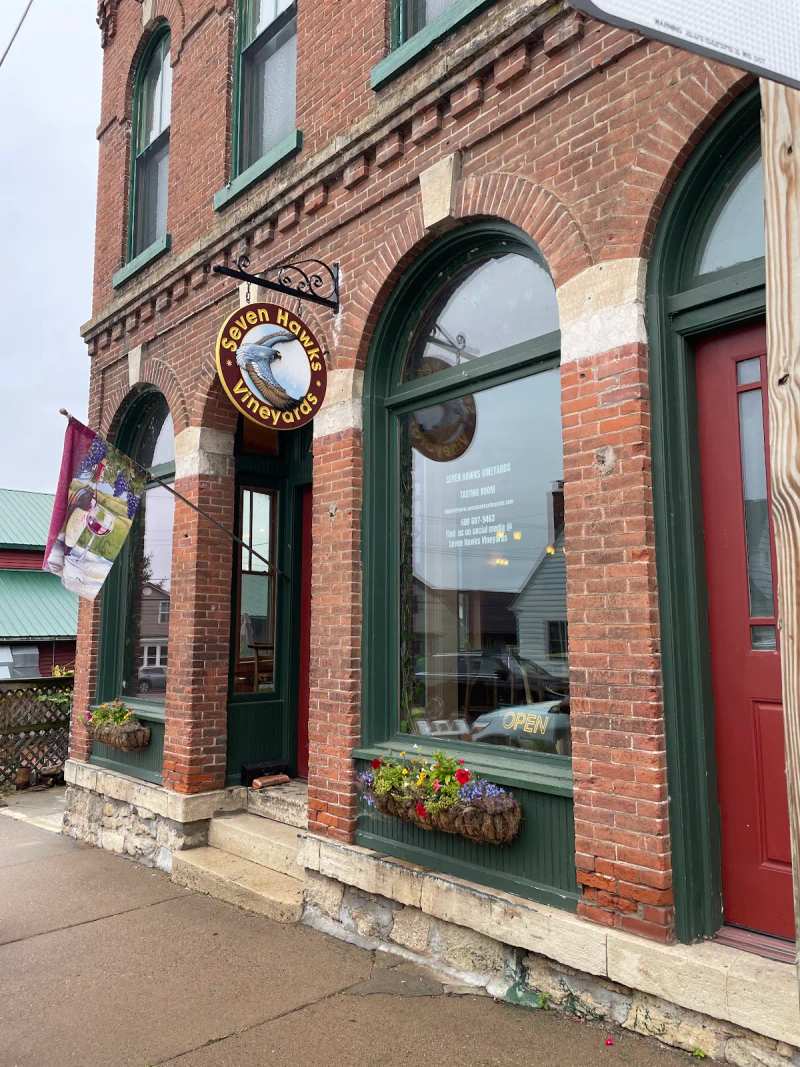
Between those two, the river towns have their own wineries. Seven Hawks farms close to 17,000 vines on the bluffs above Fountain City, pours in a tasting room in town and rents cottages to people who want to stay over.
Danzinger Vineyards in Alma has grown grapes on top of the bluffs since 2003, with a patio looking straight down the Mississippi. At the north end of the trail, Maiden Rock in Stockholm makes its wines and ciders from its own apples.
Inland from the river, Branches Winery in Westby grows more than 9,000 vines in the Driftless hills and fires pizzas in a wood oven, and Brambleberry in West Salem runs guided tastings a short drive east of La Crosse.
Farther north
North of Milwaukee and inland from the lake, the wineries thin out. SoLu Estate Winery & Meadery in Cascade, on the edge of the Kettle Moraine, makes mead alongside its wine and runs a band shell for summer music. Near Lake Winnebago, Ziegler Winery in Malone makes wine from 100 percent Wisconsin grapes.
There are wineries in the Northwoods too, including cranberry wineries in the lake country around Three Lakes. They are a longer drive from anywhere and many keep short seasons, so check they are open before you plan a day around them.
Picking a winery for the occasion
Wisconsin wineries vary more than most people expect, and a little matching goes a long way.
For live music, the summer weekend patios at Fawn Creek near the Dells, Bailey's Run in New Glarus and SoLu Estate in Cascade are the ones with real stages. Many others book a guitarist on Saturday afternoons from June through September.
For a meal, Wollersheim has a bistro, Villa Bellezza runs a full restaurant, and Bailey's Run and Branches both fire pizzas in brick or wood ovens. Most other tasting rooms stick to cheese boards and snacks, so eat before a long afternoon of tasting.
For an overnight, Seven Hawks rents cottages above Fountain City and Brambleberry has rooms outside La Crosse. Door County is the easiest place to base yourself, since most of its wineries are within half an hour of each other.
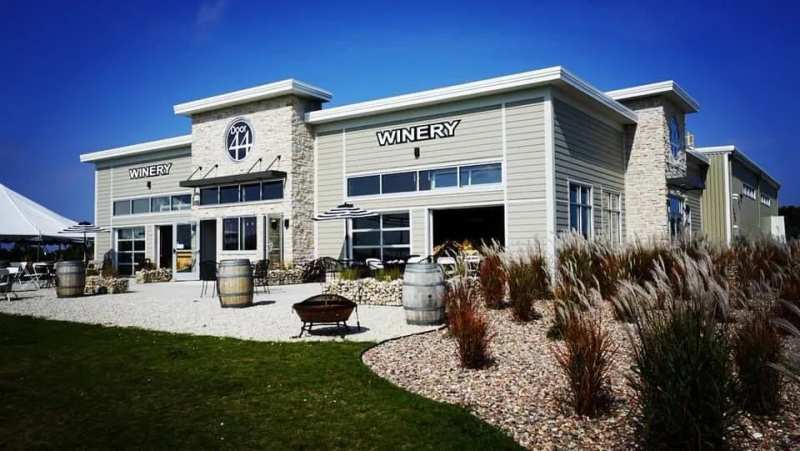
For serious wine, look for wineries that grow their own grapes and talk about the vintage: Wollersheim, Botham, Staller Estate, Parallel 44, Drumlin Ridge and Anchored Roots are good places to start.
How a visit works
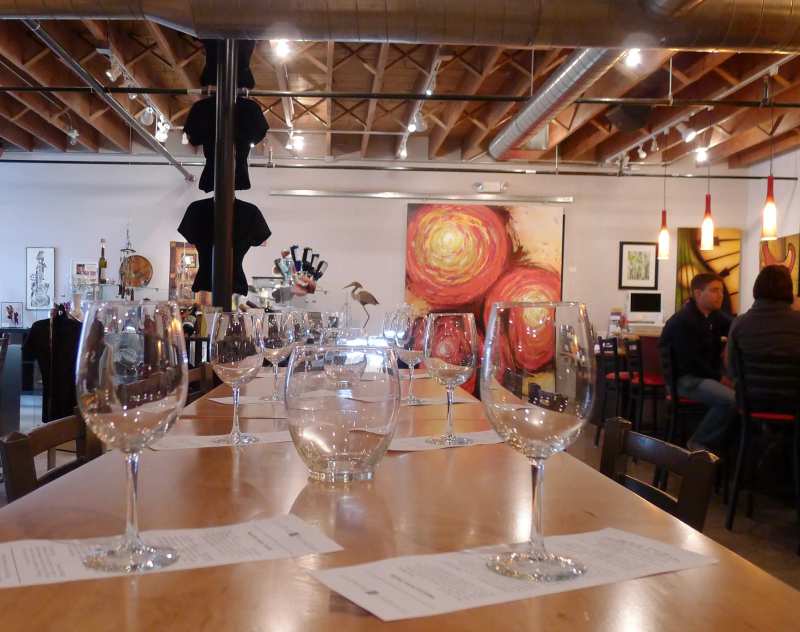
Most tasting rooms charge a small fee for a flight of samples, often waived if you buy a bottle. A few pour for free, including Door Peninsula Winery and Apple Barn, where tips go to charity.
Walk-ins are the norm at larger wineries. The small ones are different: Spirits of Norway takes reservations only, Odilon Ford opens on weekends and by appointment, and seated experiences like the Staller Estate barrel cellar need booking ahead. Groups of six or more should call ahead anywhere.
Dogs are welcome on the patio at many wineries, including Baraboo Bluff, Elmaro and Rock N Wool, and not allowed at others, such as Apple Works. Children are usually welcome to come along, though tastings are for 21 and over. Wineries are spread out, so plan who is driving before the first pour. Door County and the Dells both have trolley tours that handle it for you.
Wine trails worth following
Two organized wine trails make it easy to string a day together, and both publish maps.
The Door County Wine Trail covers the wineries of Door and Kewaunee counties, around ten of them, and holds a summer wine fest where all the member wineries pour in one place. Trolley tours run the trail in summer, which solves the question of who drives.
The Great River Road Wine Trail started in 2009 with nine wineries along the Mississippi and now covers about eleven across Wisconsin, Minnesota and Iowa, from Stockholm in the north to Marquette, Iowa in the south. The Wisconsin members include Maiden Rock, Villa Bellezza, Danzinger, Seven Hawks, Elmaro and DnA Vintners.
The Wisconsin Winery Association also splits the state into regions, including the Driftless, the Glacial Hills and the Fox Valley, which is a useful way to think about the state whether or not you ever pick up the paper map.
When to go
Late spring through October is the best time to visit Wisconsin wineries, and September and early October are the peak. That is harvest, the leaves are turning and the patios are still warm enough to sit on.
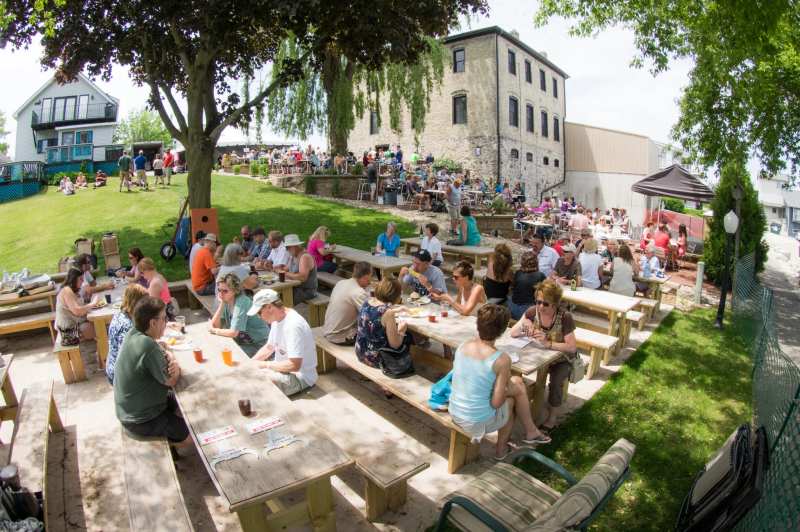
Summer is the busiest season. Weekends in July and August bring live music, trolley groups and full patios, especially in Door County and around the Dells. Go on a weekday if you want to talk to the person pouring.
Harvest season also brings the festivals. Cedarburg's Wine & Harvest Festival fills downtown Cedarburg every September, and Door County's wine fest brings the whole trail together in one field.
Winter is quieter, and plenty of wineries stay open with shorter hours, fireplaces and mulled wine. Some close for the season or open only on weekends, so check each winery's hours before you go. That goes double for the small ones, which change hours more often than their websites do.
Wisconsin wine is at its best when you take it on its own terms. Order the thing they are proud of, try one fruit wine you expect to hate, and buy a bottle of whatever surprised you. You will probably be surprised at least once.
Frequently asked questions
Published August 17, 2026