
The Mississippi does most of the work here. The bluffs rise straight up from the water, the river towns are small and old, and the road that runs between them is one of the best drives in the Midwest. The wineries are a bonus, and there are more of them than you would expect. La Crosse wineries make the natural starting point.
They start with one tasting room in the city itself and three more within about 20 miles, then continue north along the river on the Great River Road Wine Trail, all the way to Stockholm. This guide takes them in that order, working outward from La Crosse. This stretch of river is the western end of Wisconsin's five wine regions, which reach all the way east to Door County.
In La Crosse
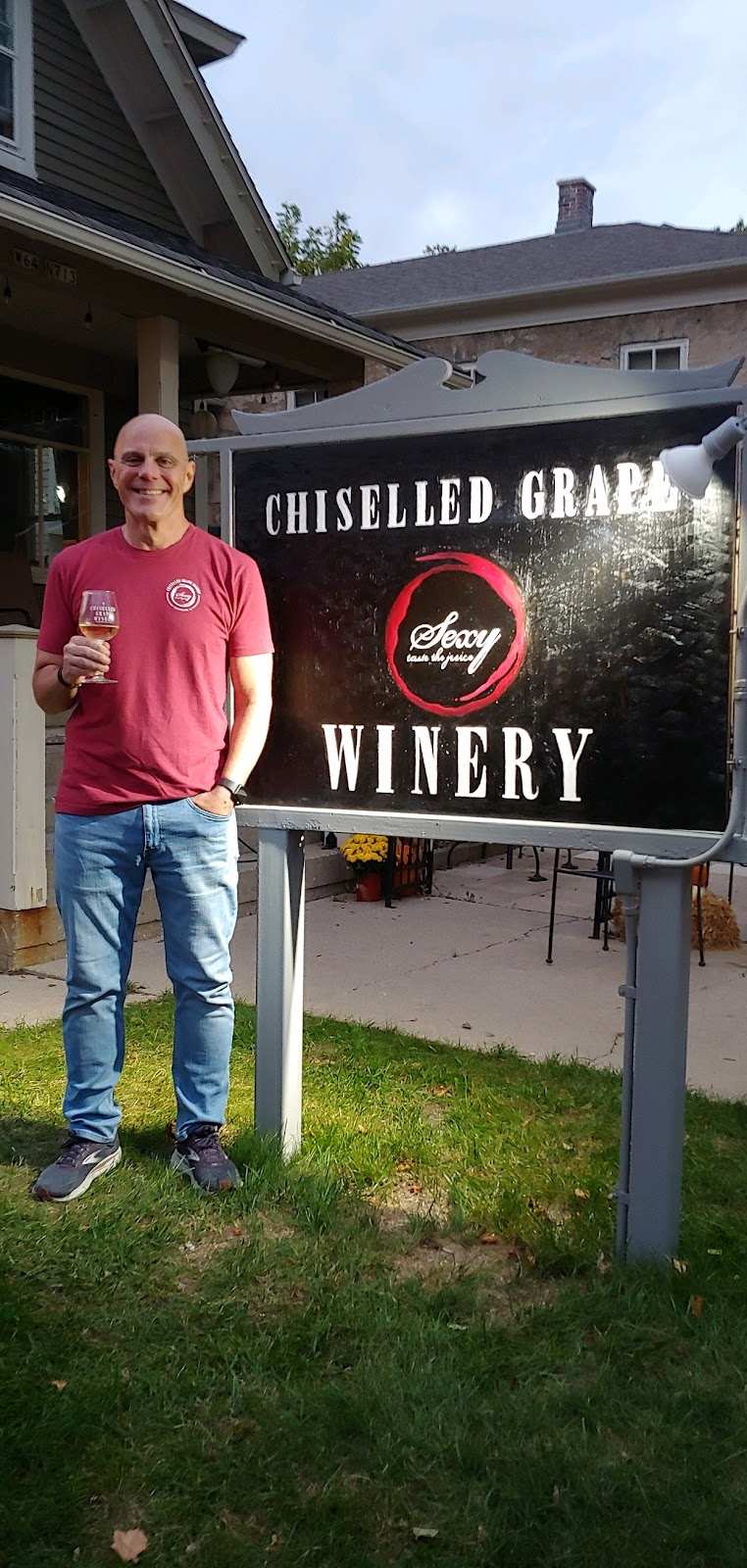
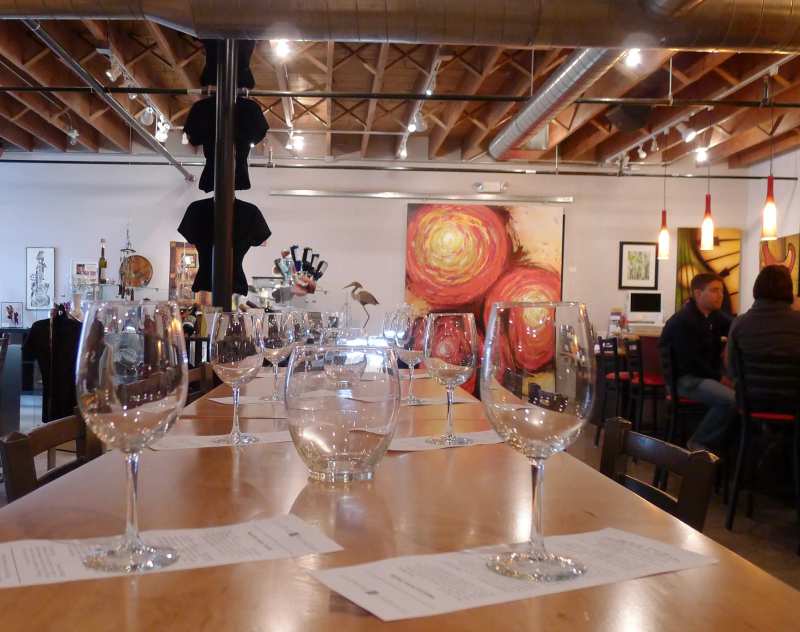
The tasting room is on Caledonia Street in the Old Towne North neighborhood, a block from a boat landing and close to the ballpark where the La Crosse Loggers play. It opens on weekend afternoons, and the season runs from spring into December, so check the days before you go. If you only drink dry reds, go anyway. More than one visitor has walked in skeptical and left with a case.
Close to town
Three more wineries sit within about 20 miles of La Crosse, in three different directions.
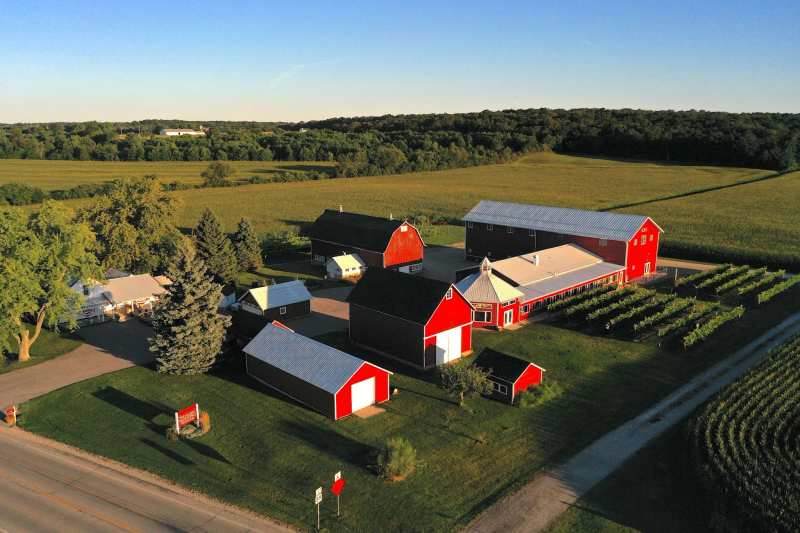
Ten miles northeast, Brambleberry Winery in West Salem is out in the country at the end of a gravel lot, and the drive is part of it. The owners, Chris and Sherry, lead guided tastings that explain how each wine is made, and the reds are the strength of the list. Brambleberry also has rooms and hosts weddings, so it can be a place to stay rather than a stop.
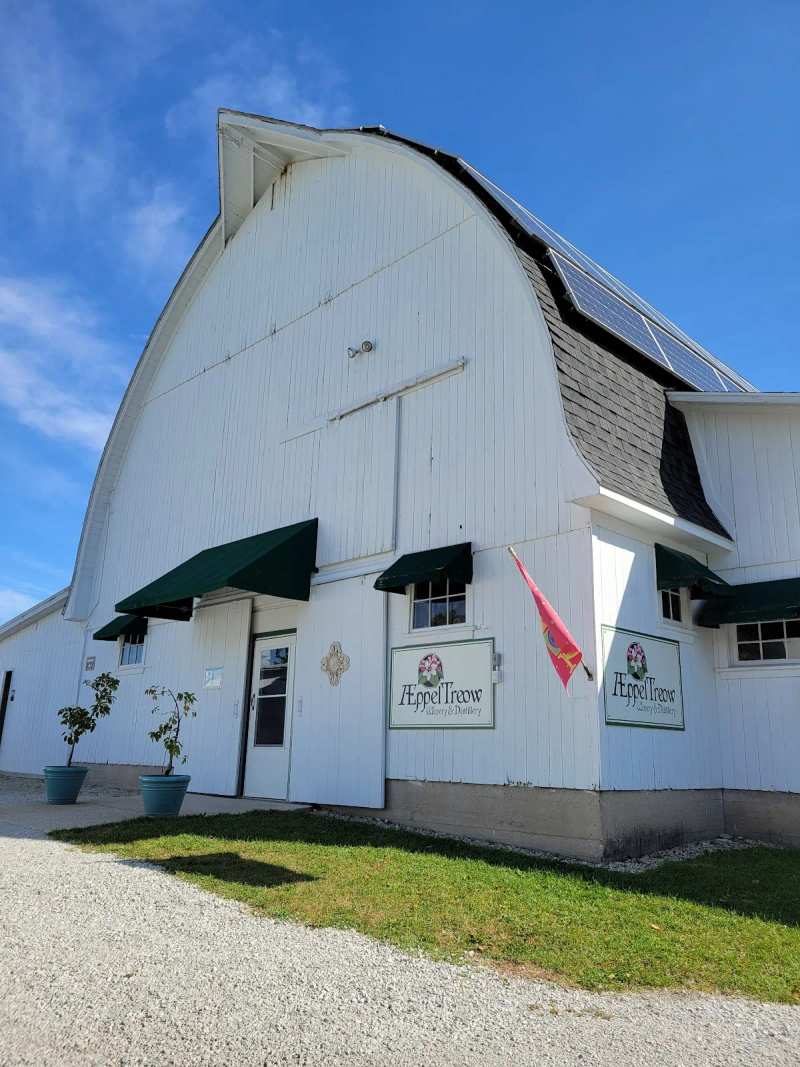
Nineteen miles southeast, Branches Winery in Westby grows more than 9,000 vines in the Driftless hills. The wines have local names, like Driftless, made from St. Croix grapes, and a pineapple-bright white called Coulee Crisp. The real draw for many people is the wood-fired pizza, eaten on the patio with a bottle. It opens later in the day and keeps a short week, Thursday through Sunday, so plan around that.
North on the Great River Road
North of Trempealeau, State Highway 35 follows the river past bluffs, backwaters and small towns. The next four wineries are spread over about 50 miles of it. Take your time.
Fifteen miles farther, Danzinger Vineyards sits on top of the bluffs above Alma. It has grown grapes there since 2003, on about 18 acres, and makes estate wines from the vineyard, including some of the better Marquette on the river. The patio and tasting room both look straight down the Mississippi, and the view is the reason it is booked for weddings most summer weekends. On a clear afternoon it is hard to leave.
Why the river wine is different
The wineries along this stretch of the Mississippi grow grapes in country the glaciers missed. The Driftless Area, which covers most of southwest Wisconsin, was never flattened by ice, so the land here is steep bluffs, deep coulees and south-facing slopes, which is exactly what a vineyard wants in a cold climate. Cold air drains downhill off the slopes, and the river moderates the temperature on the bluffs above it.
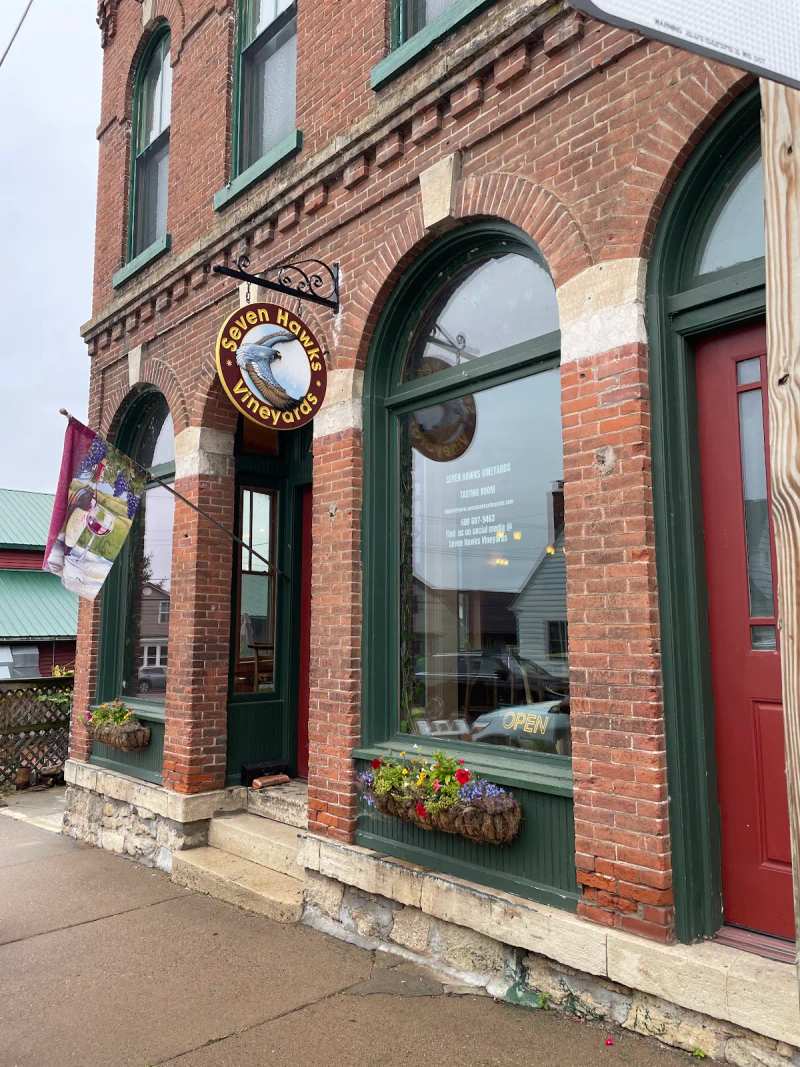
That shows up in the glass. More of the wineries on this trail grow their own grapes than in most parts of Wisconsin, and several make a point of estate wines: Elmaro, Seven Hawks, Danzinger and Branches all farm their own vineyards. The river valley has its own federally recognized wine region, the Upper Mississippi River Valley, which spans parts of four states.
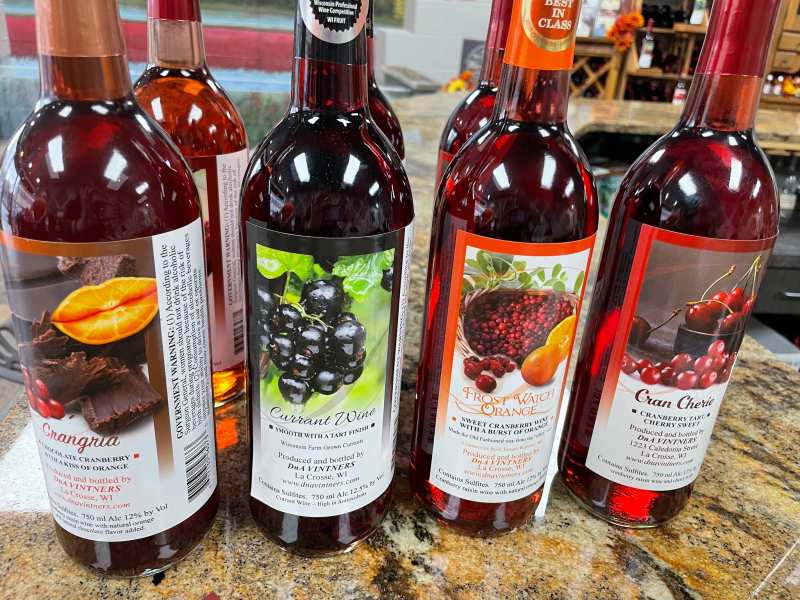
Fruit still matters. DnA Vintners builds almost everything on cranberries, which Wisconsin grows more of than any other state, and Maiden Rock is an orchard first. Between the two, you can taste most of what Wisconsin does with fruit in a single drive.
What to do between tastings
The best river day mixes the wineries with the river itself. A few stops along the way are worth building in.
In La Crosse, drive up Grandad Bluff for the view over the city, the river and three states. It is the classic first stop, and it takes twenty minutes. Paddlewheel riverboat cruises leave from the downtown riverfront in season if you want to see the river from the water.
Near Trempealeau, Perrot State Park has trails up the bluffs and views down the backwaters, and it pairs well with a picnic from Elmaro. In Alma, the lock and dam has a viewing platform where you can watch barges lock through, a good way to sober up before the bluff road to Danzinger.
Pepin is where Laura Ingalls Wilder was born, and the small town makes a good lunch stop with Villa Bellezza on the edge of it. Stockholm, at the north end, is a tiny river town settled by Swedes with a handful of galleries and shops, and Maiden Rock is just outside it.
Season by season
Late spring through October is the season on the river. Summer weekends bring live music and full patios, especially at Villa Bellezza and Danzinger. September and October are the best of it, with apples ready at Maiden Rock, harvest underway in the vineyards and the bluffs turning color along Highway 35.
Winter is quiet. DnA Vintners, Branches and several others close for part of the cold season or open only on weekends. Villa Bellezza stays open year-round, and so does Danzinger, which makes them the safe bets for a winter drive. Always check before you set out, since hours on the river change more than they do in the cities.
The Great River Road Wine Trail, explained
The Great River Road Wine Trail is a group of wineries along the Mississippi in Wisconsin, Minnesota and Iowa. It started in 2009 with nine members and has about eleven now. The Wisconsin members are the ones in this guide, from Maiden Rock in Stockholm down to DnA Vintners in La Crosse, and the trail continues across the river into Minnesota and south to Marquette, Iowa.
End to end, the trail runs about 138 miles between its northernmost and southernmost stops. The wineries are independent and keep their own hours, and some are seasonal, so treat the trail as a map rather than a schedule. The group publishes a trail map and holds joint events a couple of times a year.
Most of the wine along the river is made from cold-hardy grapes developed at the University of Minnesota, such as Marquette, St. Pepin and La Crescent, along with fruit from local orchards. Expect lighter reds, crisp whites and plenty of apple.
One day or two
In one day from La Crosse, pick a direction. Heading north, taste at Elmaro, stop at Seven Hawks in Fountain City and finish at Danzinger above Alma for the view, about 50 miles one way. Staying close, pair DnA Vintners in town with Brambleberry and Branches for an afternoon of country roads.
With two days, drive the whole river. Start at DnA Vintners, work north through Trempealeau, Fountain City and Alma, sleep at Seven Hawks or in one of the river towns, then do Villa Bellezza for lunch and Maiden Rock for cider on the way back. Highway 35 is slow, with speed limits that drop through every town, and that is fine. It is the reason to go.
Coming from Minneapolis or St. Paul, run the trail in reverse. Stockholm, at the north end, is much closer to the Twin Cities than to La Crosse, so start with cider at Maiden Rock and lunch at Villa Bellezza, then work south along the river toward Alma and Fountain City. Crossing back into Minnesota at Wabasha or Winona makes an easy loop home.
Several of these wineries close one or more weekdays and shorten their season in winter. Check hours for each one before you set out, and plan who is driving. Pull-offs on Highway 35 are narrow, and the bluff roads to Danzinger and Seven Hawks are steep.
Frequently asked questions
Published August 31, 2026