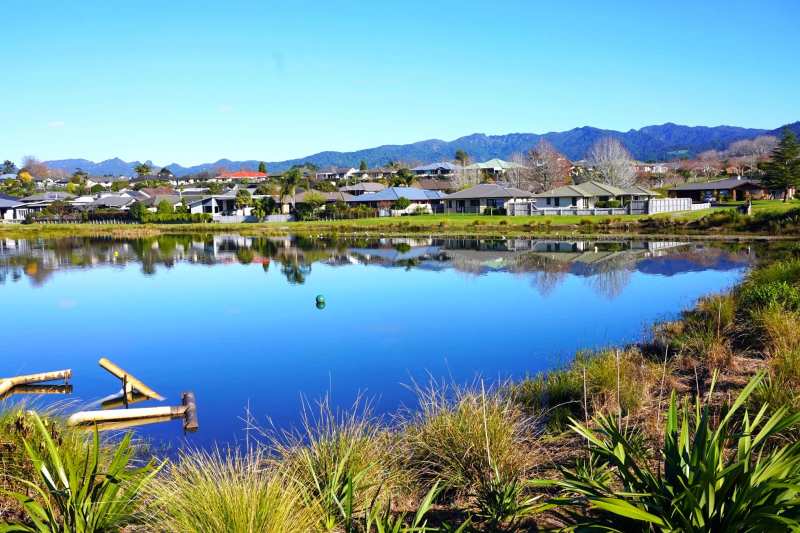
Drive north from Tauranga on State Highway 2 and the orchards close in: avocado shelter belts, kiwifruit under netting, the Kaimai Range dark along the left of the windscreen. Then the road becomes Main Road, the walls start telling stories in paint, and you are in Katikati, a town of about 6,000 people at the top of Tauranga Harbour. Most people meet it at 50 km/h on the way somewhere else. It rewards the ones who pull over.
This is the plain version of what Katikati is: where it sits, where the name comes from, why the buildings are painted, and what to do with an hour, a day or a weekend here.
Where is Katikati?
Katikati is in the western Bay of Plenty on New Zealand's North Island, about 40 km by road north-west of Tauranga and 28 km south of Waihi. It is a Bay of Plenty town, not a Waikato one, and it falls under Western Bay of Plenty District Council.
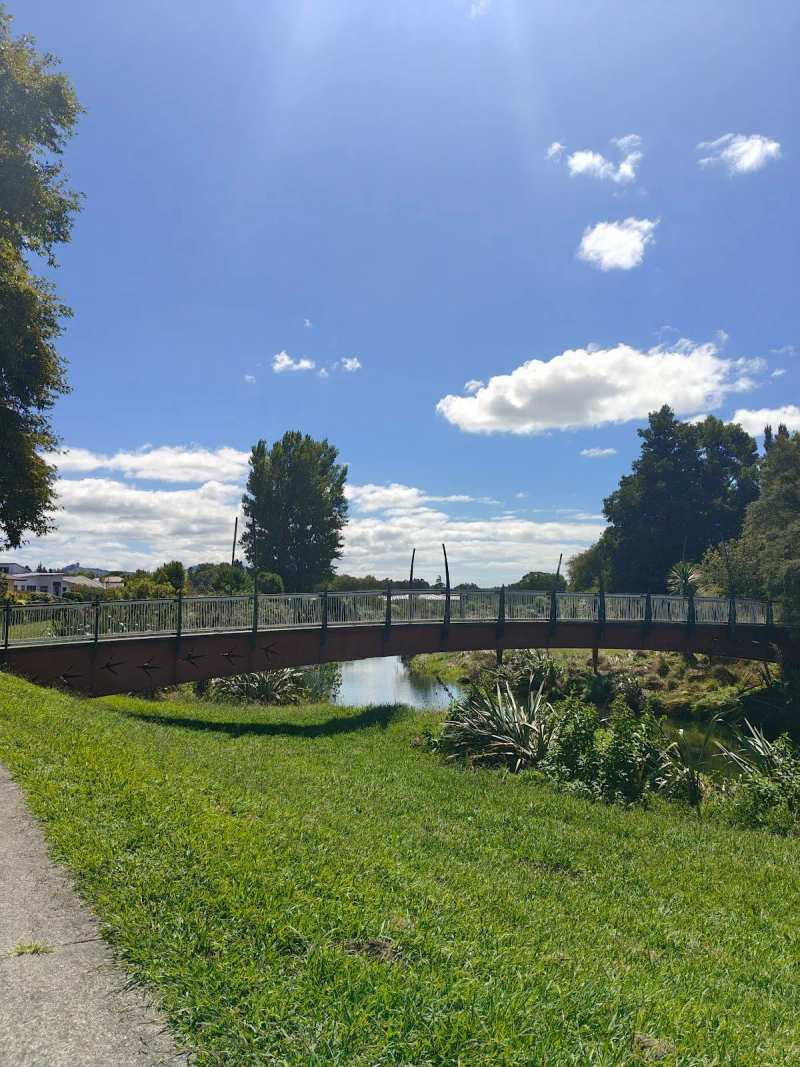
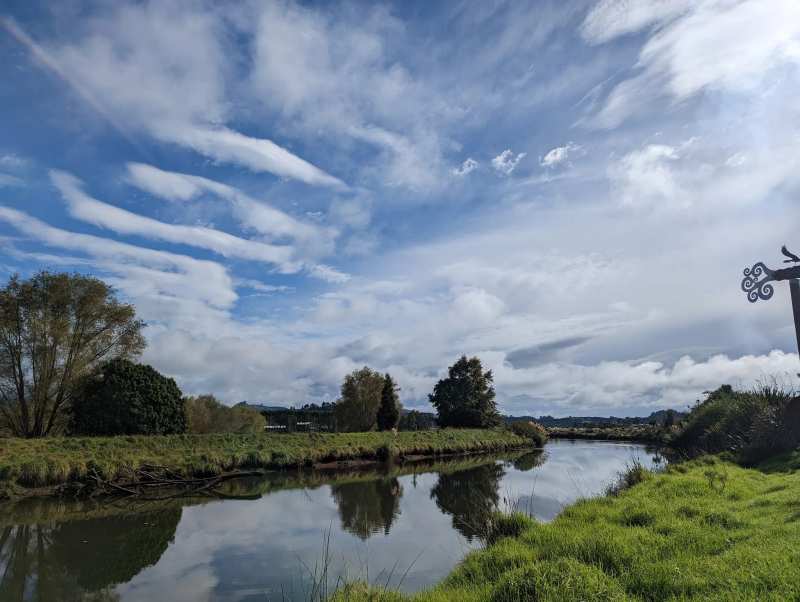
Main Road is also a useful map. The red Old Fire Station at number 32 is the museum, The Arts Junction is next door at 36, the War Memorial Hall across the road at 29 hosts the Sunday farmers market, and Diggelmann Park at 79 has the public toilets and a place to pull over. Haiku Park runs along the stream behind the western side of the shops.
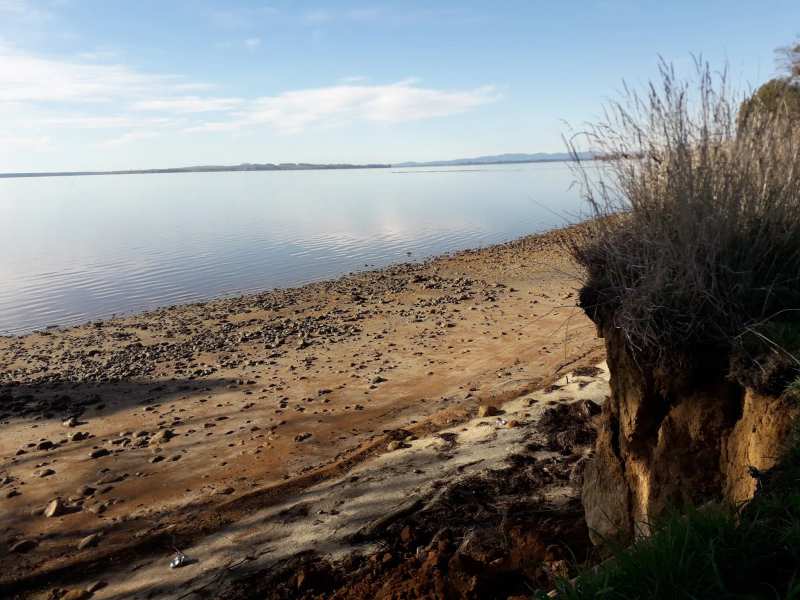
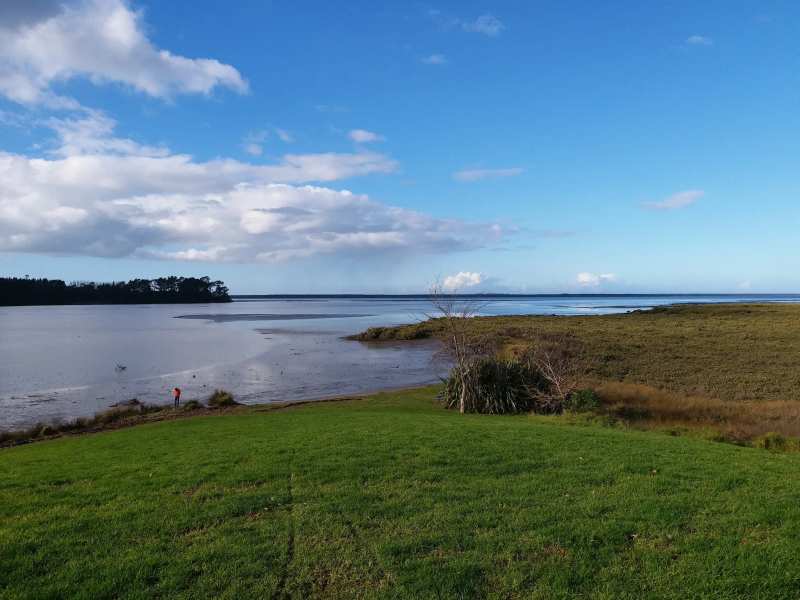
Orientation is simple. The harbour is to the east, the Kaimai Range to the west, and almost everything a visitor needs is on or just off a few blocks of Main Road. Measured in a straight line, Athenree is about 9.5 km north, Waihi Beach about 17 km north, Ōmokoroa about 13 km south-east and central Tauranga about 26 km south-east. The postcode for the town is 3129.
How Katikati got its name
Katikati is a Māori name. The telling recorded by NZHistory and the Western Bay of Plenty heritage archive is Katikati-o-Tamatekapua, the nibbling of Tamatekapua: when Tamatekapua, commander of the Arawa canoe, stopped here to eat, his crew ate quickly and he nibbled slowly. The name originally covered a wide district, from Bowentown down through Tahawai to where the township now stands.
The area's Māori history runs through more than one line. Wikipedia's account traces the original community to the Mātaatua waka and its affiliation with Ngāi Te Rangi, the Tauranga iwi. Two marae serve the district today: Te Rere a Tukahia Marae, with its meeting house Tamawhariua, affiliated with the Ngāi Te Rangi hapū Ngāi Tamawhariua; and Tuapiro Marae, affiliated with the Ngāti Ranginui hapū Ngāti Te Wai.
There is also a settler-era story that the town was briefly meant to be called Waterford, and the name changed so its founder would not pay extra to add "New Zealand" to telegrams from Ireland. NZHistory prints that one with the word "reputedly" attached, which is the right amount of salt to take it with.
A short history of Katikati
People lived and grew food on this coast for centuries before 1875. The volcanic soils that suit avocados now suited kūmara then, and archaeologists worked on an old Māori settlement at Te Kauri in the early 1960s.
The land the town stands on was confiscated from Māori in 1864 after the New Zealand Wars. The Tauranga Land Act 1867 reduced the confiscated area, the Crown then bought this block, and it was given to settlers. In 1875 and 1878 George Vesey Stewart brought two shiploads of mostly Ulster Protestant settlers, many from County Tyrone, on the Carisbrook Castle and the Lady Jocelyn. The street names still carry that period: Carisbrooke Street, Jocelyn Street.
The settlement was organised in two classes that Stewart himself described as "the settlers useful", tenant farmers, and "the settlers ornamental", families with money. It survived hard early years and grew into a farming town.
Kauri gum digging kept people going through lean years, since Katikati sat near the southern limit of where kauri grew. Dairying followed, then kiwifruit, then avocados. The railway went in and came out again: the East Coast Main Trunk line closed through here in 1978 when the Kaimai Tunnel opened. The town marked 150 years since the 1875 settlement in 2025.
The Western Bay Museum, in the red Old Fire Station on Main Road, tells this story in detail, but it closed on 30 August 2026 for a $1 million renovation and is scheduled to reopen in March 2027. Until then, the murals do most of the history-telling.
Rugby has its own chapter. Dave Gallaher, who captained the 1905 All Blacks known as the Originals, grew up in Katikati, and the Gallaher family is one of the subjects painted on the town's walls.
Who lives in Katikati now
Katikati is a growing town with an older population. The 2023 census counted 5,580 people, up 34 percent in ten years, and Stats NZ estimated about 6,030 by June 2025. The median age was 51, against 38 for New Zealand as a whole, and more than a third of residents were 65 or older.
You can see the shape of that on the ground: an aged-care village on the northern edge of town, three op shops along Main Road, and two bowling greens on Park Road. It is not only a retirement town, though. Katikati Primary School and Katikati College have close to 1,300 students between them.
Why Katikati is Mural Town
The walls are painted because, in 1990, the town needed a reason for passing traffic to stop. A bypass was being planned that would have taken State Highway 2 away from Main Road, the kiwifruit industry was struggling, and a group of locals borrowed an idea from Chemainus in Canada: paint the town's own history on its walls. Katikati Open Air Art was formed that year. By 1996 there were two dozen works; there are now dozens more, and the murals along Main Road take about an hour to walk properly.
The project worked. In 2005 Katikati won New Zealand's Most Beautiful Small Town award for towns under 8,000 people, and the bypass that started it all has since been dropped. Through-traffic still rolls down Main Road, which is good for the cafés and less good if you are trying to cross it at 8am.
New Zealand's Avocado Capital
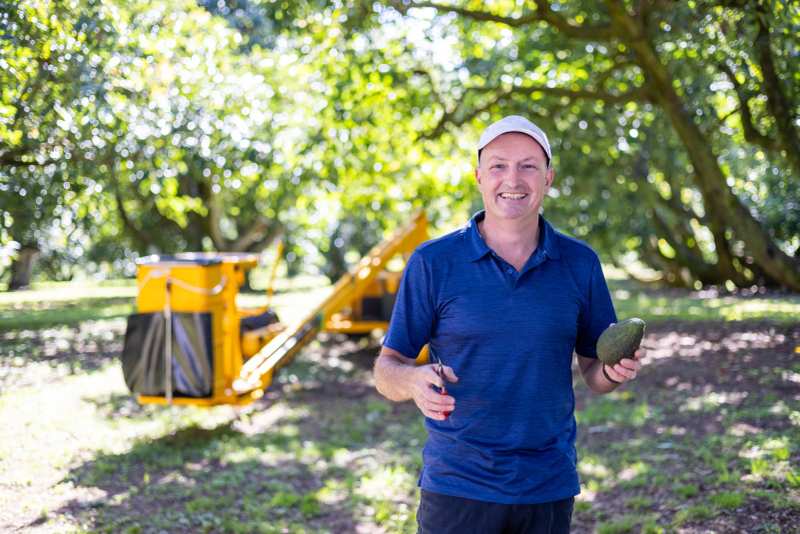
Katikati was officially named the Avocado Capital of New Zealand in 2018, and you can see why from any rise outside town. Avocado and kiwifruit orchards run from the harbour edge up into the Kaimai foothills, and in harvest season the roadside stalls fill up with fruit straight off the trees.
Every January the town throws the Katikati Avocado Festival at Uretara Domain, a one-day food, wine and music festival that has run since 2004. Book accommodation early for that weekend.
What to do in Katikati first
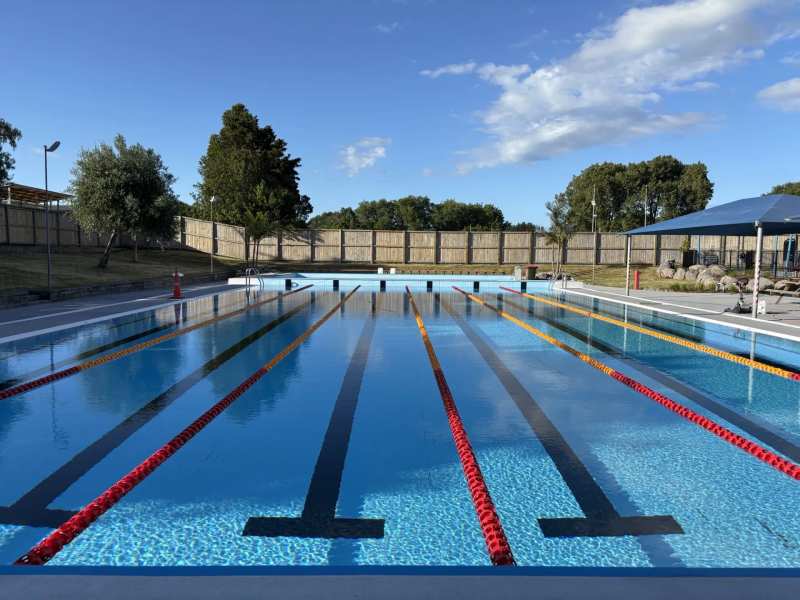
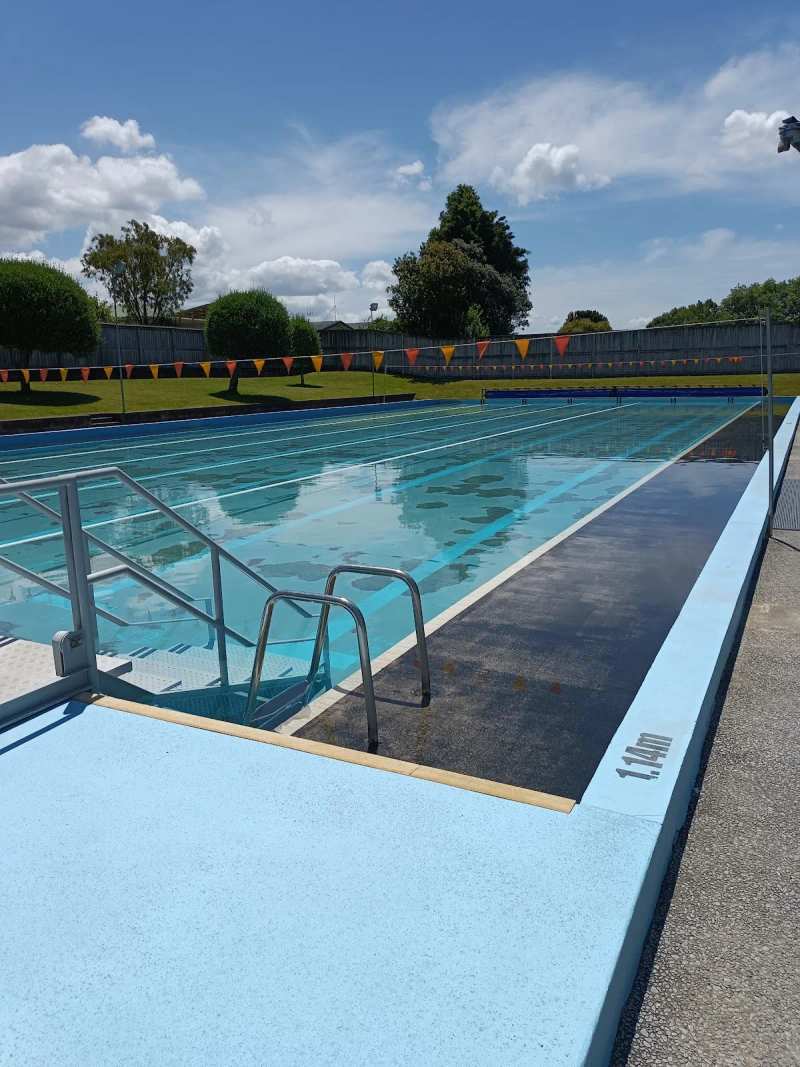
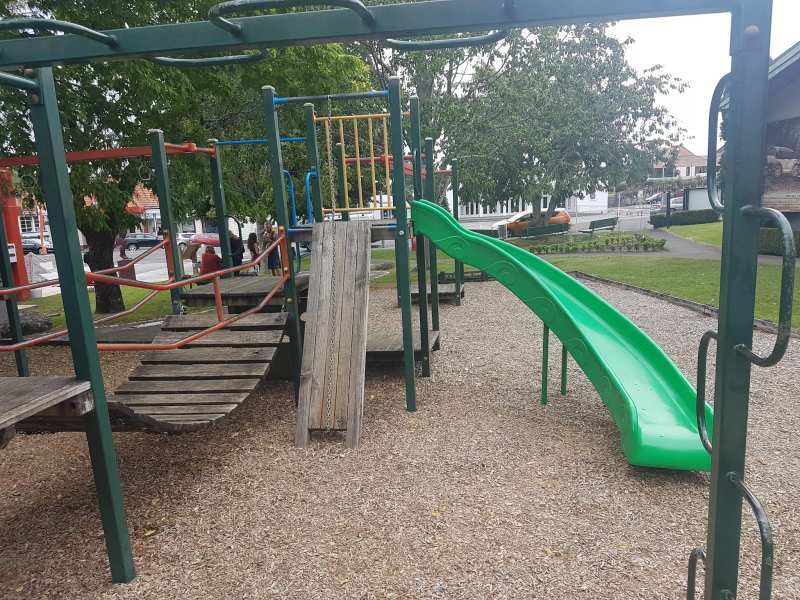
With an hour, walk the Haiku Pathway and a stretch of Main Road murals, then get a coffee. With a day, add the Bird Gardens, a warm pool or a harbour walk. With a weekend, head up into the Kaimai bush or out to a cellar door.
The rest of the list, from the orchard tour and the distillery to the skate park and the pools, is set out in things to do in Katikati, grouped by how long you have.
Eating, staying and getting around
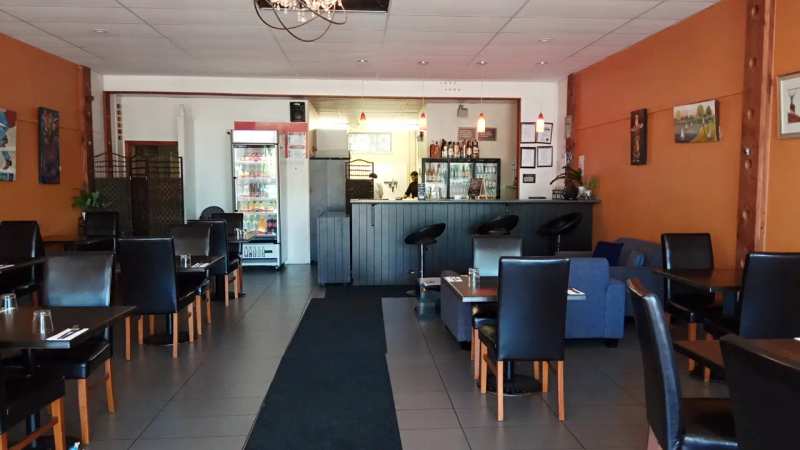
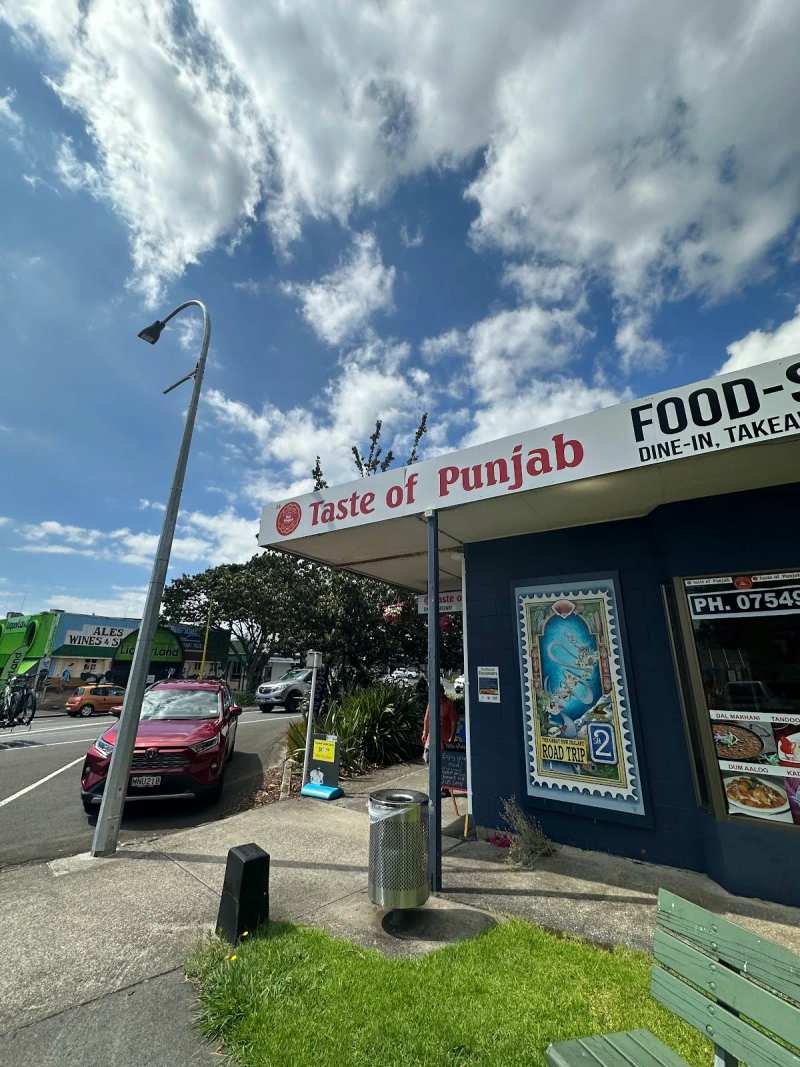
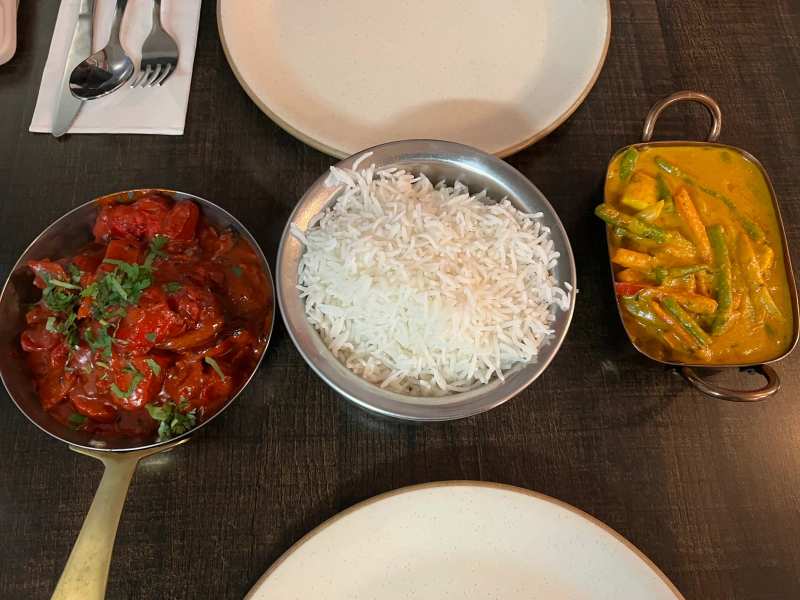
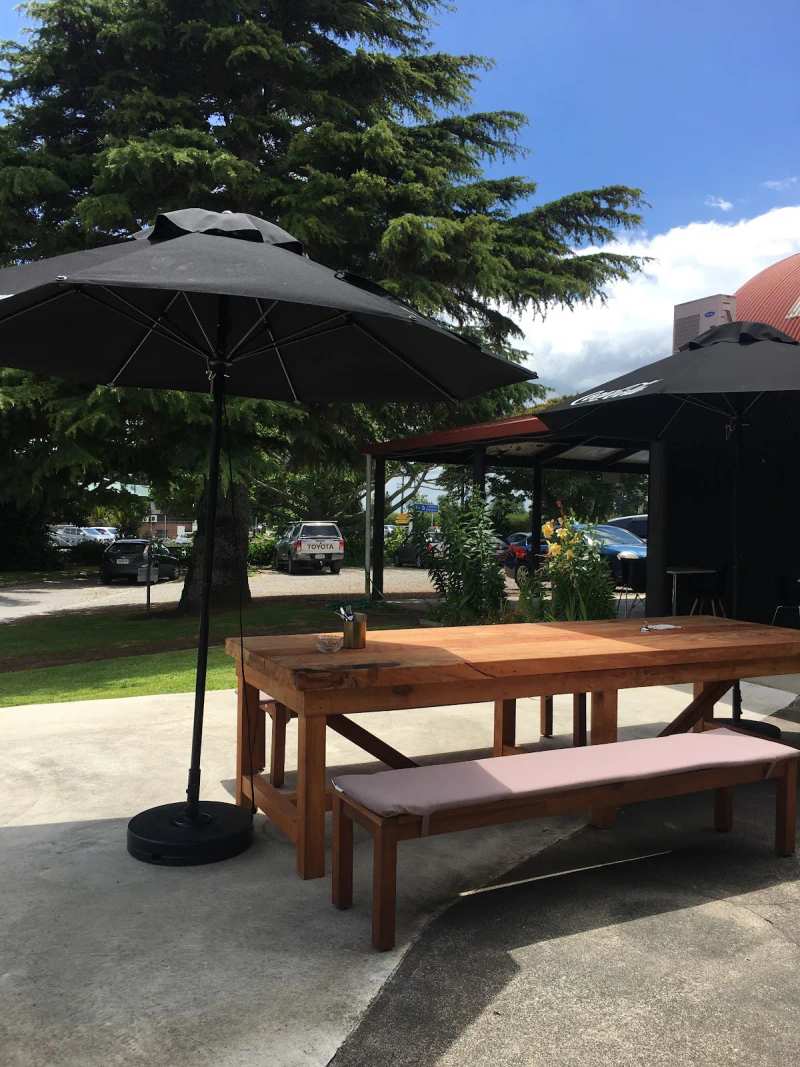
Most of the food is on Main Road. Katikati restaurants run to three Indian kitchens along Main Road, an Italian dining room, pizza and fish and chips. Daytime is café territory, and most café kitchens close by mid-afternoon.
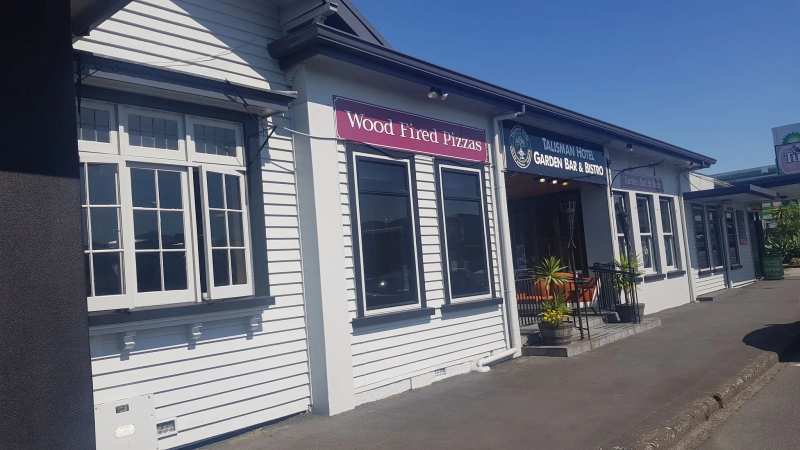
The Talisman Hotel at the northern end of Main Road is the dependable dinner option, with a restaurant, a pub bar and a garden bar serving lunch and dinner seven days.
For a bed, there are places to stay on Main Road, out in the orchards and in the bush: two motels in town, country lodges and cottages, glamping and freedom camping.
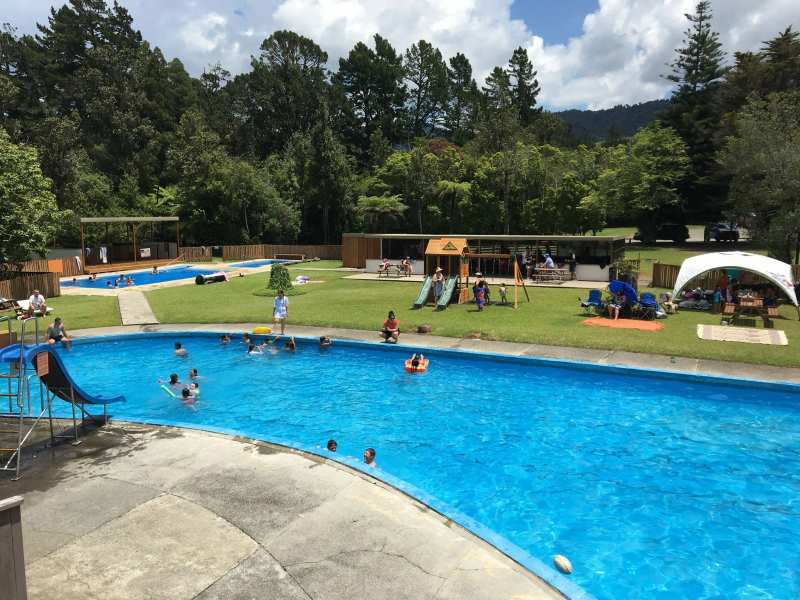
Two of those places come with warm water attached. Sapphire Springs, about 5 km south-west of the centre at the foot of the Kaimai Range, is a bush holiday park built around spring-fed pools.
For supplies, the supermarket, a pharmacy, two banks and the library all sit along Main Road within a short walk of each other, so a stop for groceries and a stop for murals can be the same stop.
Buses to Tauranga leave from opposite the Information Centre. The drive to Tauranga is about 40 km on State Highway 2, most of it posted at 80 km/h, with a 60 km/h school zone at Pahoia at peak times.
When to visit Katikati
January to March is the settled, warm stretch, with average daily highs around 24°C and January the driest month. July is both the coolest and the wettest, with nights averaging about 5°C. Katikati weather through the year is mild enough that there is no truly bad month to visit, only different things to do in each.
Summer brings the festival, the harbour at high tide and the busiest accommodation. Winter brings empty walking tracks and the best argument for a hot pool. Either way, it is a town that makes more sense once you stop the car.
Frequently asked questions
Published September 13, 2026