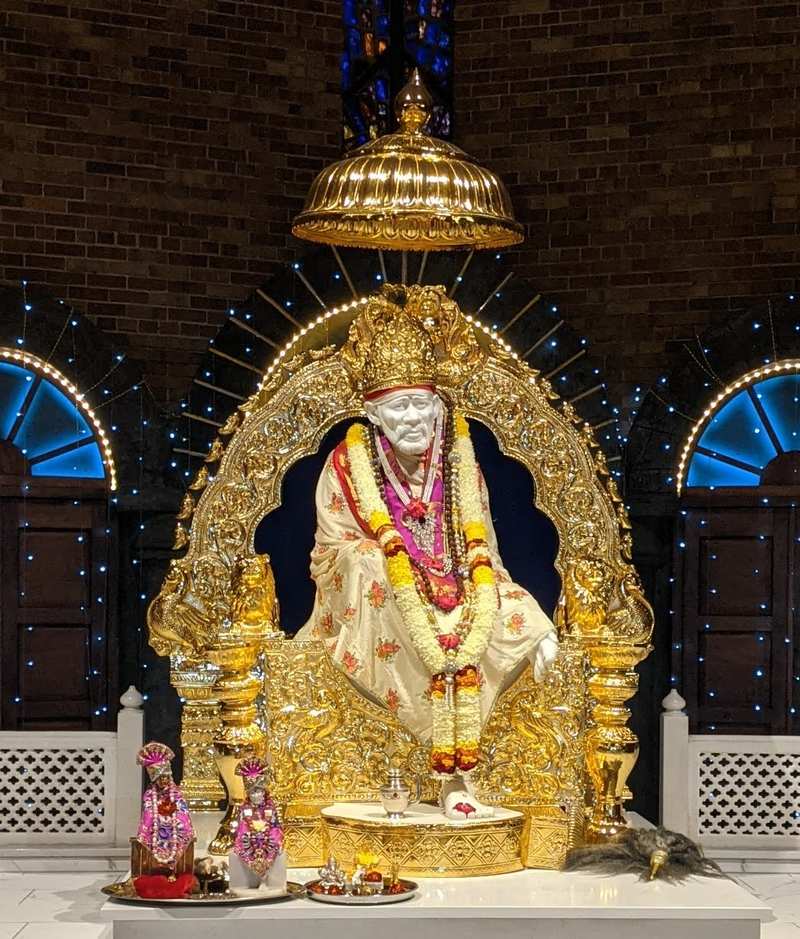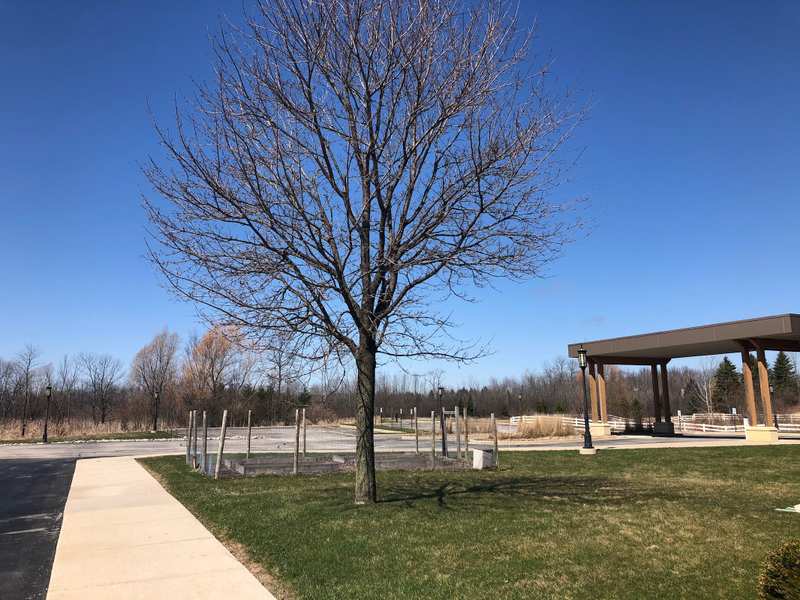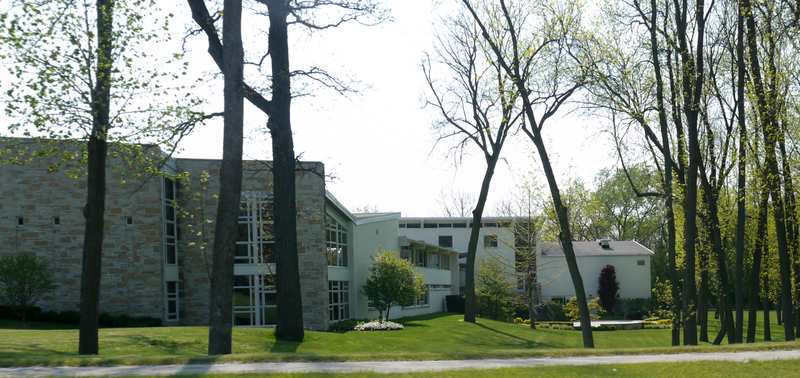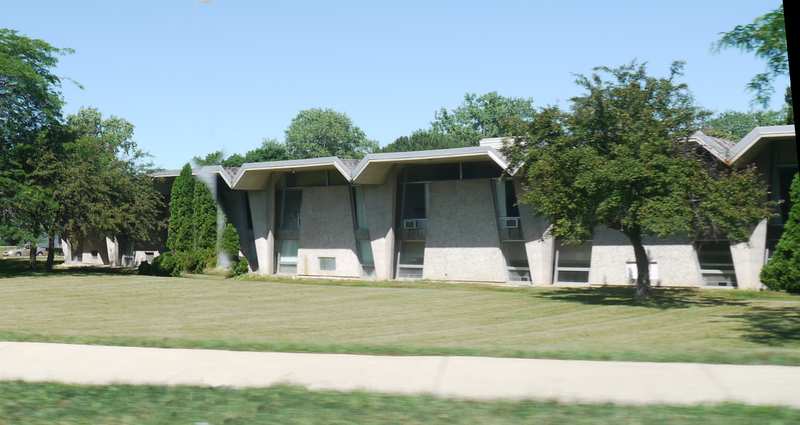
Wisconsin is the only state in the country with a Marian apparition approved by the Catholic Church, and the shrines in Wisconsin run from that hilltop chapel near Green Bay to a hand-built folk-art grotto near the Iowa line. In between are a basilica on a glacial hill, a neoclassical shrine in the bluffs above La Crosse and a cluster of smaller grottoes and chapels that rarely make the travel lists.
This guide covers them all and shows how to plan the route, because they are spread across the state and nobody sees them in one day. If you are making a pilgrimage, it also explains the free Pilgrim Passport the three Marian shrines share.
The three Marian shrines and the Pilgrim Passport
Holy Hill near Hubertus, the National Shrine of Our Lady of Champion near Green Bay, and the Shrine of Our Lady of Guadalupe in La Crosse have joined forces on a statewide Pilgrim Passport. It is a free 24-page booklet available at all three, and you get a special stamp at each one.
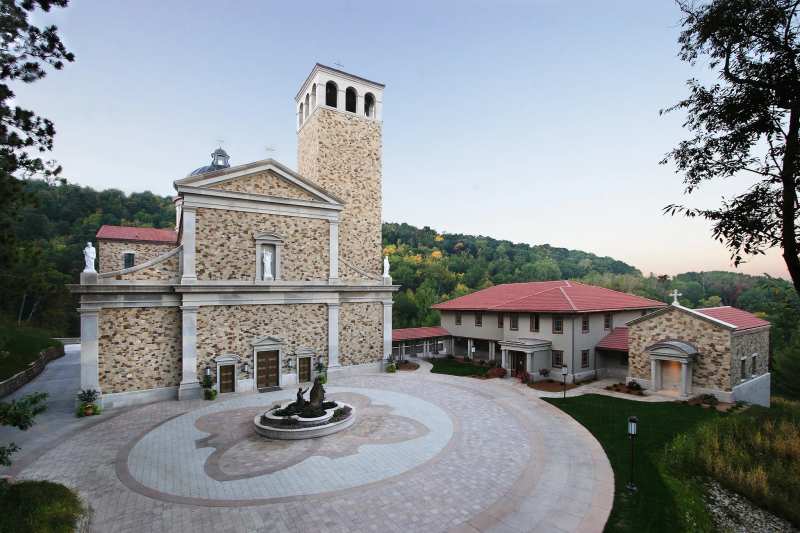
The rector at Champion describes the passport as a reminder of what a pilgrimage is for: an encounter along the way. For a visitor who is not on a pilgrimage, it is still a good excuse to see three very different places: a 19th-century prairie chapel, a hilltop basilica and a 21st-century neoclassical church in the woods.
Champion: the only approved apparition in the United States
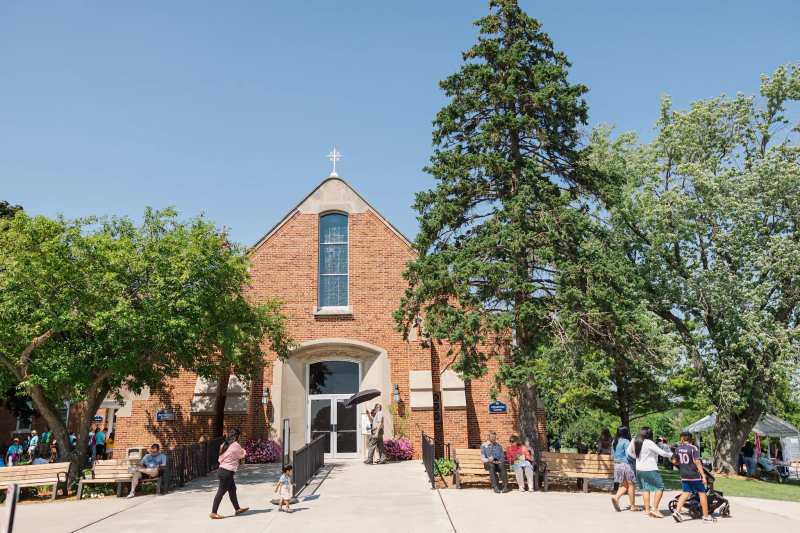
A quiet visit to Champion takes an hour or two. Start in the upper church, go down to the crypt where the apparitions are said to have happened, then walk the outdoor Stations of the Cross and find the small cemetery where Adele is buried. The October procession is the one time of year the grounds are crowded.
The shrine has gone by several names. The Catholic Herald's guide lists it as the Shrine of Our Lady of Good Help, the title Adele's community took, and today it is formally the National Shrine of Our Lady of Champion. Locals have used both.
Adele spent the rest of her life teaching the catechism to local children, as she said Mary had asked her to. She founded a boarding school and a third-order community called the Sisters of Good Help at the site, and locals called the place La Chapelle, the chapel.
The story locals still tell is about the Peshtigo Fire of October 8, 1871. That night, the faithful carried a statue of Mary around the six-acre grounds in prayer. Everything outside the circle burned, and everything inside was spared. The procession is re-enacted every October. Adele died in 1896 and is buried in a small cemetery on the grounds.
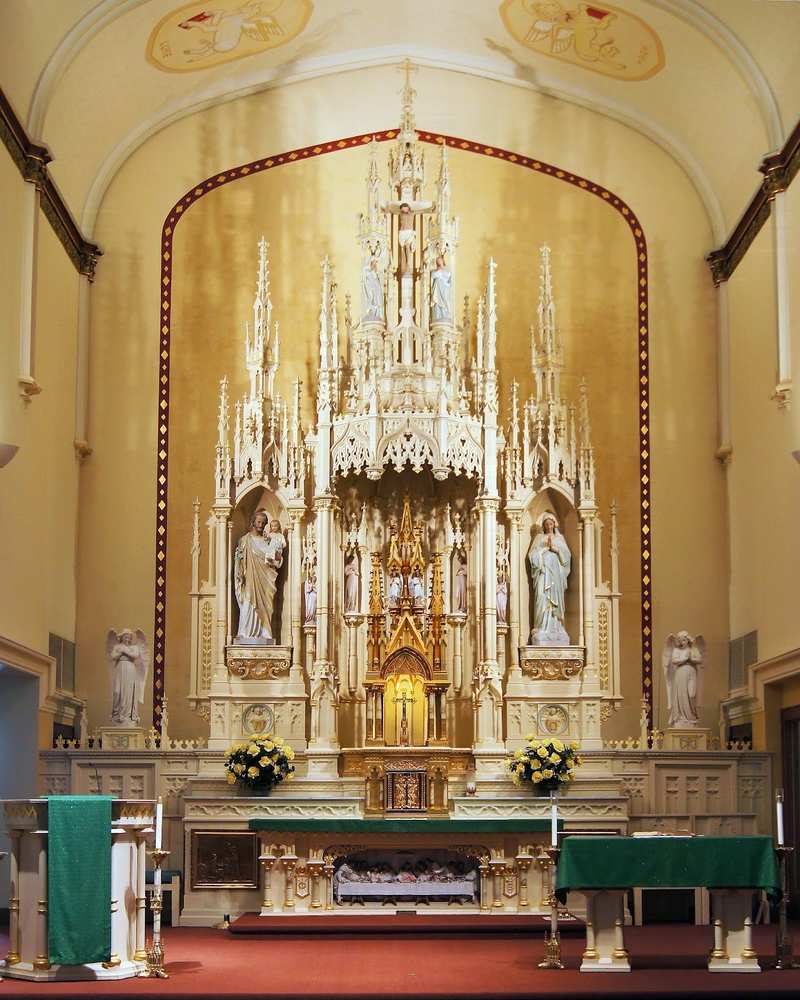
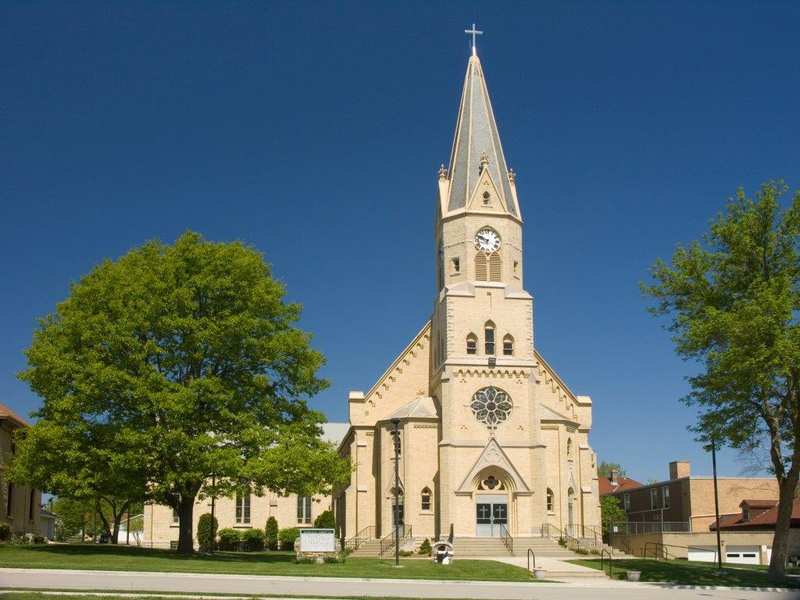
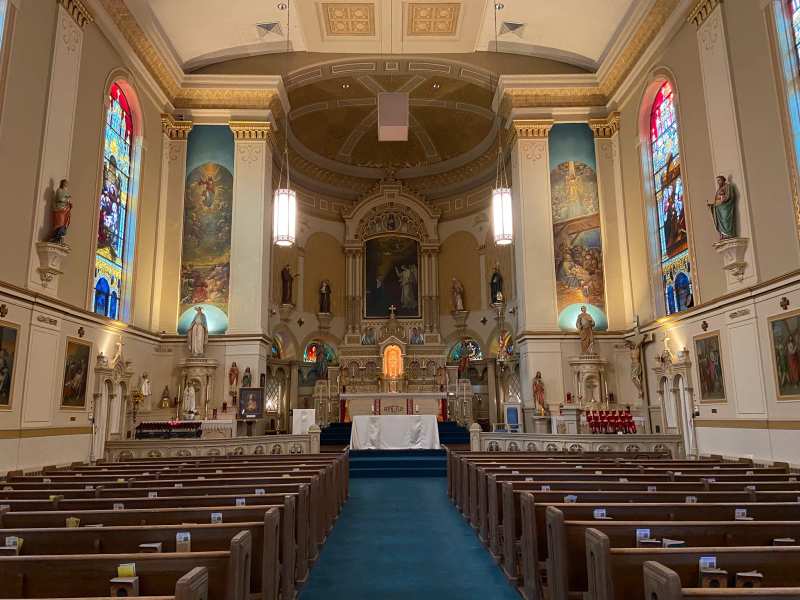
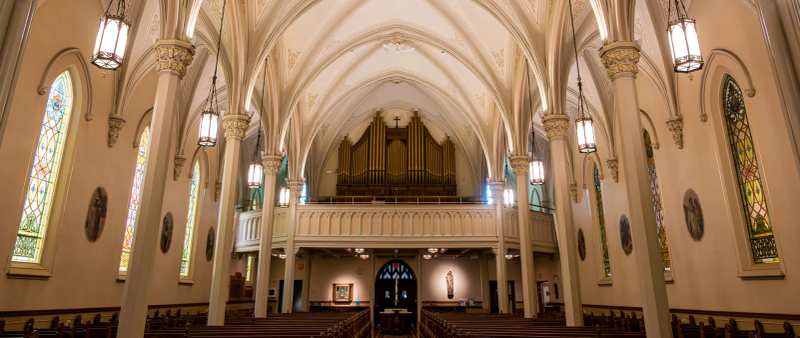
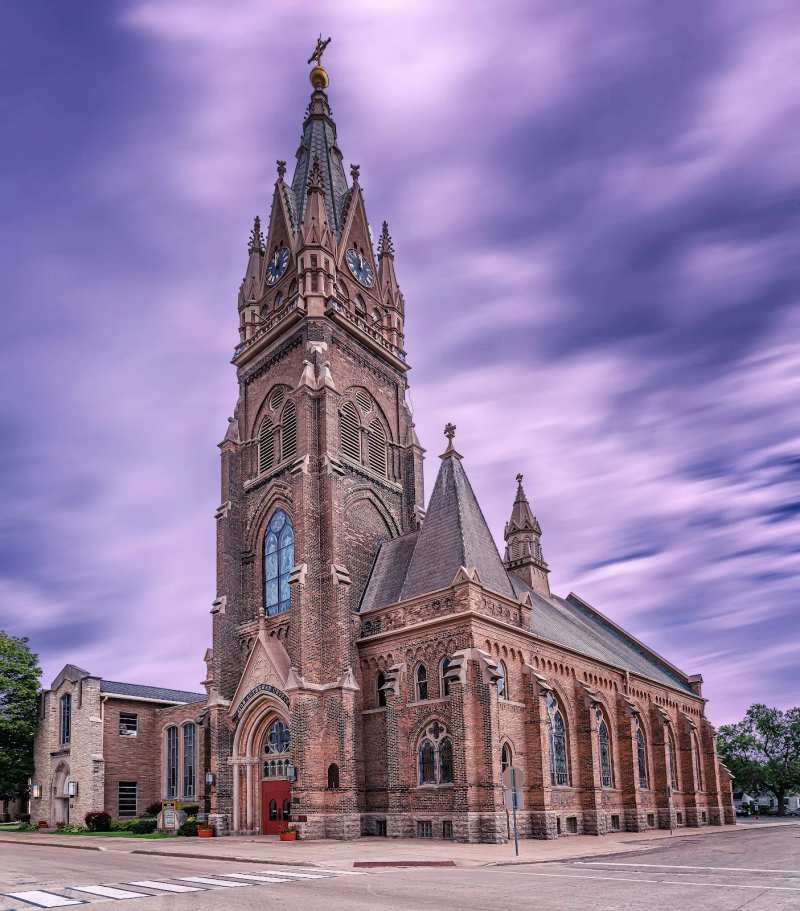
The present chapel, the fourth on the site, was dedicated on July 12, 1942. The crypt holds a statue of Mary on the spot of the apparitions, along with crutches left by people who say they were cured. Upstairs, look for the processional statue, a stained glass window of the maple and the hemlock, and relics of the two trees. The grounds also have outdoor Stations of the Cross, grottoes, a roadside shrine and a gift shop, and the shrine is open daily.
Holy Hill
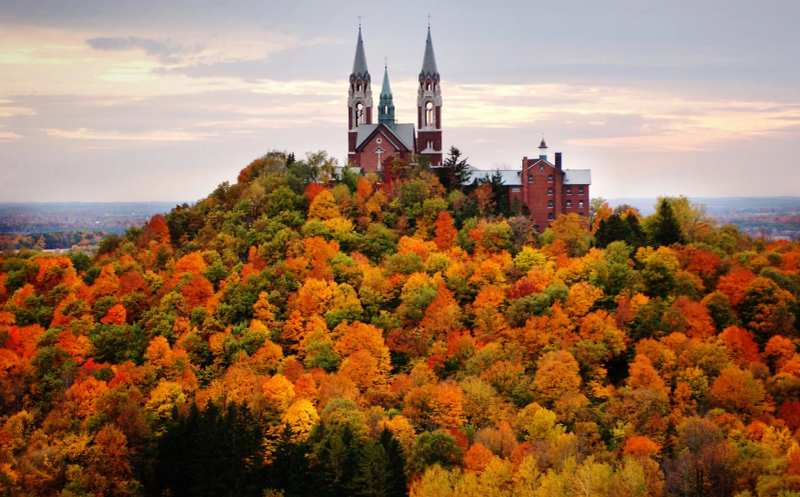
For pilgrims, the heart of Holy Hill is the Shrine Chapel, with its statue of Our Lady of Holy Hill and the crutches left by those who believe they were healed. For everyone else, it is the 178-step Scenic Tower and the view over the Kettle Moraine. Holy Hill's tower, trails and cafe make it a full day on their own.
The Catholic Herald's guide notes that the shrine stands at the highest elevation in southeastern Wisconsin, about 1,300 feet, on 435 acres of rural countryside, and that its cafeteria in the Old Monastery Inn is known for its desserts. Pilgrims collecting passport stamps often make Holy Hill the easiest of the three, since it is closest to Milwaukee and Madison.
The Shrine of Our Lady of Guadalupe, La Crosse
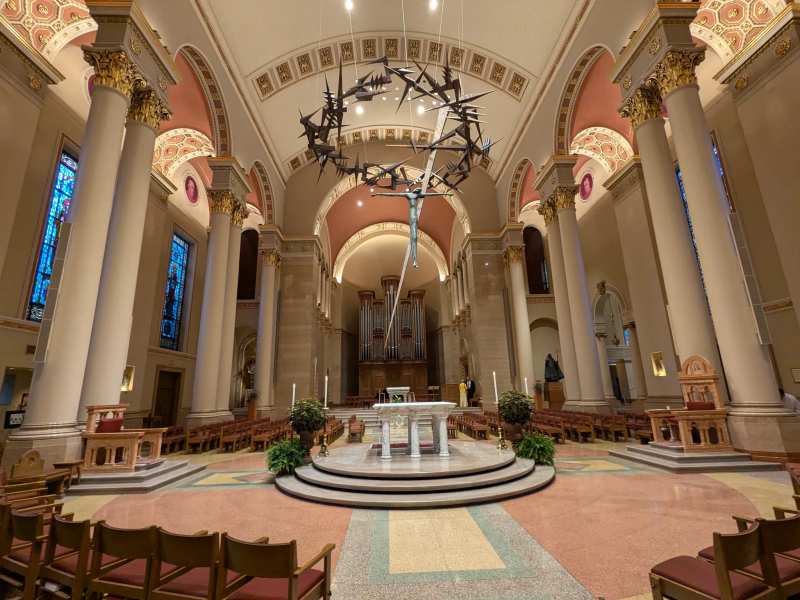
The visit is built as a walk. A winding path climbs the hill past devotional stops dedicated to American saints. Along the way you pass the Votive Chapel, a rosary walk that circles the hillside and a Memorial to the Unborn, an open-air pavilion with gardens and papal writings set around its columns. The Shrine Church at the top is a neoclassical building that the Catholic Herald calls the highlight of the pilgrimage.
The shrine has its own cafe, the Culina Mariana, so you can make a morning of it without leaving the grounds. Come in any season; the shrine is designed to be walked year-round.
What is a grotto?
Several of the shrines in this guide are grottoes, and the word confuses people. A grotto shrine is an artificial cave or rock structure built to honor Mary or a saint, usually inspired by the grotto at Lourdes in France, where Bernadette reported her visions. Catholic parishes across the Midwest built them in the early 20th century, often by hand and often from whatever materials the parish could gather.
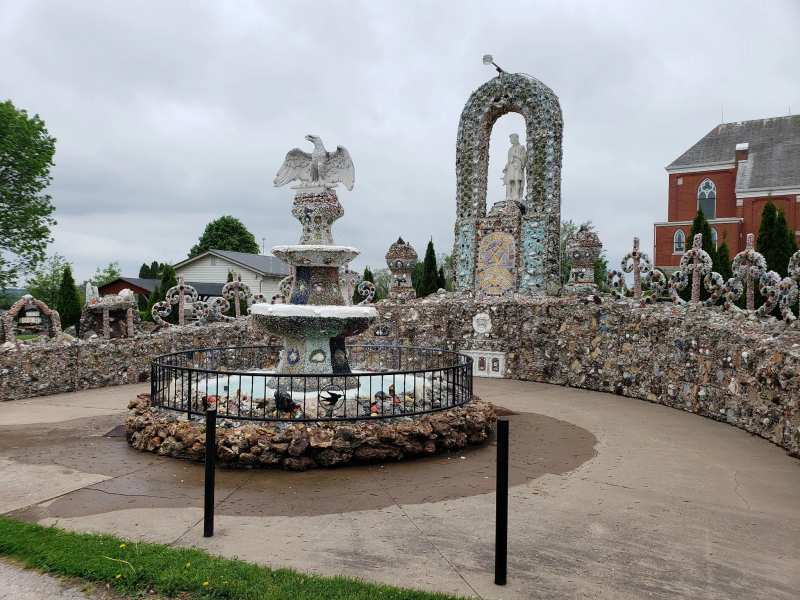
Wisconsin's grottoes took that tradition further than most. At Dickeyville and Rudolph, priests and volunteers set stone, glass, shells and found objects into walls and arches until the shrines became works of folk art in their own right. They are devotional places above all, but you do not need to be Catholic to be moved by the sheer labor in them.
Dickeyville Grotto: folk art and faith
The shrines stand among flower gardens and are made of stone and mortar set with a dazzling mix of brightly colored materials: glass, shells, stones, pottery and found objects. Some honor saints and Mary; others honor the United States, which is what makes Dickeyville unusual. It is the sort of place where you spend twice as long as you planned, picking out the bits of bottle glass and seashell in the walls.
The grotto is open daily, and guided tours run in the summer months with weekend tours into October. A religious gift shop is on site. It sits just off Highway 151 on Highway 61, an easy stop on a drive along the Mississippi.
Rudolph Grotto Gardens
The Catholic Herald calls it the largest hand-built grotto of its kind in Wisconsin. Nearly seven acres of natural ground are set with rock art and sculpture, and the highlight is the Wonder Cave, a walk-through passage lined with shrines, which has a small admission charge while the grounds themselves are free. Check the season before you go; the grotto has historically opened from late spring through summer, and groups of 30 or more are asked to book ahead.
Rudolph sits in central Wisconsin, about 86 miles northeast of the La Crosse shrine and about 100 miles west of Champion as the crow flies, so it fits naturally between the two on a cross-state drive.
The National Shrine of St. Joseph, De Pere
About 18 miles southwest of Champion, the National Shrine of St. Joseph sits in the crypt of St. Norbert Abbey in De Pere. It was created in 1891 and entrusted to the Norbertine order in 1898.
Its statue of Joseph holding the child Jesus originally stood in St. Joseph Church on the grounds of St. Norbert College. Father Joseph Durin started a perpetual novena to St. Joseph in 1888, Pope Leo XIII approved his association in 1892, and later that year the statue received two crowns, one for Joseph and one for Jesus. It moved to the abbey crypt after the abbey was built in 1959, and the weekly novena continues. Pair it with Champion for a day around Green Bay.
Shrines and sacred places around Milwaukee
Milwaukee's own Schoenstatt shrine, known as the exile shrine, was built in 1954 at what is now St. Vincent Pallotti Church on West Wisconsin Avenue. Father Joseph Kentenich, the movement's founder, was sent to Milwaukee in 1951 to serve German-speaking immigrants after nearly four years in the Dachau concentration camp, and his years in the city make Milwaukee important in the movement's history. The Catholic Herald counts 195 identical shrines in 32 countries.
Also in Milwaukee, St. Joan of Arc Chapel at Marquette is a 15th-century French chapel moved stone by stone to the campus, with the stone the saint is said to have prayed on.
The School Sisters of St. Francis motherhouse chapel on Layton Boulevard is a 1917 Italian Romanesque church. the city's great churches fill in the rest of the city.
South of the city, the Sacred Heart Monastery in Franklin, run by the Priests of the Sacred Heart, is a quiet place for prayer and retreats.
Durward's Glen and the north
In the Baraboo Bluffs, about 10 miles southeast of Baraboo, Durward's Glen is a 40-acre property on the National Register, named for the family of Bernard Isaac Durward, who moved there in 1862. From 1932 until 2006 it belonged to the Order of St. Camillus, and it is now kept up by a local group. The grounds are open to the public, with hiking trails, a grotto to Mary, Stations of the Cross, an outdoor chapel and a retreat center.
Farther north, on Madeline Island in Lake Superior, St. Joseph Church in La Pointe is the oldest Catholic church in the Diocese of Superior; Father Frederic Baraga founded a church on the island in 1835 to minister to the Ojibwe, and the present building dates to 1902. It opens for Mass from Memorial Day into early October, a short ferry ride from Bayfield.
Superior and the Lake Superior shore
In the far north, the Cathedral of Christ the King in Superior is the mother church of the Diocese of Superior, founded in 1886. In the early 2000s the building went through a restoration of nearly three years that repaired its stone and copper roof, restored its stained glass and added three mosaics by Miotto Mosaics of Italy, including an icon-style Christ in the apse made of glass tiles.
St. Joseph on Madeline Island traces its parish to 1662, though the first church Baraga's flock built in 1835 went up in just two weeks, south of the island's Indian cemetery. A larger church followed in 1841, and after a fire in 1901 the present one was built in 1902. Visitors who come for summer Mass can leaf through old visitor logs and photo albums afterward.
Planning a shrine route
Wisconsin's shrines are spread across the state, so plan two trips rather than one. The distances below are straight-line, so allow more on the road.
The eastern loop takes in Champion, De Pere and Holy Hill. Champion to De Pere is about 18 miles, De Pere to Holy Hill about 84 miles south, and Holy Hill to the Schoenstatt shrine in Waukesha about 15 miles, with Milwaukee's churches 20 miles farther east. That is a comfortable two-day trip with a night near Green Bay or in the Kettle Moraine.
The western loop takes in La Crosse, Dickeyville and Rudolph. The Guadalupe shrine is about 83 miles north of Dickeyville, and Rudolph is about 86 miles northeast of La Crosse. Many people do La Crosse and Dickeyville together along the Mississippi and save Rudolph for a separate central Wisconsin day.
Holy Hill sits about 97 miles south of Champion and about 147 miles east of La Crosse, which is why the three Marian shrines are rarely visited in one go. The Pilgrim Passport has no deadline, so collect the stamps over a summer or a year.
Visiting as a pilgrim or a guest
All of these places are open to visitors of any faith or none, and the grounds are free to enter, with small fees for a few extras like Rudolph's Wonder Cave. Dress modestly, keep your voice down in the chapels and churches, and check Mass times if you want to attend; communion at Mass is for Catholics, but everyone is welcome at the service.
Fall is the busiest and most beautiful season at Holy Hill and along the Mississippi bluffs at La Crosse. Summer is best for the grottoes, when the gardens are in bloom and tours run. Winter is quiet everywhere, and the indoor chapels at Champion and De Pere and the Guadalupe church are peaceful then; Guadalupe stays open year-round, snow or not.
For the rest of the state's churches, from Door County's chapels to the Lutheran heartland of Ozaukee County, see the full picture region by region.
Near the Waukesha shrine, churches in nearby Brookfield range from Wisconsin's largest congregation to stone parishes from the 1860s.
Every shrine in this guide is part of the larger story of Wisconsin's church history, built by the immigrants who settled the state.
Frequently asked questions
Published September 28, 2026