Mequon is where Lutheran Wisconsin began. The churches in Mequon include the state's oldest Lutheran congregation, founded by German refugees in 1839, and the suburb still has more Lutheran churches than any other single denomination, along with two Lutheran colleges.
This guide covers Mequon and Thiensville, then the rest of Ozaukee County: Cedarburg, Grafton, Port Washington, Saukville and Belgium. It is written for newcomers choosing a congregation and for anyone who wants to see the old churches of the state's earliest German settlement.
Freistadt and the first Lutherans in Wisconsin
In October 1839, about twenty families from Pomerania, in what was then Prussia, settled in the western part of the Town of Mequon. They were Old Lutherans who had refused King Frederick William III's order merging the Lutheran and Reformed churches into a single state church, and they left home rather than accept it. They called their settlement Freistadt, which means free city.
Led by Heinrich von Rohr, they bought 40 acres and in the spring of 1840 built a log cabin church, the first Lutheran church in Wisconsin. Their success encouraged other Germans to follow, and by the 1840s Germans were the largest group in Mequon and Ozaukee County. That same year, two other settlers opened the Mequon Brewery nearby, which tells you a good deal about what the next wave of immigrants valued.
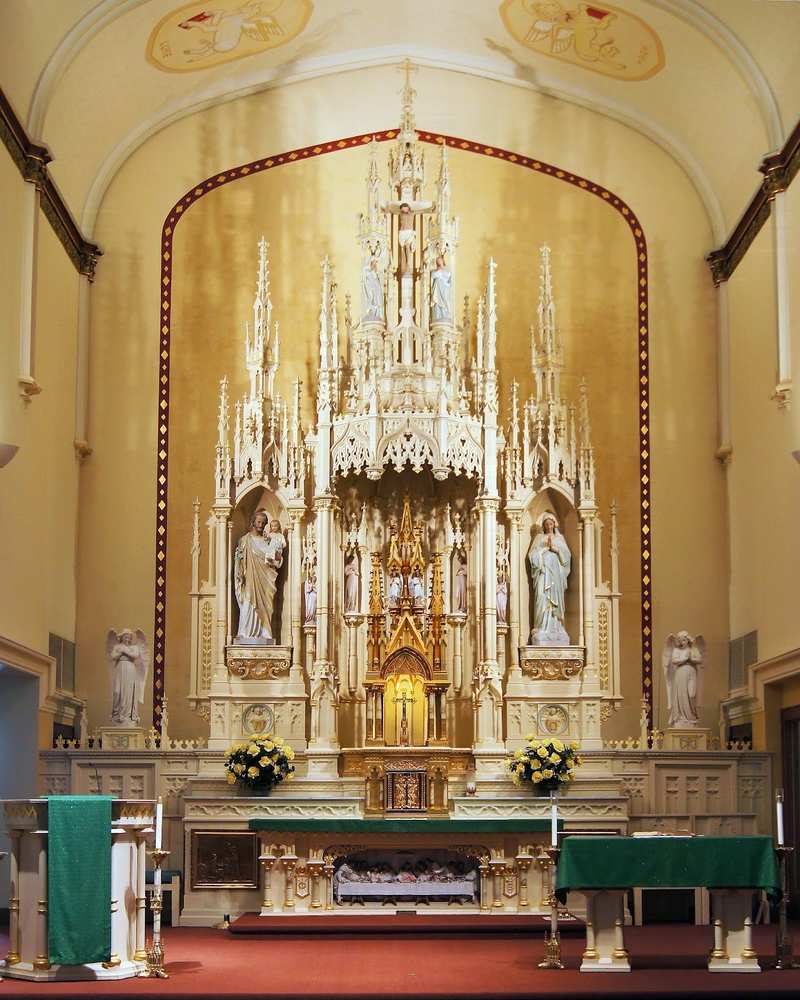
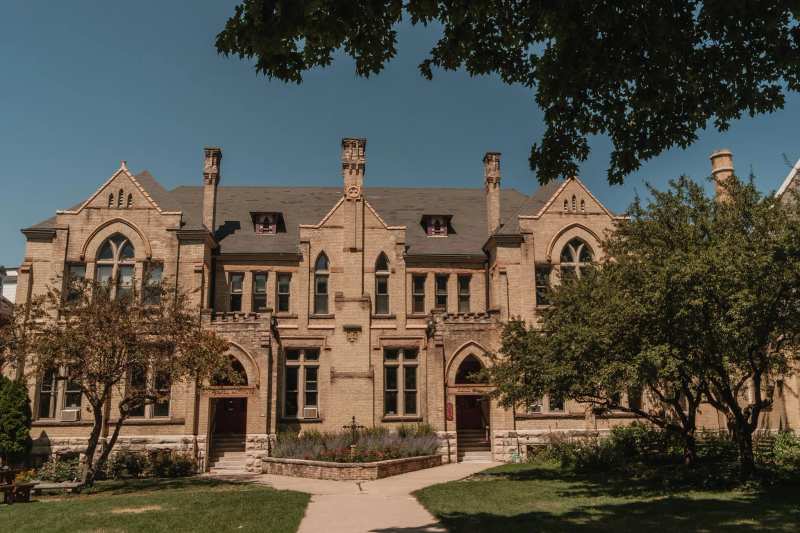
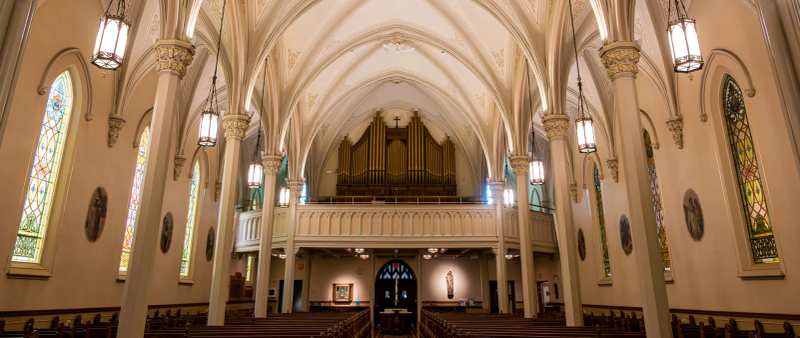
Trinity calls itself the oldest Lutheran church and school in Wisconsin, and it still runs a grade school and early childcare center on its 40 acres. A Wisconsin Historical Society marker, erected in 1958, tells the founding story near the church, and a reconstructed horse shed nearby recalls the days when families drove to services by wagon.
The church has had a band and chorus, on and off, since the early 1840s; a folklorist who visited in 1985 found the earliest photograph of the church band dating to the 1870s. The congregation still holds an annual Mission Festival, and its listing posts upcoming events.
Why the Old Lutherans left Prussia
The Freistadt settlers were part of a larger story. In 1817, the Prussian king began merging the Lutheran and Reformed churches into a single state church, and Lutherans who refused to use the new combined liturgy, the Old Lutherans, faced fines and the jailing of their pastors. Thousands emigrated rather than give in, to Australia and to the United States, and Wisconsin's cheap land and religious freedom made it a natural destination.
According to the Wisconsin Historical Society, the Freistadt settlers were among the earliest Lutherans to come to the United States and some of the first Germans in Wisconsin, and their success encouraged others to follow. That helps explain why Ozaukee County became so heavily German and so heavily Lutheran, and why the area is still dotted with Lutheran church-and-school campuses.
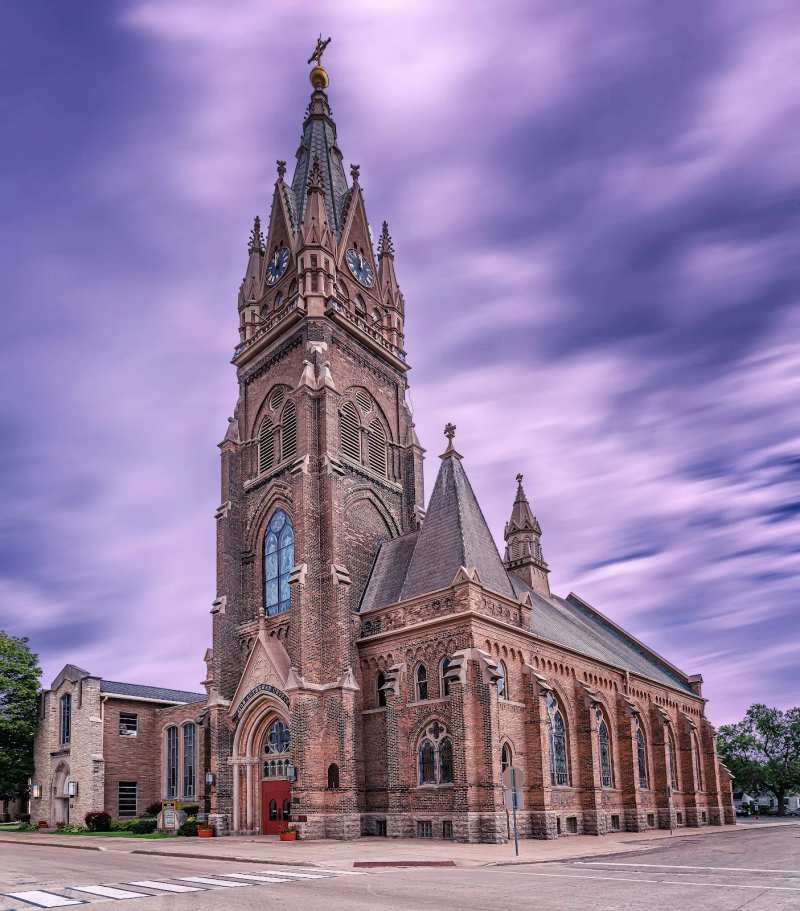
The Society's survey also notes a local quirk: Mequon has three Gothic Revival churches all called Trinity Evangelical Lutheran Church, and the one in Freistadt is considered the most architecturally significant of the three.
Visiting Freistadt
Freistadt is now a quiet neighborhood in western Mequon, and the church sits among farm fields and woods on its 40 acres. A Wisconsin Historical Society marker, titled Oldest Lutheran Church in Wisconsin, stands about a quarter mile south of Freistadt Road, and the reconstructed Trinity horse shed is about 0.2 miles from the marker.
The best time to see the church inside is a Sunday service, when visitors are welcome; for a weekday look, call the church office. The congregation's annual Mission Festival, traditionally accompanied by a band, is a good chance to see the community at its most festive.
Lutheran churches across all three synods
Mequon's Lutherans span the three main bodies, and they sit close enough together that you can try one of each. The Missouri Synod is represented by Trinity of Freistadt and by Concordia University Wisconsin, an LCMS university on the lakeshore. The Wisconsin Evangelical Lutheran Synod trains its pastors at the Wisconsin Lutheran Seminary in Mequon.
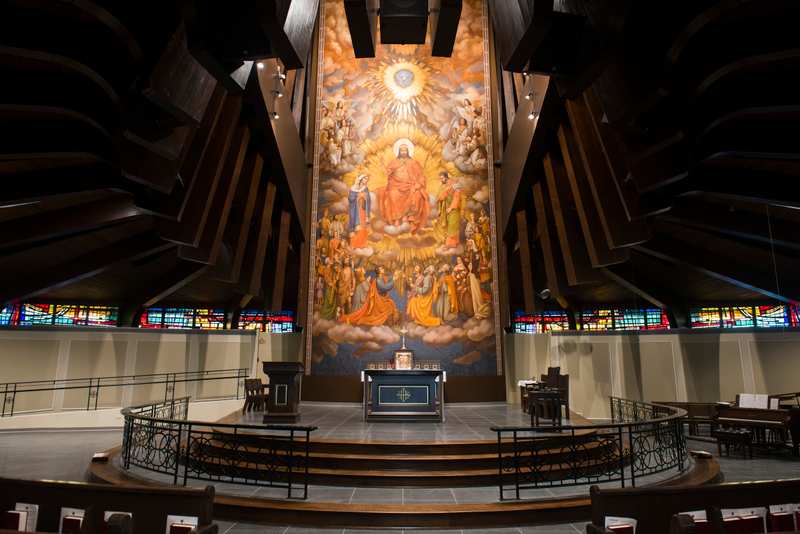
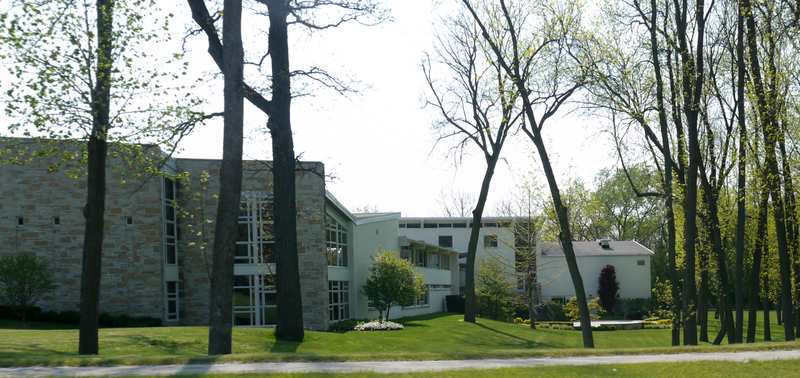
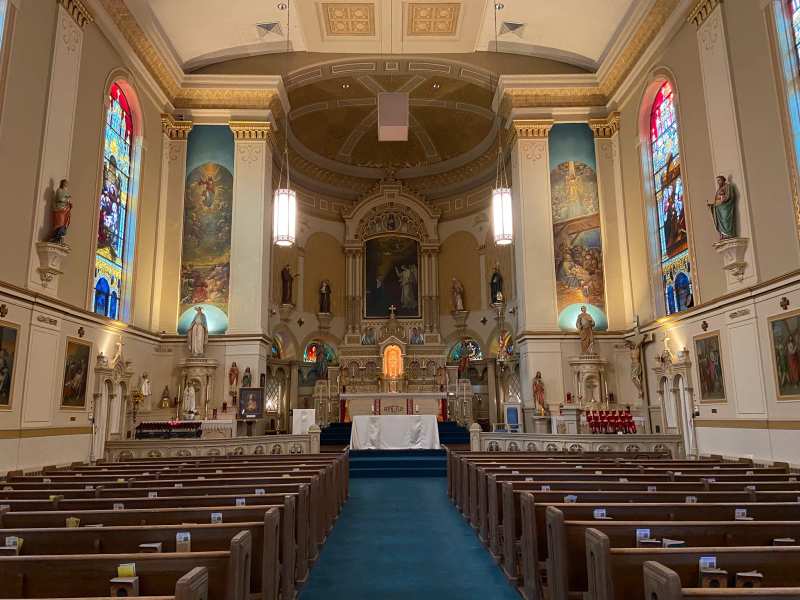
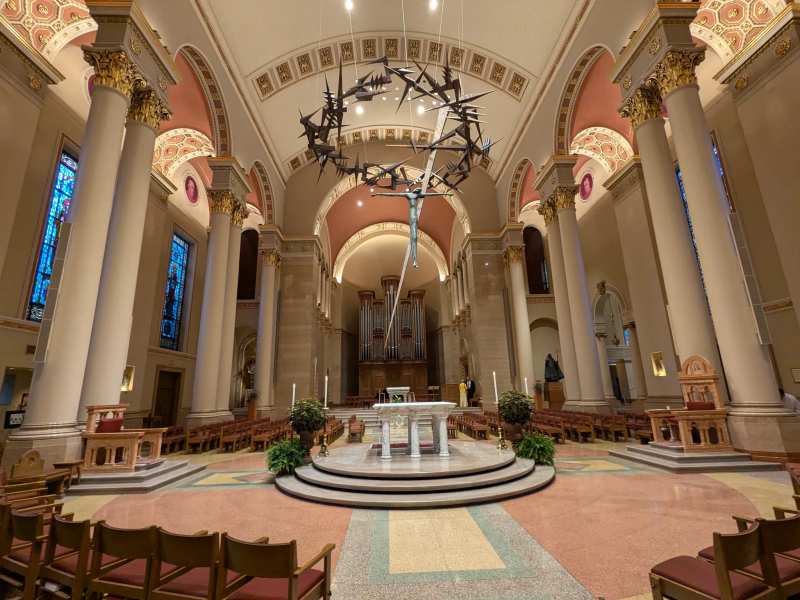
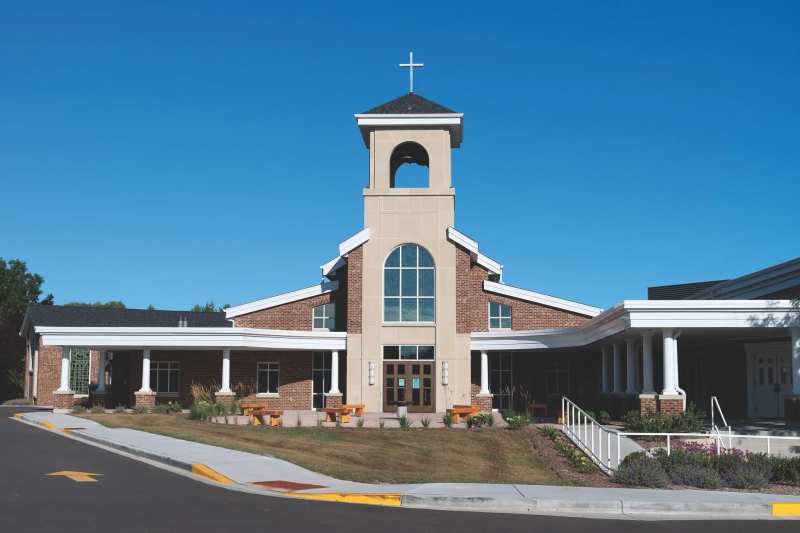
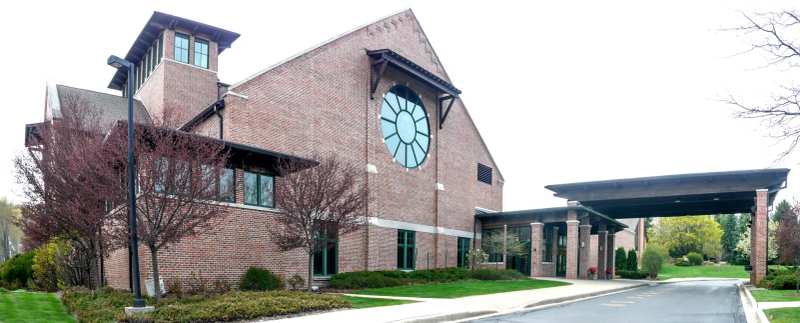
On the Concordia campus, the Chapel of Christ Triumphant is the university's chapel and a striking modern building on the bluff above Lake Michigan.
Christ Alone Evangelical Lutheran Church is a WELS congregation with more than one campus.
Beautiful Savior Lutheran Church on Riverland Road is another choice, and Rogate Chapel offers a smaller setting.
As elsewhere in Wisconsin, the synod matters to members: ELCA churches are generally more liberal and share communion widely, while LCMS and WELS churches are more conservative and usually reserve communion for members. Visitors are welcome at all of them, and many LCMS and WELS congregations run their own grade schools, which is often what decides it for families.
Catholic Mequon and Thiensville
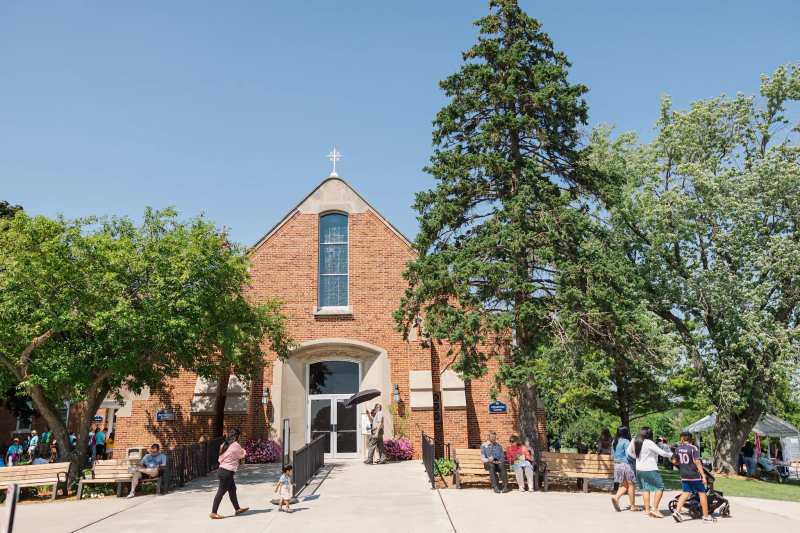
St. Cecilia's history goes back to the German settlement of the area, and the merged parish keeps both communities' traditions. For a different Catholic setting, St. Francis Borgia in Cedarburg is about 4 miles north, and the parishes in Grafton and Port Washington are about 7 and 12 miles north.
Evangelical, Presbyterian and other Mequon churches
Christian Life Church on West Mequon Road is a non-denominational congregation with an active events calendar and a Sunday morning Bible hour called First Word.
St. Boniface Episcopal Church on West Mequon Road serves Episcopalians. For Jewish families, Congregation Anshai Lebowitz, an Orthodox congregation founded in 1908, moved to Mequon in 1998.
The Peltz Center for Jewish Life serves the wider community, and Milwaukee's synagogues are close by on the North Shore.
Cedarburg's churches
Just north of Mequon, Cedarburg has a cluster of Lutheran churches and a Catholic parish with two sites, and several of them post their own events on the town guide.
The Lutheran churches include Trinity, which keeps an active calendar of events posted by the church itself.
Cedarburg has two Immanuels, and the names tell the story. Immanuel Lutheran was established in 1852 as a Missouri Synod congregation, moved to the American Lutheran Church by 1919 and became part of the ELCA in 1988. Its church, built in 1883 for $7,745 with stone from Cedarburg's own Anschuetz quarry, stands next to St. Francis Borgia.
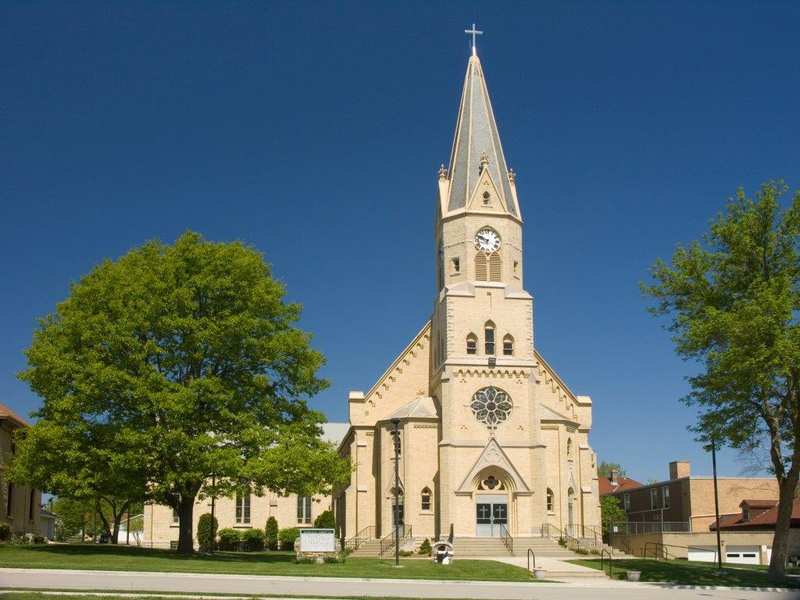
A year later, on May 22, 1853, another group organized a congregation also called Immanuel, deciding at the same meeting to open a day school. It joined the Missouri Synod in 1855 and is now First Immanuel Lutheran Church and School. Its 1891 cream brick Gothic church on Cleveland Avenue, with a clock tower and spire, was built as the Evangelical Lutheran Immanuels Kirche, and the congregation today offers both traditional and contemporary services along with its school.
Advent and Faith are two more of the town's Lutheran congregations.
Redeemer rounds out the Lutheran list. Immanuel, Trinity and Faith share a youth program, a practical detail for families with teenagers who want a bigger group.
For Methodists, Community United Methodist Church is the town's congregation.
Cedarburg also has St. Nicholas Orthodox Church. A visit to any of them pairs well with Cedarburg's historic downtown and its stone mill buildings along Cedar Creek.
Grafton, Saukville and Belgium
Grafton's other congregations include Pilgrim United Church of Christ, which posts a steady run of events.
Cedar Creek Community Church and St. Joseph Parish are also in Grafton.
In Saukville, River of Life Lutheran Church serves the village.
Belgium also has Holy Cross Chapel. The village was settled by immigrants from Luxembourg, and its Catholic heritage shows in its churches.
Port Washington
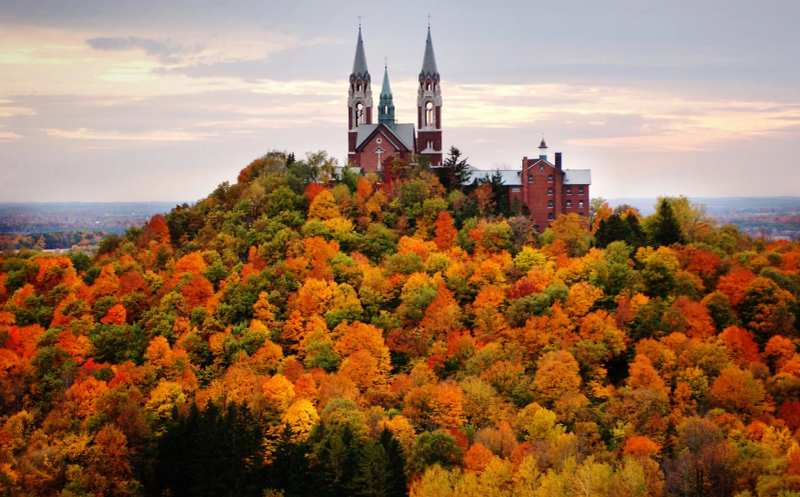
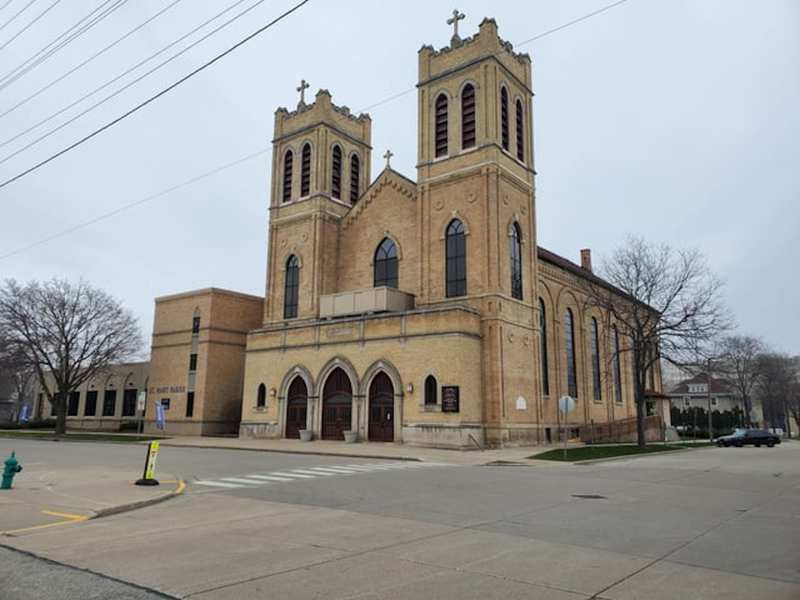
Down the hill, Friedens Church is Port Washington's United Church of Christ congregation. Port is worth a half day: the harbor, the lighthouse and the view up to St. Mary's are the town's classic picture.
North of Port along the lake, Sheboygan's churches up the lakeshore pick up the Dutch Reformed and German Lutheran story.
Lutheran schools in Ozaukee County
The Old Lutherans who founded Freistadt built a school alongside their church, and the habit stuck. Ozaukee County is full of Lutheran congregations that run their own schools, and for many families the school is how they choose a church.
Trinity of Freistadt runs a grade school and an early childcare center on its 40 acres. In Cedarburg, First Immanuel's ministries, as listed in the Missouri Synod's church locator, include early childhood education, an elementary school, child care, before- and after-school programs, youth programs and adult education, and the locator lists Living Word Lutheran High School among the schools associated with the congregation.
Other Lutheran churches in the county run their own grade schools or share them. If schooling matters to you, ask each congregation about tuition, class sizes and whether members receive priority, and visit the school on a weekday and the church on a Sunday. The two are often run as one community, and you will learn as much from the school hallway as from the pew.
First Immanuel also keeps a full weekly rhythm beyond Sunday: a Saturday evening service, several Sunday services in both traditional and contemporary styles, and Bible classes on Sunday mornings and on Wednesdays, which is typical of the larger Lutheran congregations in the county.
Christmas and the church year
Christmas is when Mequon's churches are at their fullest. Most churches in the Mequon-Thiensville area feature special programming at Christmas, including children's services, candlelight worship and musical presentations, and the Catholic and Lutheran churches add extra services on Christmas Eve. If you are new to the area, a Christmas Eve candlelight service is a gentle introduction, though the big ones fill early.
Lent and Holy Week bring midweek services at many of the Lutheran churches, and summer brings church picnics and festivals across the county, a tradition that goes back to the Freistadt band playing at picnics for neighboring congregations.
Choosing a church in Mequon and Ozaukee County
Ozaukee County is small enough that nearly every church in this guide is within about 20 miles of Mequon, and the bulk are much closer, which makes it easy to compare congregations in different towns before you commit to one. Many families here end up at a church in the next town over, chosen for its school, its music or its pastor.
Ozaukee County's churches are close together, so you can afford to visit several. Start with the tradition you know, then try two or three congregations on consecutive Sundays, and stay for coffee afterward.
For families, the schools often decide it. Many of the Lutheran churches here run grade schools, from Trinity of Freistadt to First Immanuel in Cedarburg, and the Catholic parishes run their own or share them. Ask about schools early if they matter to you.
If you want a large program for children and teenagers, Alliance Bible, Christian Life and Vineyard have some of the busiest calendars in the county. If you want an old building and a set liturgy, the Freistadt church and St. Mary's in Port Washington are where the history is.
West of Ozaukee County, Washington County's churches to the west continue the German Catholic and Lutheran pattern.
Between Sunday services, the rest of Mequon runs from the river trails to the restaurants.
Beyond the county, Wisconsin's churches carry the same immigrant story to every corner of the state.
Frequently asked questions
Published September 21, 2026