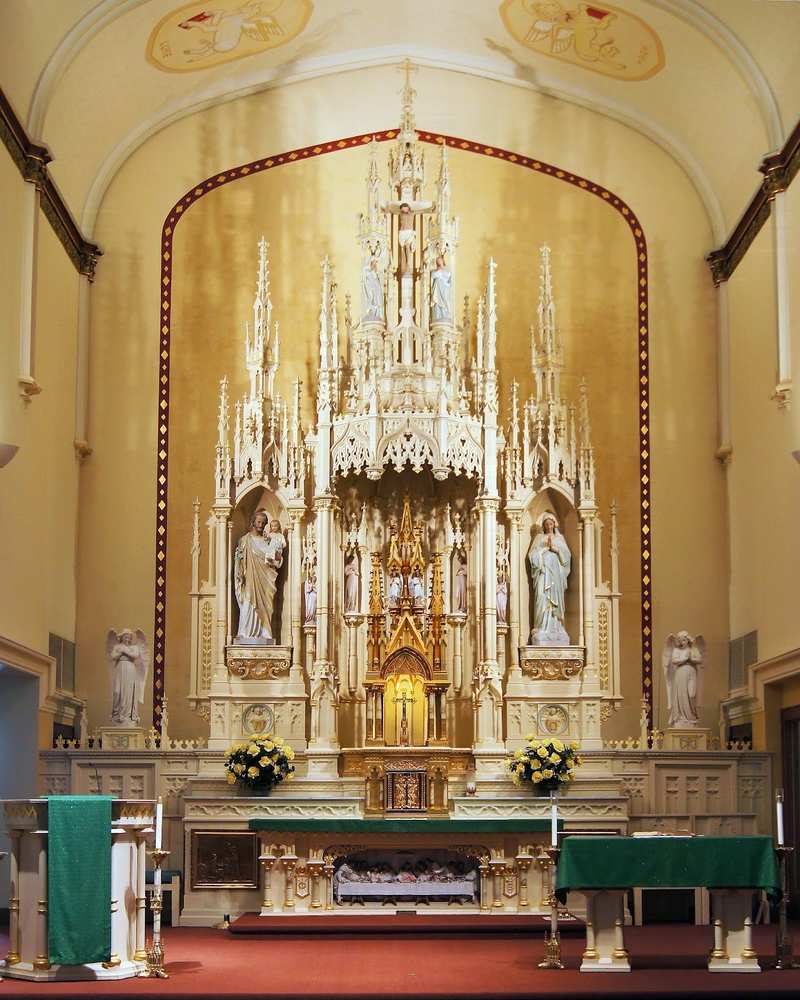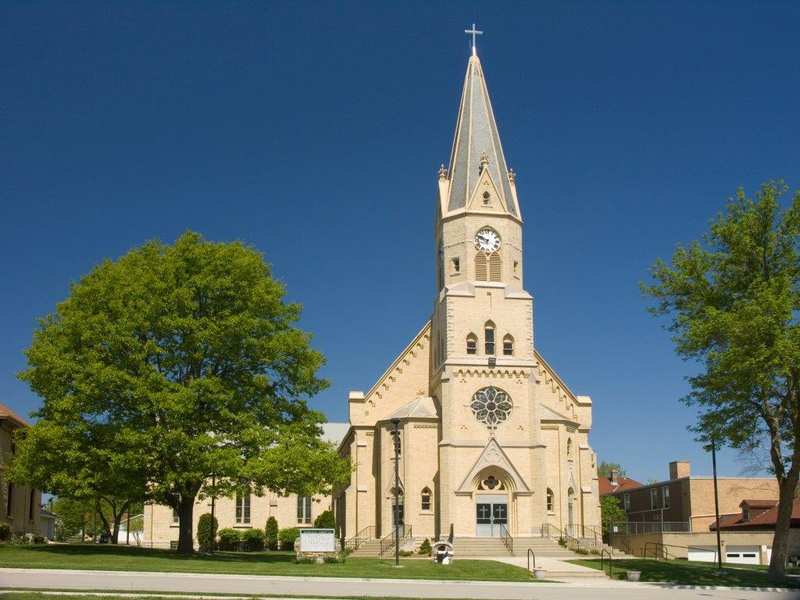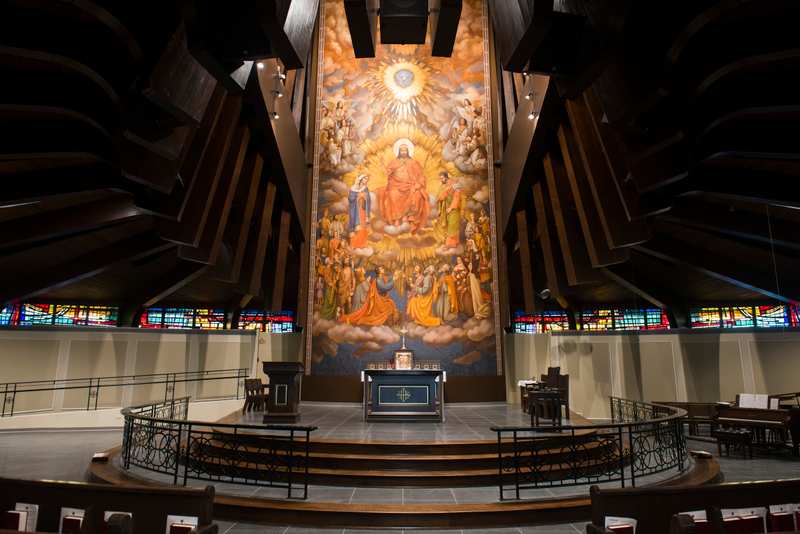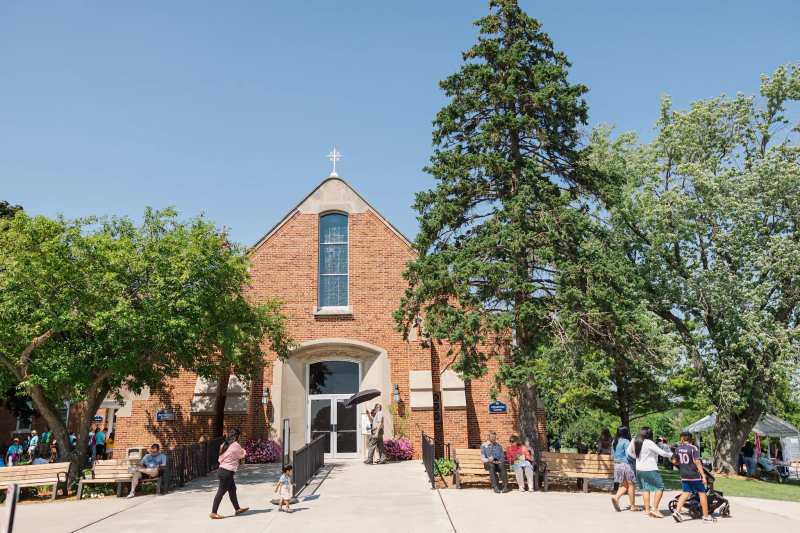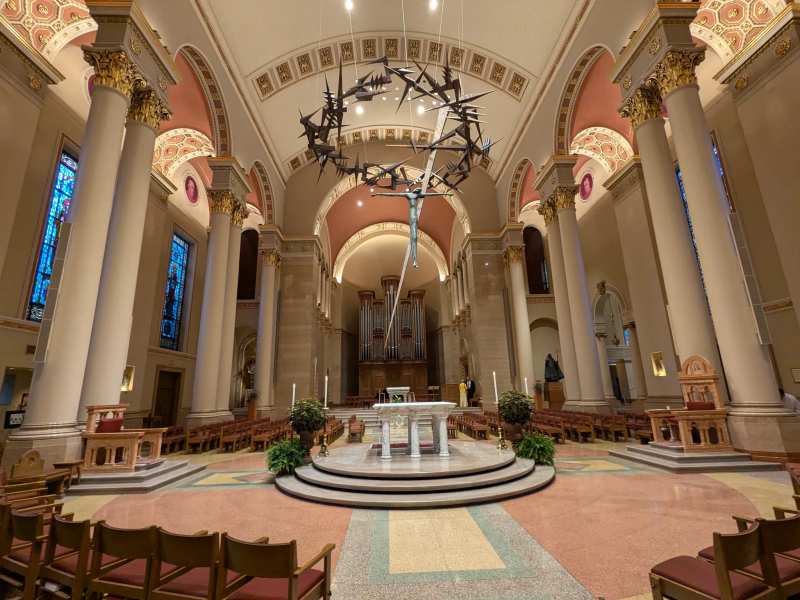
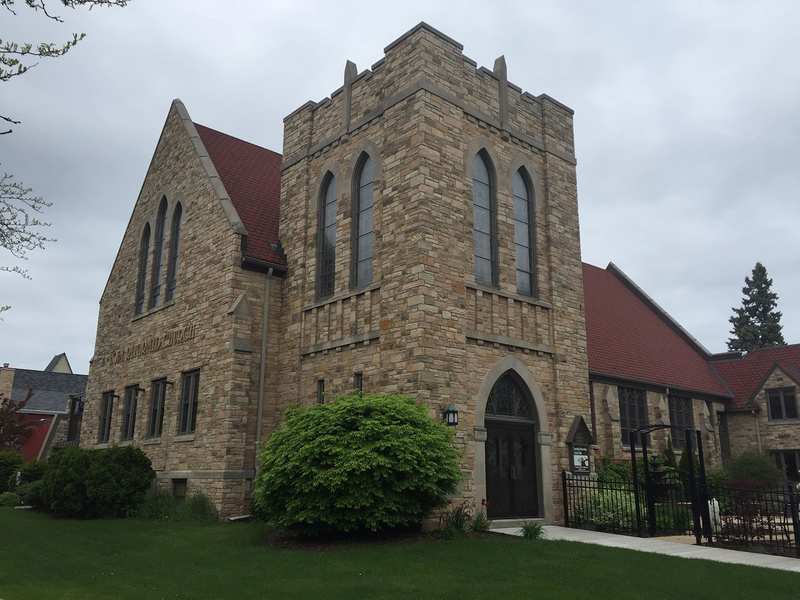
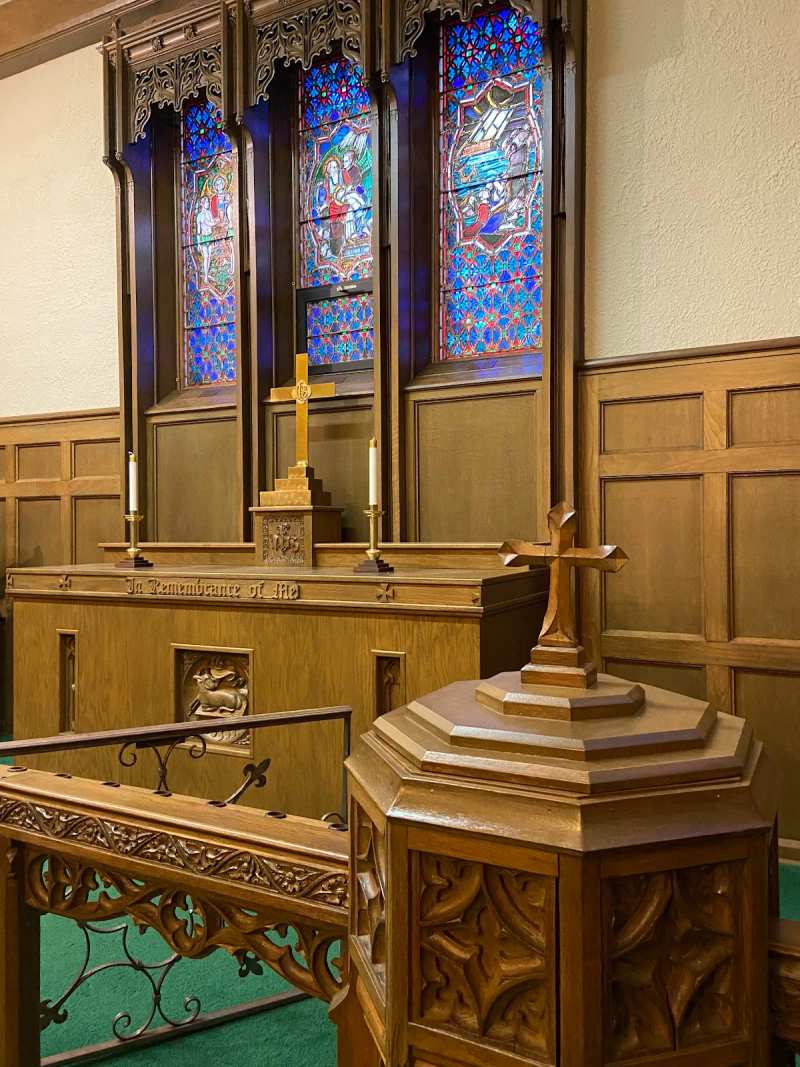
Sheboygan is a Lutheran and Catholic town with a Dutch Reformed streak, and you can see all three within a few blocks of downtown. This guide to churches in Sheboygan covers the city's historic church district, its Catholic parishes and Lutheran congregations, the Reformed churches that run south along the lakeshore to Cedar Grove, and the synagogue, mosque and Hmong congregation that round out the county.
It is written for two kinds of reader: the visitor who wants to see the old churches downtown, and the newcomer who has just moved to the lakeshore and wants to find a congregation.
How Sheboygan's churches are laid out
Sheboygan's congregations sort into three rough groups. Downtown, a handful of large churches stand together in a historic district between the business blocks and the old residential streets. Around the city, Catholic and Lutheran parishes anchor their own neighborhoods. And to the south and west, Reformed churches follow the path of 19th-century Dutch settlers toward Sheboygan Falls, Oostburg and Cedar Grove.
Lutherans are the city's largest tradition by number of congregations, with Catholics next and the Reformed churches a strong third. The online directory churcheslist counts 74 churches across 23 traditions in Sheboygan alone, more than most visitors expect from a city its size.
For the statewide picture, churches elsewhere in Wisconsin follow the same immigrant patterns, but few cities show them as clearly in so small an area.
The Downtown Churches Historic District
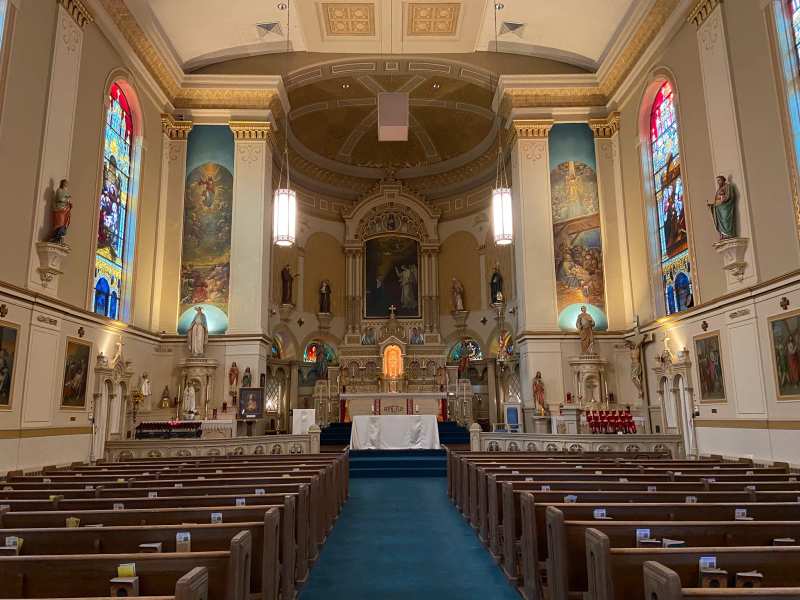
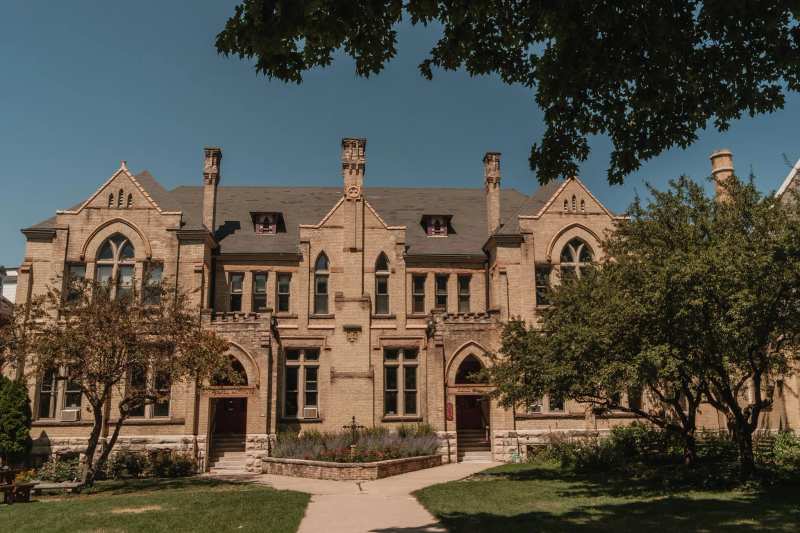
The best place to start is the Downtown Churches Historic District, listed on the National Register of Historic Places. It is roughly bounded by Erie Avenue, North 6th Street, Ontario Avenue and North 7th Street, and its contributing buildings went up between 1871 and 1968.
The Wisconsin Historical Society describes it as a well-defined cluster of religious buildings between the downtown business district and a residential area, in the styles of their time: High Victorian Gothic, late Gothic Revival and touches of Tudor Revival. You can walk the whole district in 15 minutes, and the Sheboygan architects Edgar Stubenrauch and William Russell West designed parts of it.
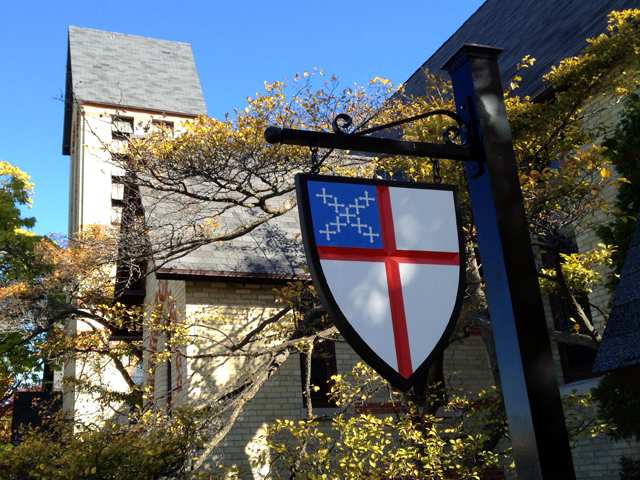
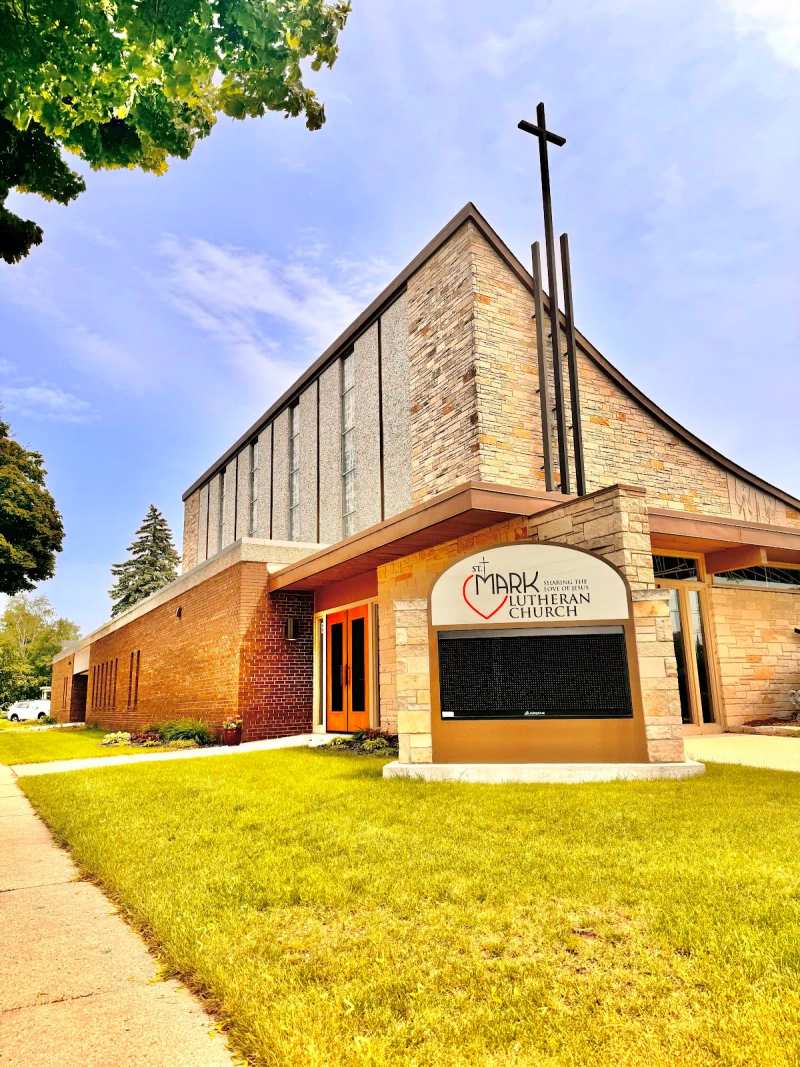
Grace Episcopal Church on North 7th Street keeps weekday morning office hours and Sunday morning services, with an assistive hearing loop and full wheelchair access. Next door stands St. Mark Evangelical Lutheran, part of this block for more than a century.
Hope Church, a Reformed Church in America congregation, describes its mission as spreading the love of God to Sheboygan County and posts its Sunday worship online. Saint Luke United Methodist on Ontario Avenue holds traditional Sunday morning services.
Just outside the district, Fountain Park Global Methodist faces the park of the same name.
A walk takes about as long as a cup of coffee. Start at Grace Episcopal at 1011 North 7th Street, where St. Mark stands next door at 1019, then walk a block to Saint Luke on Ontario Avenue and around past Hope Church and Fountain Park. Each church faces the street, so you see the whole set without going inside.
The buildings are working churches rather than museums, so the easiest way inside is a Sunday service or the weekday office hours. A walk around the outside on any day still shows how much stone and brick a small city put into its churches.
Catholic parishes
Sheboygan's Catholic parishes are spread across the city's neighborhoods, each with its own following.
St. Clement on New York Avenue holds a Thursday morning Mass and two on Sunday.
The city's other Catholic churches include Saints Cyril and Methodius and St. Dominic.
On the far side of the city, Immaculate Conception serves its own neighborhood parish.
West of the city, Blessed Trinity serves Catholics in Sheboygan Falls. Several Sheboygan parishes share priests and staff, so Mass times can shift between buildings; check the listing or parish website before you go.
Lutheran congregations
Lutherans are Sheboygan's largest group of churches, and like the rest of Wisconsin they split across three bodies: the ELCA, the Missouri Synod (LCMS) and the Wisconsin Evangelical Lutheran Synod (WELS).
Trinity Lutheran on Wisconsin Avenue belongs to the Missouri Synod and runs a full school from 3K through 8th grade, plus childcare from age two. That is typical of Wisconsin's LCMS and WELS churches, many of which run their own grade schools and list themselves as a church and school.
Sheboygan has a dozen or more other Lutheran churches across all three bodies. If you are choosing between them, the body matters: ELCA congregations tend to be more liberal and share communion widely, while LCMS and WELS churches are more conservative and usually reserve communion for members. Visitors are welcome at all of them.
The Reformed lakeshore: Sheboygan to Cedar Grove
The Dutch settled the lakeshore south of Sheboygan in the 1840s, and their churches still anchor the towns they built. The Reformed churches here belong mainly to two bodies, the Reformed Church in America (RCA) and the Christian Reformed Church (CRC), with smaller Presbyterian and Reformed congregations alongside.
In Sheboygan itself, Calvin Christian Reformed Church and Bethany Reformed Church carry the tradition, along with Hope Church downtown.
Sheboygan Falls, about 5 miles west, has its own Reformed congregation, with Sunday worship near the town's historic center.
Cedar Grove, about 13 miles south along the lake, is the heart of it. From the mid-1840s until 1890, the Wisconsin Historical Society notes, the state was a major destination for Dutch immigrants and a stronghold of Dutch Calvinist Protestantism, and Cedar Grove was among the earliest Dutch settlements, with settlers arriving in 1847.
The village's Reformed church, the Eerste Gereformeerde Kerk, is now First Reformed Church of Cedar Grove. Its 1905 building on South Main Street is a clapboard-and-shingle church with a square tower and pyramid steeple, and architectural historians single out its homelike touches, from the rows of small square windows to the knee braces, which borrow from the Arts and Crafts houses of the period.
The other old congregation in town began as the Presbyterian church of the Town of Holland, organized by Dutch immigrants under Reverend Pieter Zonne and incorporated in 1853. Its sermons were preached in Dutch until 1910, when the congregation voted to add an English service once a month. Faith Reformed Church is a newer Cedar Grove congregation in the same tradition.
Cedar Grove also has Calvary Orthodox Presbyterian. The village keeps a working replica windmill in its center and celebrates its Dutch heritage every year at Holland Fest, held in Memorial Park on the last Friday and Saturday in July.
Oostburg, between Sheboygan and Cedar Grove, has its own Reformed history: a county history records that its Christian Reformed congregation was the first of that denomination organized in Wisconsin. For anyone who grew up in a Reformed church elsewhere in the Midwest, the whole lakeshore will feel familiar at once.
What a Reformed service is like
If you have not been to a Reformed church before, expect a service built around the sermon. Sanctuaries tend to be plainer than Catholic or Lutheran ones, with the pulpit at the center rather than an altar, and the music leans on psalms and hymns, though many congregations now mix in contemporary worship.
The RCA and CRC differ in places on theology and practice, but for a visitor the experience is similar: a warm welcome at the door, a printed or projected order of service, and coffee afterward. Communion practice varies, so follow the lead of the people around you.
Hmong, Jewish, Greek and Muslim congregations
Sheboygan's congregations are not all old-line Protestant and Catholic. The city has a large Hmong community, a synagogue that has outlasted its neighbors, a Greek Orthodox parish and a mosque just down the lakeshore.
Hmong families are the largest Asian American group in Wisconsin, and Sheboygan has its own Hmong community, large enough to support a congregation of its own. The Hmong congregation is part of the same Christian Reformed denomination as Calvin CRC, which is why it sits naturally in a lakeshore town shaped by the Dutch churches.
St. Spyridon Greek Orthodox Church on South 10th Street holds its services entirely in English, alternating between Saturday and Sunday, with Matins followed by the Divine Liturgy.
About 8 miles south, the Islamic Society of Sheboygan meets in Oostburg. For the bigger picture of each tradition, the synagogues of Milwaukee are about an hour's journey south.
The lakeshore's Muslim families have more choice in the city: mosques in Milwaukee include the largest Islamic center in the state.
Plymouth and the rest of Sheboygan County
Plymouth, about 13 miles west of Sheboygan, has its own cluster of churches. Plymouth's Congregational church keeps an active event calendar on Local Eyes, and Salem United Church of Christ is a second UCC congregation in town.
Back in Sheboygan, First Congregational Church holds Sunday services at 10, and the Sheboygan eFree Church is an evangelical option that churcheslist also suggests for a first visit.
Head south along the lake and the next county's congregations take over. Ozaukee County's churches to the south pick up in Port Washington and Grafton.
A city you can cover in an afternoon
Sheboygan's churches sit close together. From downtown, Holy Name is about 0.7 miles north, St. Peter Claver about 0.9 miles south, First United Lutheran about 1.2 miles west and Beth El about 1.6 miles north, so nearly every congregation in this guide is within two miles of the river.
For a visiting weekend, walk the downtown district on Saturday, when the light on the stone is good and nobody is arriving for a service, then pick one congregation for Sunday morning. Add the drive down to Cedar Grove for the windmill and the 1905 church if you have an afternoon to spare.
Choosing a church in Sheboygan if you are new
If you have just moved to Sheboygan, start with the tradition you know, then visit two or three congregations on consecutive Sundays before you decide. Most post service times and a welcome page, and nearly all have someone at the door whose job is to greet newcomers.
If you have children, ask about Sunday school, youth groups and, for Lutheran churches, the attached grade school; Trinity's 3K through 8th grade school is one example. Accessibility is good across the city: the downtown churches have accessible entrances, and Grace Episcopal, Holy Name and the ELCA church on Kohler Memorial Drive all list assistive hearing loops.
Sunday mornings are the obvious time to visit, but weekday office hours are often the better time for a conversation with a pastor. Once you have found a church, the rest of town is easy to settle into; the rest of Sheboygan runs from the lakefront beaches to the riverfront.
Frequently asked questions
Published August 10, 2026