Every town in Wisconsin eats bratwurst. Sheboygan is the one that went to court over it, and the one where the details are argued about at every cookout: which butcher, which bakery, whether to boil first, whether one sausage in the roll is enough. Sheboygan brats are a specific thing, and this covers what it is, where to buy the parts, how to cook it the local way, where to eat one already cooked, and why the city gets to call itself the Bratwurst Capital of the World.
What a Sheboygan brat actually is
A Sheboygan brat is a fresh pork bratwurst browned over charcoal, served on a round hard roll with chopped onion and brown mustard, and more often than not there are two of them in the roll.
Start with the sausage. It is a fresh bratwurst, bought raw from a butcher rather than pre-cooked, and it is cooked slowly over direct heat until the casing browns and splits a little. Locals call that "frying," though it happens on a grill and there is no oil involved, and the word confuses visitors for about a day.
The roll is round, not long, which is the single detail that most separates a Sheboygan brat from a ballpark one. Onion and brown mustard are standard. Order a double and you get two sausages side by side in one roll, which is less of an indulgence than it sounds, since the roll was made for exactly that. Some people add pickles, which turns it into what some stands call a double with the works. Asking for ketchup will get you a look.
The brat burger is the local spin-off: a patty made with bratwurst seasoning, served on the same roll. The Miesfeld family, whose butcher shop still sells the champion brat recipe, is credited with popularizing it. If bratwurst is only one part of your trip, Sheboygan beyond its sausage runs from winter surfing to one of the country's more unusual art centers.
The hard roll
The roll is the part outsiders get wrong: a Sheboygan hard roll is round, crusty and a little puffier than a kaiser, sturdy enough to hold two brats and their juices without falling apart, and Johnston's Bakery has been baking them since 1950.
The roll descends from the German semmel, a small crusty white roll, and the Sheboygan version has a thin crisp crust, a soft middle and a dimpled split top. The round shape is structural. A long bun folds and splits under two sausages; a round roll cut through the middle holds them like a clamp.
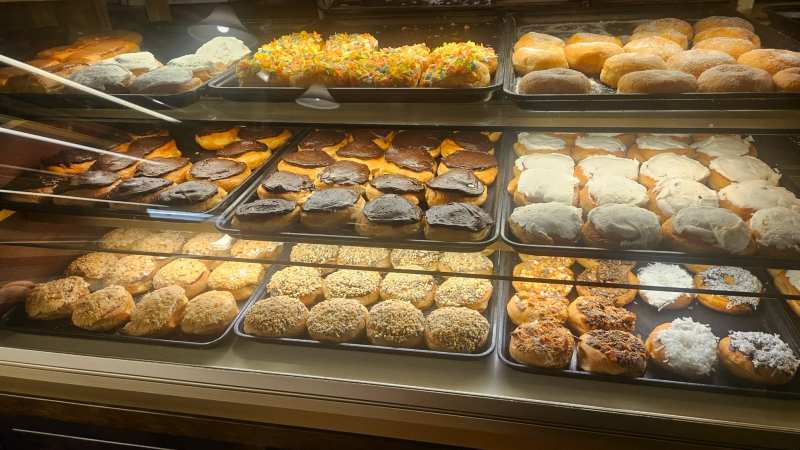
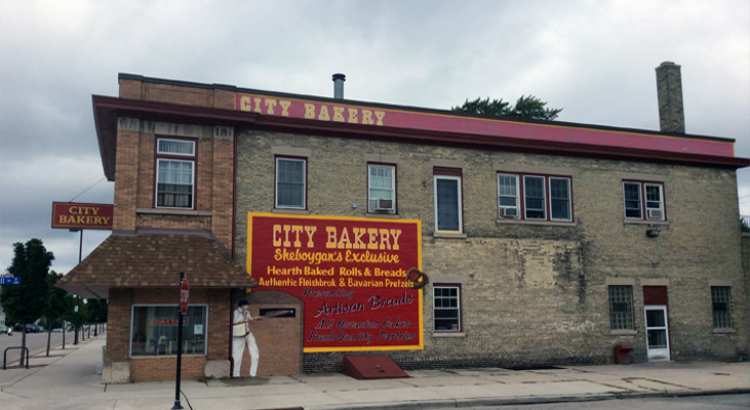
Johnston's is not the only bakery that makes them. City Bakery on Michigan Avenue bakes its hard rolls in a brick hearth oven using the sponge-and-dough method, which gives a slightly different crust, and locals have loyalties to both. West Side Bakery on Indiana Avenue bakes fresh buns and bread daily and is the neighborhood option on the west side.
A tip that saves disappointment: rolls are at their best the day they are baked. Buy them the morning of the cookout, not the day before, and if you are driving home with a bag, eat the first one in the car.
Where the brats come from
Miesfeld's is the butcher locals name first and Brockman's is the other, both working meat markets that sell raw brats to take home and cook.
Brockman's Meat Market on South 12th Street has been cutting meat since 1951 and makes its own brats, sausages and natural-casing wieners, along with Kransky sausage, potato salad and deli meats. It will also cut specialty orders on request.
Both are survivors of a very different city. In the 1940s and 1950s Sheboygan had roughly 50 neighborhood meat markets, most of them run by families of German descent, and sausage was how they competed. Home refrigeration spread through the 1920s and 1930s, which made it practical to keep fresh sausage for the weekend, and by the 1940s brat stands were a fixture at county picnics, church festivals and ball games. The number of butchers has fallen since, but the tradition of buying brats from a named butcher rather than a supermarket shelf has not.
For cheese to go with the cookout, Old World Creamery on Erie Avenue has made cheese, butter and dairy products since 1912 and is now in its fourth generation of family ownership. And the Sheboygan farmers market at Fountain Park fills in the rest of a summer cookout with local produce.
How to cook a Sheboygan brat
To cook a Sheboygan brat, grill fresh brats slowly over charcoal until browned all over, then put them on a hard roll, often two to a roll, with chopped onion and brown mustard.
Charcoal is the convention. Gas grills are allowed in private, but the brat fries that raise money for churches, fire departments and sports clubs across the county almost always use charcoal, and the smell of it is part of a Sheboygan summer weekend. Keep the heat moderate. A brat cooked too hot splits and loses its juice before the middle is done; turn it often and give it time.
The beer bath is where the county divides. Some cooks simmer brats in beer and onions before grilling, or hold them in a warm beer bath after, to keep them juicy for a crowd. Others consider that a Milwaukee habit and grill them straight from raw. Both camps are certain they are right. If you are cooking for Sheboygan people, grill from raw and keep quiet about the beer.
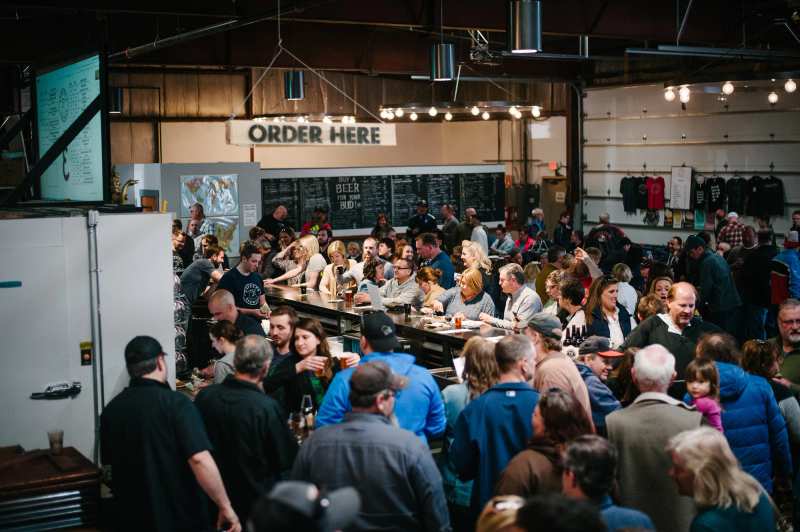
What to drink with it is less contested. Wisconsin beer is the default, and Sheboygan has its own brewery in 3 Sheeps Brewing on North Avenue, where food trucks park outside the taproom. Root beer covers everyone else.
Taking brats home is common enough that the butchers are used to it. Pack raw brats in a cooler with ice for the drive, freeze what you will not cook within a couple of days, and keep the rolls separate so they do not go soft. Rolls freeze reasonably well; thaw them on the counter and warm them briefly before serving.
A brat fry, as a local institution, is less a recipe than an event: a folding table, a grill, a cooler of brats from a named butcher, a bag of hard rolls, a jar of mustard and a hand-painted sign by the road. If you see one on a summer Saturday, stop.
Where to eat one
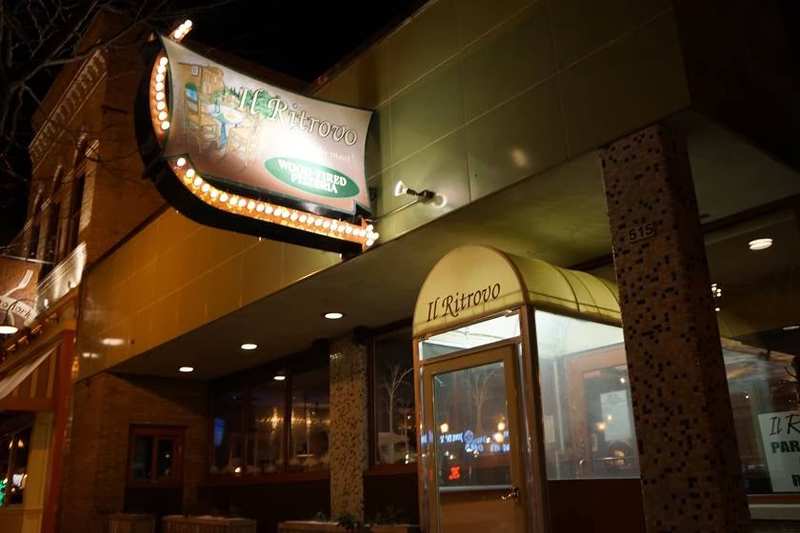
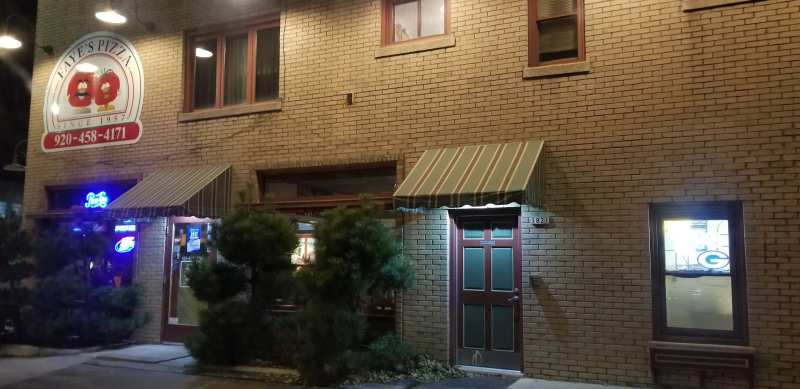
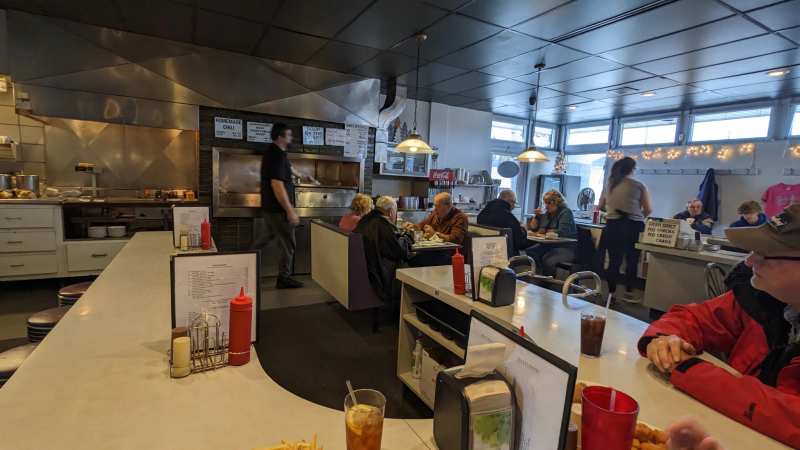
Schulz's Restaurant on Calumet Drive is the old-school sausage-sandwich counter to start with, and neighborhood bars across the city serve brats and brat burgers on hard rolls.
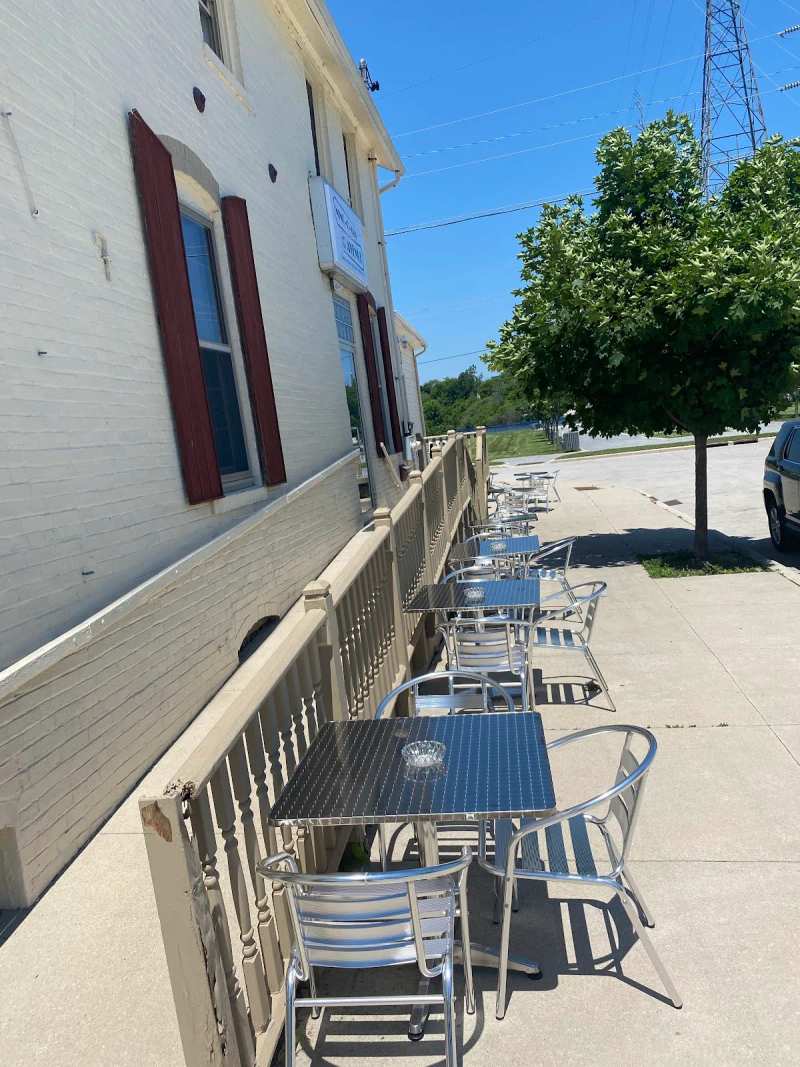
Visit Sheboygan's list also includes The Northwestern House on Union Avenue, better known for broasted chicken in a railroad-themed room, and Holler n Hills, the bar-and-grill on South Business Drive.
Nine-O-Two on the Avenue on Indiana Avenue is where many visitors end up for a burger on a hard roll, charcoal-grilled, and it shows how the roll carries over from brats to everything else. Superior Bar & Grill serves the Sheboygan steak sandwich on the same kind of roll.
In summer the simplest answer is the festival itself: at Brat Days you can eat a brat within a minute of arriving, and on most summer weekends a church or club brat fry somewhere in the city does the same job for a good cause.
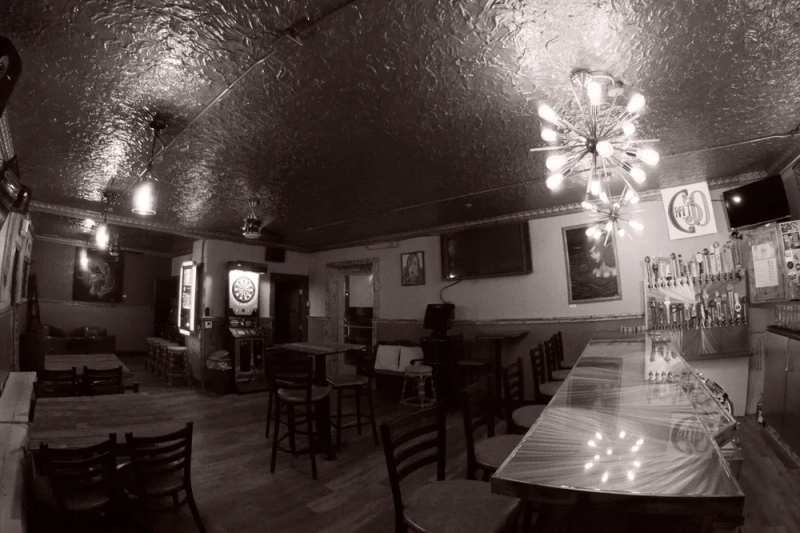
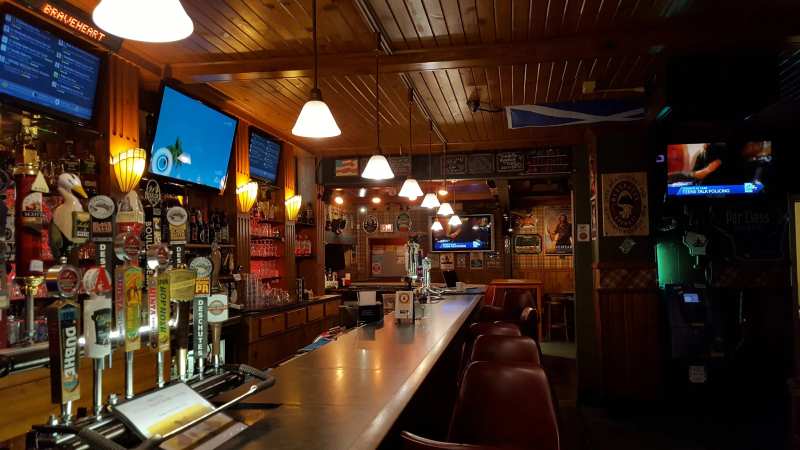
The normal setting for a cooked brat is a neighborhood bar rather than a restaurant, and on a Friday you will often find brats on the board next to the fish fry. Sheboygan's taverns are the most reliable place to find one on an ordinary evening, and the supper clubs and family rooms among where locals eat in Sheboygan fill in the rest of the table.
Why Sheboygan claims the title
Sheboygan has called itself the Bratwurst Capital of the World since 1970, when Judge John Bolgert ruled in its favor over a rival claim from Bucyrus, Ohio.
The roots go back further. German immigrants brought sausage-making to Sheboygan County in the 19th century, and by the middle of the 20th century the city's many small meat markets were competing on bratwurst recipes. Brat stands and backyard brat fries made the sausage a social food rather than a butcher's product.
The industry grew out of the same county. Johnsonville, now one of the biggest sausage brands in the country, was founded in 1945 by Ralph and Alice Stayer at their meat market in the small community of Johnsonville, northwest of Sheboygan, and it still sponsors the city's bratwurst festival. The supermarket brat most Americans know started a short drive from the butchers in this guide.
In 1970 Bucyrus, Ohio, claimed the Bratwurst Capital title. The Sheboygan Press reported on August 14, 1970 that Judge Bolgert had decided the matter, finding that Sheboygan's sausage makers, bakers and backyard chefs had established their right to the title "not only by virtue of claim but also by virtue of performance," and barring other claimants from using it. The ruling had no legal force outside a good story, and Sheboygan has used it happily ever since.
Bratwurst is one half of the nickname story, alongside the surfing that earned the city its other title, the Malibu of the Midwest.
Brat Days
Brat Days is Sheboygan's two-day bratwurst festival at Kiwanis Park, held each summer since the first Bratwurst Day in 1953, with free admission and free music.
The first Bratwurst Day was held on Thursday August 13, 1953, proposed by A. Matt Werner of The Sheboygan Press as part of the city's centennial. North Eighth Street was renamed Bratwurst Boulevard for the day. The crowd got through roughly 7,000 pounds of bratwurst, 350 pounds of onions and 96 gallons of dill pickles, with a brat-eating contest, a parade, polka and square dancing, fireworks and the crowning of a Bratwurst Queen.
The festival moved to Kiwanis Park on the west bank of the Sheboygan River in 1978, and it is run by the Sheboygan Jaycees, with proceeds going to community programs and scholarships. Johnsonville has been title sponsor since 2004. Admission and all the music are free; food and drink are bought with tickets sold in bundles; the carnival is separate and takes cash. Parking at the park is paid, and dogs are not allowed.
The Brat Eating Contest on Saturday afternoon is the headline event. During its world-championship years Takeru Kobayashi ate 58 brats in ten minutes, in 2006, and nobody in Sheboygan has let the number go. Dates move each year, so Sheboygan's festival calendar is the place to confirm the weekend before you plan around it.
Frequently asked questions
Published August 10, 2026