The Sheboygan farmers market is two markets run by the same community organization: an outdoor summer market in Fountain Park downtown twice a week, and a smaller indoor winter market in a church hall two Saturdays a month. Online listings disagree about the days and times, sometimes badly, so this starts with the schedule straight from the organizer and then covers what is there, how paying works, and where to buy the same kind of food when the market is closed.
When and where the market is
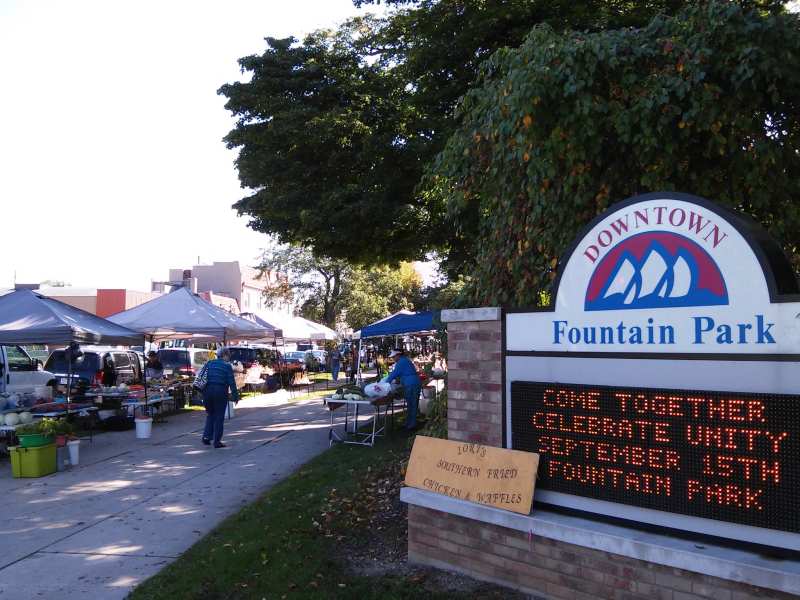
The summer market runs in Fountain Park at 8th Street and Erie Avenue on Wednesdays and Saturdays from 8am to 1pm, June to October; the winter market runs at First Congregational Church, 310 Bluff Avenue, on the first and third Saturdays of the month from 9am to noon, November to April.
Both are run by the Sheboygan County Interfaith Organization, known locally as SCIO, which operates the markets as community outreach. Its own pages are the ones to trust for the schedule. Directory sites list other days and hours, and at least one of SCIO's older pages still shows a past year, so if you are planning around the first or last market of a season, check the current page before you go.
The summer market's opening day falls in early June each year. The winter market runs every other week rather than weekly, which is the detail visitors most often get wrong. Both markets are part of the regular rhythm of a Sheboygan week, and Saturday mornings at Fountain Park are one of the most local things to do in town.
The summer market at Fountain Park
Fountain Park sits in the middle of downtown at 8th Street and Erie Avenue, which puts the summer market a short walk from the arts center, the cafés and most of the downtown restaurants.
The produce follows the Wisconsin season. June brings early greens, radishes, asparagus at the start, and the first strawberries. July and August are the peak, with sweetcorn, beans, peppers and tomatoes, which in a good year are the thing people come for. September and October shift to squash, apples, potatoes, onions and pumpkins. Alongside the produce you will usually find eggs, honey, baked goods, flowers and plants, and some meat and cheese.
Arrive early for the best choice. Vendors are set up by eight, the most popular items can go within the first couple of hours, and the market wraps up at one. Bring your own bags, and cash is still the simplest way to pay at many stalls.
Fountain Park itself has a monument, a waterfall, a band shell for summer concerts and benches along its paths, and it is where the first Bratwurst Day was held in 1953.
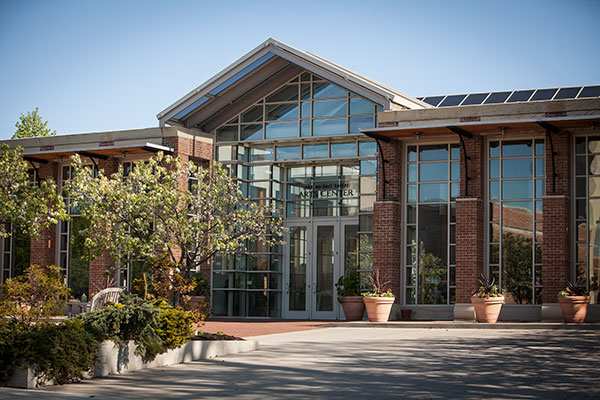
A market morning combines easily with the Kohler Arts Center a few blocks away and a day around downtown Sheboygan.
A first visit works best with a plan. Walk the whole market once before buying anything, because the same vegetable can look very different three stalls apart. Buy the fragile things last, so the tomatoes and berries are not at the bottom of the bag. Ask growers what is best that week; they know, and most are happy to say. And if you are staying somewhere without a kitchen, look for the ready-to-eat side of the market, baked goods, fruit, cheese and honey, which make a good picnic by the lake an hour later.
The winter market
From November to April the market moves indoors to First Congregational Church UCC at 310 Bluff Avenue, on the first and third Saturdays only, from 9am to noon.
A Wisconsin winter market stocks what keeps and what is made rather than what is freshly picked: meat, eggs, cheese, honey, maple syrup, baked goods and preserves, with storage vegetables such as potatoes, onions, squash, carrots and apples, and some greens from hoop houses and greenhouses early and late in the season.
It is smaller than the summer market and friendlier for it, with time to talk to growers about what they are planting. Check the calendar before you go, because the first-and-third-Saturday pattern means some weekends have no market at all.
Paying, and who the market is for
Bring cash and your own bags, and if you pay with SNAP or EBT or use WIC or senior farmers market vouchers, check SCIO's farmers market page for the programs accepted this season before you go.
The winter market's own listing states that it accepts EBT and offers Double Your Bucks on fresh produce. Programs and matching schemes can change from season to season and between the summer and winter markets, and getting this right matters most to the people who rely on it, so confirm with SCIO rather than assuming. Some vendors take cards; many prefer cash.
That emphasis on access says something about the market. SCIO is an interfaith community organization, and it runs the markets as outreach rather than as a commercial venture, which is why affordability and local sourcing sit at the center of how they are organized. It is a working market for people who cook, not a tourist craft fair.
The food makers who sell year-round
When the market is closed, Sheboygan's butchers, bakeries, cheesemakers and specialty grocers sell the same kind of food all week, and a few of them are institutions in their own right.
Miesfeld's on Venture Drive is the family meat market, running since 1941, with more than 25 kinds of bratwurst, smoked meats, cheese and local foods. Stefano's Slo Food Market on Pennsylvania Avenue, from the Viglietti family behind the city's best-known Italian restaurants, sells local and specialty groceries, deli and bakery items and a butcher case. Old World Creamery on Erie Avenue has made cheese, butter and dairy products since 1912 and is still family-run in its fourth generation.
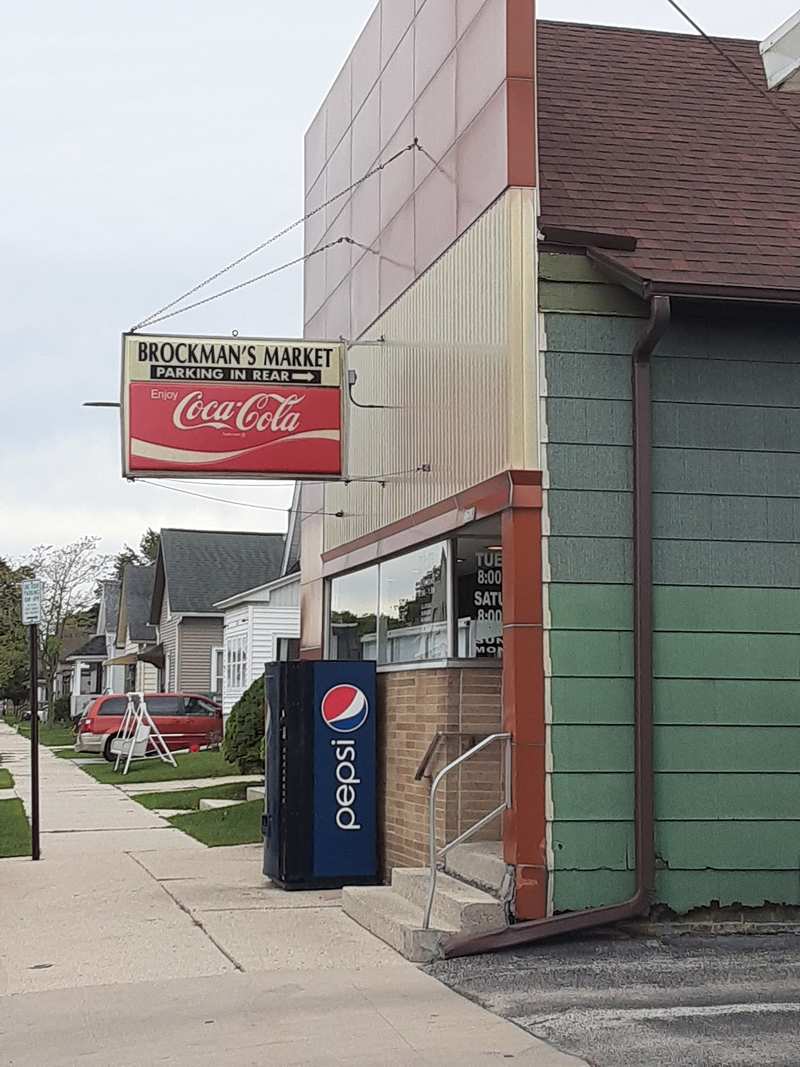
For a second butcher, the South 12th Street meat market, Brockman's, makes its own brats and sausages.
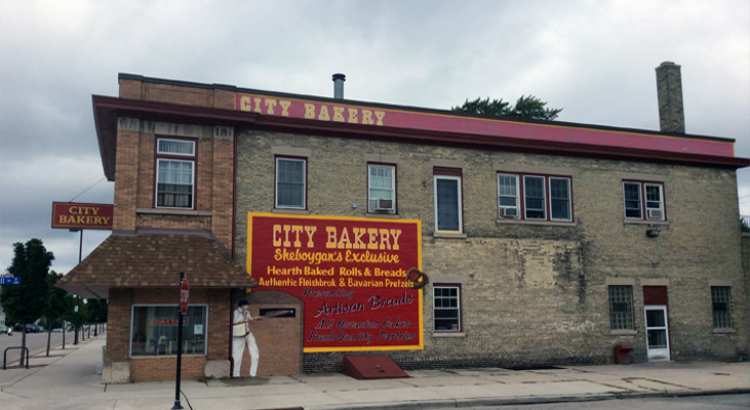
Bread comes from Johnston's Bakery, baking hard rolls since 1950, and from the hearth-oven bakery on Michigan Avenue bakes artisan loaves. Baron's Gelato makes gelato and sorbetti with Wisconsin milk and cream, mainly for restaurants and wholesale, so you will more often taste it on a menu than buy it direct.
The most interesting part of Sheboygan's food retail is its Asian and Latino grocers. Asian Harvest Foods on North 14th Street sells fresh noodles, several kinds of mango and hot foods like crispy pork. Union Asian Market on South 17th Street carries produce, groceries and prepared foods such as egg rolls.
La Conquistadora on Indiana Avenue has a butcher counter with seasoned fajita meat and a ready-meal counter.
For organic and natural groceries, Nature's Best Market on North 8th Street is a family-owned shop with produce and natural products. Most of these shops also feed the city's kitchens, and the best cooks in town shop at more than one of them.
Farms and orchards around the county
Several of the best farm stops are west of the city around Plymouth, from an heirloom apple orchard and a u-pick orchard to a maple syrup farm and an organic vegetable farm.
Restoration Orchards and Market on Willow Road, about 11 miles west-northwest of downtown Sheboygan, grows more than 120 varieties of heirloom apples, presses its own cider in fall and runs a farm market. Log Cabin Orchard near Plymouth holds u-pick days for Honeycrisp and McIntosh apples and sells apple products at farmers markets.
Drewry Farms Maple Products, a family sugarbush near Plymouth, makes maple syrup that is sold online and locally. Springdale Farm is a 35-acre organic vegetable farm near Plymouth supplying about 700 CSA members in southeastern Wisconsin.
In Plymouth itself, Schwaller Meats is a butcher shop that also stocks cheese, smoked fish and local maple syrup.
Orchards and farm stands are seasonal, and u-pick days depend on the crop, so check each farm's current schedule before driving out, especially in fall when weekends fill with apple pickers.
Cooking in a rental kitchen
If you are staying in a suite, cabin or rental with a kitchen, a market run and one butcher stop cover several meals: corn and tomatoes with brats one night, eggs and bread for breakfasts, and cheese and apples for lunches on the go.
Plan around what keeps. Sweetcorn is best the day it is picked, tomatoes should stay out of the fridge, and berries last only a day or two, so buy those for tonight. Squash, potatoes, apples and onions will last the week. Cheese curds are freshest on the day they are made, when they squeak against your teeth, and they lose that quickly in a fridge. A small cooler in the car makes a day trip to the orchards west of the city far easier.
What to do with what you buy
The Sheboygan answer is a brat fry: brats from the butcher, hard rolls from the bakery, onions and whatever else looks good at the market, cooked over charcoal in a park or a backyard.
Buy the brats from Miesfeld's or Brockman's, pick up rolls on the morning you cook, and fill a cooler at the market with corn, tomatoes and cheese curds for the side. Several lakefront and city parks have grills, and a warm evening at Deland Park or Vollrath Park with your own cookout is about as local as a visit gets. How locals cook a Sheboygan brat covers the charcoal, the roll and the great beer-bath argument.
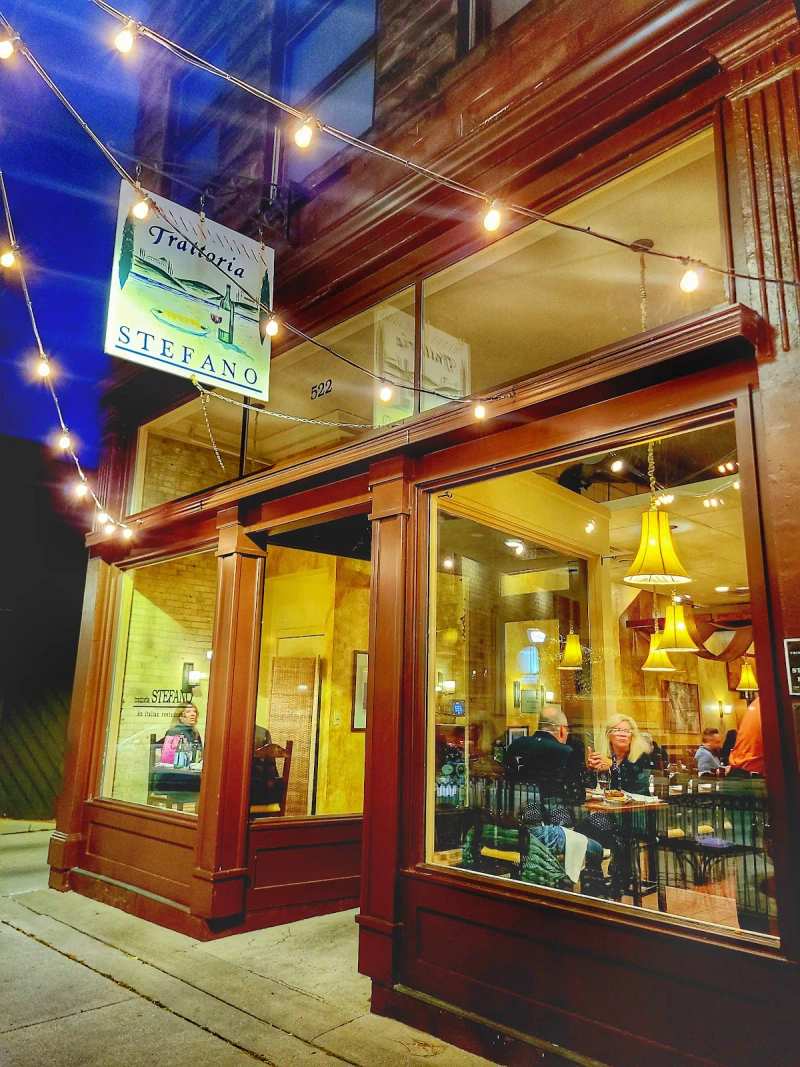
If you would rather someone else cook, the Viglietti family's café and trattoria use many of the same local ingredients, and Italian dinners on South 8th Street and bakery breakfasts around the city are the easiest way to taste the market without a kitchen.
Frequently asked questions
Published June 1, 2026