A village of 1,561 people does not usually need a guide. Random Lake gets one because nearly everything in it sits within a mile of the water, and because the list of things to do in Random Lake, WI runs longer and stranger than the four entries you will find on a review site. There is a working forge four miles out on Highway 144, a pickleball court inside an art gallery, and a fireworks display the village reckons is among the largest in Sheboygan County.
It is a small place and it does not pretend otherwise. You can walk the whole of it in an afternoon, and the parts worth your time are mostly outdoors, mostly free, and mostly run by people who volunteered for the job. What follows is what is actually here, in roughly the order a person who lives here would send you.
The lake, which is the whole reason
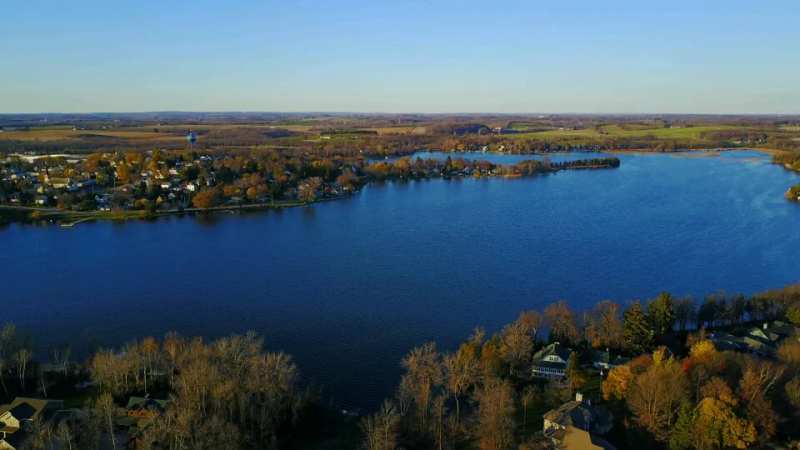
Shallow water warms fast, and that is the lake's whole character. It greens up early, the weed beds come in thick by midsummer, and the fish hold to them. Anglers report musky in good numbers rather than good sizes, largemouth bass that come readily in the morning, walleye that are plentiful and famously difficult, plus northern pike and panfish. The consistent advice from people who fish it is to work the weed lines and to accept that the walleye will make you earn it. The seasons, the species and the access points all sit in the fishing guide. Bass to six pounds have come off musky baits here, which tells you something about how thick the fish are relative to the water.
It is not a lake people drive two hours for, and nobody here claims otherwise. It is a lake you fish on a Tuesday evening after work, which is a different and arguably better thing. If you would rather be in the water than on it, the beach is the answer.
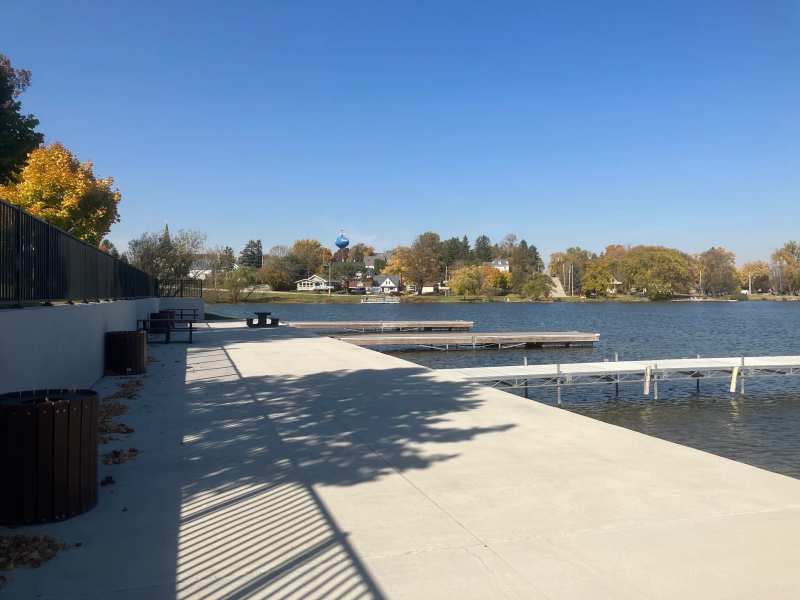
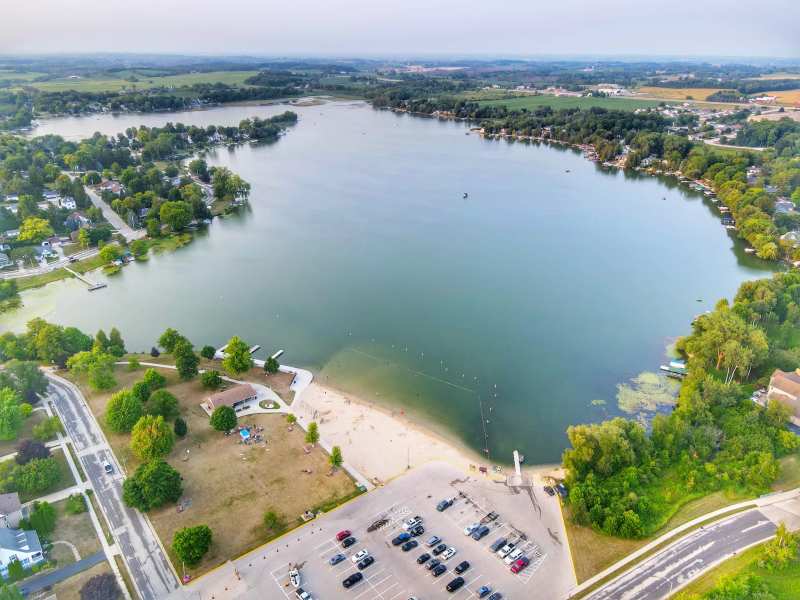
The beach is the default summer answer for families, and it does the job without charging for it. There is an accessible fishing pier, restrooms, a playground and enough shade to sit out the middle of the day. On a warm Saturday it fills up, though filling up in Random Lake means something different than it does on Lake Michigan twenty minutes east.
Getting a boat on is straightforward, and there is one rule worth knowing in advance.
Those hours are the detail most visitors miss. If you were planning a dawn run on the water at speed, you cannot have one. What you can have is a quiet paddle in flat morning water with nothing else moving, which on a lake this size is the better trade anyway.
Paddling is popular and there is no rental operation in the village, so bring your own boat. If you want instruction rather than just access, certified adaptive kayak instruction runs out of Fredonia, about six miles south. They teach able-bodied paddlers as well, and there is nothing else like it in the immediate area.
Five parks for fifteen hundred people
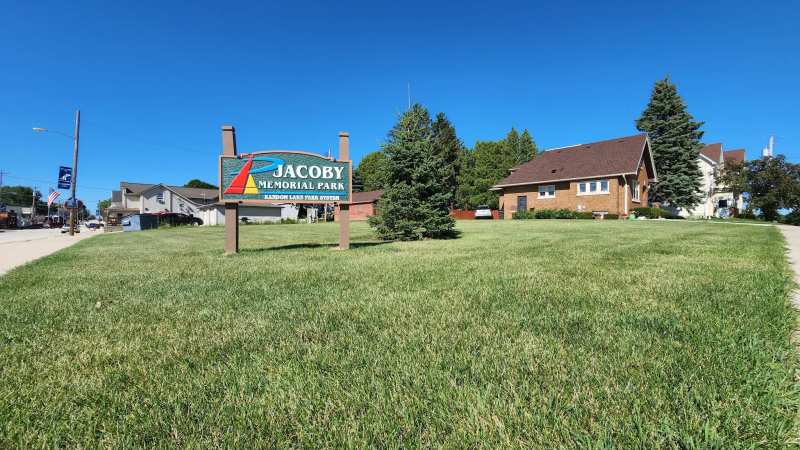
The park count is the thing that surprises visitors. For a village a mile and a half across, Random Lake maintains an unusual amount of public green space, and each piece of it does a different job rather than duplicating the last.
Bob McDermott is where the village actually gathers. The Thursday music evenings are the most reliable way for a visitor to see Random Lake being itself, and they cost nothing. It is also the site of the July fireworks, which is worth knowing if you are booking anything nearby for that week.
The ball field at 600 Grand Avenue runs concessions during games, which is as good a reason as any to turn up on a summer evening without a ticket to anything. It has a play area and restrooms, so it works as a stop with small children even when nothing is on.
The downtown green space on 1st Street is the one that carries the village's calendar: the Fall Festival happens here, and so does the tree lighting. It is small and it is right in the middle of things, which is the point of it. A second ball diamond sits further along 1st Street with its own facilities. Quieter corners sit at Burr Oak Park on Evergreen Drive, and the soccer pitch on Grand Avenue takes the overflow of organised sport that the ball diamonds cannot.
Past the village edge, a patchwork of public land spread across a twenty-five square mile block protects nine miles of the North Branch of the Milwaukee River, three small lakes and the wetlands between them. The same river runs up through Cascade, eight miles north-west, where a 612-acre wildlife area of coldwater seeps feeds it and brook trout reproduce without being stocked. There is more on the village upriver. It is managed for low-impact recreation and for keeping farmland in farming, which means it is scattered parcels rather than one gated park with a visitor centre. Go for birds, water and quiet. Do not go expecting facilities, waymarking or anywhere obvious to leave a car.
A forge, a gallery and a pickleball court
This is the part of Random Lake that no aggregator gets right, and it is the reason the village describes itself as having a history of community art rather than as a lake with houses round it.
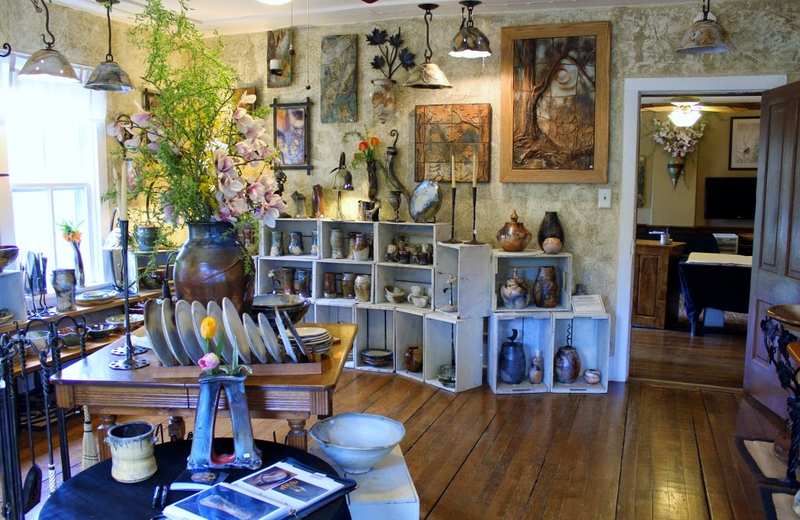
Two people making things by hand, in the building where they make them, is a rarer proposition than it sounds, and it is the single highest-rated attraction in the area on every review platform that covers the village. The garden is the part people remember: ironwork and pots placed among growing things rather than lined up for sale.
One practical note. The studio is four miles west of the village, out in Silver Creek proper. It is not a walk from Carroll Street, opening is not continuous, and it is worth checking before you drive out.
The combination sounds like a joke until you understand the economics of a village this size, where a single building has to earn its keep several ways at once. In practice it means you can look at local work, take a class, drink a coffee and play pickleball without moving your car, and that it is open to people who came for one of those and stayed for another.
Where the history is kept
The lake was named in 1835 by government surveyors running the original section survey. Running a random line is a surveying term, and the likeliest account is that they came across the water while running one and named it after the event. You will find a tidier story online in which a surveyor simply could not think of a name and gave up. The surveying explanation is the one the county history records, and it is the better story anyway. There is a fuller account of it in the story behind the name.
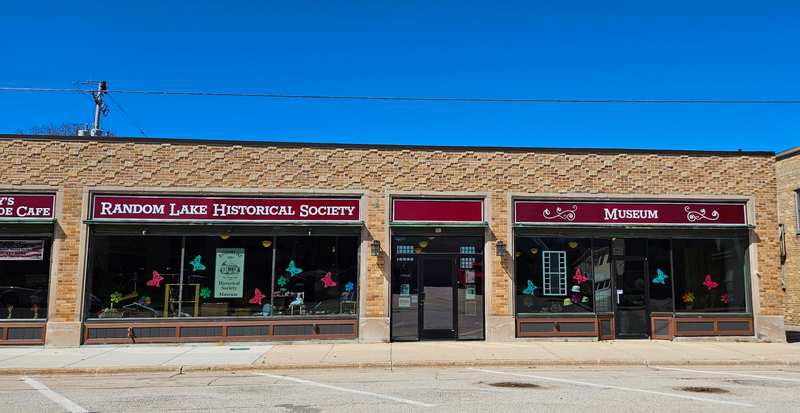
The settlement that followed was first called Greenleaf, after the railroad's financial agent, before it took the lake's name instead. Two places in the village hold that history properly, and one of them has hours that catch people out.
The railroad material is the heart of it, which makes sense: without the line arriving in the early 1870s there would be no village here at all, and the building it occupies was a grocery store before it was a museum. If you are coming for a weekend, you will miss it. Plan a weekday morning or accept that this one is for next time.
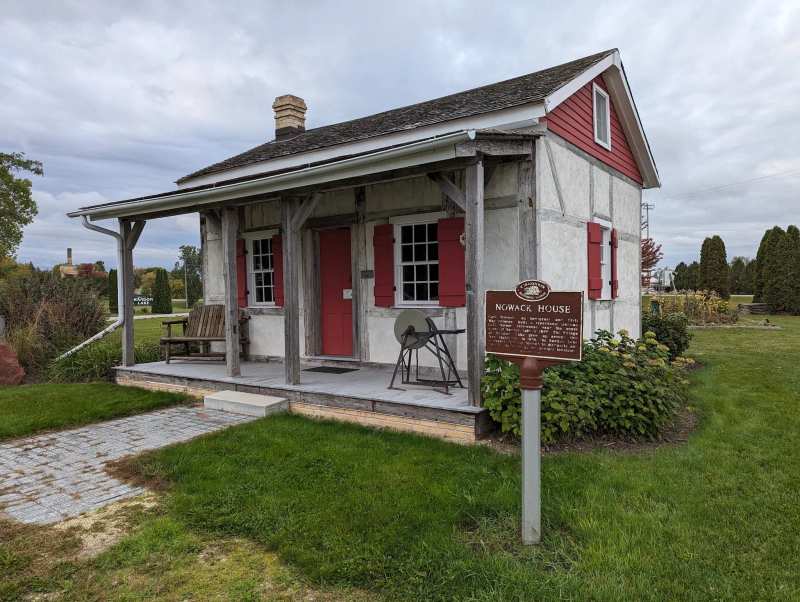
It is worth sitting with what that means. A group of residents formed an organisation for the express purpose of dismantling the oldest house in the village and putting it back together somewhere it would survive, then funded the result on donations and their own labour. That is a small town deciding something is worth keeping.
There is also a state historical marker for the Theodore Rietz Distillery, number 571 of the six hundred or so across Wisconsin. It takes two minutes and it is free.
Eating, drinking and a night out
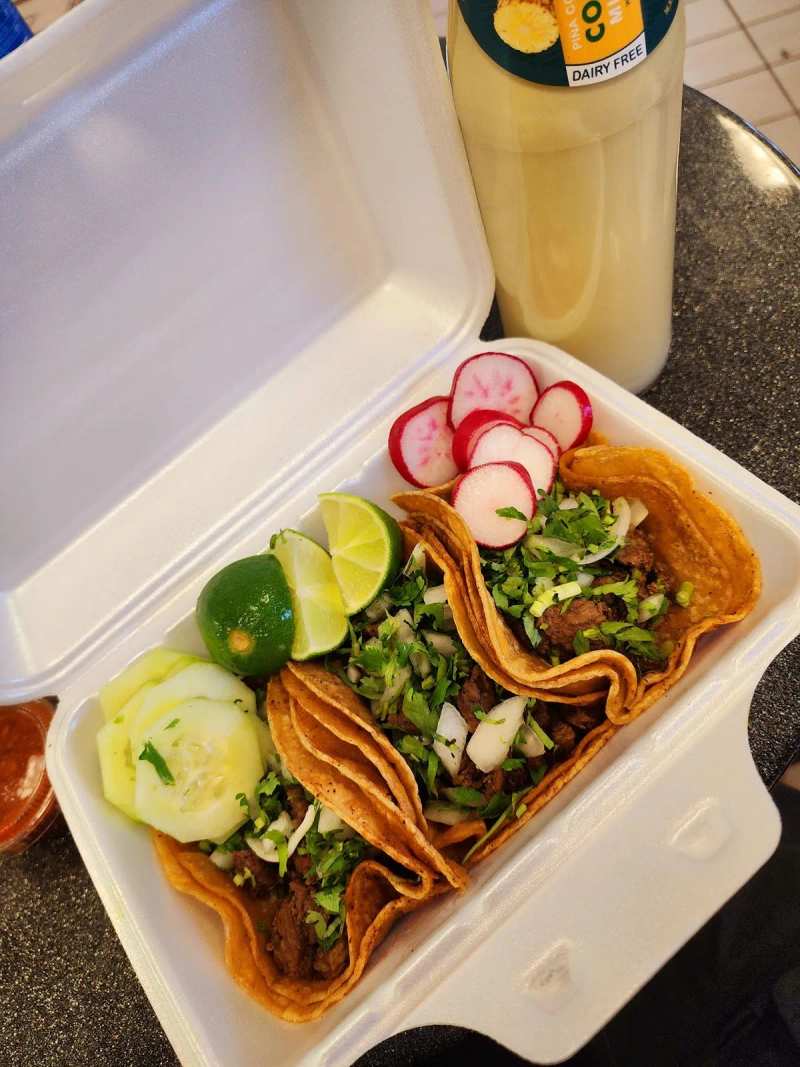
For a village this size the food is disproportionate, and the shape of it is genuinely odd. Random Lake supports three Mexican restaurants and taquerias alongside the usual Wisconsin lineup of supper club, fish fry and corner bar. Nobody writing about this place from a distance has noticed, and it is the first thing you notice driving in.
The pizzeria at 435 2nd Street is the highest-rated and most-reviewed place in the village by a distance, and it is the safe recommendation if you are only eating here once. Breakfast at 111 Carroll Street is volunteer-staffed and cash only, so stop at a machine first. It is in an old building near the rail line, and the pancakes have a following.
For Friday fish fry the choice is the supper club, which also does the broasted chicken people drive in for, or Leonard's Silver Creek Inn out toward Silver Creek. Both are proper Wisconsin Friday nights rather than a restaurant doing a themed evening. The old fashioned at the Mirror Bar arrives with dilly beans and pickled kohlrabi, which is the most Wisconsin sentence in this guide. All of it, including the taquerias, is covered properly in the restaurants guide.
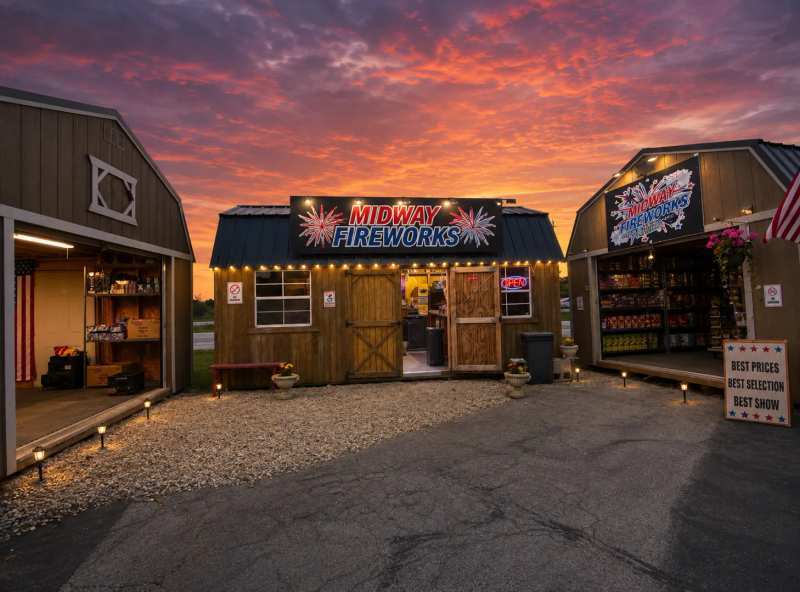
Two more worth knowing. The hardware store on Allen Street is the kind that still answers questions properly, which matters if you are here with a boat or a tent. The fireworks stand on Highway 57 is family-run, one of three the family operates in Wisconsin, and it explains what it sells rather than just selling it.
Where to stay
Be realistic about this. Random Lake has very little accommodation, and pretending otherwise would waste your time.
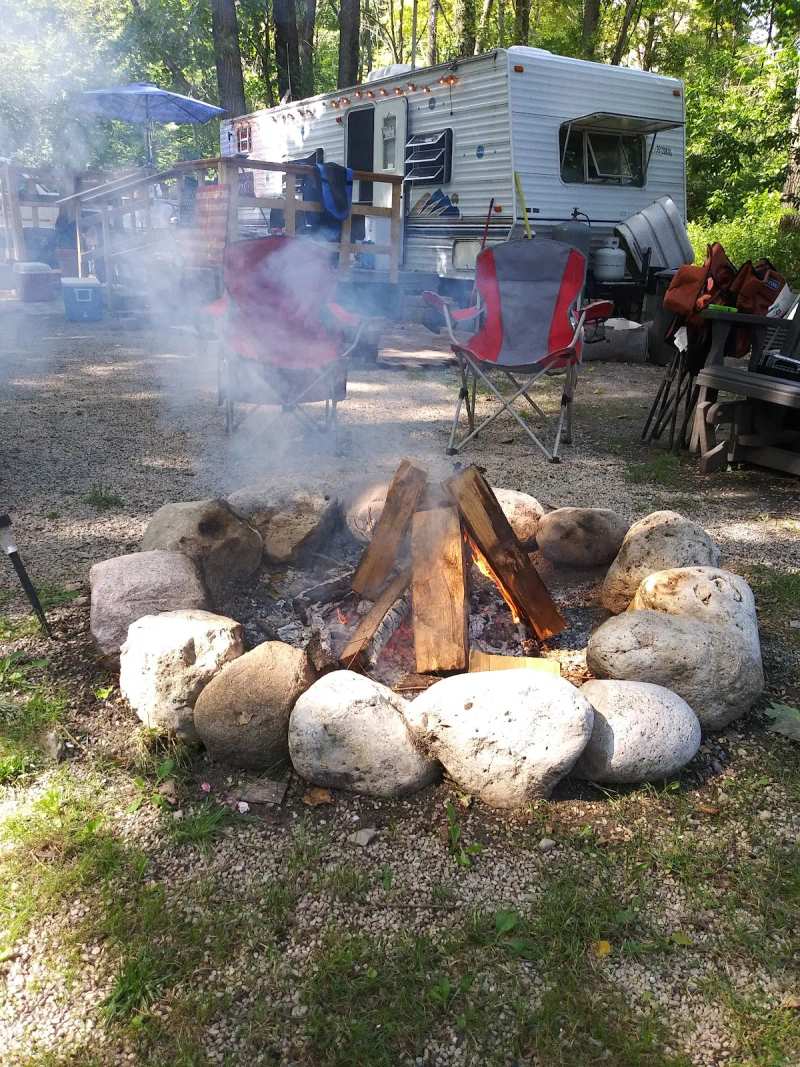
The motel sits on Highway 57 with a garden and barbecue facilities, and it is the only conventional room in the village. The campground runs seasonal sites aimed at long stays rather than a night or two, so it is not a general answer for a passing visitor. There is one more option if you are a group rather than a couple: an 1800s fieldstone hall out at Silver Creek takes sixteen and more, with a dance hall, a full kitchen and a fire pit. It is a venue that people stay in rather than a hotel, so it suits a family gathering or a wedding party and not a passing night.
If you need ordinary choice, Belgium is about seven miles east and Plymouth about fourteen north, and both have considerably more. Cascade is 7.8 miles north-north-west and adds nine more once the campgrounds on the Kettle Moraine edge are counted. Most people who come here for a day are staying somewhere else and driving in, and that is a perfectly sensible way to do it.
When to come
Summer, if you want the village at full volume. The music series runs Thursday evenings through the season, the fireworks night lands in early July at Bob McDermott, and the fire department's picnic takes the last weekend of the month with a car show, a parade and a food shack that people plan their year around. Those three weeks are Random Lake with everyone home. Dates and what each one involves are listed in the events calendar.
September is the quieter answer and, for some people, the better one. The lake is still good, the crowds are gone, the water cools and the fishing improves with it. Autumn brings the Fall Festival to the downtown green, which is a smaller and more local affair than the summer events.
Winter is cold and the village goes quiet, which you should know rather than discover. The lake averages six feet deep and freezes readily, so ice fishing is a real use here rather than a novelty, though conditions vary every year and that judgement is yours to make. Spring is slow to arrive this close to Lake Michigan, which holds the season back a couple of weeks compared with inland Wisconsin. The numbers behind all of that are in the snowfall and the seasons.
None of this takes more than a weekend. That is not a criticism. Random Lake is a village of fifteen hundred people that turns out for its own fireworks, runs its museum on donations and volunteers, and keeps five parks going on a tax base that size. Go on a Thursday evening in July, stand on the lawn at Bob McDermott while the band plays and somebody's children fish bluegill off the dock behind you, and the appeal stops needing explanation.
Published August 3, 2026