
If you want to know whether it will rain on Saturday, a forecast site will serve you better than this page will, and you should go and use one. What Random Lake weather looks like across a year is a different question, and it is the one worth answering if you are deciding when to come rather than what to wear tomorrow.
The short version: about four and a half months of genuinely comfortable weather, concentrated between June and September, with a cold and quiet winter either side of it.
The numbers
Temperatures across the year run from around 11°F at the bottom to around 80°F at the top. July is the warmest month, averaging a high near 80°F and a low near 60°F. January is the coldest, averaging a high of about 27°F and a low around 12°F. Annual precipitation is roughly 34 inches, and snowfall roughly 46 inches.
Month by month, average highs run 27, 31, 41, 52, 64, 74, 80, 78, 71, 58, 45 and 33 degrees Fahrenheit from January through December. Counting days that are mild without being humid gives about 136 of them a year, which works out at four and a half months.
One caveat worth stating rather than burying: these are county-level figures rather than measurements taken in the village, and the source says so itself. For a place ten miles from Lake Michigan that distinction is not trivial, because the lake moves the numbers near the shore more than it does here.
Summer, and why most people come then
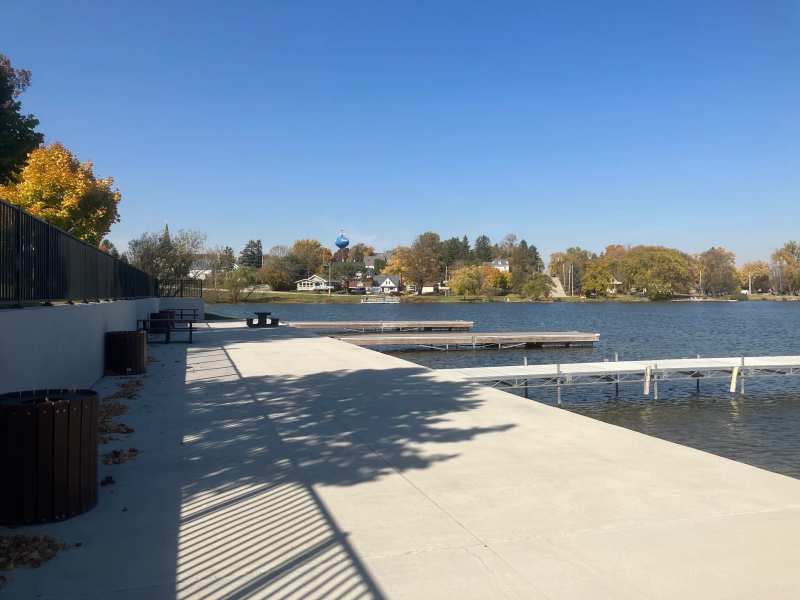
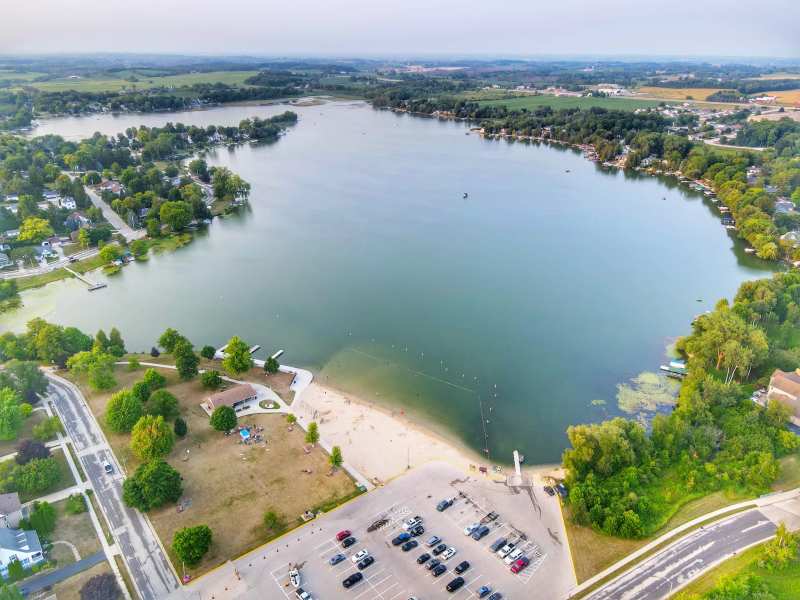
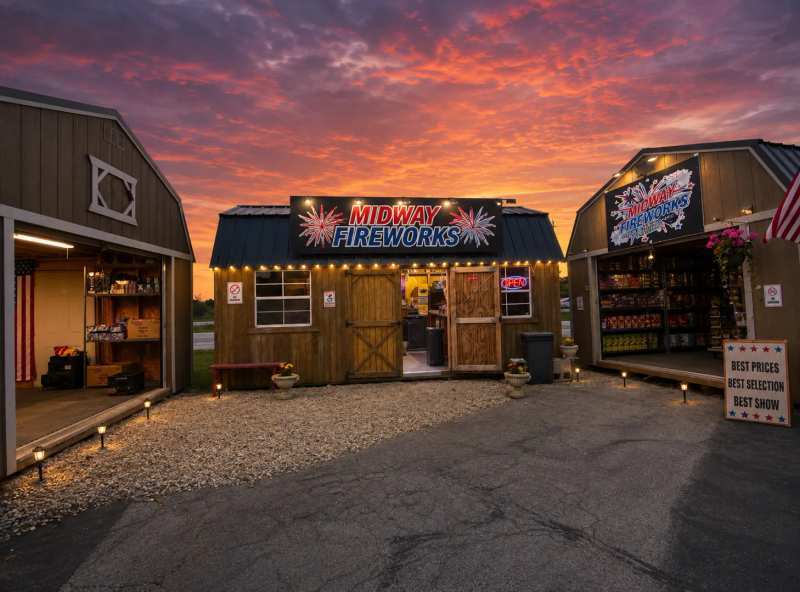
June through August is the answer for most visitors, and the village is built around it. The Thursday music series runs through the season at the lakefront park, the fireworks night lands in early July, and the fire department's picnic takes the last weekend of the month. Those weeks are the village at full volume.
Humidity is manageable rather than oppressive through most of the summer, which is not true everywhere in the Midwest at this latitude. Thunderstorms arrive through the warm months and pass quickly.
Autumn, which is the better answer for some people
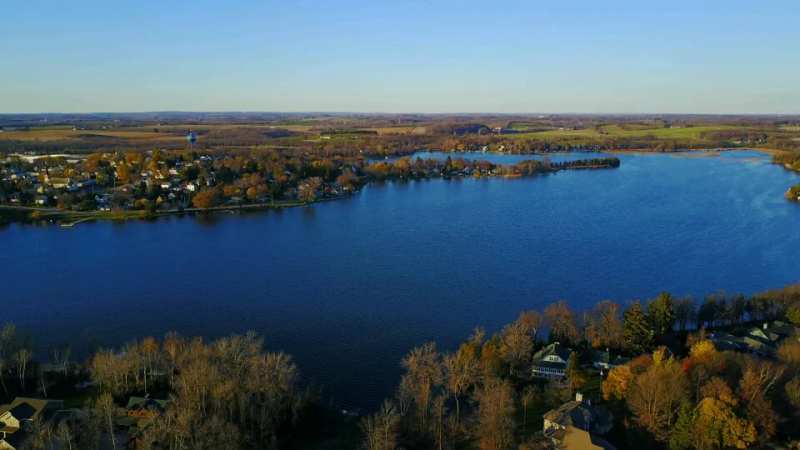
September still averages a high near 71°F and it has none of the July crowd. The lake is warm enough to swim in at the start of the month and the fishing improves through it. The Fall Festival on the downtown green is a smaller and more local affair than the summer weekends.
If you want the water largely to yourself, this is the season, and it is the one most visitors overlook because the calendar says summer is over.
Winter
Cold, and quiet, and you should know that before you arrive rather than discover it. January highs sit around 27°F and the village concentrates indoors. Forty-six inches of snow a year is a real winter rather than a picturesque one.
Being inland of Lake Michigan rather than on it cuts both ways in winter. The shoreline towns stay a little warmer because the lake gives back heat it stored in summer, and they also take the lake-effect snow when cold air crosses warm water. Ten miles west, Random Lake gets less of the moderating and less of the dumping, which mostly means a colder, drier and more ordinary Wisconsin winter than Sheboygan or Port Washington.
The lake averages six feet deep and freezes readily, which makes ice fishing a genuine use here rather than a novelty. Across Wisconsin the dependable window is January into February, when ice is generally widespread and stable, and late February can go off quickly during a warm spell. Conditions on this lake vary every year, nobody publishes a thickness you can rely on, and that judgement is yours to make locally and on the day.
Spring
Slow. Being ten miles from Lake Michigan holds the season back by a couple of weeks compared with inland Wisconsin, because the lake stays cold and cools the air moving over it. March and April average highs of 41°F and 52°F, so the warmth is arriving but it is not yet here.
The compensation is that you will have the place to yourself, and prices anywhere you stay nearby reflect that.
So when should you come
A direct answer rather than a hedge. Come in early July if you want the village at full volume, with the fireworks, the Thursday music and the picnic weekend inside a month of each other. Come in September if you want the lake without the people, which for a village of fifteen hundred is a real difference.
Avoid February unless you are here to fish through ice, and adjust your expectations rather than your plans for April.
Once you have picked a week, there is the lake, five parks and two museums to fill it with.
Summer concentrates into a Thursday habit and two big weekends.
The fishing keeps a season of its own, and it peaks after the visitors have gone.
Published September 7, 2026