
Most weather websites will tell you Martinborough gets around a metre of rain a year. It does not. The Martinborough weather records kept by NIWA stations around the town put the annual total at about 760 millimetres, and the regional council's climate report puts the whole area around Martinborough at 700 to 800 millimetres, the lowest in the Wairarapa and among the driest places in the Wellington region.
That dryness is the reason there are vineyards here at all. This is what the climate is like month by month, why it is so different from Wellington an hour away over the hill, and what it means for a weekend of tastings, bikes and long lunches.
What is the weather like in Martinborough?
Martinborough has warm, dry summers and cold, frosty winters, with about 760 millimetres of rain a year and plenty of sunshine. In the valley's long-term record, the average daily high runs from about 24°C in January and February down to about 12°C in July.
The figures you see on the big weather sites are often borrowed from somewhere else. One of the most-visited climate pages for the town says, in small print, that its sunshine and humidity data come from the Wellington station 56 kilometres away. Wellington is wetter, windier and cooler in summer than Martinborough, so those numbers make the town sound gloomier than it is. The figures on this page come from the Greater Wellington Regional Council's climate summary for the Ruamāhanga catchment, which covers the Wairarapa valley, and from NIWA's rainfall records for the stations around Martinborough.
The short version: pack for sun in summer, for frost in winter, and for wind in spring.
Why it is drier than Wellington
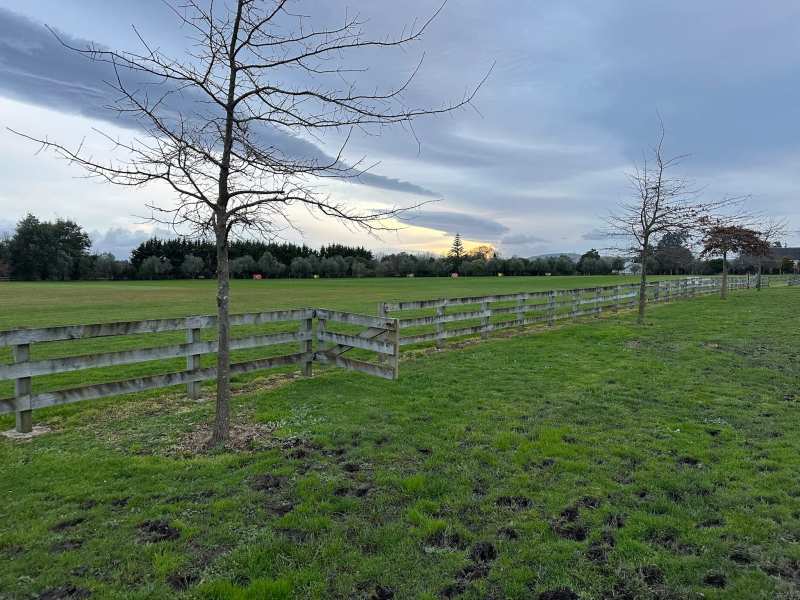
The Tararua and Remutaka ranges stand between Martinborough and the prevailing westerly weather. When a front comes in from the Tasman, it drops its rain on the ranges and the air arrives on the Wairarapa side dry, leaving the valley in a rain shadow.
The effect is large. The tops of the Tararua Range get more than 6,000 millimetres of rain a year. Most of the Wairarapa plains get 800 to 1,000 millimetres. Around Martinborough, at the dry end of the valley, it drops to 700 to 800. NIWA's climate records for the Wellington region also show the fewest rain days anywhere in the region around Martinborough, with the fewest of all from January to March.
The same ranges make the Wairarapa hotter in summer and colder in winter than the Wellington side. The regional council's figures put average summer highs about 5°C warmer east of the Tararua Range, and average winter lows about 6°C colder. If you are driving over from the city, Wellington's weather is the useful comparison: a grey, blowy day in town is often a still, sunny one here. Fifteen kilometres up the valley, Greytown's weather runs close to Martinborough's, a little wetter.
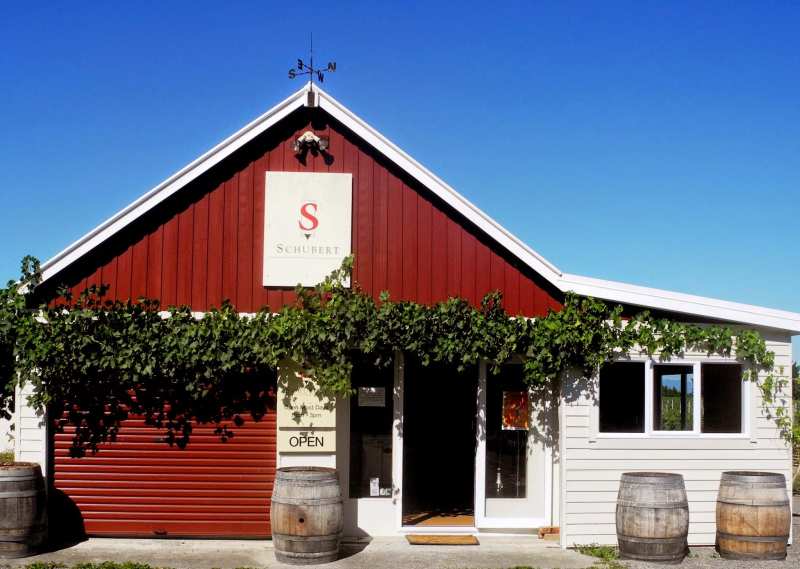
The dry, sunny autumns and free-draining gravel soils are why a group of locals and a soil scientist decided in the late 1970s that grapes would do well here. The result is the vineyards that dry climate made, most of them within a couple of kilometres of the Square.
Martinborough weather month by month
January and February are the warmest months, June and July the coldest, and January to March the driest. The temperatures below are the long-run monthly averages from the regional council's valley record at East Taratahi, near Masterton, which is the nearest long temperature series. Martinborough's own days run close to these figures.
January
Average high 23.9°C, low 10.9°C. Midsummer, with the most sunshine of the year: 230 to 245 hours in the month across the valley. Nights are cool enough to sleep. The vines are in full leaf and the town is busy through the school holidays. Cruise Martinborough brings classic cars to town at the end of the month.
February
Average high 24.5°C, low 11.4°C. The warmest month and one of the driest. The first Saturday is the first of the February and March fairs. Hot nor'west days can pass 30°C, so bike days start early.
March
Average high 21.8°C, low 9.7°C. Still warm, still dry, and the start of harvest. The light in the evenings goes golden and the summer crowds thin out. If you can only pick one month to visit, pick this one.
April
Average high 18.8°C, low 6.9°C. Harvest continues into April, the vine leaves turn, and the first cool mornings arrive.
May
Average high 16°C, low 4.6°C. The first frosts appear in the valley and the evenings draw in. Quieter, cheaper and good for long lunches by a fire.
June
Average high 13.4°C, low 3.1°C. Short days, with sunshine down to around 100 hours in the month. Rain is at its highest through winter, though the totals are still modest by New Zealand standards.
July
Average high 12.2°C, low 2.7°C. The coldest month. Frosts are common on clear, still nights, and the mornings can start below zero before a bright blue day.
August
Average high 13.4°C, low 3.4°C. Still winter, but the days are lengthening and the vines are being pruned in the rows around town.
September
Average high 15.6°C, low 4.8°C. Spring arrives with blossom and the start of the windiest season. Jazz in Martinborough and the Martinborough Music Festival both fall in September.
October
Average high 17.5°C, low 6.6°C. Budburst in the vineyards, when the new shoots are at their most exposed to a late frost. Round the Vines is on the last Saturday of the month in 2026.
November
Average high 19.1°C, low 7.6°C. Long evenings return. Toast Martinborough is on Saturday 14 November 2026.
December
Average high 21.6°C, low 10.1°C. Summer proper, with December and January the sunniest months on the town's own records. The Christmas and New Year weeks are busy.
What is on in each season is set out in the events calendar, which is worth checking against the weather before you book.
Summer heat and the nor'wester
On a hot day in summer, the valley can pass 30°C. The heat usually comes with the nor'wester, the warm, dry wind that drops down off the ranges after it has lost its rain on the other side.
A nor'west day is a great day for a swim and a bad day for a long ride between cellar doors in the middle of the afternoon. The flat roads between the vineyards have little shade.
The valley can also swing sharply within a day. The regional council records daily temperature changes of up to 11°C, so a 28°C afternoon can become a cool evening quickly. Take a layer for dinner outside, even in February. If you are planning a bike day on the Terrace, the weather is the first thing to check.
When it is hot, the town pool at Considine Park on Princess Street is the place to cool off.
Winter frosts and fires
Martinborough winters are cold and often clear. Frosts are frequent from May to August and can also turn up in autumn and spring, and a still night after a sunny day is when the coldest frosts form.
The trade-off is the days. A frosty morning is often followed by a still, bright afternoon. Cellar doors stay open through winter, though some keep shorter hours, and the town is at its quietest and easiest to book.
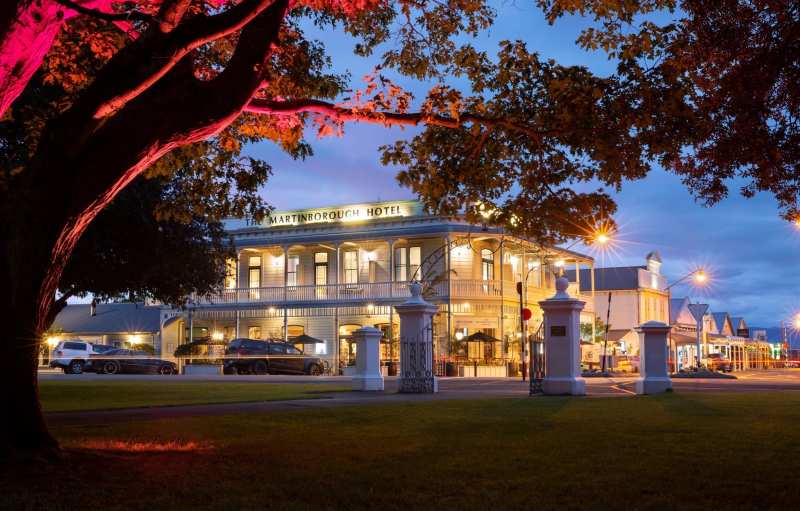
In the village, the Martinborough Hotel on the Square is an 1882 building with a bar and restaurant, which makes it an easy winter base: everything is walkable, so you are never far from somewhere warm.
Snow is rare in the town itself. It falls on the Tararua and Remutaka ranges in winter, and occasionally on the Remutaka Hill road between Wellington and the Wairarapa, which can close or slow the drive over. Check the road before you leave.
Wind
The prevailing wind is from the north-west, and spring is the windiest season. The regional council notes that the strongest nor'westers hit the southern plains around Featherston and Lake Wairarapa, which is the stretch you drive through on the way in from Wellington.
Southerlies bring the cold changes: a southerly can turn a warm afternoon into a cold evening in an hour. On a bike, check the wind before the temperature before you set off.
The coast is a different climate
The south coast at Lake Ferry and Cape Palliser is windier, cooler and more exposed than the town, even on a warm day in Martinborough. Take a jacket for the day trip south.
At the Lake Ferry Hotel, 32.8 kilometres south-west in a straight line, the southerly comes straight off Cook Strait, and the spit between Lake Onoke and the sea can be hard to stand up on. At the Cape Palliser Lighthouse, 45.9 kilometres south-south-west, the climb of about 250 steps is fully exposed. Go on a still day if you can choose.
Best time to visit Martinborough
February to April gives the most settled weather: warm, dry and sunny, with harvest in March and April. October to December brings long evenings, the spring flush in the vineyards and the big events.
If you want the town quiet and cheap, come in winter, bring warm clothes and book a room with a fire. If you want to be outside all day, come between late January and March. If you want a festival, plan around Toast in November or the Fair in February and March, and book everything months ahead. A long weekend in March is hard to beat as a first trip. Once the weather is sorted, the rest of what to do in Martinborough is mostly within walking distance of the Square.
The regional council also notes a pattern worth knowing in dry years. In a La Niña summer, the Wairarapa plains tend to get long dry spells broken by heavy rain from ex-tropical cyclones coming down from the north-east. Those events are when the valley gets its biggest downpours.
Where to check the forecast
For the live forecast, MetService publishes a dedicated rural forecast for Martinborough, with a seven-day outlook and hourly rain and wind. The Remutaka Hill road has its own status page from NZ Transport Agency Waka Kotahi, and it is worth a look before you drive over, especially in winter and after heavy rain.
Frequently asked questions
Published September 13, 2026