You can leave downtown Sheboygan on a bike and ride west for 21 miles without meeting a car, or walk from a city street into 135 acres of woods and prairie in a few minutes. The Sheboygan parks system is a mix of long trails that start in the city, nature parks inside it, a river corridor through the middle and a string of small neighborhood parks with more history than their size suggests. What follows covers the trails, Maywood, the river, the parks worth going out of your way for, and where to camp.
The lake beaches are a subject of their own; this is everything else outdoors.
Where to walk and ride in Sheboygan
For a long bike ride take the Old Plank Road Trail west from Erie Avenue, for a lakeshore route south take the Sheboygan Interurban Trail, and for woodland walking stay in the city at Maywood.
Those three cover most of what walkers and cyclists come for. The Old Plank Road Trail is paved, long and flat. The Interurban is a mix of path and quiet road heading down the shore toward Ozaukee County. Maywood has five miles of trail through prairie, woods and ponds without leaving the city limits. Around them, the smaller parks give you a river boardwalk, a burial-mound trail, a lakefront sledding bowl and a peace garden with a view.
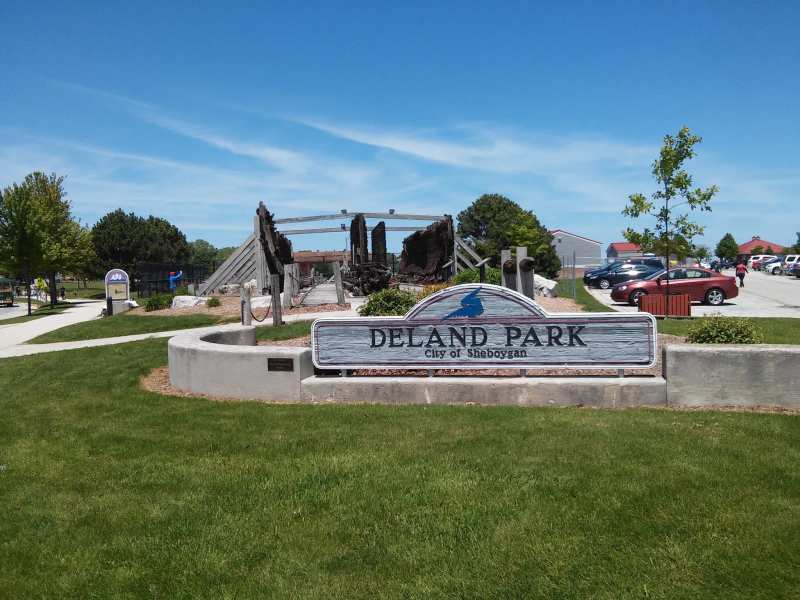
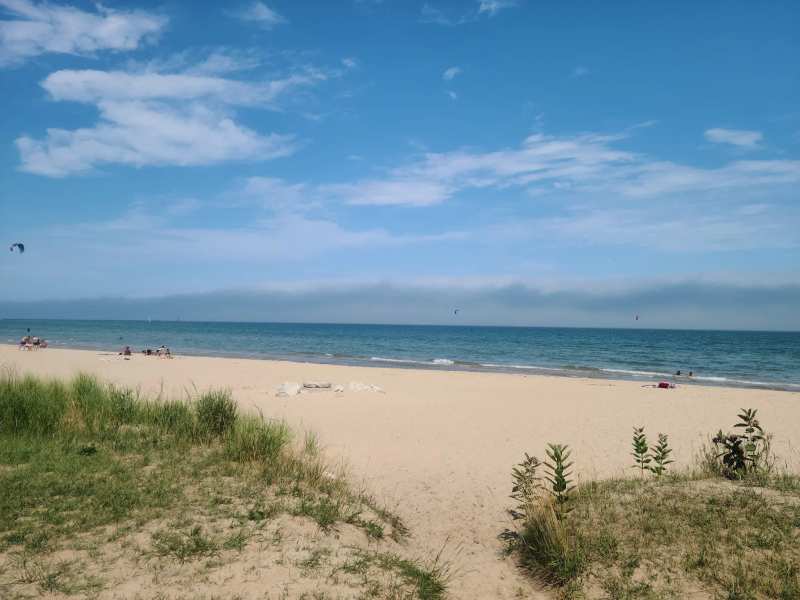
The lakefront beaches have their own character and facilities, and the beaches from Deland Park to the dunes are covered in detail. For a wider trip, the trails are one strand of a visit to the Lake Michigan city.
The Old Plank Road Trail
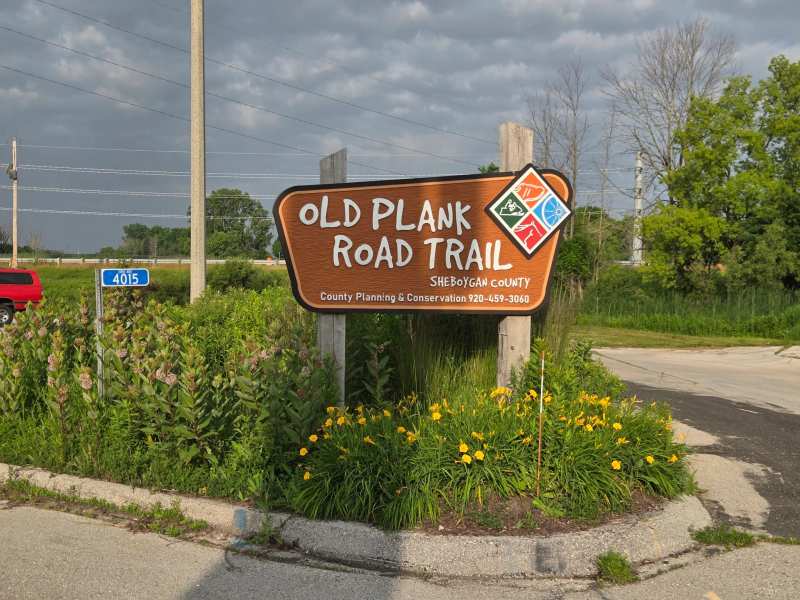
The Old Plank Road Trail starts at the Kohler Erie Avenue Trailhead on the west side of Sheboygan and runs about 21 miles west to the county line, where it continues into Fond du Lac County for a total of roughly 37 miles.
The distances confuse people because three figures circulate. About 21 miles lie inside Sheboygan County, from Erie Avenue to the Fond du Lac County line. The whole route to the city of Fond du Lac is about 37 miles. And the older 17-mile figure you will still see describes the original section from Sheboygan to Greenbush, before the trail was extended 4.4 miles to the county line in 2021. More sections were added in 2025, including a north-south segment on the east side of Plymouth.
The name comes from the plank roads of the mid-1800s, when settlers laid timber over the old routes to get wagons through mud, and those routes followed earlier Native American footpaths. Today the trail shares a right-of-way with Highway 23, and it was one of the first in the country to run alongside a four-lane divided highway. It has won an award from the American Planning Association.
The terrain is flat to gently rolling, with one real climb near County Highway S just east of Greenbush. The honest caveat is the highway: stretches run close to traffic, and there is little shade, so on a hot day start early and carry water. A good turnaround for a family ride is the Plymouth trailhead, about 11 miles west of downtown Sheboygan, where the town has cafés for a break before the ride back.
Greenbush, at the far end in the kettle country, has its own story, and the Greenbush area and Wade House are written up from the Cascade side. Day trips west of Sheboygan follow much of the same line.
The Sheboygan Interurban Trail
The Sheboygan Interurban Trail runs south from Sheboygan through Oostburg and Cedar Grove to the Ozaukee County line, about 14 miles in all, with roughly 5.5 miles on off-road path and the rest on quiet roads.
It follows the route of an old electric interurban railway, which is why it heads straight down the lakeshore through the small towns rather than winding. The off-road sections are pleasant and car-free; the on-road sections use lightly traveled rural roads, which suit confident adult cyclists but need more care with young children. Plan a family ride around the path sections rather than the whole length.
In Cedar Grove, the Cedar Grove trailhead, about 13 miles south-southwest of downtown Sheboygan, is a convenient place to start or stop, and the Amsterdam Dunes are nearby.
Do not confuse it with the Ozaukee Interurban Trail, a separate and longer paved trail further south that runs through Belgium, Port Washington and Cedarburg. The two connect in spirit rather than as one continuous path, and the Ozaukee Interurban from Belgium south is the one to ride if you want an unbroken paved route.
Maywood
Maywood, formally the Ellwood H. May Environmental Park, is 135 acres of city-owned woods, prairie and ponds on Mueller Road with five miles of trails, open from 6am to 10pm every day of the year, and free.
It is the best walk in the city for anyone who wants to feel away from it. The trails are short enough to combine, so an hour can take in prairie, forest and river. In winter the same trails are used for cross-country skiing and snowshoeing, and the park holds a non-competitive Earth Ride on bikes each year.
Maywood shares its southern border with Evergreen Park on Calumet Drive, which adds forest walking trails, picnic tables and a calendar of local events, so the two can be walked together. On the west side of the city, Willow Creek Preserve covers 143 acres of undeveloped land with gentle paths and good birdwatching.
The river and the water
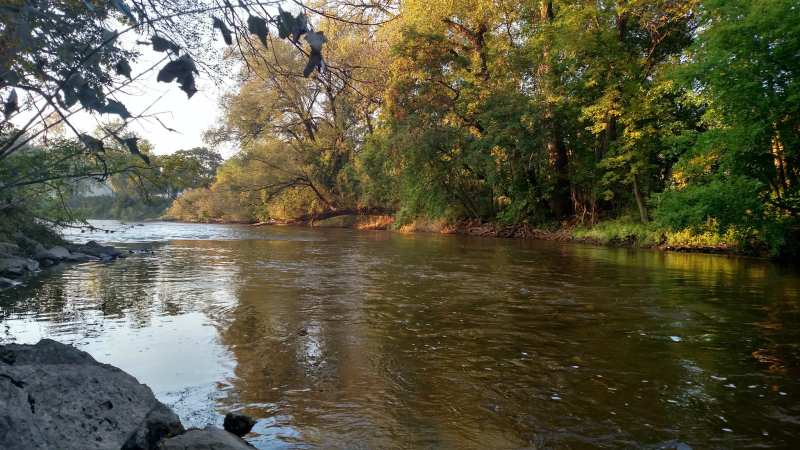
The Sheboygan River runs through the middle of the city to the harbor, and the easiest ways to see it are the boardwalk at Rotary Riverview Park and a paddle from the Esslingen Park canoe launch.
Downtown, Rotary Riverview Park has a boardwalk along the river with views of the marina and the lake, restrooms, and a walking path, and it is lit for Christmas light viewing in season. For anglers, the Roy Sebald Sheboygan River Natural Area on Indiana Avenue gives access to the river for fishing, and trout and salmon run up from Lake Michigan in season.
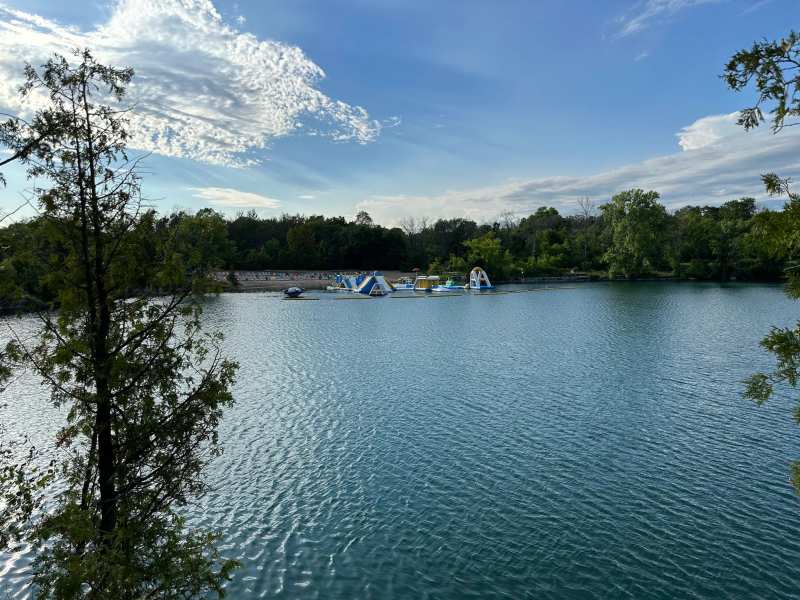
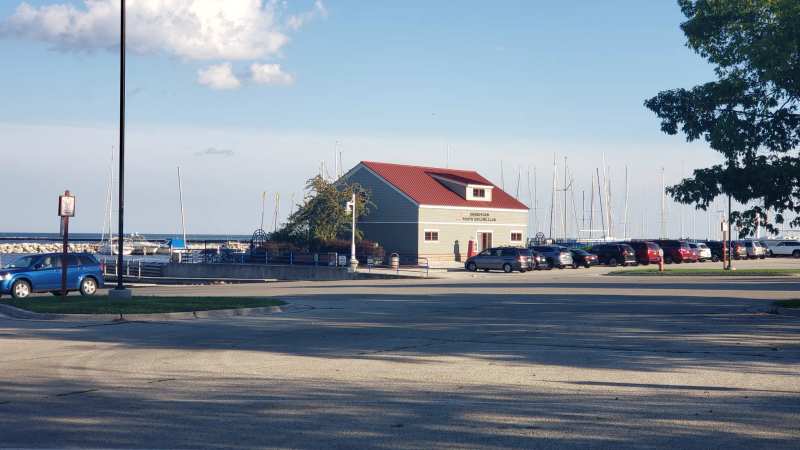
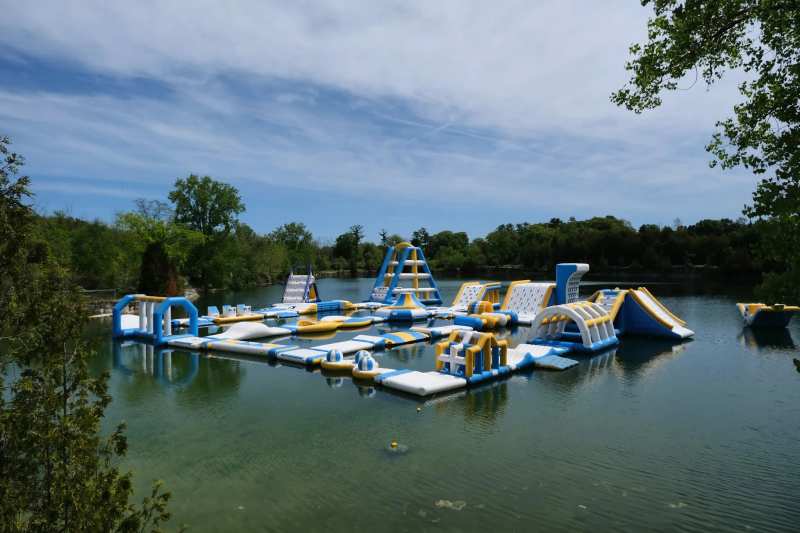
Kayak and paddleboard rental is available in the city through EOS's rental dock, which fits paddlers with life jackets, and at the Quarry on Calumet Drive in summer. On the lake, the Sailing Education Association of Sheboygan teaches sailing at every level. For water with slides and floating obstacles rather than a current, the Quarry and Breaker Bay are the choices.
North of the city, Pigeon River Park on Lakeshore Road has trails, water access for fishing and kayaking, and an off-leash dog area, which makes it one of the few places in town where a dog can run free.
The neighborhood parks
Sheboygan has a long list of small parks, and four are worth going out of your way for: Indian Mound Park for its prehistoric mounds, Fountain Park for downtown life, Vollrath Park on the lake, and Peace Park for its gardens and view.
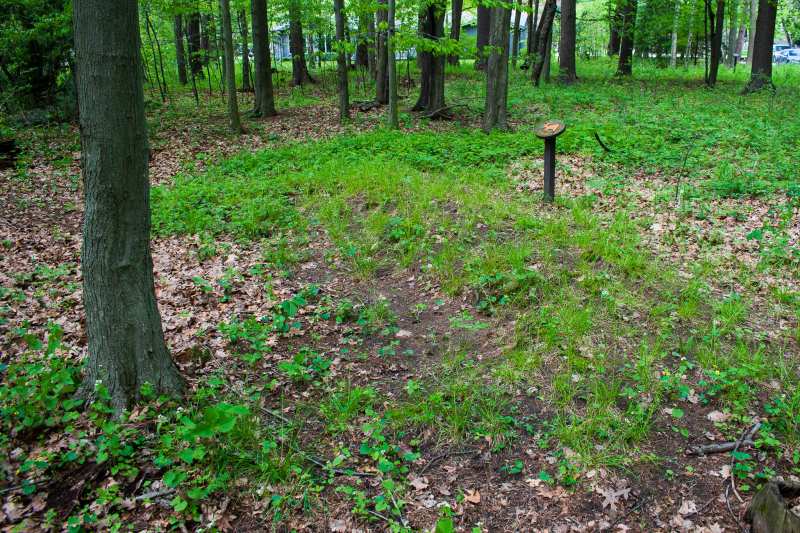
Sheboygan Indian Mound Park on the south side protects a group of effigy and burial mounds built by Native American people more than a thousand years ago, some shaped like animals. The 15-acre park, opened in 1966, has an interpretive trail with signs explaining what the mounds are. They are burial sites, and visitors should stay on the marked paths and treat them with the same respect as any cemetery.
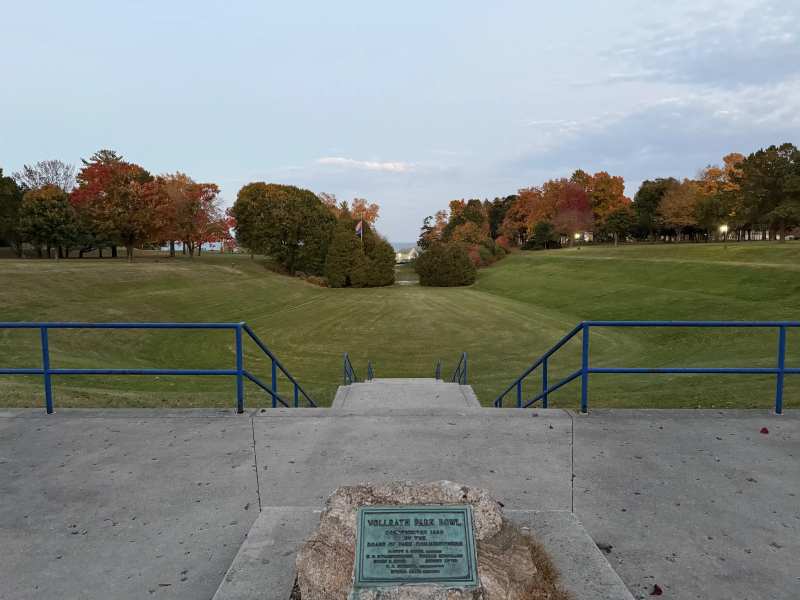
Fountain Park, on 8th Street downtown, is the city's civic center outdoors, with a monument, a waterfall, a band shell for concerts and the summer farmers market. Vollrath Park at 100 Park Avenue sits on the lake with a playground, tennis courts, a disc golf course and a sledding bowl that is one of the best winter hills in town, around a 1930s amphitheater.
On Broughton Drive by the lake, Sheboygan Peace Park has tended gardens, seating areas with views of Lake Michigan and accessible paver paths, a calm place to sit after a walk along the lakefront.
A few others are useful to know. Taylor Park on Erie Avenue has indoor shelters, a gazebo, grills and a playground for gatherings.
The Black River Trails, south of the city by Kohler-Andrae, have meadow and forest paths open from 6am to 11pm year-round, and they connect toward Balzer Wilderness Park in the Black River area.
For playgrounds suited to young children, parks for a family day start with Shaw Family Playground.
Winter outdoors
Sheboygan's parks stay busy in winter: Maywood's trails take cross-country skis and snowshoes, Vollrath and Kiwanis parks have the city's sledding hills, and the Old Plank Road Trail is open to nordic skiers and snowmobiles.
Vollrath Park's sledding bowl is built into the slope around its old amphitheater, with tiered sides that change speed on the way down, and Kiwanis Park has hills of its own by the river. At Maywood the woods are quiet after snow, and the trails are short enough for a first attempt on snowshoes. On the lake, the harbors offer ice fishing for brown and rainbow trout when the ice is safe, and inland lakes in the county hold panfish, pike and bass.
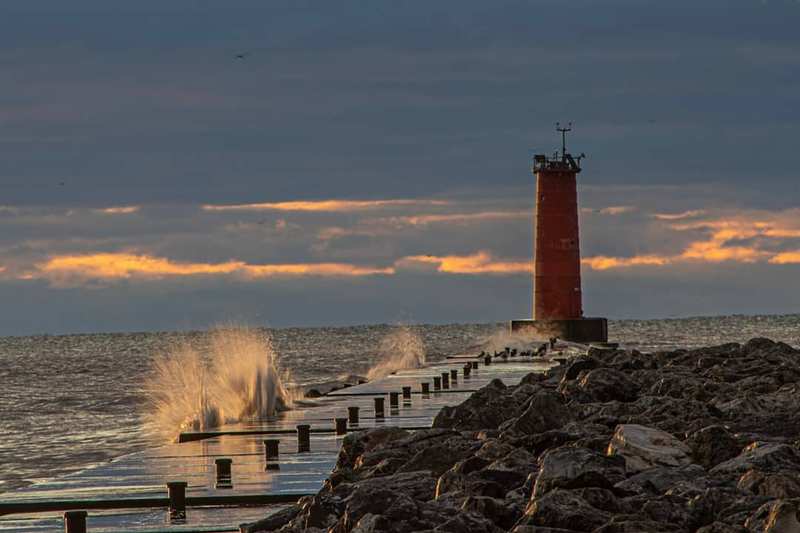
North Point Park, at the top of the lakefront, is where people go to watch ice shelves build and waves break over them. Dress for wind off the lake, which makes a freezing day feel much colder at the shore than half a mile inland.
Accessible options
For visitors using wheelchairs or pushing strollers, the paved Old Plank Road Trail, Peace Park's paver paths, Shaw Family Playground and the boardwalks at Rotary Riverview Park and Kohler-Andrae are the most accessible outdoor choices.
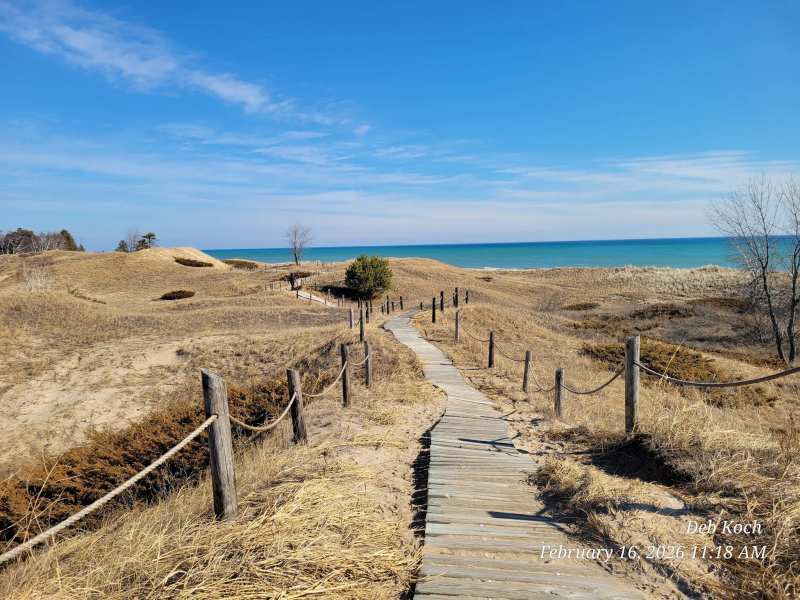
The Old Plank Road Trail's 10-foot asphalt surface and gentle grades make the first miles from Erie Avenue easy going. Shaw Family Playground was designed from the start for inclusive play. At Kohler-Andrae, the Kohler Dunes Cordwalk lets visitors cross the dunes on a raised path, and at Deland Park one of the three playgrounds is accessible. Maywood's trails vary in surface, so ask at the Ecology Center which loops suit your needs.
Camping and staying out
There is no campground inside Sheboygan, so camping near the city means Kohler-Andrae State Park on the lake about 5.5 miles south of the river mouth.
The park is the only place near Sheboygan to fall asleep to the lake, and it puts the Black River Trails and the dunes on your doorstep. For more campgrounds in the kettle country further west, the state forest and county sites around Greenbush, Plymouth and Elkhart Lake are the options, and they suit a longer trip that combines the lake with the hills.
Whatever the season, the trails change character with the weather. Summer is for long rides, fall for color and cooler walking, and winter for skis, snowshoes and sledding. Sheboygan through the seasons helps decide when a trail trip fits best.
Frequently asked questions
Published June 8, 2026