Lake Michigan runs Sheboygan's calendar. It keeps the shore cool into early summer, holds on to warmth into fall, builds the waves surfers wait for in winter, and decides whether a July afternoon is a beach day or a sweater day. The best time to visit Sheboygan comes down to what you want from the lake: to swim in it, surf it, walk beside it or watch it freeze.
What follows goes season by season, with typical temperatures, what is open and what closes, and who each part of the year suits best.
The short answer
Come in July or August for swimming, beaches and free outdoor events; come in September or October for surf, trails, fall color and quieter streets; come in winter only if you want snow, surfing or storm watching.
By traveler type, families with young children do best from late June to August, when Bookworm Gardens is open, the lake is at its least cold and the parks are full of events. Surfers want October through winter. Golfers get the best mix of weather and availability in late spring and September. Walkers and cyclists enjoy September and October most, with cool air and color on the trails. Festival-goers should plan around the Fourth of July, Brat Days in late summer and the county fair over Labor Day weekend.
Whatever the season, summer weekends and big event weekends are when rooms fill, so booking a Sheboygan hotel early matters more than choosing the perfect week.
What the lake does to the weather
Lake Michigan makes Sheboygan cooler than inland Wisconsin on spring and early summer afternoons, when a breeze off the cold water can drop the temperature sharply at the shore, and milder than inland towns in late fall, when the lake gives back stored heat.
Typical station averages published by US Climate Data put Sheboygan's July high at about 81°F with lows around 61°F, and January's high at about 29°F with lows around 13°F. April averages about 53°F by day and October about 59°F. August is usually the wettest month at roughly 4 inches of precipitation, and February the driest. WeatherSpark's modelled climate data describes a warm season from early June to mid-September, when daily highs average above 69°F. Different sources round these figures slightly differently; treat them as a guide, not a forecast.
The extremes are part of local lore. The Mead Public Library's reference desk records Sheboygan's lowest temperature as 26°F below zero, reached in January 1982 and again in January 1985, and its highest as 108°F on July 13, 1995. The city's biggest 24-hour snowfall on record is 18 inches, on January 31, 1947.
What to pack follows from that. In summer, bring swimwear and sun protection but also a fleece for evenings by the water. In spring and fall, a windproof jacket matters more than a warm one. In winter, dress for wind chill rather than the thermometer, with a hat, gloves and waterproof boots for snowy trails and icy piers.
The practical lesson is simple: pack a layer in every season. A warm day inland can feel ten degrees cooler on the lakefront when the wind comes off the water, especially from April to June.
Summer, June to August
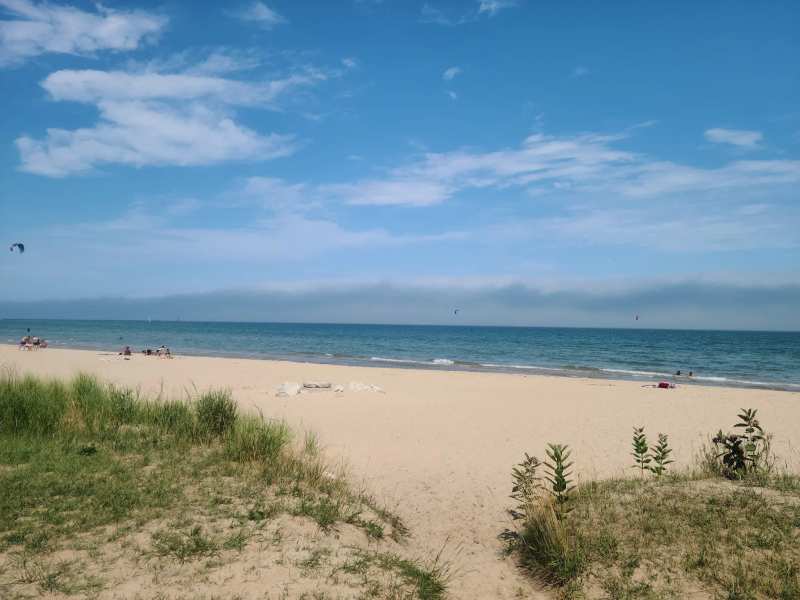
Summer is beach season in Sheboygan: the county tests the main beaches for E. coli from Memorial Day weekend to Labor Day weekend, Bookworm Gardens is open, and most of the town's free outdoor events take place.
The lake warms slowly, so June water can still be bracing even on a hot day, and late July and August usually offer the least cold swimming. There are no lifeguards on city beaches, and each beach's water-quality flag is worth checking before swimming.
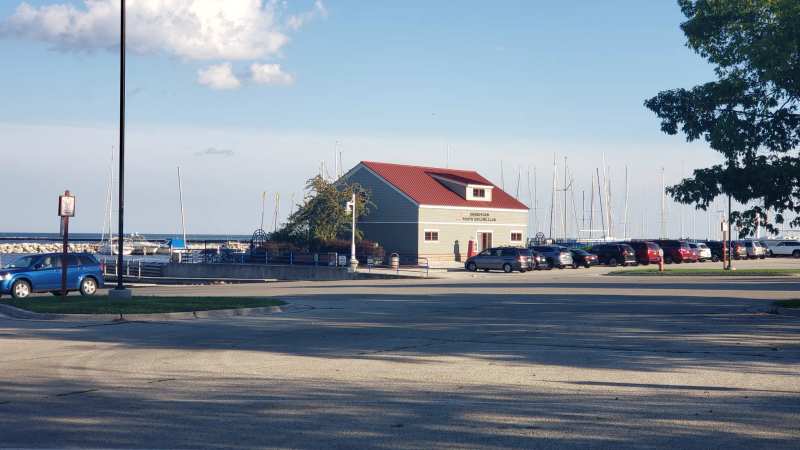
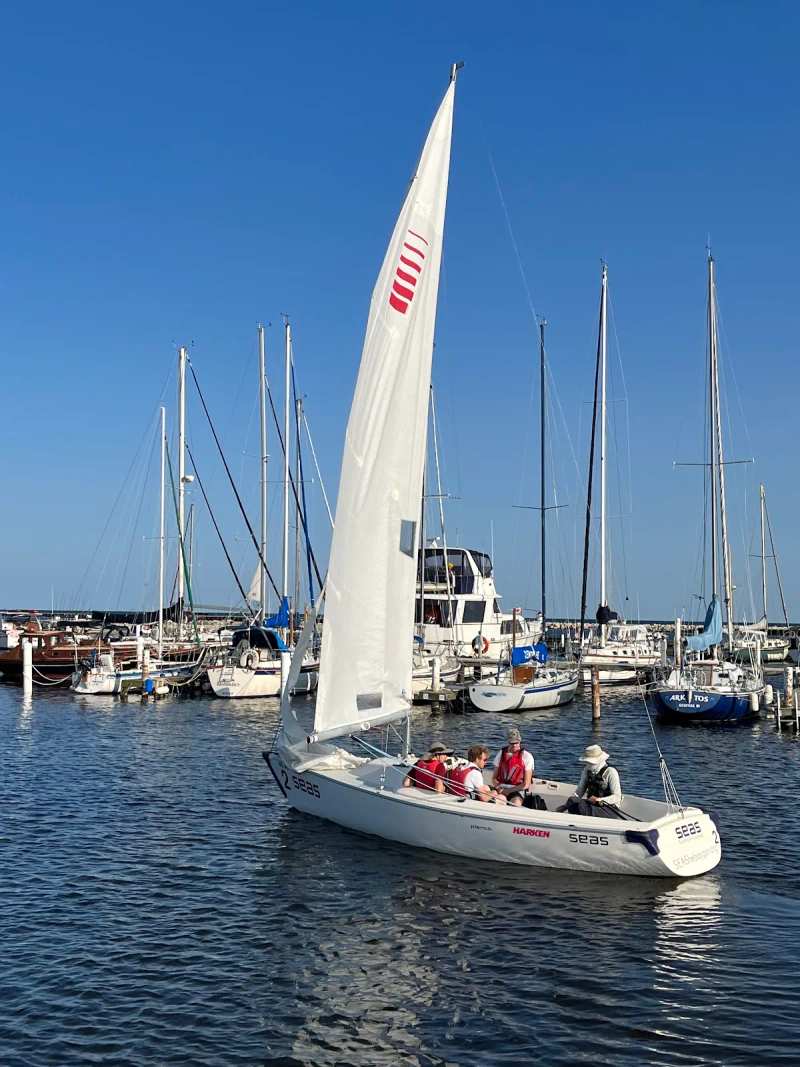
Sailing season runs from Memorial Day, and the sailing school at SEAS offers lessons for every level.
Bookworm Gardens is open daily except Mondays in June to August. Free concerts on City Green, the Fourth of July parade and fireworks, the farmers market twice a week and Brat Days at Kiwanis Park fill the calendar, and what is on through a Sheboygan year shows how the season builds.
The trade-offs are crowds and prices, plus the occasional sticky, stormy day when thunderstorms roll in off the land in the afternoon and clear by evening. Summer weekends are the busiest and most expensive time for rooms, and the most popular beaches and restaurants are full on Saturdays.
Fall, September to November
September is the month many locals would pick: the summer crowds have gone, the lake still holds some of its warmth, and surf season has started.
Sources place the start of surf season anywhere from late August to October, but they agree that the windy months bring the waves. September and October are the easiest months to watch real surf without the deep cold of winter, and the breaks and winds behind the Malibu of the Midwest in fall are worth understanding before you watch.
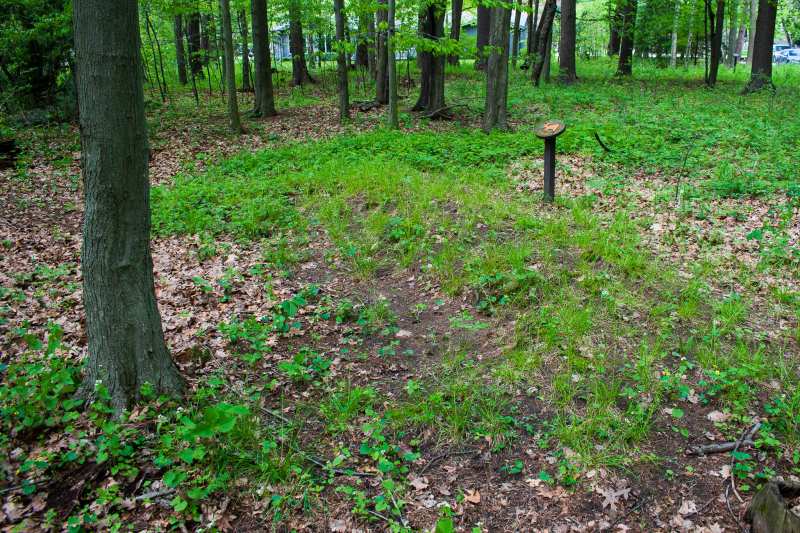
Fall color turns the trails orange and red, usually peaking in October. The south side's burial mound park and the woods at Maywood are especially good for a walk, and the Old Plank Road Trail is at its most pleasant in cooler air.
The Sheboygan County Fair in Plymouth runs over Labor Day weekend, and Bookworm Gardens closes for the year at the end of October. When the weather turns wet, the Kohler Arts Center and the Art Preserve are free and indoors. By November the days are short, the beaches are empty and the lake begins to show its winter moods, which is exactly when storm watchers start driving up to North Point.
Winter, December to March
Winter is for surfers in hooded wetsuits, cross-country skiers and snowshoers at Maywood, sledders at Vollrath and Kiwanis parks, and ice anglers in the harbor, not for beach visitors.
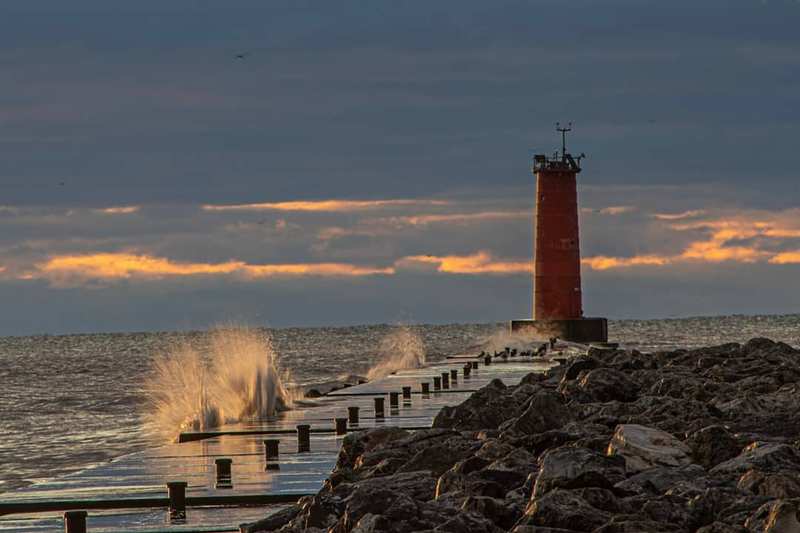
Winter surfing is the season's strangest sight: surfers paddling out through snow in thick wetsuits, boots and gloves, riding the biggest waves of the year. Watch from Deland Park or North Point Park, where ice shelves build along the shore. In the harbor, anglers fish through the ice for brown and rainbow trout when conditions are safe.
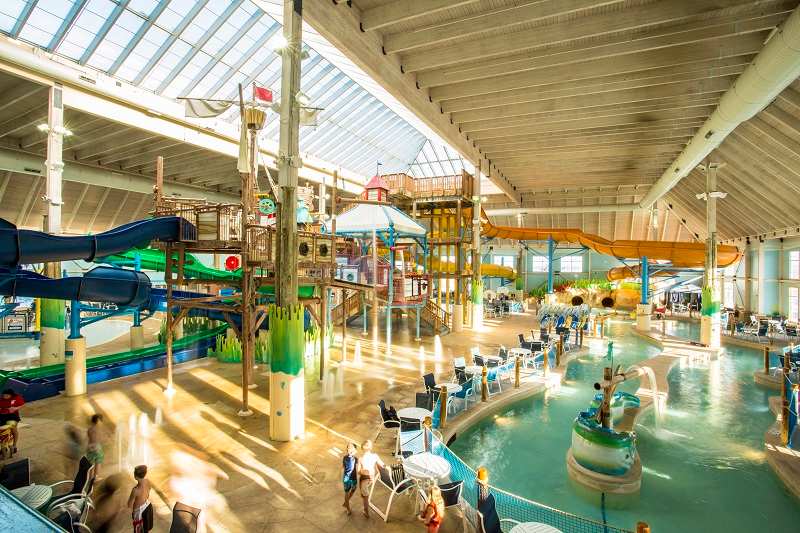
Indoors, the indoor water park at Blue Harbor stays at 84 degrees for resort guests, with public Sunday passes and off-season Thursday community nights. The children's museum, the arts sites, the Weill Center and the movie theater fill the rest of a winter weekend. Blue Harbor's holiday light display in December and the Polar Bear Plunge on New Year's Day are the season's big events.
Snowfall averages vary by source, and lake-effect snow can bring heavy local bursts, so drivers should check road conditions before traveling in winter.
Spring, April and May
Spring comes late on the lakeshore, where the cold water keeps afternoons cool well into May, and May is the month Bookworm Gardens opens and the golf courses fill.
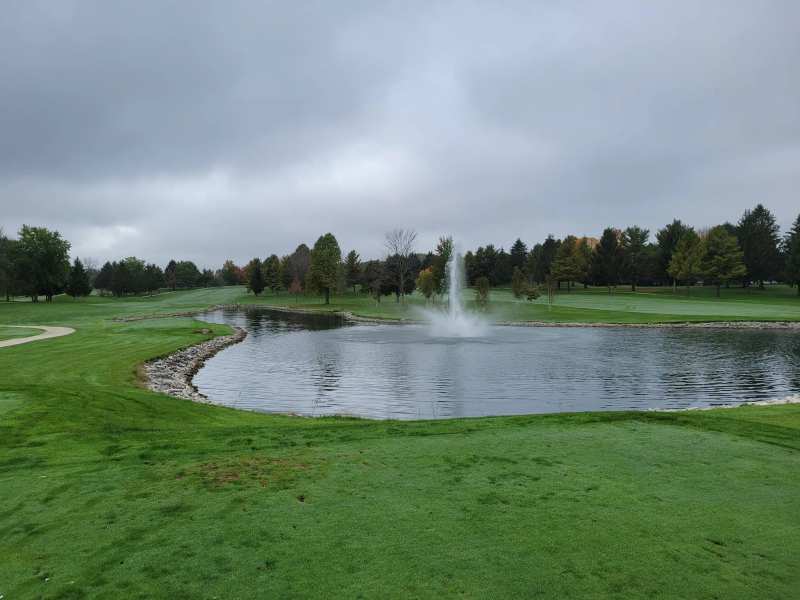
April and May are quiet and cheaper, with fewer visitors and easy bookings. The trails dry out, migrating birds pass along the shoreline at North Point and Maywood, and the county's golf courses open for the season, from the Kohler resorts to the public courses locals play. Golf around Sheboygan starts in earnest as the ground firms up.
Bookworm Gardens opens on May 1, with shorter weekday hours until June. The downside of spring is the lake breeze: a sunny 70-degree day inland can be 50 degrees on the beach, so plan outdoor lunches away from the water or bring a jacket.
Month by month
January and February are the coldest and snowiest months, the best for winter surfing, skiing at Maywood and ice formations along the shore, and the quietest for visitors. March is gray and changeable, with the first thaws and the tail of the surf season.
April brings milder days inland but a chilly lakefront, empty trails and golf courses opening as the ground dries. May is the true start of the visitor year, with Bookworm Gardens opening on the first of the month, migrating birds at North Point and Maywood, and Memorial Day weekend launching the beach and sailing season.
June is lush and busy, with the outdoor farmers market opening, Greek Fest at Deland Park and water that is still cold. July is peak summer, with the Fourth of July parade and fireworks, free concerts downtown and the warmest air. August is the most reliable month for swimming, and Brat Days usually falls around its start.
September is the favorite of many residents: warm days, cooler nights, the county fair over Labor Day weekend and the first fall swells for surfers. October brings fall color, the last month of Bookworm Gardens and the outdoor market, and bigger waves. November is quiet and darkening, a good month for the arts center and the Art Preserve. December turns festive, with holiday lights at Blue Harbor and the lakefront settling into winter.
When things close
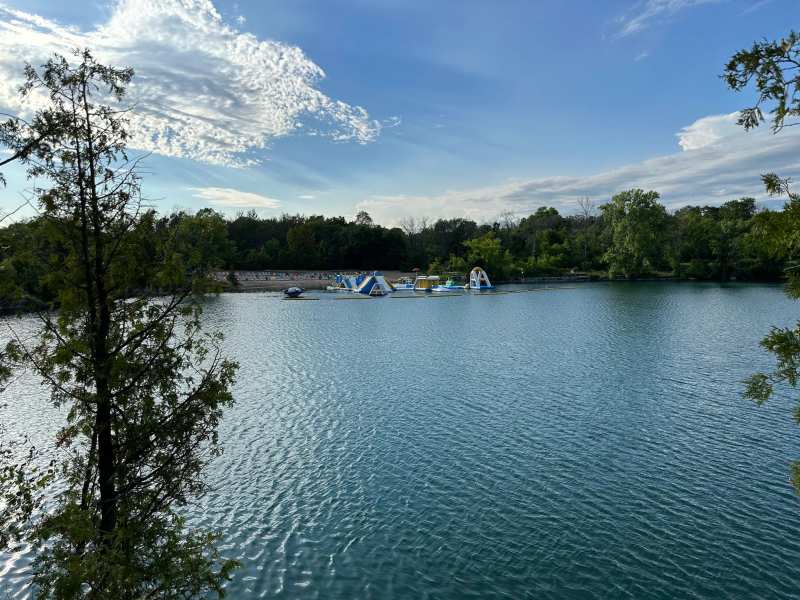
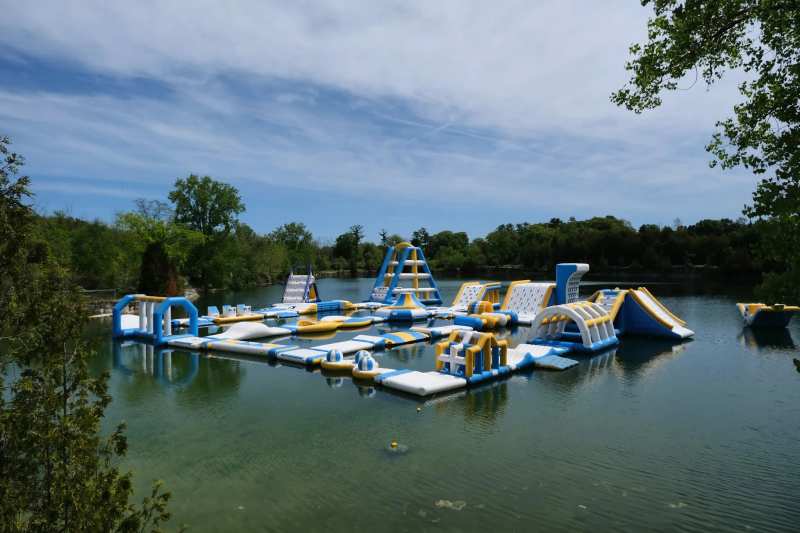
Beach water testing, Bookworm Gardens, the outdoor farmers market and the Quarry aqua park are seasonal, while the Kohler arts sites, the county's museums, the indoor water park and most restaurants stay open year-round.
The seasonal pattern in brief: beach testing runs Memorial Day to Labor Day; Bookworm Gardens opens May 1 to October 31; the outdoor farmers market in Fountain Park runs June to October, with a winter market indoors on the first and third Saturdays from November to April; the Quarry aqua park is summer only; and riverfront restaurant patios are mostly a summer and early fall pleasure.
The Art Preserve is closed on Mondays year-round, as are some restaurants, so check opening days before any visit. With those dates in hand, planning a Sheboygan trip in any season is straightforward.
Frequently asked questions
Published May 4, 2026