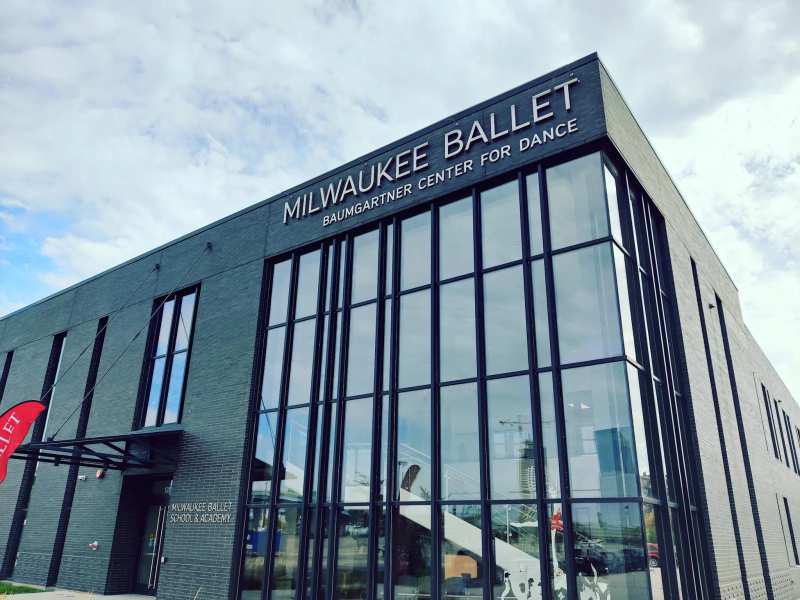
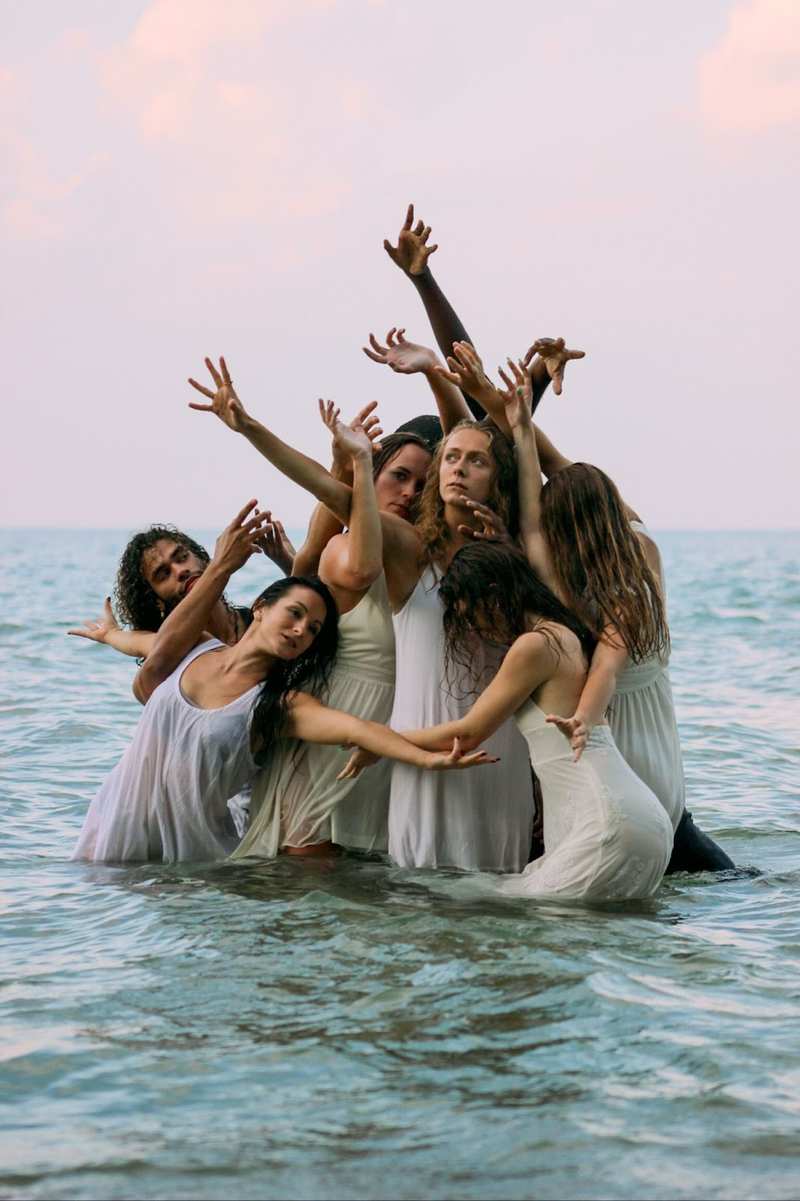
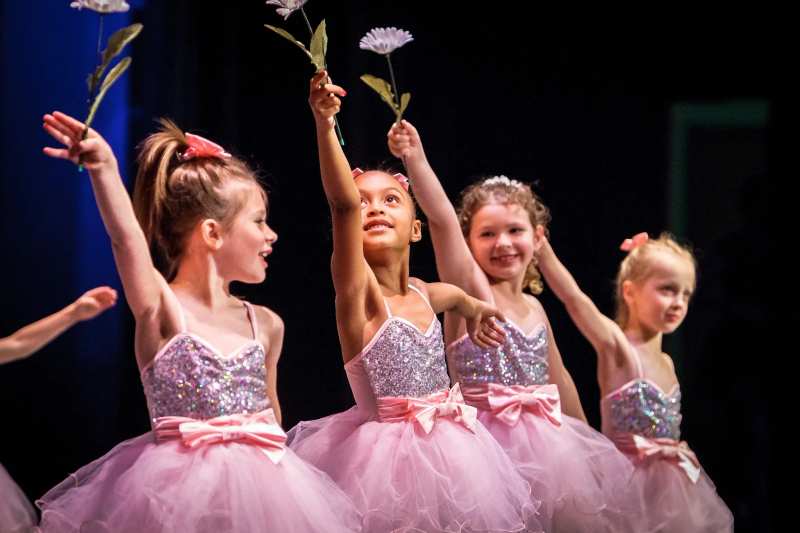
Walk into almost any small Wisconsin town on a weekday at 4pm and somewhere there is a strip-mall door with leotards in the window and a line of parents in the parking lot. Dance studios in Wisconsin run from Milwaukee Ballet's training school in the Third Ward to a bhangra academy in Greenfield, a ballroom in Brookfield that has taught social dancers since 1993, and a Madison school that opened its doors in 1898.
This is the statewide map: where the studios are, what kind of dancing each region does well, and how to tell a competition studio from a recreational one before you sign up for a season.
How dance studios in Wisconsin break down
Studios fall into one of four types, and knowing which one you are walking into saves a lot of confusion at registration.
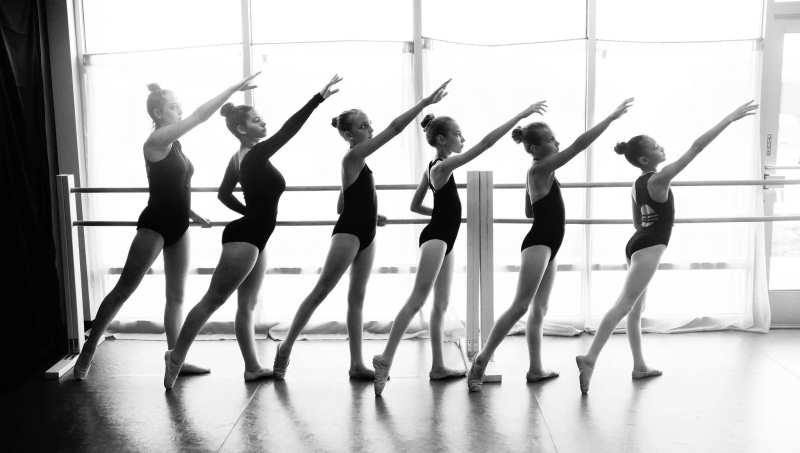
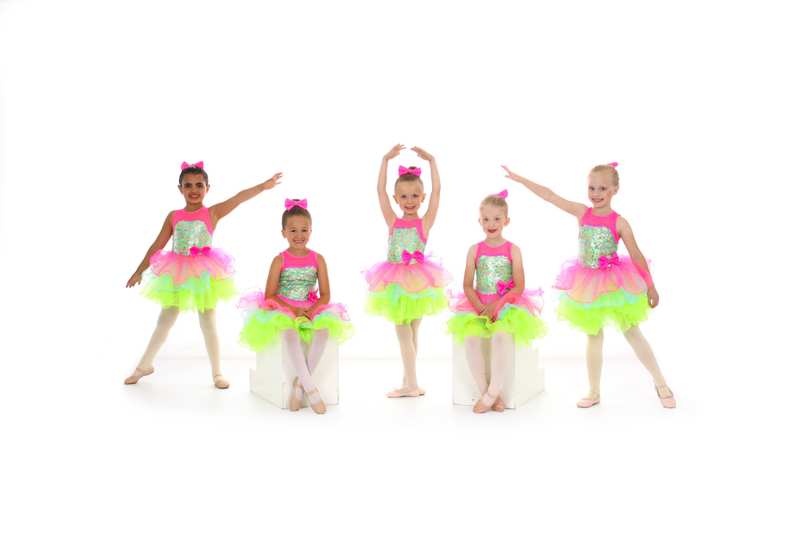
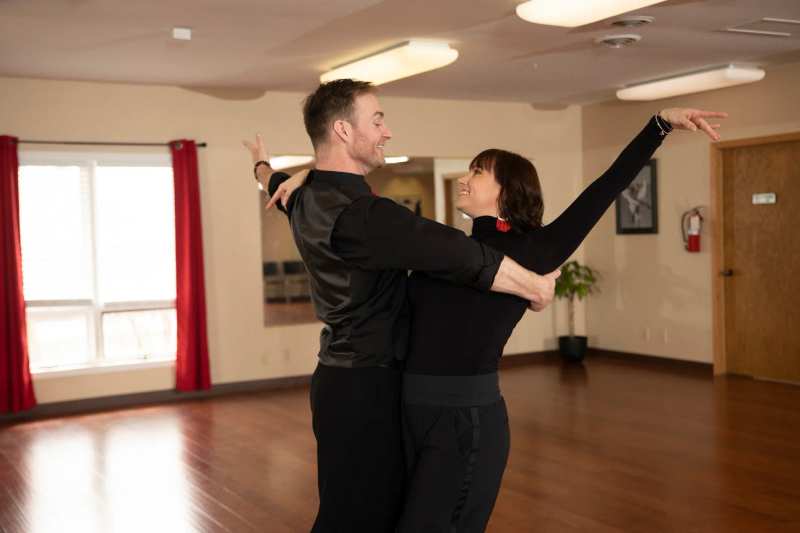
Year-round schools for kids and teens make up the bulk of the map. These run on a fall-to-spring season that ends in a recital, teach ballet, tap, jazz, hip hop and contemporary, and usually split into a recreational track and a competition team that travels on weekends. Then come the ballroom and Latin studios, built around adults: private lessons, group classes and social dance parties where students practice on a real floor. A smaller set are cultural and heritage companies teaching one tradition in depth, such as West African dance, Irish step dance or bhangra. And finally there are the social floors, venues where people simply go out and dance.
None of these is better than the others. They answer different questions, and a five-year-old, a couple planning a wedding and a 40-year-old who stopped ballet at 12 all need a different door.
Milwaukee and the North Shore
Around it sits a spread of very different studios. Danceworks, a nonprofit on West Walnut Street, runs a long weekly schedule of drop-in classes for adults alongside its youth programs. Ko-Thi Dance Company, founded in Milwaukee in 1969, teaches African and Caribbean dance with live drumming in the room, which changes the whole feel of a class.
The rest of the city splits by neighborhood. Salute Society Studio teaches on Martin Luther King Jr. Drive in Bronzeville, about 1.4 miles north of City Hall.
On the south side, DCD Studio on South 1st Street runs competition teams and cheer, and up in Whitefish Bay, Fresh Coast Dance teaches ballet, jazz, hip hop and contemporary to North Shore kids.
Head north and the studios thin out into the suburbs rather than disappearing. Mequon, Menomonee Falls, Grafton, Port Washington and Saukville each have their own neighborhood schools, and every one of the studios across Milwaukee and the North Shore sits within 25 miles of City Hall.
Adults are well served too. Adult classes in Milwaukee run from ballet again at the Third Ward to drop-in tap and partner ballroom, many of them open to complete beginners.
If you just want a night out, country bars on Water Street and in West Allis have run regular line-dance nights, and Milwaukee line-dance nights are easy to try without a lesson first.
Madison
The city also has an unusual claim on the art form. In 1926, under the dance pioneer Margaret H'Doubler, the University of Wisconsin-Madison became the first place in the country to treat dance as an academic discipline, and the department still works out of Lathrop Hall near Lake Mendota.
Madison's studios are spread across the city: a cluster on the south side near the Beltline, a couple on the near east side, and others out west and in Middleton.
Studio Dansu on Ski Lane and Madison Professional Dance Center on Syene Road are part of that south-side cluster.
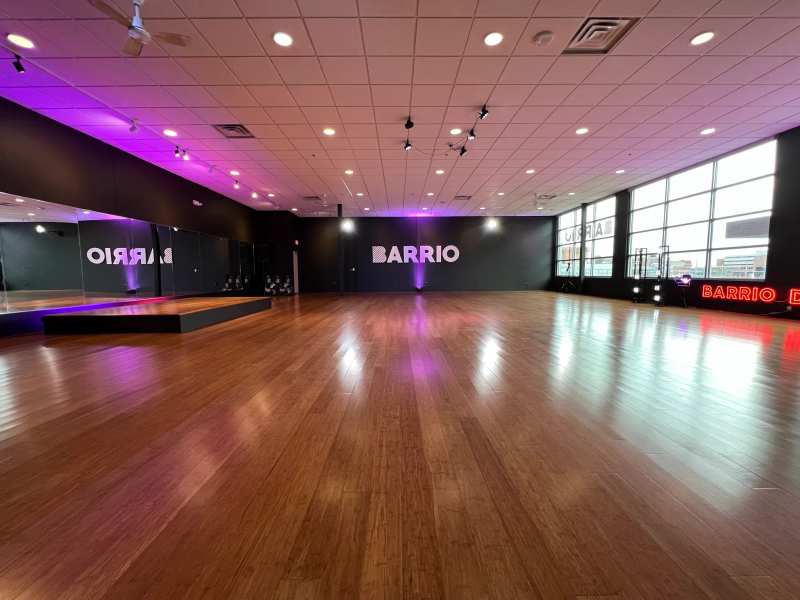
On East Washington Avenue, Barrio Dance runs drop-in hip hop, heels and reggaeton classes for teens and adults, no season commitment required. West of the city, Vibe on Greenview Drive in Middleton covers the other side of town.
Waukesha and Lake Country
West of Milwaukee, the studios follow the I-94 corridor out through Brookfield, Pewaukee and Waukesha into the lake towns beyond. Four of the studios on our map are in the city of Waukesha itself, mostly focused on kids and competition teams, and the Lake Country towns add a cluster of smaller studios in Hartland, Delafield and Dousman. {d.L('accent-on-dance-studios','Accent On Dance')} on Watertown Road has taught in Waukesha since 1979, according to its lessons.com profile.
Liberty Dance Center on Venture Court takes children from age two through high school. Further out, Social Life Dance Center in Dousman has taught in the area since 1991, by its own account.
Between Sussex and Dousman there are twelve independent studios in Waukesha and Lake Country, plus five Fred Astaire locations.
Green Bay and the Fox Valley
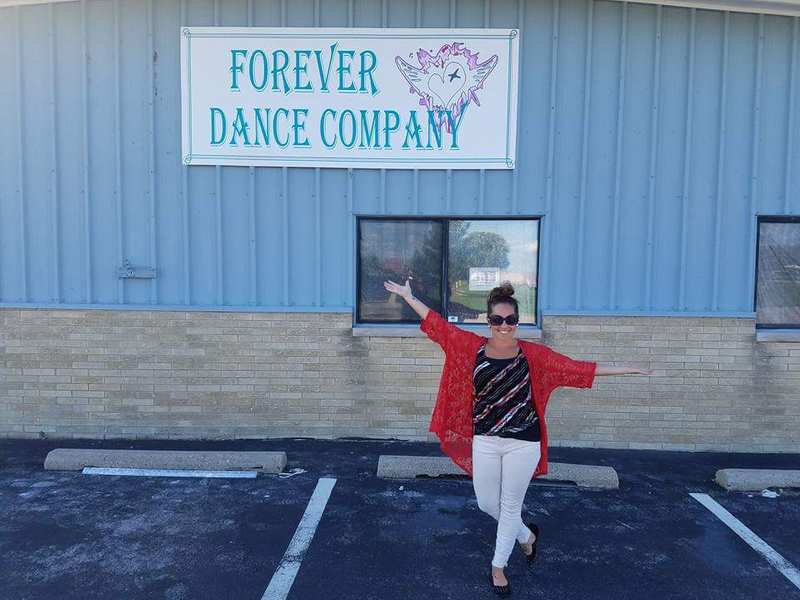
The other is Forever Dance Company on Bart Starr Drive, under a mile east.
North of downtown, Power of Dance sits on Lineville Road, and Ballroom by Jay on Main Street teaches ballroom to adults.
Further south, Appleton, Kimberly and Menasha form their own cluster, with youth schools and two studios built around adult ballroom and Latin. When it is time to watch rather than dance, the Fox Cities Performing Arts Center in Appleton and The Weidner in Green Bay bring touring dance productions north, and The Weidner programs ballet as part of its season.
Families from Lineville Road down to Kimberly have real choice among the Green Bay and Fox Valley studios.
Elsewhere in Wisconsin
Outside the four main clusters, the map gets patchier, and it is fair to say so. In Sheboygan, ballroom lessons and dance events have turned up on the calendar at the Art Preserve, better known for its folk art collection. Downtown, the Weill Center books professional dance between its concerts.
In West Bend, Lake Shore Dance runs the third of its three studios, after Cedarburg and Port Washington.
Down in the southeast corner, the Fred Astaire studio in Pleasant Prairie is the nearest partner-dance studio on our map to Kenosha, about five miles southwest.
Western and northern Wisconsin, including Eau Claire, La Crosse and Wausau, have studios we have not mapped yet, and the map will fill in as they are added.
Ballroom, Latin and social dancing
The other big name in partner dancing is a franchise. Fred Astaire Dance Studios has 14 locations on our map in Wisconsin, from Water Street in Milwaukee to the Beltline in Madison.
Each is individually owned, so the 14 Fred Astaire studios in Wisconsin differ more than the shared name suggests.
Salsa has its own story in Milwaukee, from the Saturday Latin nights at the Wherehouse, which closed in 2018, to the studios teaching it now, and salsa in Milwaukee is easy to start as a complete beginner, since most classes rotate partners.
Madison and the Fox Valley have their own ballroom studios. In Madison, Madison Ballroom Company on Greenway Cross and Arthur Murray on Verona Road both teach partner dancing to beginners.
In Appleton, Valley Social Dance Studio on West Wisconsin Avenue does the same for the valley, and Absolute Danz on Appleton Road focuses on ballroom and Latin.
Heritage dance: polka, bhangra, West African and Irish
Polka is Wisconsin's official state dance. The bill passed in 1993 and was enacted in April 1994, after a second-grade class at Lindbergh Elementary School in Madison asked lawmakers for it, and Pennsylvania is the only other state to make the same choice. It reflects how deep the German and Polish roots run here, and Pulaski Polka Days, in northeast Wisconsin, still draws thousands of dancers every year.
Irish step dance has two serious schools around Milwaukee. Kinsella Irish Dance on West Oklahoma Avenue trains competitive dancers from age 3 to 19 and brings live music into classes early, while Bellator Academy of Irish Dance works out of a bright studio on Mequon Road in Germantown. And Ko-Thi, already mentioned, has carried West African and Caribbean dance in Milwaukee for more than 55 years, and its DrumTalk program takes performances and workshops out to schools and community groups.
What a first dance class is like
For a child, a beginner class is usually 45 minutes of warm-up, a few simple steps across the floor and a game near the end that is secretly about rhythm. Parents often watch through a window or wait in the lobby, and some studios ask parents to wait outside, since kids tend to dance more freely without an audience.
For adults, a beginner class is less about steps and more about getting past the self-consciousness. In a ballroom group class, the teacher demonstrates a basic pattern, the room pairs up and partners rotate every few minutes, so nobody is stuck with one person or left standing alone. At a drop-in hip hop or jazz class, you learn a short piece of choreography in sections and run it at the end. Either way, wear clothes you can move in, bring water, and expect to feel lost for the opening fifteen minutes. Everyone does.
How to choose a dance studio
Start with the question of competition. A competition studio asks for more classes a week, travel on weekends and extra costume costs, and in return produces strong technique. A recreational studio asks for one or two classes a week and a spring recital. Neither is the wrong choice, but they are very different commitments for a family.
Then ask for a trial class. Many studios let a new student try a class before registering, and twenty minutes in the room tells you more about the teaching than any website. Watch whether the teacher corrects students by name and whether the youngest kids are actually dancing rather than waiting.
Ask what the season costs in full, not just tuition. Registration fees, recital costumes, competition entries and recital tickets add up, and a good studio will give you the whole picture up front. For adults at ballroom studios, ask whether lessons are sold individually or in packages, and what a package commits you to.
Finally, be honest about the drive. A studio across town means two round trips a week for nine months, and that matters more by February than it does in September.
Where to watch dance in Wisconsin
Up north, The Weidner in Green Bay presents ballet alongside its concerts and Broadway shows, and the Fox Cities Performing Arts Center in Appleton hosts touring dance productions. In Sheboygan, the Weill Center books professional dance between its concerts and film nights.
Closer to the studios, Water Street Dance Milwaukee performs its own contemporary work through the year, and the company notes on its site that Dance Magazine named it one of its 25 to Watch. A smaller show like that is often a better introduction for a young dancer, close enough to see the effort.
Watching a full company perform is also a strong argument for sticking with lessons. It shows a ten-year-old where the barre work is going.
Frequently asked questions
Published August 3, 2026