Ask ten Milwaukee parents where their kids dance and you will get ten different answers, because the studios are scattered across neighborhoods rather than gathered in one district. The dance studios Milwaukee families choose between run from Milwaukee Ballet's own school in the Third Ward to a West African company on the north side, an Irish dance school on the south side and a ring of neighborhood studios in the suburbs north and west of the city.
This maps them by neighborhood, with straight-line distances from City Hall, and is honest about which kind of studio each one is.
How Milwaukee's dance studios are spread out
Inside the city there is a cluster downtown and just north of it, a pocket on the south side, and a few more on the far north side. Then the studios thin out into the suburbs rather than stopping: Whitefish Bay, Brown Deer and Menomonee Falls are within about 15 miles of City Hall, and Mequon, Cedarburg, Grafton, Port Washington and Saukville fill in the next ring out.
Every studio here is within 25 miles of City Hall. Families usually end up choosing between the two or three closest to home, so the map matters more than any ranking.
Downtown and the Third Ward
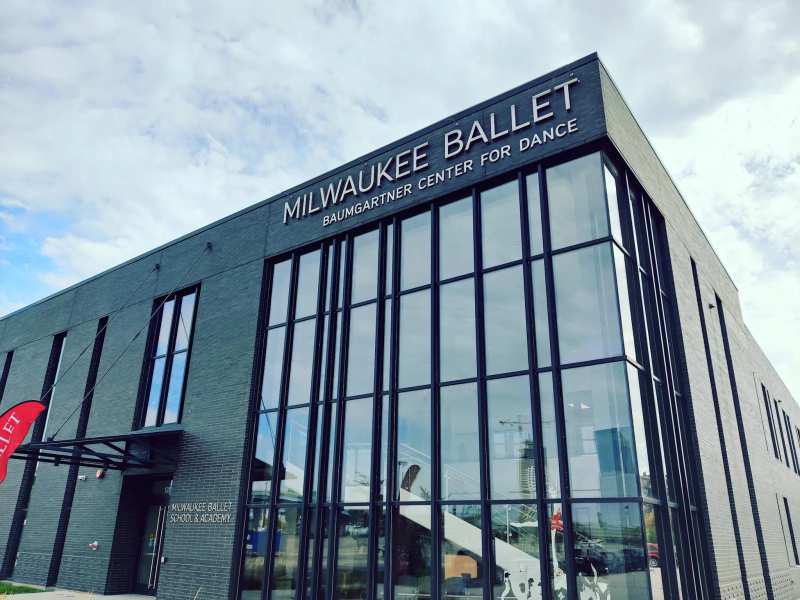
For a child, starting at the ballet school means classical technique from the beginning and a clear path upward if they turn out to love it. It is also a formal environment, which suits some kids and not others. A trial class will tell you quickly which kind yours is. The building also has a 200-seat black box theater, the We Energies Foundation Performance Studio, where school performances are staged.
Bronzeville and Walnut Street
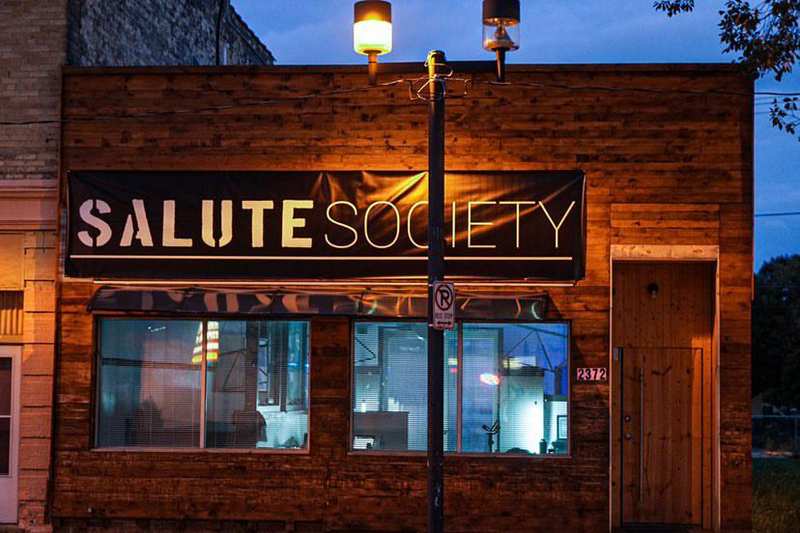
Between them, Danceworks and Salute Society give the near north side two very different options: a large nonprofit with a big schedule, and a smaller studio where everyone knows everyone.
Riverwest and the north side
Further north, at the city's edge near Brown Deer, Academy of Dance Arts on North 51st Street, 10.2 miles north of City Hall, teaches a broad range of styles and puts weight on an inclusive, diverse room where every dancer builds poise and fitness.
The south side and Oak Creek
Irish dance has a serious home on the south side. Kinsella Irish Dance on West Oklahoma Avenue, 3.8 miles south of City Hall, trains competitive dancers from age 3 to 19, has produced dancers who qualified for world-level competition, and brings live music into classes early so students learn to dance to musicians rather than recordings. Irish dance competitions are called feiseanna (one is a feis), and a competitive Irish dancer's year is built around them, with the solo dress and wig to match.
Out in Oak Creek, Young Dance Academy on West Marquette Avenue, 9.2 miles south of City Hall, teaches children and adults with a focus on technique, and its lessons.com profile dates it to 1983.
Whitefish Bay and the North Shore
Menomonee Falls
Menomonee Falls, about 12 to 15 miles northwest of City Hall, has four studios within a few miles of each other along Appleton Avenue and beyond.
B Inspired Dance Studio on Appleton Avenue takes dancers from complete beginners up to its competition team. A few blocks north, Dynamite Dance Studio lets dancers grow at their own pace from early childhood upward.
Nancy Dianne Studio of Dance at Water Tower Place teaches all ages and leans on a warm, experienced teaching staff. And Studio VIA School of Dance on Ridgewood Drive teaches fundamentals and age-appropriate choreography.
With four studios this close together, Menomonee Falls is an easy place to visit more than one before you decide.
Mequon, Cedarburg and Grafton
Mequon has two independent studios. Bella Via Dance Studio on West Ranchito Lane, 11.3 miles north of City Hall, builds its classes around a small team of named teachers. North Shore Dance Studio on North Baehr Road teaches ballet, contemporary, hip hop, tap, jazz and pointe, and puts real weight on a room where every dancer feels accepted.
Cedarburg, about 17 miles north, has four. Lake Shore's Cedarburg studio on Doerr Way is one of three the school runs in the area. Serenity Dance & Fitness on Washington Avenue mixes dance with fitness classes for every level.
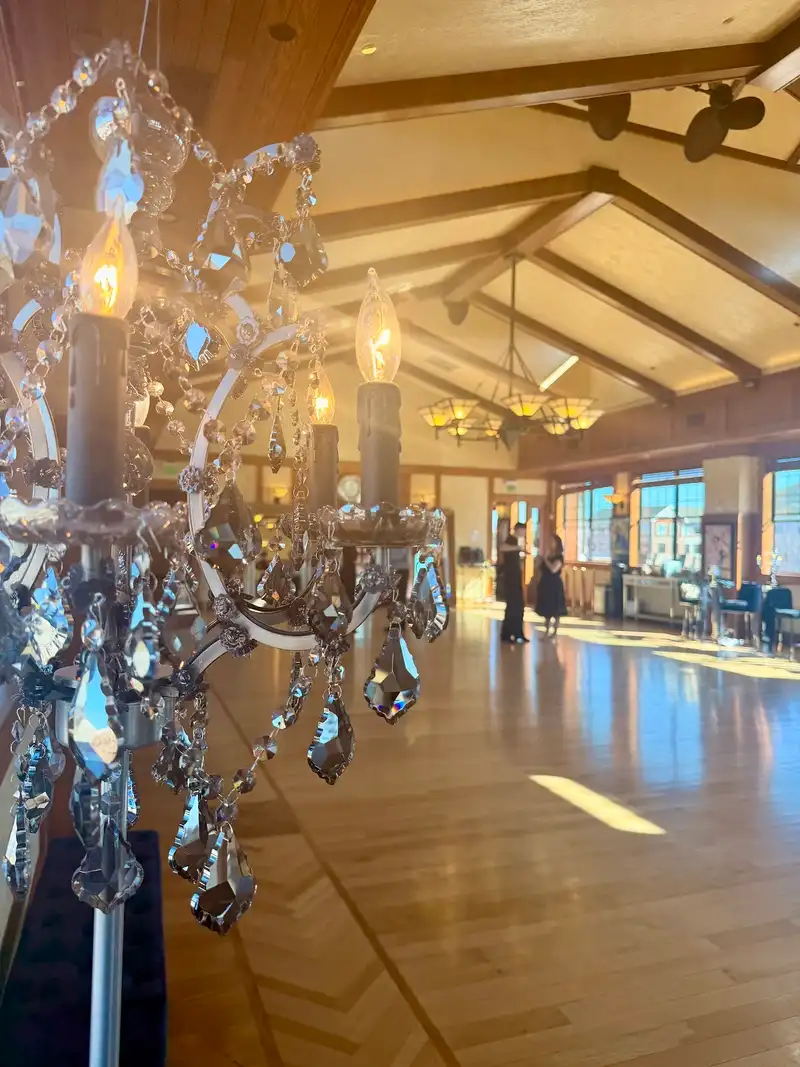
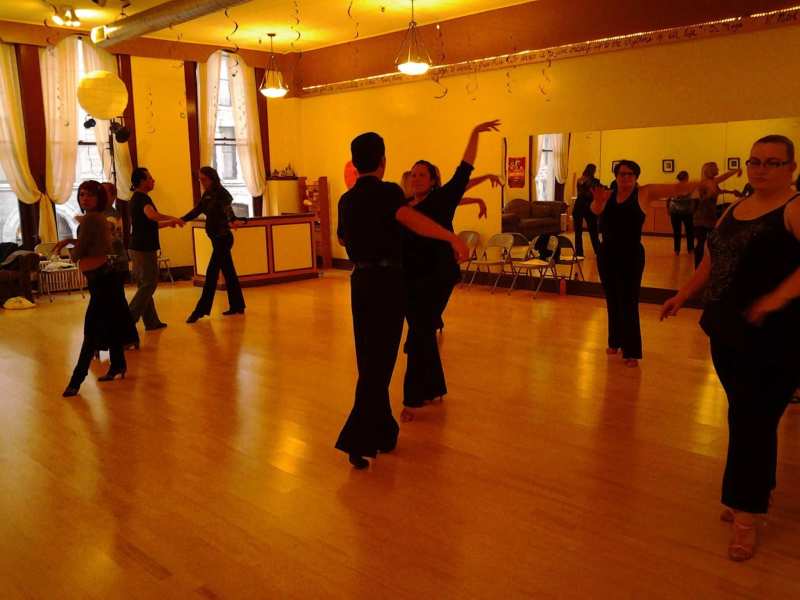
Water Street Dance Milwaukee is a contemporary dance company whose home studio, whatever the name suggests, is on Washington Avenue in Cedarburg, with classes for children and adults. And Dancesport Dance Studio on Pioneer Road teaches ballroom and Latin in two ballrooms with sprung wood floors and full-length mirrors, from beginners up.
Just north, Grafton's The Magic of Dance on Wisconsin Avenue is a friendly studio with a small team of teachers and a clear belief that dance is for everyone.
Port Washington, Saukville and Germantown
The furthest ring is around 24 miles out. In Port Washington, Impact Performing Arts Center on East Main Street is downtown, and the Lake Shore studio on North Moore Road is another of the three.
In Saukville, Nine Ladies Dancing teaches ballet, pointe, jazz, contemporary and hip hop. And in Germantown, Bellator Academy of Irish Dance on Mequon Road gives the northern suburbs their own Irish dance school, in a bright studio full of natural light.
What the studios teach
Nearly every studio on this map teaches the core set: ballet, tap, jazz, hip hop and contemporary. The useful differences are at the edges, so here is where to look for the less common things.
For a classical path that goes all the way to pointe shoes, the Milwaukee Ballet school is the obvious one, and North Shore Dance Studio in Mequon and Nine Ladies Dancing in Saukville both list pointe too. Musical theater shows up at Fresh Coast in Whitefish Bay. Cheer sits alongside dance at DCD on the south side, which suits a child who wants both.
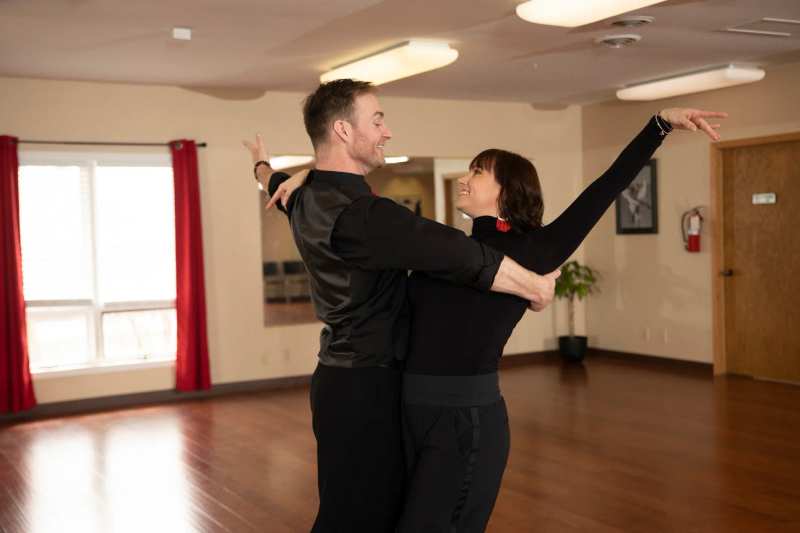
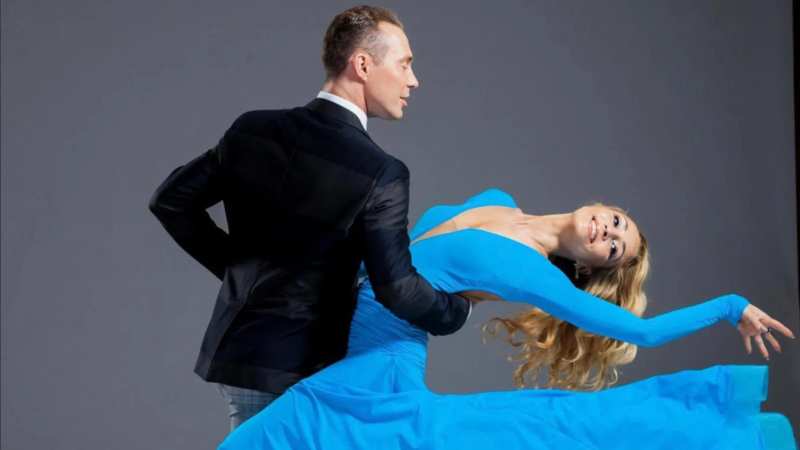
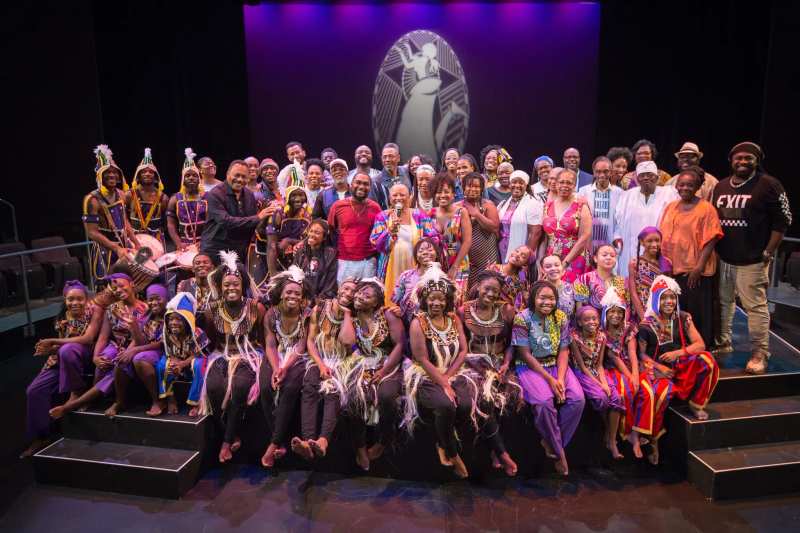
For cultural traditions, Ko-Thi teaches African and Caribbean dance with drummers in the room, and Kinsella and Bellator teach Irish step dance, each with its own competitive circuit. And if a child is drawn to partner dancing rather than solo work, Dancesport in Cedarburg teaches ballroom and Latin from beginners up.
If you are not certain what your child will love, a studio with a broad menu, like Fresh Coast or Danceworks, lets them try a few styles in one place before committing.
Competition or recreational
For many families the big decision is whether to join a competition team, and it is worth understanding before a studio asks.
A recreational track is usually one or two classes a week, a costume, and a recital at the end of the season. It is a hobby, and it fits around school and other activities.
A competition track asks much more. Expect several classes a week, extra rehearsals for group routines, weekend travel to competitions through the winter and spring, and separate costumes and entry fees for each routine. In return, dancers improve fast and often make close friends on the team.
Many studios run both, and children can move from one to the other. B Inspired, for example, takes dancers from beginner classes through to its competition team. Ask how a dancer moves up, and whether there is an audition.
How a dance season runs
Milwaukee studios generally follow the school year. Registration typically opens in late summer, classes start in September, and the season builds toward a recital in late spring. Competition teams add a winter and spring of weekend events on top.
Expect a costume order sometime in the fall or early winter, so the costumes arrive in time for recital rehearsals. Many studios also run summer camps or short summer sessions, which are a low-commitment way for a child to try a studio before signing up for a full year.
What to buy
Do not buy anything until the studio tells you what it wants. Dress codes vary by style and by studio, and some studios sell or recommend specific shoes and leotards so a class looks uniform.
For a young child starting ballet, the usual list is a leotard, tights and ballet slippers. Tap needs tap shoes, and hip hop usually just needs clean sneakers that are not worn outside. Buy shoes with a little room, but not so much that a child trips, and check fit again in January, because feet grow.
Choosing a studio
Start with what your child wants. A child who loves the idea of a recital once a year is happiest at a recreational studio. A child who lives for the next competition needs a studio with a competition team, and B Inspired, DCD and Kinsella are among those that run one. A child who wants classical ballet should try the Milwaukee Ballet school.
Then look at the drive. DCD Studio is 2.4 miles from City Hall and Nancy Dianne in Menomonee Falls is 15 miles out, and over a nine-month season, twice a week, that is a very different commitment. If the closest studio is a decent fit, that convenience often beats a slightly better fit across town.
Ask for a trial class, and ask what the season costs in full: tuition, registration, recital costume, competition fees and recital tickets. Watch the class if the studio allows it. You are looking for a teacher who knows the kids' names, corrects them kindly and keeps the youngest ones moving rather than waiting in line.
Ask how big the classes are, too. A class of eight and a class of twenty feel very different for a shy six-year-old, and smaller classes usually mean more individual correction.
Finally, ask about the recital. Some studios hold one big show in a theater, others a smaller showcase. It is the night your child will remember, so it is worth knowing what it looks like.
For adults and families further out
Grown-ups are not left out. Milwaukee Ballet, Danceworks and the ballroom studios all run classes for adults, and there are grown-up classes downtown in ballet, tap, swing and ballroom.
West of the city, the studios further west in Waukesha County run from Brookfield out to Dousman.
And there is plenty more on the rest of Wisconsin's dance map, from Madison to the Fox Valley.
Frequently asked questions
Published September 14, 2026