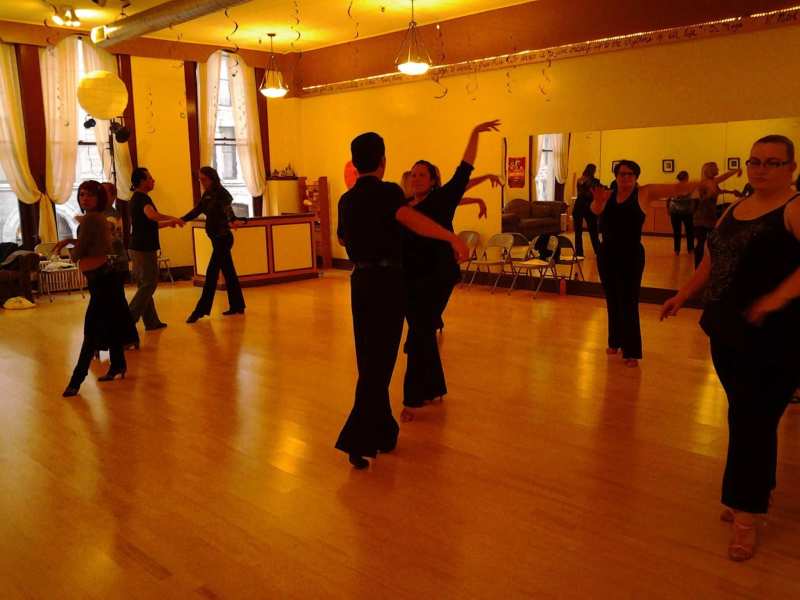
On a Saturday night around 2010, the place to dance salsa in Milwaukee was a converted warehouse east of Walker's Point, with hundreds of people lined up at the door for Latin Night. The Wherehouse closed in 2018. Most of the salsa dancing Milwaukee does now happens in studios, at their own social nights and in classes where nobody needs to bring a partner.
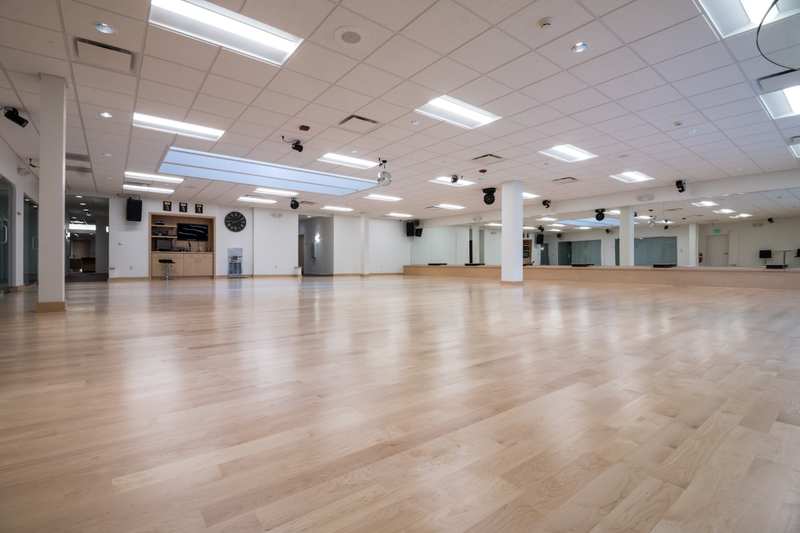
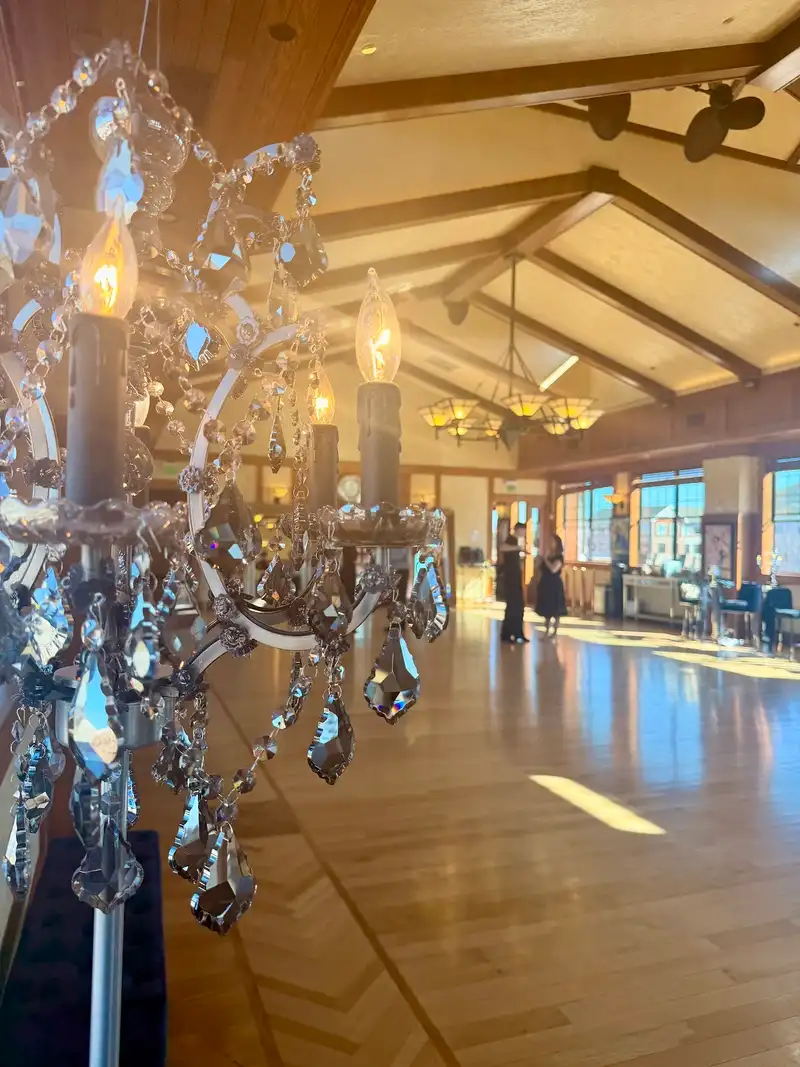
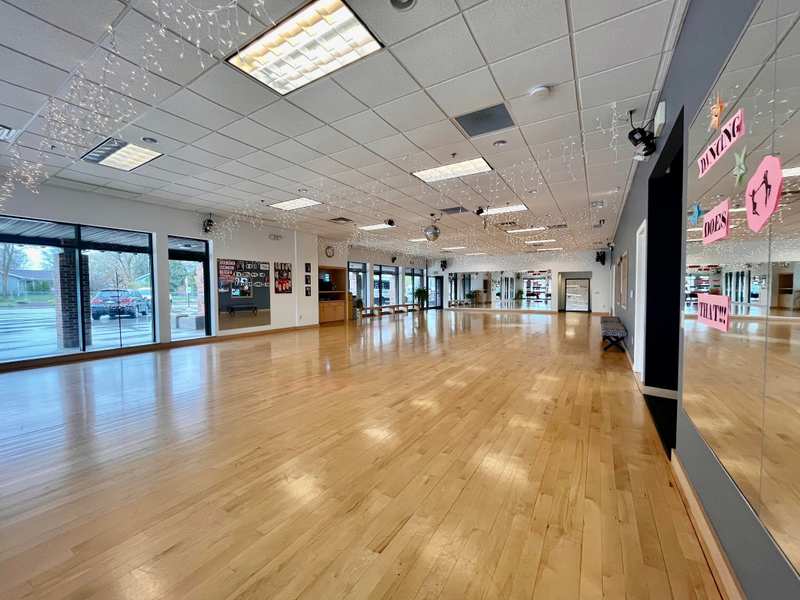
That is good news for beginners. The studio scene is easier to walk into than a packed club ever was. Two studios on the southwest side teach Latin dance as their main thing, and a downtown ballroom has taught salsa alongside its other dances since the 1980s.
Where to learn salsa in Milwaukee
All three are within about five and a half miles of City Hall. Each has a slightly different personality, so pick by what you want out of it.
If you want one place that covers both lessons and a regular night out, Salsabrositas is the obvious place to start. It also rents its floor for private events, rehearsals and workshops.
Gustavo Krystal is also the place to look if salsa turns into more than a hobby. The studio offers private salsa lessons and runs choreography groups for performance dancing, for anyone who wants to put a routine on a stage.
Choosing between them comes down to what you are after. For a mix of classes and a regular night out at one address, Salsabrositas is the fit. For drop-in group classes with no commitment, or for a route into performance, Gustavo Krystal. For salsa as one dance among many, with a downtown address and private lessons, East Towne.
What happened to Milwaukee's salsa nights
People have danced salsa in Milwaukee since at least the early 1970s, but for a decade one club defined it. When the Wherehouse opened in 2008, WUWM reported, hundreds of people would line up on Saturdays for Latin Night. It was literally a warehouse, big enough to feel like a stage, and tucked into an industrial stretch near the river that half the city never found.
It closed in 2018 when the owner retired and sold the building. The classes and dance teams carried on, but WUWM's reporting at the time noted that the social side, the one big room where everyone ended up on a Saturday, was what the scene missed most.
That gap is why the studio socials matter now. Salsabrositas runs themed social nights, East Towne's socials change every month, and the ballroom studios hold their own parties. None of them is a packed club night. They are friendlier for it.
How a salsa social works
A social is the part of salsa that classes are for: an evening of open dancing, usually with a short lesson at the start, where you dance with whoever asks or whoever you ask. Your opening social is nerve-racking. The second one is fun.
Asking is normal and so is saying no. You walk up, hold out a hand, ask if they want to dance, and it is one song. When it ends, you say thanks and both move on. Nobody reads anything into it, and dancing with someone does not commit you to the next song.
Beginners are welcome, and experienced dancers will often ask newcomers on purpose, because that is how the scene keeps growing. If the basic step is all you know, dance the basic step. A good lead or follow will keep it simple for you.
Go with a friend from your class if you can. It helps to have someone to stand with between songs, and you will both dance more than you expect.
Your first salsa class
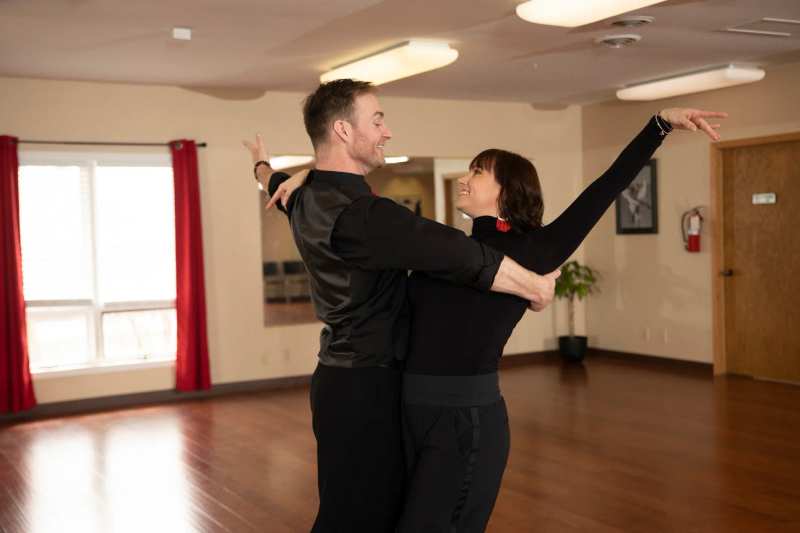
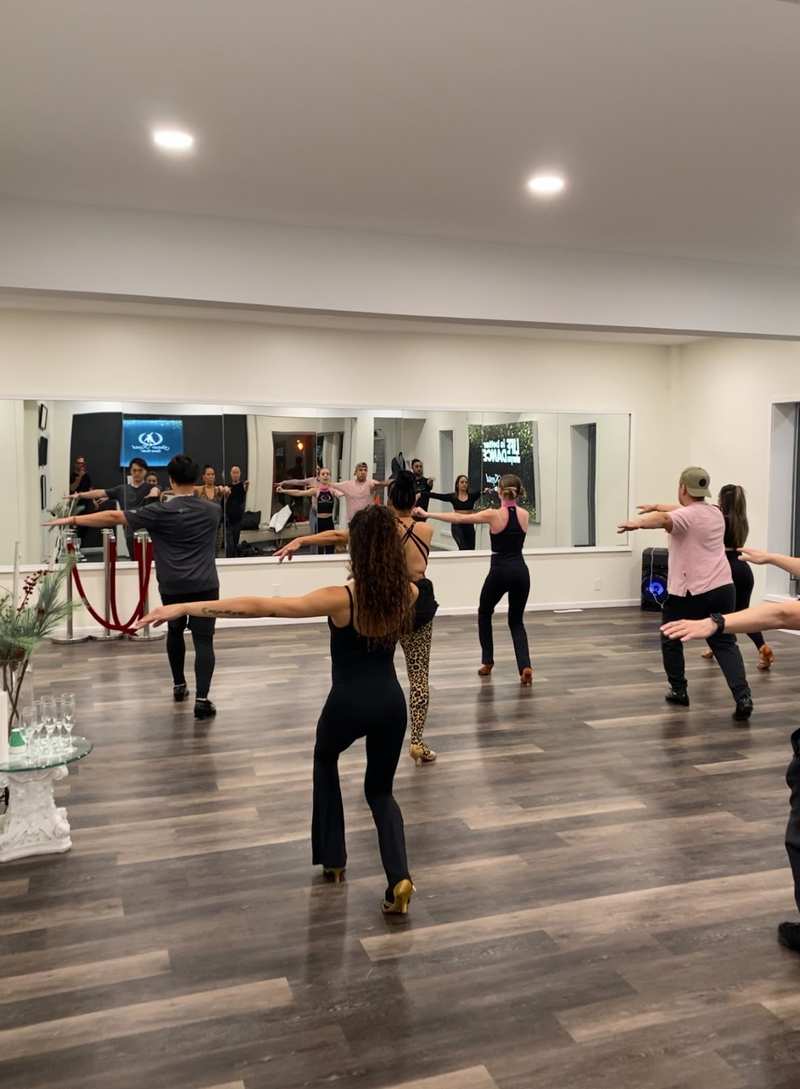
You do not need a partner. In most group salsa classes the teacher pairs the room up and partners rotate every few minutes, so you dance with everyone and nobody gets stuck. Gustavo Krystal says outright that no partner is needed for its group classes.
The class will start with the basic step. Salsa counts in eights, with a step on six of the counts and a pause on the other two, and the opening half hour is usually spent getting that rhythm into your feet before anyone tries a turn. Expect to feel slow. Everyone does. Coming back to the same beginner class four or five weeks in a row does more for your salsa than trying five different studios once each, because the teacher builds each week on the last.
You will hear people talk about dancing on1 or on2. Both are ways of timing the same basic step: on1 breaks forward on beat one, on2 on beat two. Beginner classes nearly always start with one and stick to it, so do not worry about it until a teacher brings it up.
Wear clothes you can move in and shoes that turn easily. Sneakers with sticky rubber soles are the classic mistake, because they grab the floor when you try to spin. Smooth-soled shoes work, and dance sneakers or suede-soled shoes are worth buying once you know you are sticking with it.
Salsa or bachata?
Latin studios commonly teach both, and beginners often wonder which to start with. The short answer is that bachata is easier to start and salsa takes longer to get comfortable with.
Bachata comes from the Dominican Republic. Its basic step moves side to side over four counts with a small tap or hip accent on the fourth, and it is usually danced closer together at a slower pace. One class is usually enough to get a passable basic.
Salsa is faster, travels more and leans on turns and patterns, so it takes a few months to feel natural. It is also the dance with the bigger social scene and more variety once you are past the basics.
Salsabrositas teaches both, which makes it an easy place to try one and switch if the other suits you better.
Ballroom studios that teach salsa
The franchise studios teach salsa as part of a broader ballroom and Latin program. The Fred Astaire studio on North Water Street, under a mile north of City Hall, lists salsa and merengue among its social dances, and there is another Fred Astaire studio in Greenfield, about 7.7 miles southwest.
The difference from a Latin-focused studio is mostly the pace and the mix. At a ballroom studio, salsa is one of many dances you learn, often in private lessons, alongside waltz, foxtrot and swing. At a Latin studio, you go deep on salsa and bachata and spend more of your time at socials.
If you want ballet, tap or swing as well, there are adult dance classes in Milwaukee for all three.
Taking it further
Private lessons are the fastest way to fix one thing that is bothering you, like a turn that always falls apart or timing that drifts, and both Gustavo Krystal and the ballroom studios offer them. Performance groups are the next step for people who catch the bug. They rehearse set choreography as a team and dance it at shows and competitions. Neither is necessary to enjoy salsa socially, and plenty of dancers stay happily at the social level for years.
Salsa is also a good way into the rest of Milwaukee's social dance scene. Once you are comfortable on a crowded floor, a country bar's line-dance night stops feeling intimidating.
For that side of things, the line-dance nights downtown and in West Allis need no partner and no lessons.
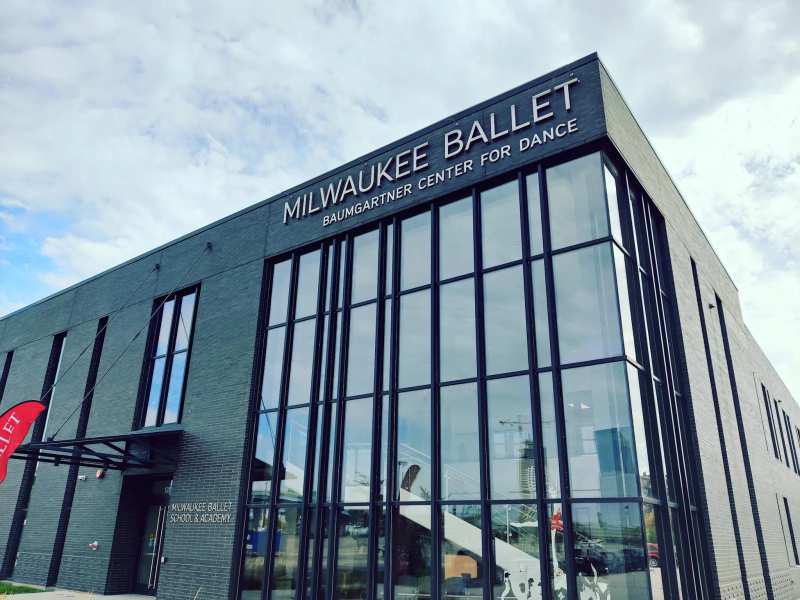
And if you are new to dancing altogether, studios across the state run from Milwaukee Ballet's school to bhangra in Greenfield.
Frequently asked questions
Published August 17, 2026