Milwaukee has its own martial art. In the 1960s, a local man named Charles Warren began blending Chinese kempo with Japanese Goju Ryu karate, and the style he built, Kempo Goju, has been taught in the city ever since. That history shows in how wide Milwaukee martial arts runs today.
There are Brazilian jiu jitsu gyms with Saturday open mats, taekwondo schools built around belt ladders for kids, kung fu and kenpo in the old traditions, a dojo teaching Japanese sword and staff, and MMA gyms where fighters and office workers share the same mats. This guide sorts them by style, then by where they are.
How to choose a style
Start with what you want the training to do, because the styles feel completely different from the doorway.
Brazilian jiu jitsu is grappling: you spend the bulk of a class on the ground controlling a partner, with no punches or kicks. It suits self-defense against someone bigger, and it is gentle on your joints if you're starting in your thirties or forties.
Taekwondo and karate are striking arts built on forms, belt ranks and discipline, which is why so many kids' programs use them. MMA mixes grappling and striking for people who want to spar or compete. Traditional arts like kung fu, kenpo and Japanese budo add history, weapons and etiquette to the physical work.
Brazilian jiu jitsu and MMA
In Greenfield, near Southridge Mall, Fluid Brazilian Jiu Jitsu is owned by a third-degree black belt and teaches adults and kids, with a beginner curriculum and kids' kickboxing. Family rates make it a good fit when a parent and child want to train together. The academy also teaches Muay Thai and fitness classes.
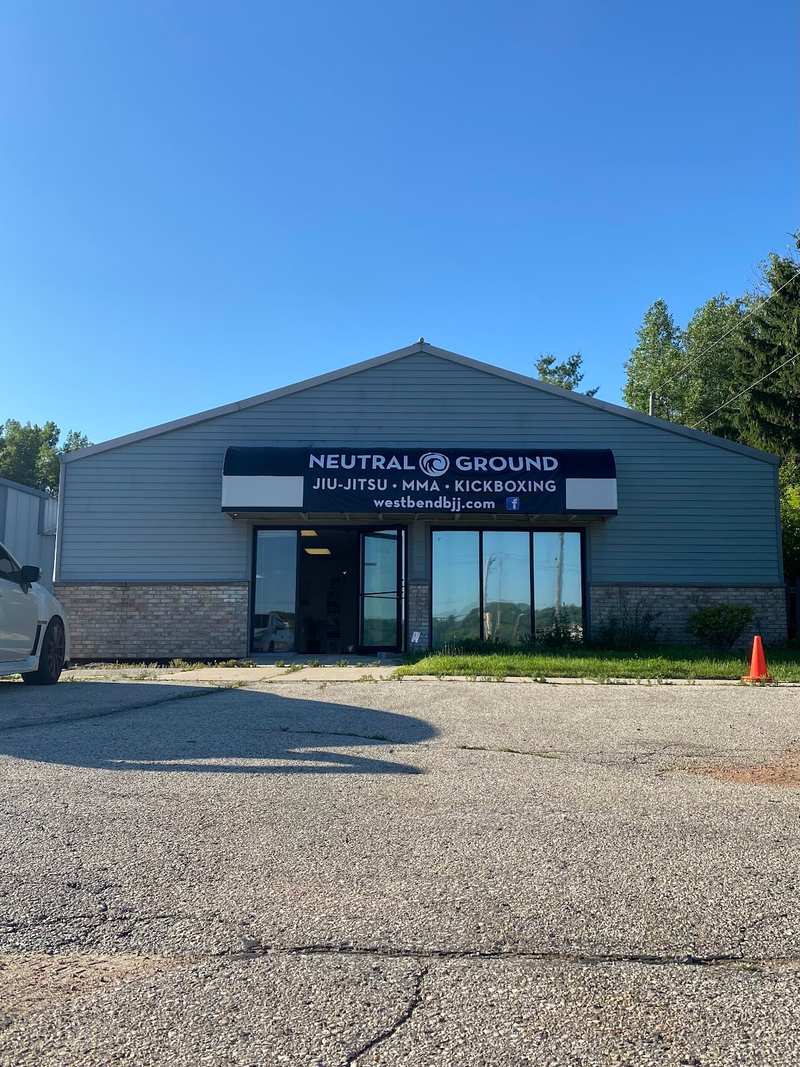
North of the city, Neutral Ground in West Bend runs jiu jitsu several times a day, and Vendetta Jiu Jitsu in Hartford teaches gi and no-gi on weekday evenings and Saturday mornings.
In Kewaskum, Veritas MMA welcomes people with no martial arts background at all. Both Washington County options sit inside the wider map of West Bend gyms and the towns around them.
Taekwondo
Taekwondo is the Korean striking art known for kicks, and its schools in the metro run tightly structured kids' programs around.
In West Allis, Wings Academy Taekwondo teaches taekwondo and Krav Maga, with self-defense training for different ages and levels. Parents single out its lead instructor for long-term work with children, and classes run on weekday evenings and Saturday mornings.
The J.K. Lee academies run family-focused taekwondo programs in Germantown and in Sussex, with an emphasis on precise technique and confidence.
Further out, American Taekwondo Center in Hartford splits classes by belt from white-belt forms to high-belt technique, with Little Ninjas and a daytime homeschool class. In Mequon, BE Martial Arts runs taekwondo foundations and Tigers classes for younger kids, with tai chi on the same schedule.
Karate, kenpo and kung fu
On West Greenfield Avenue, Rising Dragon Martial Arts teaches Pai Lum Kung Fu and White Lotus Kenpo, including weapons, with a focus on self-defense and self-discipline rather than fighting for its own sake. Its instructors know the history and culture behind the techniques, and classes suit both kids and adults.
In Hartford, Okinawan Karate Academy teaches Okinawan karate in evening classes, aimed at discipline and focus as much as fitness.
Cho's Martial Arts runs three schools around the metro, in Menomonee Falls, Greenfield and West Bend. The Menomonee Falls school's schedule shows the range: Little Dragons for ages 4 to 6, youth beginner and advanced belt classes, and MMA training and sparring for adults, mostly on weekday afternoons and evenings.
Traditional Japanese arts
Kempo Goju: the Milwaukee-born style
Charles Warren came home to Milwaukee after four years in the Air Force, including a tour in Vietnam, having trained in Goju Ryu karate in Japan under Gogen Yamaguchi and later in kempo in New Mexico. He combined the two into Kempo Goju, a style built to produce well-rounded fighters.
His original students in 1970 were known as the Milwaukee Kick Fighters, and in 1972 he opened his dojo on Green Bay Avenue, described by the organization as the first African-American martial arts school in Wisconsin. Over the years he folded judo and aikido into the teaching so students could react to anything.
Kempo Goju is still taught today, with schools in Brown Deer, Brookfield and Palmyra and a branch as far away as Kosovo, and it takes students from young children to seniors. None of its schools are listed on Local Eyes yet, so check the organization's own directory for class times.
North of the city
Ozaukee and Washington counties have a dense run of smaller schools. In Jackson, Atlas Martial Arts Club teaches intro and no-gi jiu jitsu at youth, adult and advanced levels.
In Grafton, Academy of Martial Arts teaches everyone from children to seniors with black belt instructors, and Utopia Martial Arts welcomes every level.
Port Washington adds two. Championship Martial Arts focuses on children, and Seamless Progression Academy is led by an instructor students describe as an encyclopedia of the art.
In Germantown, Surge Martial Arts starts kindergartners in Little Tykes and runs challenging adult classes. The Ozaukee schools also appear on the line from Cedarburg north to Port Washington.
Self-defense and Krav Maga
Some people want practical self-defense more than a martial art, and a few schools teach it directly.
Wings Academy Taekwondo in West Allis teaches Krav Maga alongside taekwondo, built around realistic self-defense techniques for different ages. Brazilian jiu jitsu is the other common answer, because it teaches you to control someone bigger without trading strikes.
If self-defense is the goal, say so on the trial class. A good instructor will steer you to the right program, not just the one with open spots.
What it costs
Martial arts schools mostly charge a monthly membership rather than per class. Karate classes in the Milwaukee area typically run about $100 to $150 a month, and MMA programs about $100 to $180, depending on how many classes a week you take and how many disciplines are included.
Belt testing and uniforms usually cost extra, so ask for the full yearly picture before you commit. Many schools offer a free trial class or a discounted opening month, and family rates are common.
Signing up a child
Watch a full class before you sign anything. A good kids' class is loud and organized at once, and you'll know within ten minutes whether the instructor has the room.
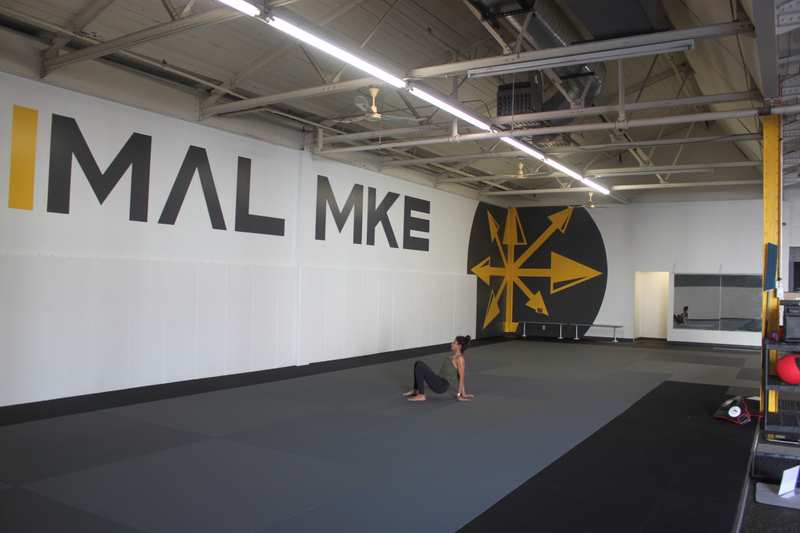
Ask how belts are earned and what testing costs, because fees for gradings and uniforms add up. Ask whether sparring involves head contact for kids; some gyms, like Primal MKE, keep youth training free of it.
And ask whether parents can train too. Schools like BE Martial Arts in Mequon run tai chi or adult classes alongside the kids' schedule, which turns waiting time into training time. The clubs, studios and rinks around these schools fill out the rest of Wisconsin's gym map.
Frequently asked questions
Published October 5, 2026