The two best museums in Sheboygan are free, and one of them is unlike anything else in the country. The John Michael Kohler Arts Center downtown and its Art Preserve on the western edge of the city hold a collection of artist-built environments, whole rooms, gardens and sculpture worlds made by self-taught artists, that draws visitors from far beyond Wisconsin. Around them, the Sheboygan museums list is short but useful: a county history museum, a children's museum, a working theater and a cinema for wet afternoons.
What follows covers what each site is, how long to allow, when they are closed, and how to do both Kohler sites in a day.
Both Kohler museums are free
The John Michael Kohler Arts Center downtown and the Art Preserve about 2.5 miles west-southwest are one institution on two sites, and admission and parking at both are free.
They are two halves of the same organization rather than rivals. The Arts Center downtown is the active one, with changing exhibitions, performances and an art-making studio. The Art Preserve is the collection, built to house and show the artist-built environments the Arts Center has gathered over decades. Allow about two hours at each. Doing both in one day is the standard plan, and a day that includes lunch between them is not rushed.
Neither is a quick stop between beach sessions, and neither is a stuffy gallery. If you have only a few hours in Sheboygan, these two sites are the most distinctive thing the city offers, well ahead of any other stop on a first visit.
The Arts Center downtown
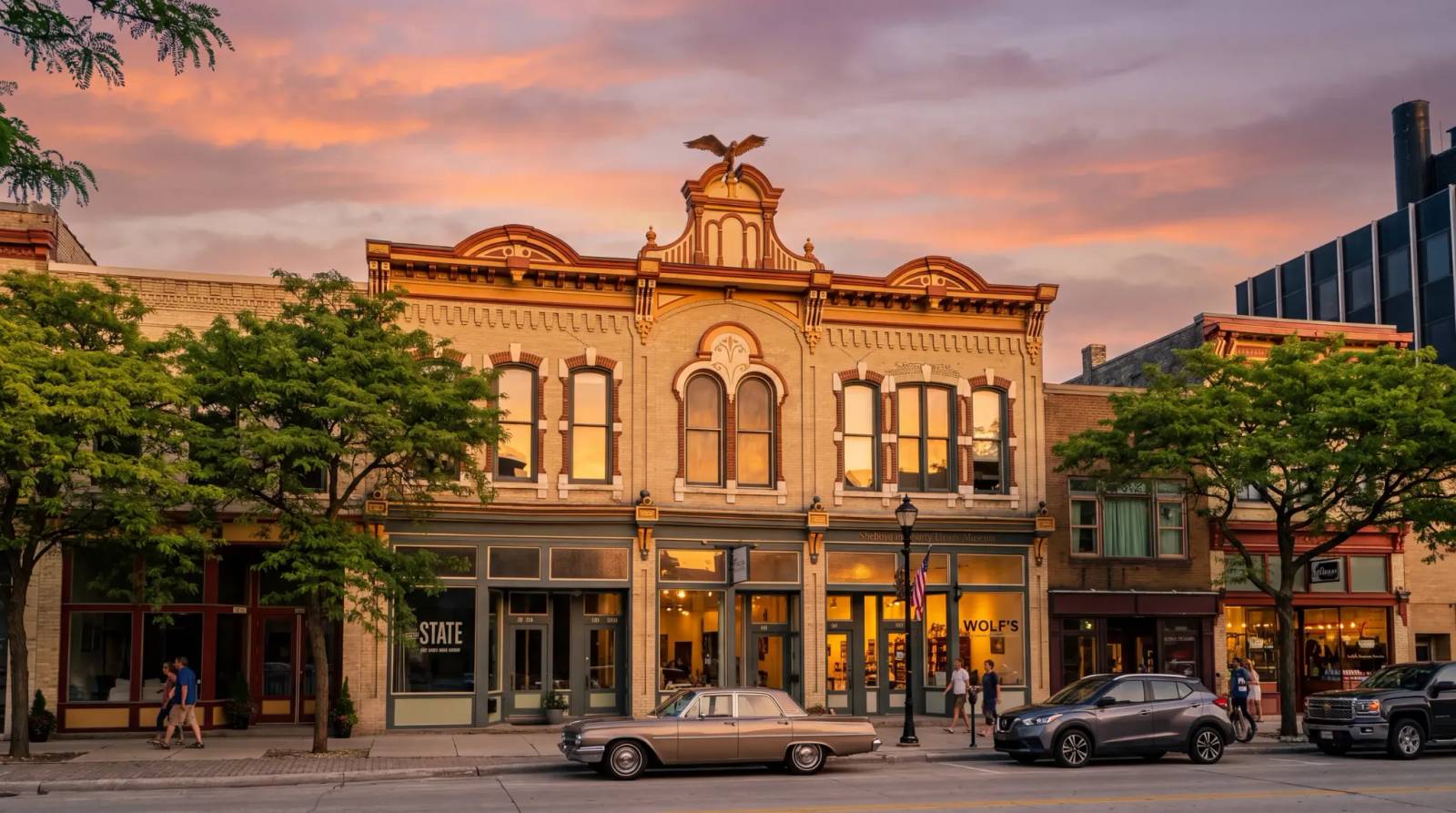
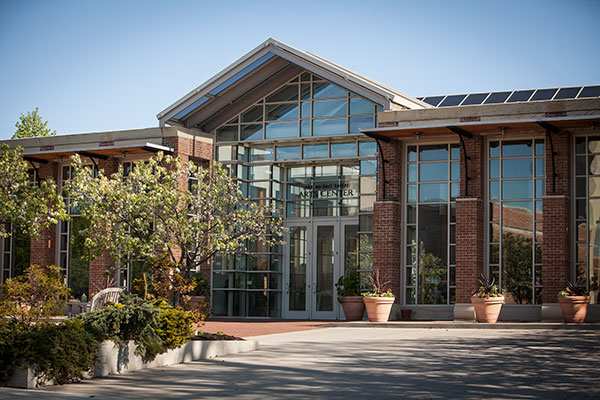
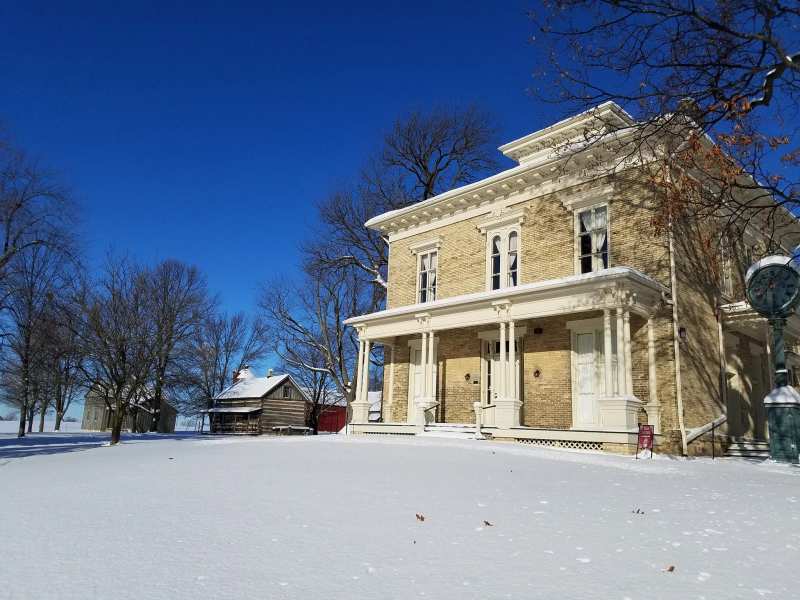
The John Michael Kohler Arts Center sits at 608 New York Avenue in a complex grown out of the John Michael Kohler House, and it has been open since 1967.
The washrooms are the part everyone talks about, and it is not a joke. Each one is designed by artists, tiled, painted or sculpted from floor to ceiling, and people genuinely visit the Arts Center to see them. Go into every one you can; the men's and women's rooms are different, and the family and accessible washrooms are part of the collection too.
The exhibitions change through the year and lean toward contemporary artists and makers, often with a strong interest in craft, materials and the kind of work traditional museums have ignored. The drop-in studio makes it easy with children, and the café inside the building serves lunch, coffee and tea with vegetarian, vegan and gluten-free options.
In summer, the Arts Center's program spills outdoors with free concerts and a festival of the arts. The building is fully accessible, and its downtown address puts the lake, the river and 8th Street's restaurants within walking distance.
The Art Preserve
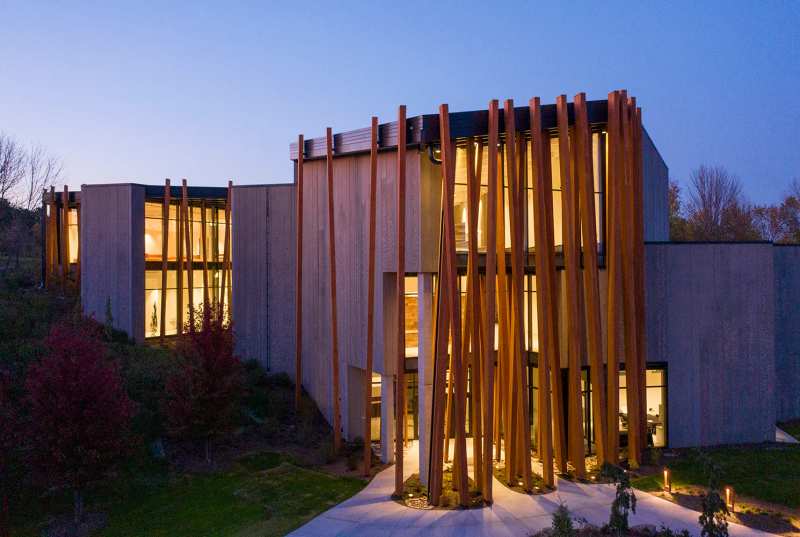
The Art Preserve, at 3636 Lower Falls Road, is the first museum built for artist-built environments; it opened in June 2021, it is free, and it is closed on Mondays.
An artist-built environment is what happens when one person spends years, often decades, turning a house, a garden or a yard into a single work of art: rooms painted floor to ceiling, concrete figures across a lawn, a home filled with objects made by hand. Most were made by self-taught artists with no gallery career. When those artists died, their environments were often at risk of being demolished, and the Arts Center set out to save them.
The named collection areas read like a map of American vernacular art: Levi Fisher Ames, Emery Blagdon's Healing Machine, Albert and Louise Zahn's Birds Park, Mary Nohl, Frank Oebser, Carl Peterson, Ernest Hupeden's Painted Forest, Tom Every's Dr. Evermor, Annie Hooper, Stella Waitzkin's Details of a Lost Library, Jesse Howard's Sorehead Hill, Eddie Owens Martin's Pasaquan, Gregory Van Maanen, Eugene Von Bruenchenhein, Nek Chand's Rock Garden of Chandigarh and the glittering home interior of Loy Bowlin, plus a Fragments area for pieces rescued from environments that could not be saved whole.
Hours are Tuesday, Wednesday and Friday 10am to 5pm, Thursday 10am to 8pm, and Saturday and Sunday 10am to 4pm; it is closed on Mondays and on eleven public holidays. Entry and on-site parking are free, with accessible spaces near the entrance, and wheelchairs are available free on a first-come basis. Allow two hours or more. Individual visitors can drop in; groups of ten or more should reserve. Photography is allowed without flash, selfie sticks or tripods, and only pencils are permitted in the collection areas.
Outside, an Art Park is being built in phases on the hillside. The first phase is a winding trail up to a five-acre Upper Meadow, built from salvaged brick, materials from a decommissioned Kohler Co. kiln, local stone and found objects. The first major work planned for the meadow is Rock Fade (about 45 billion years) by Lenka Clayton and Phillip Andrew Lewis, a line of 79 rocks shrinking from a nine-ton boulder to a single grain of sand. The trail is still under construction and not fully accessible, so check what is open before walking up.
The Arts Center also looks after the James Tellen Woodland Sculpture Garden and the Mary Nohl site, and it runs Wayside Days, a program of events that includes community days at the Art Preserve.
How to look at an artist-built environment
The best way to see the Art Preserve is slowly and without trying to see everything: pick two or three environments, read who made them and why, and spend real time with each.
Most of these works were never meant for a museum. They were someone's house, garden or backyard, made over years with whatever materials were at hand, often by people who worked ordinary jobs and built at night and on weekends. Knowing that changes how they look. A room of painted panels becomes one person's lifetime of evenings; a crowd of concrete figures becomes a neighborhood landmark that someone's family had to decide whether to save.
Take the stairs rather than the elevator at least once, because the visible storage between floors shows how much of the collection is not on display at any moment. Ask the staff at the front desk which environment they would start with. And use the Fred Smith Bar as intended: sit down afterwards and talk about what surprised you. Even visitors who arrive skeptical about folk art tend to leave arguing about a favorite.
The woman who made it happen
The Art Preserve exists largely because Ruth DeYoung Kohler II, director of the Arts Center from 1972 to 2016, spent decades collecting the work most museums would not take, and she died in November 2020, about seven months before it opened.
She championed self-taught and vernacular artists when that was far from fashionable, and under her direction the Arts Center rescued environments that would otherwise have been lost. She insisted that the Art Preserve's building be made of stone, wood and earth, out of respect for the materials the artists themselves had used. The museum is, in a real sense, her work as much as theirs.
The county museum and local history
The Sheboygan County Museum on Erie Avenue is a different kind of museum entirely, a local history site where the county's own story is kept in historic buildings and an underground gallery.
The museum's grounds are part of the visit, and a slow walk between the buildings gives a sense of how the county looked before its factories and resorts. Local history museums in Wisconsin often run on seasonal hours, so check the museum's current opening days and admission before you go rather than assuming it is open year-round. Allow an hour or two.
For history that predates all of it, Sheboygan's prehistoric burial mounds are protected in a 15-acre park on the south side, with an interpretive trail that has been open to visitors since 1966. It is outdoors and free, and it pairs well with a museum visit on a dry day.
Performance: the Weill Center and the theater company
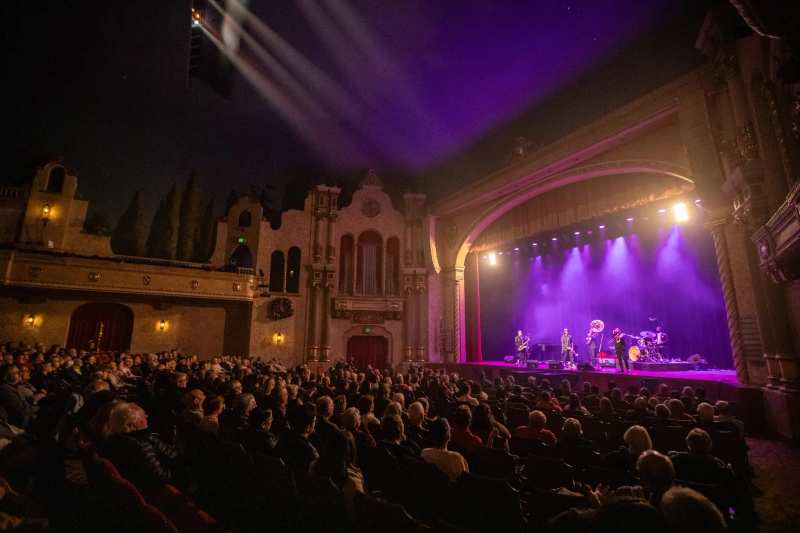
The Stefanie H. Weill Center for the Performing Arts on North 8th Street is where touring concerts and theater play, and the Sheboygan Theatre Company, founded in 1934, stages its own productions.
STC, the Sheboygan Theatre Company, has staged productions since 1934, with large casts, live musicians, and set and costume design, and it runs education programs for young performers. Check each production's venue when you book, since the company's registered address and its performance space are not always the same.
The Arts Center's own two performance spaces add a third option, often with more experimental work. The Sheboygan calendar through the year shows what is on at all three.
Cinema and a rainy afternoon
When the museums are closed, and both Kohler sites close on Mondays, the Marcus movie theater on Kohler Memorial Drive and Mead Public Library downtown are the reliable indoor fallbacks.
The movie theater on Kohler Memorial Drive shows mainstream films with upgraded picture and sound and a dining menu. Mead Public Library on North 8th Street, the city's library since 1897, spreads its collection over three floors and runs a large program of free workshops, classes and storytimes each year.
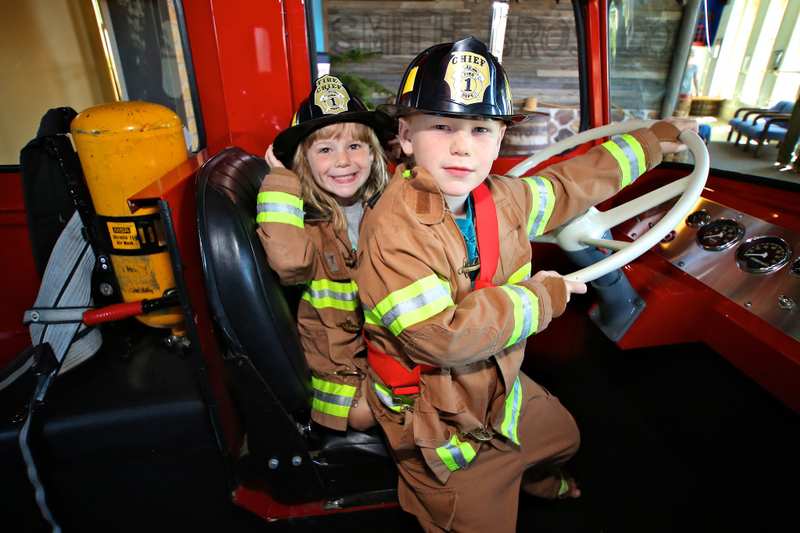
Families with young children have one more indoor museum in the children's museum on North 8th Street, three floors of hands-on exhibits a few blocks from the Arts Center. On a rainy week, planning a Sheboygan trip with children around those indoor stops keeps everyone cheerful.
Planning a museum day
Start at the Arts Center downtown in the morning, eat lunch at its café or on 8th Street, then drive the 2.5 miles west-southwest to the Art Preserve for the afternoon; avoid Mondays, when both are closed.
The order works because the Arts Center is walkable from breakfast and lunch, while the Art Preserve needs a car and rewards a longer, slower visit. Parking at both is free. Thursday is the best day if you want an unhurried visit, since the Art Preserve stays open until 8pm, and weekends close earlier at 4pm.
Both sites are accessible, with elevators at the Art Preserve and free wheelchairs on request. Children under 12 must be accompanied, and the drop-in studio downtown is the easiest place to start with a child. Breakfast before a full museum day is worth doing properly, and a Sheboygan bakery or pancake-house breakfast on the way puts you at the Arts Center when it opens, with dinner among the downtown restaurants a short walk away afterwards.
Frequently asked questions
Published June 15, 2026