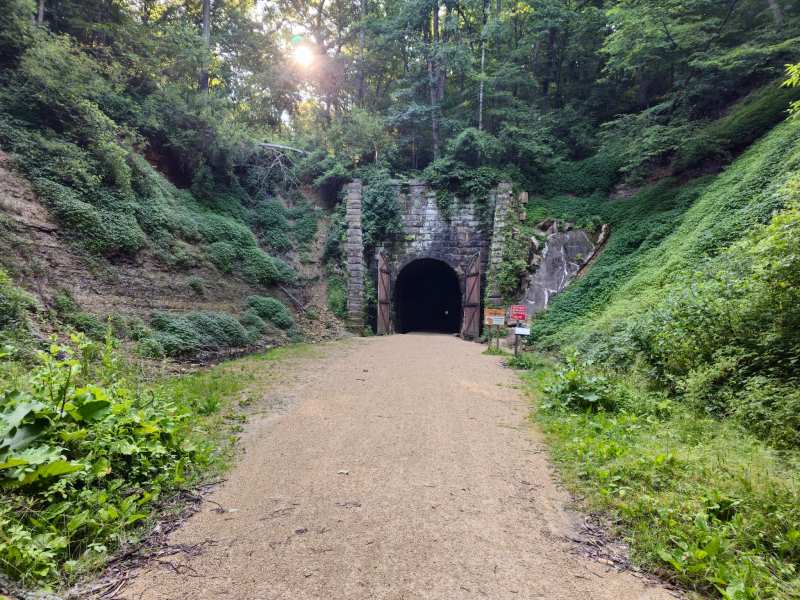
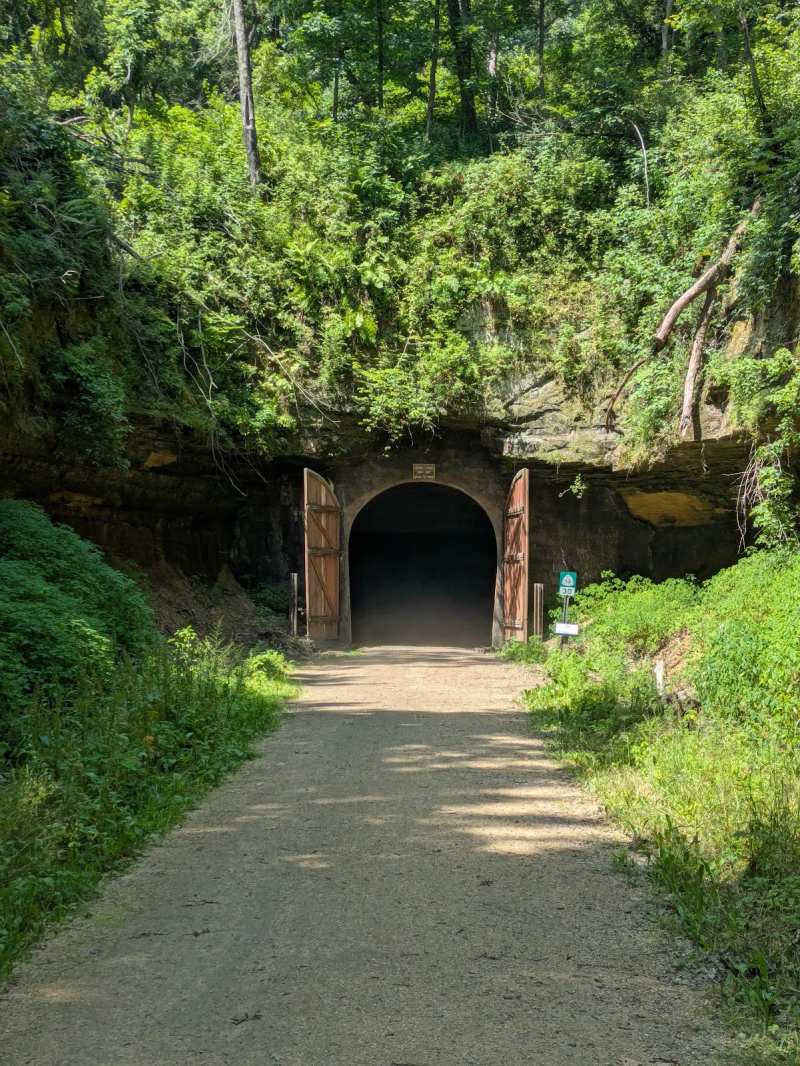
In July the tunnel on the ridge above the village is the coolest place for miles, and in January its doors are shut and the trail belongs to snowmobiles. That swing, from an average July high of about 81°F to a January low near 8°F, is Norwalk weather in one line, and it decides when a trip here works.
Below are the monthly averages, what each season means on the Elroy-Sparta Trail, when the tunnels open and close, and what to pack for a ride or a night in the village campground. The figures are 30-year averages for 1991 to 2020 from National Centers for Environmental Information station data.
Sponsored
Norwalk weather at a glance
Norwalk has warm, humid summers and long, cold, snowy winters: July averages a high of 81°F, January a high of 25°F, and the village gets about 36 inches of precipitation and 45 inches of snow a year. June is the wettest month and January the snowiest.
- January: high 25°F, low 8°F, 1.2 inches of precipitation, 12.1 inches of snow.
- February: high 30°F, low 11°F, 1.0 inches of precipitation, 9.6 inches of snow.
- March: high 42°F, low 22°F, 1.8 inches of precipitation, 7.4 inches of snow.
- April: high 56°F, low 34°F, 3.7 inches of precipitation, 2.8 inches of snow.
- May: high 68°F, low 46°F, 4.5 inches of precipitation, no snow.
- June: high 77°F, low 56°F, 5.1 inches of precipitation, no snow.
- July: high 81°F, low 60°F, 4.5 inches of precipitation, no snow.
- August: high 79°F, low 58°F, 4.3 inches of precipitation, no snow.
- September: high 72°F, low 49°F, 3.8 inches of precipitation, no snow.
- October: high 58°F, low 37°F, 2.8 inches of precipitation, 0.2 inches of snow.
- November: high 43°F, low 26°F, 1.9 inches of precipitation, 3.3 inches of snow.
- December: high 30°F, low 15°F, 1.4 inches of precipitation, 10.0 inches of snow.
Plant-hardiness maps put Norwalk in zone 4b, with the last spring frost usually between May 1 and May 10 and the first fall frost between September 21 and 30. Those two windows frame the riding and camping season better than any calendar.
Best months to ride the trail
The best months to ride are mid-May through early October, when the tunnels are open, the trail is mostly dry and the days are warm without being heavy. The tunnels open on May 1 and close on October 31, and the doors stay shut from November 1 to April 30. By one count Norwalk averages about 148 comfortable days a year, almost all of them between May and September.
If you can choose, come on a weekday. Summer weekends are the busy time at the Norwalk trailhead, and a sunny weekday in late September or October can feel close to empty.
Wind, and which way to ride
Average wind speeds in Norwalk stay between about 7 and 9 miles per hour all year, a little stronger in spring and late fall and lightest in summer. One rider who has ridden the trail for decades notes that the prevailing wind usually comes from the west.
That makes a west-to-east ride, Sparta toward Norwalk and Elroy, the easier direction on a breezy day, with the wind at your back on the long valley stretches, though it also means starting with the long climb to Tunnel 3. On an out-and-back from Norwalk, ride into the wind on the way out, while your legs are fresh, so it pushes you home.
Spring in Norwalk: April and May
Spring arrives late: April averages a high of 56°F and still sees close to 3 inches of snow, and the last frost usually comes between May 1 and May 10. The tunnels stay closed until May 1, so an April ride stops at the doors.
May warms up fast, to an average high of 68°F, but it is also one of the wetter months, with about 4.5 inches of rain. After heavy rain the trail can go soft and loose sand washes onto the climbs, so give it a dry day or two before a long ride.
Summer in Norwalk: June to August
June is the wettest month in Norwalk, with about 5.1 inches of rain. July is the warmest, with an average high of 81°F and a low of 60°F, and dew points around 61°F, the point where the air starts to feel humid.
Summer is also the sunniest season: July averages about 10.6 hours of sunshine a day and clear or partly clear skies about 71 percent of the time. The longest day, around June 21, has about 15 and a half hours of daylight, so an evening ride after dinner at the trailhead is easy.
Ride early on hot days: the climbs to the tunnels are long, mostly under a tree canopy, and the tunnel is the one guaranteed cool spot. Carry more water than you think you need, and watch the western sky in the afternoon.
Humidity peaks in July and August, when average dew points sit around 59 to 61°F, and drops off sharply in September to about 50°F, which is why fall riding feels so much easier on the climbs. May and June sit in between, with dew points around 46 and 58°F.
Fall in Norwalk: September and October
September is the sweet spot, with an average high of 72°F, a low of 49°F and less rain than summer. The first frost usually lands between September 21 and 30, and the wooded hills along the trail start to turn soon after.
October cools to an average high of 58°F and a low of 37°F, and several riders who came then describe the color and the empty trail as the reason to come back. The Rails to Trails Marathon has run from the village on the first Sunday in October in recent years, so expect a busy trailhead that weekend. The tunnels close for the season after October 31.
Skies are clear or partly clear about two-thirds of the time in September and a little over half the time in October, so September is the safer bet for a sunny ride and October the better bet for color.
Winter in Norwalk: November to March
Winter is long: January averages a high of 25°F and a low of 8°F, with about 12 inches of snow, and snow usually falls from November into April. December is the cloudiest month, and the shortest day has about 8 hours and 54 minutes of daylight.
The trail stays open all winter, but it is shared with snowmobiles and is not groomed for skiing. Cross-country skiers can use it without a trail pass, and snowmobiles detour around the closed tunnel doors. If you come in winter, come for the quiet, a hot plate of food in the village and a walk on packed snow, not for the tunnels.
Camping weather and what to pack
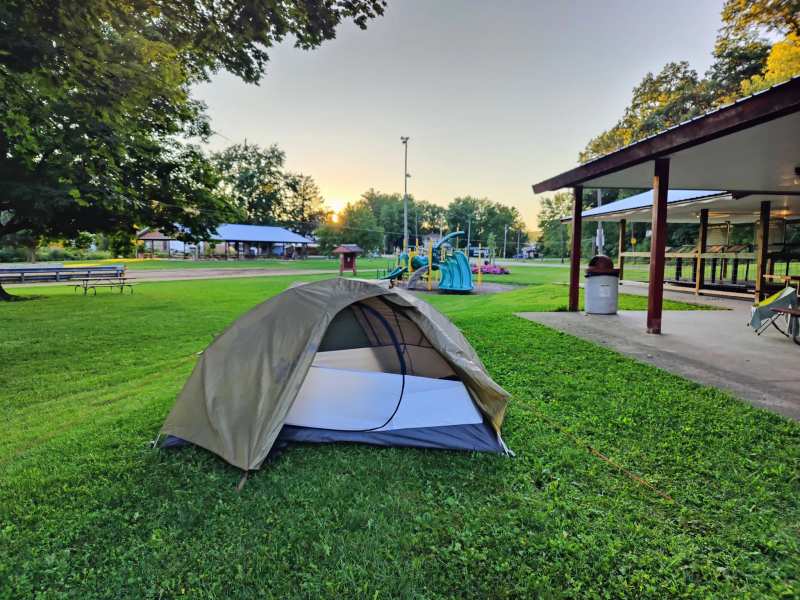
Nights cool off well before the season ends: the average low is 49°F in September and 37°F in October, so a summer sleeping bag will not cut it at the village campground in the fall.
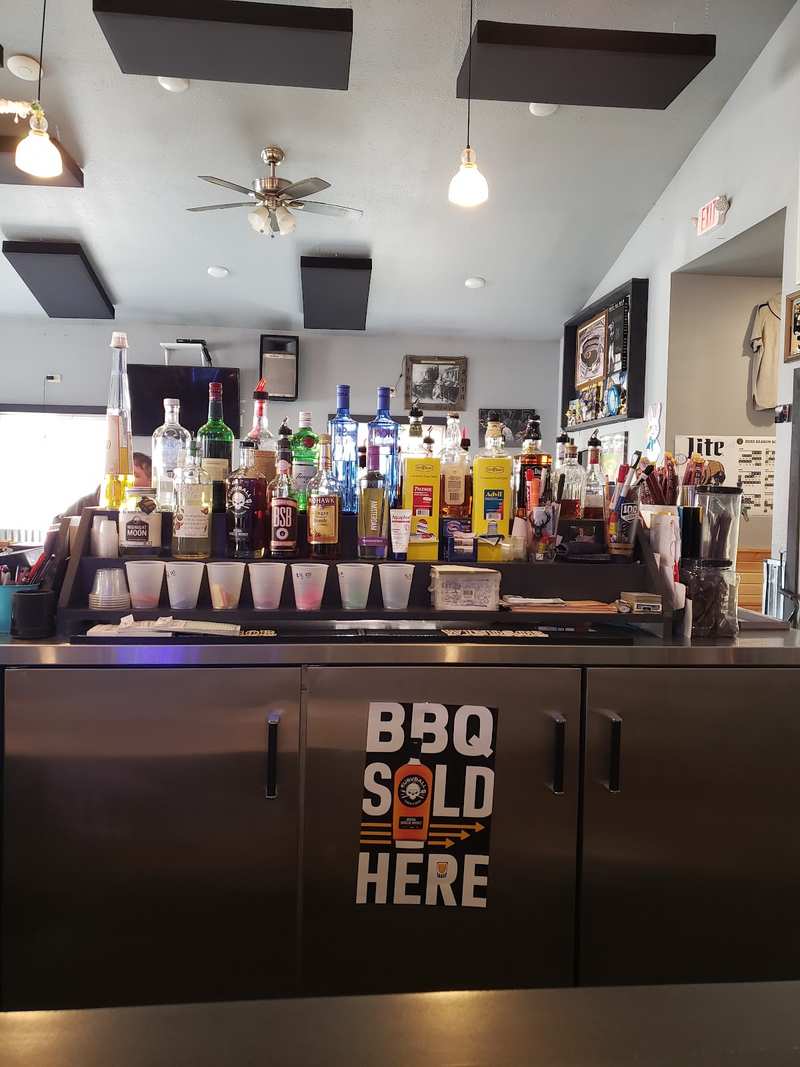
Campers at the Village of Norwalk Campground get free showers, which matters after a wet ride through Tunnel 3. On a cold morning, the weekend breakfast at The Place Cunitz Tavern starts at 6 am.
Norwalk's main street is about a block from the trail, so a rained-out afternoon still leaves two Mexican kitchens and a tavern within walking distance of the campground.
Checking the forecast before you go
The village website links the National Weather Service forecast for Norwalk, a point forecast for the village itself, which beats a forecast for Sparta or La Crosse when you are deciding about the climb. Before a long ride, also check the DNR property notices for the Elroy-Sparta State Trail, since storms have closed sections of it in past years.
Frequently asked questions
Published September 21, 2026