In Neillsville the same street can sit at 80 degrees in late July and at 5 below at dawn in January. That spread is the main thing to understand about Neillsville weather: four hard seasons, a warm and fairly wet summer, a long snowy winter with about 44 inches of snow, and short shoulder seasons in between that are easy to miss if you blink.
The figures here are the official 1991 to 2020 climate normals from NOAA for the Neillsville weather station, so they describe the town itself rather than a model of the wider region. Live forecasts come from the National Weather Service office in La Crosse, which covers Clark County.
Sponsored
Neillsville's climate in one paragraph
Neillsville has a humid continental climate. Summers are warm, with July averaging a high of about 80 degrees and a low of about 58. Winters are long and cold, with January averaging a high of about 24 and a low of about 5. The town gets about 35.5 inches of rain and melted snow a year, with the wettest months in summer, and about 44 inches of snow, most of it from December to March. Measurable precipitation falls on about 111 days a year.
Neillsville weather month by month
| Month | Avg high (°F) | Avg low (°F) | Precipitation (in) | Snowfall (in) |
|---|---|---|---|---|
| January | 23.5 | 5.4 | 1.11 | 9.1 |
| February | 28.7 | 8.2 | 1.08 | 9.4 |
| March | 41.0 | 19.8 | 1.74 | 7.7 |
| April | 55.4 | 31.9 | 3.26 | 2.7 |
| May | 67.8 | 43.7 | 4.45 | 0.0 |
| June | 76.6 | 53.9 | 5.34 | 0.0 |
| July | 80.4 | 57.6 | 3.85 | 0.0 |
| August | 78.2 | 55.6 | 4.36 | 0.0 |
| September | 70.8 | 47.3 | 4.01 | 0.0 |
| October | 57.7 | 36.0 | 3.08 | 0.4 |
| November | 41.9 | 24.4 | 1.80 | 3.4 |
| December | 28.9 | 12.7 | 1.44 | 10.9 |
| Year | 54.2 | 33.0 | 35.52 | 43.6 |
Read the lows as carefully as the highs. Every month from November to March averages a low below freezing, and three of them average a low under 13 degrees. Snow is possible from October to April; the snowiest single month is December, and February runs it close.
Winter: December to February
Winter is the season that shapes the town, from the opening hours of the ski hill to the timing of the Winter Carnival. December brings the most snow of any month, nearly 11 inches on average, and January is the coldest, with average lows around 5 degrees and record lows far below that. About 24 days a winter see measurable snowfall.
It is also when the Clark County Forest is at its busiest in its own way.
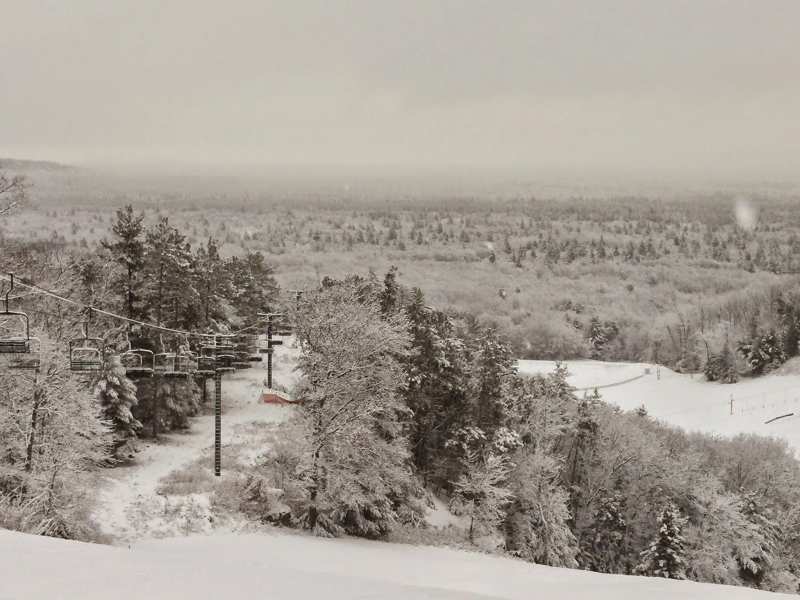
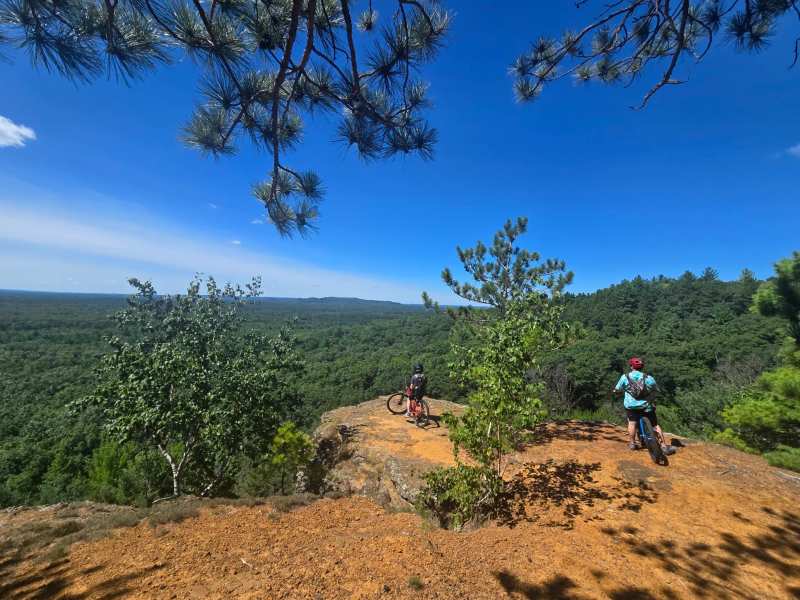
The ski and tubing season at Bruce Mound averages about six weeks of operating days. At the Levis/Trow Mounds trails, the county grooms singletrack for fat bikes and cross-country ski trail once there is enough snow, and the town's Winter Carnival lands in late February.
Dress for real cold: a warm coat, hat, gloves and boots with grip are the minimum from December to February, and a car with a full tank and a winter kit is sensible on the county roads.
Spring: March to May
Spring arrives slowly and then all at once. March still averages a high of only 41 degrees and almost 8 inches of snow, and snow on the ground is still normal for much of the month. April warms to an average high of 55 and turns wet, with precipitation nearly doubling from March. By May the average high is near 68, the snow is done, and the woods leaf out, though the average low of 44 means a frosty early-May morning is still possible.
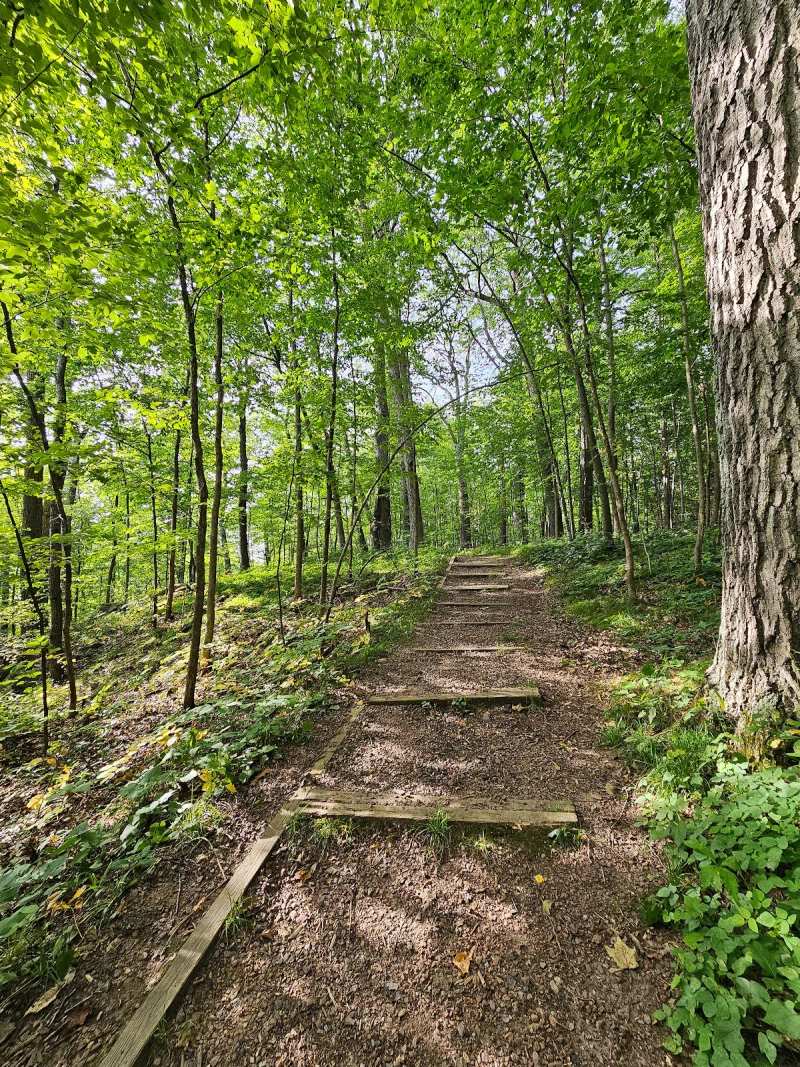
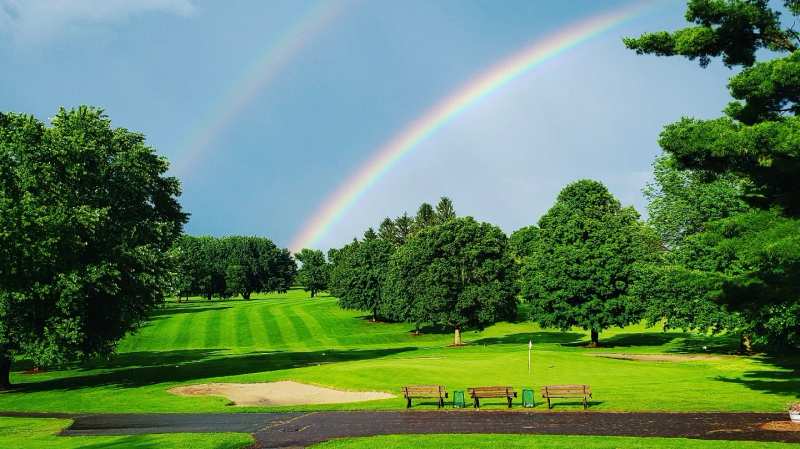
Trails can be soft in April and early May as the frost comes out of the ground, so check conditions before planning a riding weekend. Golf at the Neillsville Country Club on East Division Street picks up once the course dries out.
April is also when the Central Wisconsin Horse Sale fills the Clark County Fairgrounds for four days.
Summer: June to August
Summer is warm rather than hot. July averages a high of about 80 degrees, and the nights cool into the mid to upper 50s, which makes for good sleeping and comfortable camping. June is the wettest month of the year, with more than 5 inches of rain on average. Days are long, with sunset well after 8:30 around the solstice.
Record highs above 100 degrees have been set in May, June, July and August, but those are rare. Summer thunderstorms do roll through, so keep an eye on the forecast if you are out on the trails or the water.
Summer is festival season. It opens in June with the June Dairy Breakfast, pancakes and cheese curds on a local farm from 7 in the morning. Heritage Days runs in July, and the Clark County Fair takes over the fairgrounds on the southeast side of town every August, with grandstand pulls, a carnival midway and livestock shows.
Fall: September to November
By the numbers, September is the most comfortable month of the year. The average high is still about 71 degrees, nights drop to the upper 40s, and the leaves start to turn. October cools to an average high near 58 with the first frosts, and the first snow is possible, though the October average is under half an inch.
November is a different month entirely: an average high near 42, nights in the mid-20s, and the start of real snow, with about 3.4 inches on average. Fall riding at Levis is at its best in September and early October, and the Central Wisconsin Horse Sale returns to the fairgrounds in September.
Daylight and sunshine
Neillsville sits at about 44.5 degrees north, so daylight swings widely. Around the June solstice there are about 15 and a half hours of daylight, with sunrise before 5:30 and sunset after 8:30. Around the December solstice there are under 9 hours, and winter sunsets come in the late afternoon.
July is the sunniest month, with clear skies most of the day, and December is the cloudiest, overcast more than half the time. Modeled data from NASA's MERRA-2 project, as published by Wanderlog, puts April as the windiest month, averaging about 17 miles an hour, and August as the calmest, at under 13. Plan winter outings for the middle of the day, when the light and the warmth are both at their best.
What to pack, season by season
Winter: an insulated coat, hat, gloves and warm, waterproof boots with grip for icy sidewalks. Add a face covering and hand warmers if you are skiing or riding.
Spring and fall: layers. A morning can start below freezing and finish in the 60s, so a fleece, a rain shell and waterproof shoes cover most days.
Summer: light clothing, a rain jacket for the storms, sunscreen and insect repellent for the trails and the river. A sweater still earns its place in the evenings.
Extremes on record
The Neillsville station's records run back to 1893. The hottest temperature on record is 106 degrees, set in July, with 105 in May and 104 in June. The coldest is 48 degrees below zero, set in January, and February and March have dropped to minus 46 and minus 39.
Those are rare numbers, but they show the full range the town and its visitors have to plan for.
Best time to visit Neillsville
The answer changes with what you came for.
For skiing, tubing and fat-biking, come in January or February, when the snow is most reliable. For mountain biking and hiking, June to early October, with September the most comfortable month. For festivals, July brings Heritage Days and August the county fair. For the mildest weather, September.
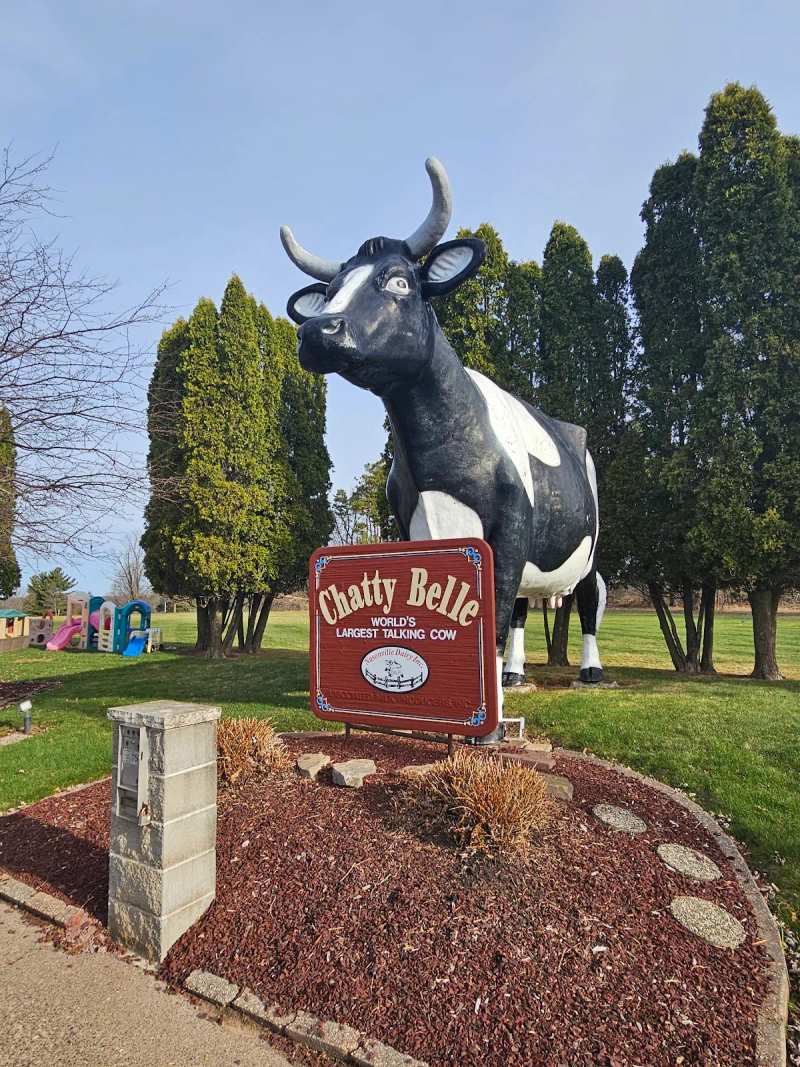
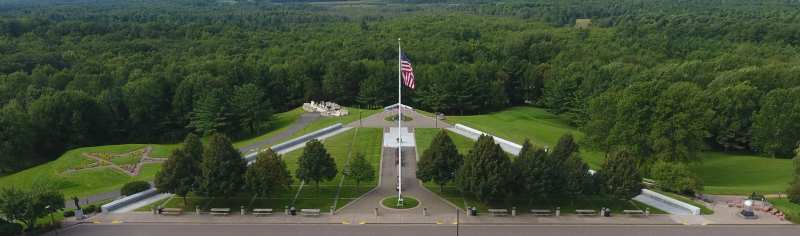
The Highground, Chatty Belle and the rest of the town's year-round sights work in any season, though the memorial's museum keeps shorter winter hours, 10 to 4. Most of the things to do in Neillsville stay open year-round, so even a cold weekend fills up.
Checking today's forecast
For the forecast, warnings and radar, the National Weather Service office in La Crosse covers Clark County, and its forecast pages are free of ads and updated around the clock. Commercial apps work too, but in a winter storm or a summer thunderstorm the NWS warnings are the ones to trust.
If you are driving in from out of state, the roads into town matter as much as the weather; where Neillsville sits in Wisconsin decides whether you come in on US 10 or up from I-94.
Frequently asked questions
Published August 31, 2026