
Plan around the afternoon storm, not the thermometer. Clearwater Beach weather is warm enough for the sand in every month, but the Gulf swings from about 64°F in January to 86°F in August, summer brings rain on roughly half the days, and red tide can spoil a perfect forecast. Below: the numbers for each month, how the water actually feels, and the checks a local runs before loading the car.
The short answer: the best time to visit Clearwater Beach
Go in March through May or October through November. In those months average highs sit between 76°F and 86°F, the Gulf runs 66°F to 79°F, and rain falls on about six days a month or fewer.
Sponsored
Want to swim without gasping? Narrow it to May or October. The water is 77°F to 79°F in those two months and the air still tops out in the mid-80s. April is the driest month on the chart, with four rainy days on average, but the Gulf is still a brisk 72°F.
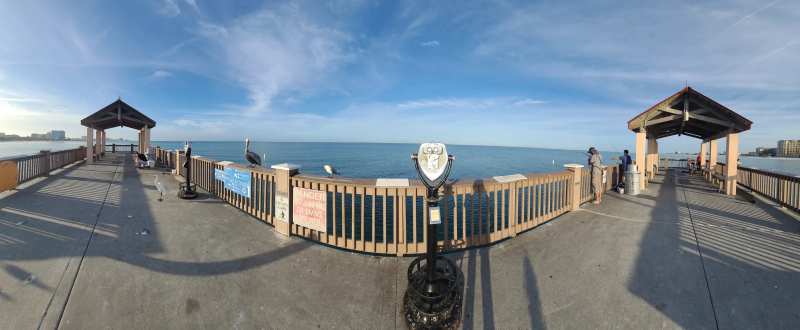
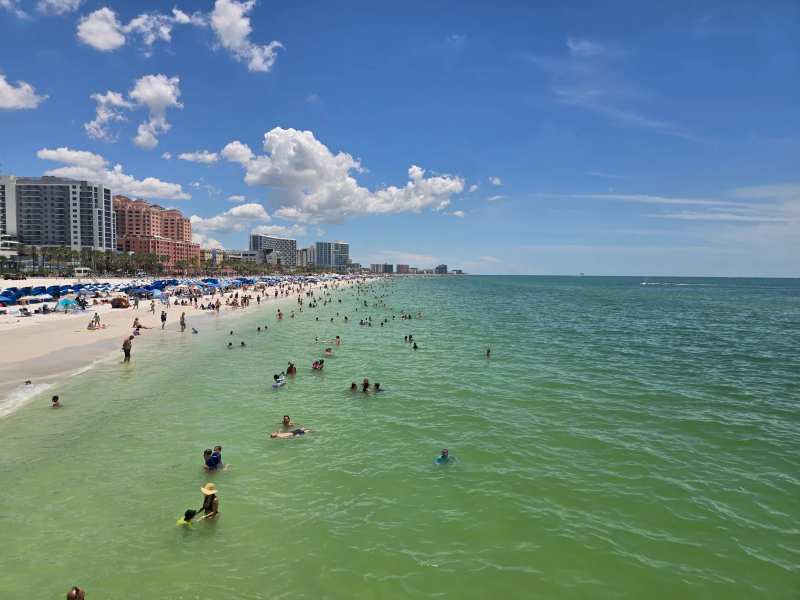
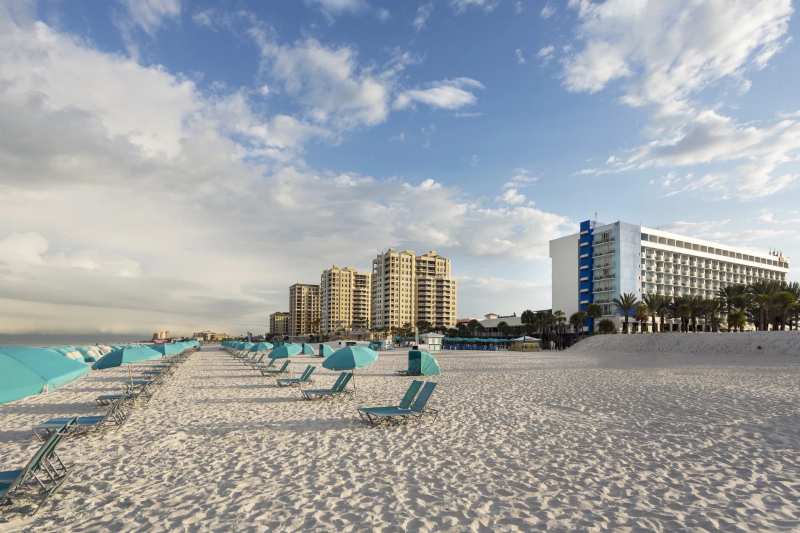
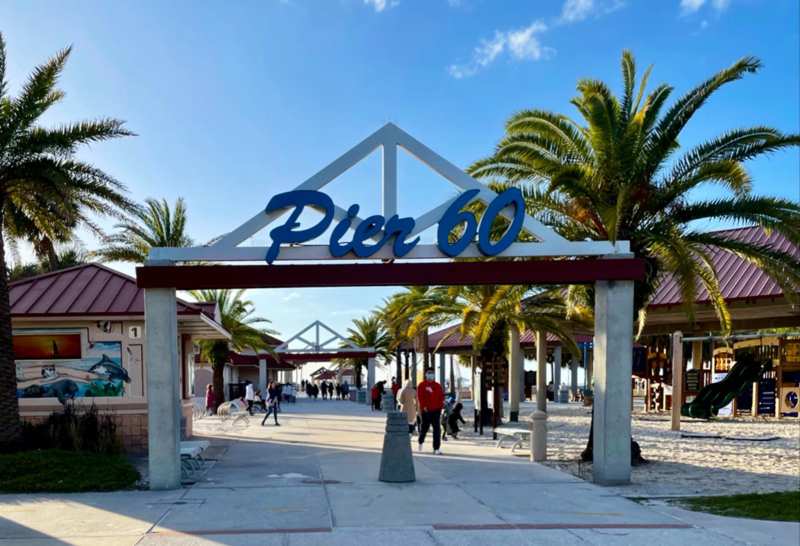
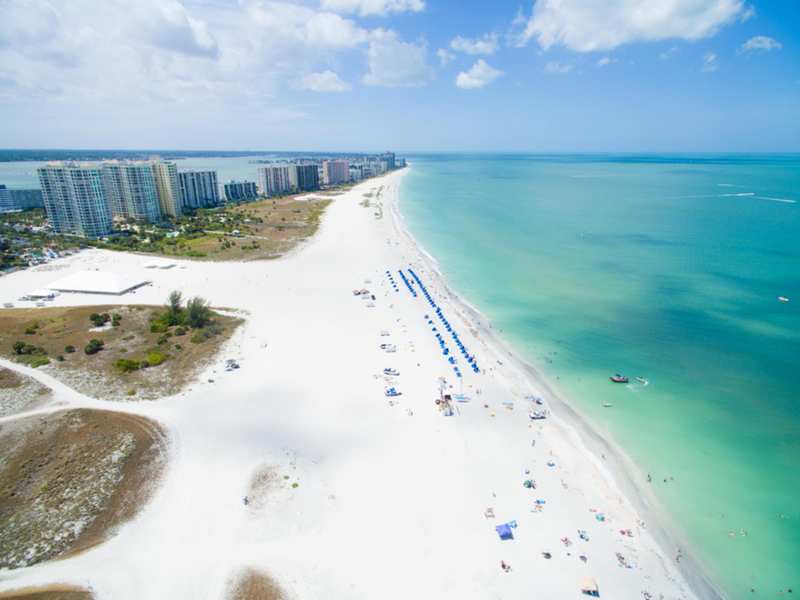
Either window suits the whole run of white sand from the north beach to Clearwater Pass, from the quiet stretch north of the Pier 60 park and pier to the hotel towers on S Gulfview Blvd. Summer is for people who like heat and don't mind ducking under a roof at 2 pm. Winter is for walkers, shell hunters and anyone escaping snow.
Clearwater Beach weather by month
Here is the year in one table: average air highs and lows, the Gulf's surface temperature and the number of days with rain.
| Month | Air high | Air low | Gulf water | Rainy days |
|---|---|---|---|---|
| January | 69°F | 51°F | 64°F | 7 |
| February | 72°F | 54°F | 64°F | 7 |
| March | 76°F | 58°F | 66°F | 6 |
| April | 81°F | 63°F | 72°F | 4 |
| May | 86°F | 69°F | 77°F | 6 |
| June | 90°F | 74°F | 82°F | 12 |
| July | 91°F | 76°F | 86°F | 15 |
| August | 91°F | 76°F | 86°F | 17 |
| September | 89°F | 74°F | 84°F | 12 |
| October | 84°F | 67°F | 79°F | 6 |
| November | 76°F | 59°F | 73°F | 6 |
| December | 71°F | 54°F | 68°F | 6 |
Air temperatures are NOAA's 1991 to 2020 averages for Clearwater, and the Gulf and rain figures come from weather2travel's Clearwater climate data. The tourism board's own chart puts highs within a degree of these and its lows a few degrees warmer.
Winter, December to February
Expect highs of 69°F to 72°F and nights around 51°F to 54°F. The Gulf sits at 64°F to 68°F, cold for a swim and fine for wading up to your knees. Pack a sweatshirt for the evening and a windbreaker for the pier.
The sun goes down early, which puts the nightly Sunsets at Pier 60 crowd at dinnertime: the earliest sunset of 2026 comes at 5:35 pm on November 30. A clear January evening there, with the air in the 60s, is one of the better hours on the beach.
Spring, March to May
This is the stretch the tourism board calls high season, and the weather earns it. Highs climb from 76°F in March to 86°F in May, the Gulf warms from 66°F to 77°F, and rain stays at four to six days a month. March is warm on the sand and still chilly in the water, so expect plenty of people on towels and few out past the sandbar.
May is the sleeper month: summer water at 77°F without summer's daily storms, and the spring-break crowd has gone home.
Summer, June to August
Highs reach 90°F to 91°F, nights hold at 74°F to 76°F, and the Gulf runs 82°F to 86°F, close to bathwater by August. Rain falls on 12 to 17 days a month, mostly as afternoon thundershowers. Get on the sand early, take a long lunch, and keep the afternoon flexible.
The payoff is the evening: the latest sunset of 2026 came at 8:31 pm on July 1, which leaves a long, warm stretch after the storm has passed.
Fall, September to November
September is still summer, with 89°F highs, 84°F water and 12 rainy days, right on top of the hurricane peak. October is the month to book: highs drop to 84°F, the Gulf holds at 79°F, rain falls on about six days, and the tourism board counts fall as shoulder season, with savings and fewer crowds. November cools to 76°F highs, 73°F water and 59°F nights, good for long walks and short swims.
Clearwater Beach water temp, month by month
The Gulf off Clearwater Beach is coldest in January and February at about 64°F and warmest in July and August at about 86°F. The tourism board puts the average August water temperature at 86.7°F, with air highs around 88°F, so a midsummer swim cools you off less than you might hope.
Here is how those numbers feel in practice.
- Below 70°F, December through March: a quick plunge, a yelp and a towel waiting on the sand.
- 72°F to 77°F, April, May and November: refreshing for the walk in, and comfortable once you're under.
- 79°F and up, June through October: warm enough to float for an hour without thinking about it.
Averages are averages, so check the day's reading before you plan a cold-month swim. Mote Marine Laboratory's beach conditions map reports water conditions, temperature included, for individual local beaches.
City lifeguards cover the main public beach from 10 am to 5 pm seven days a week, with towers staffed by season and weather, so a January swim may be one with no tower open near you. Down at the Sand Key Park beach, about 1.2 miles south of Pier 60 across Clearwater Pass, reviewers single out the outdoor showers, which you will want after a February dip.
Summer storms and hurricane season
Hurricane season runs from June 1 to November 30, and the real risk window is narrower than that. The National Hurricane Center puts the Atlantic peak on September 10, with most activity between mid-August and mid-October.
That doesn't make September a bad bet. It means you book refundable rooms, buy travel insurance before a storm has a name, and watch the National Hurricane Center's outlook in the week before you fly.
The 2024 season showed what a direct hit does here: Hurricanes Helene and Milton damaged Pier 60, and fishing didn't return to part of the pier until September 2025.
Daily summer storms are a different, smaller problem. July and August average 15 and 17 rainy days, and wet-season rain comes as afternoon thundershowers more than all-day soakers. Watch the sky over the mainland to the east after lunch; when it goes dark and the thunder starts, pack up.
The city's rule is short: when thunder roars, go indoors, and stay off the beach and out of the water while lightning is around. A storm also turns the surf, so look at the flag again when you come back out.
Red tide and beach flags
Check two things the morning you go: the state's red tide report and the flag on the nearest lifeguard tower.
Red tide is a bloom of Karenia brevis, a microscopic alga whose toxins kill fish and can cause eye and respiratory irritation for people on the beach. Blooms form in the Gulf nearly every year, generally in late summer or early fall, and are most common off Florida's central and southwest coasts, where Clearwater sits.
They don't keep to a calendar. In March 2023 heavy concentrations reached Clearwater Beach just as spring break began, pushed north by persistent southerly winds. No one can tell you weeks ahead whether your week will be clear, so check close to the date and again that morning.
Here is where to look.
- FWC's red tide status page posts a statewide report on Friday afternoons, with an extra update on Wednesday afternoons when there is new information.
- The same page links a daily sampling map that shows the last eight days of samples and updates at 5 pm.
- FWC's recorded hotline, 866-300-9399, gives a statewide update at any hour.
- Mote's beach map lists conditions beach by beach and will email you a daily report for the one you pick.
- Visit St. Pete/Clearwater's beach updates page says whether any local beach is under an advisory.
On the sand, the signs are hard to miss: a scratchy throat and coughing near the water, and dead fish along the tide line. If you feel it, move inland a few blocks or try the beach again tomorrow.
Clearwater flies Florida's beach warning flags on the sand and from the lifeguard towers, and they mean this:
- Green: low hazard, calm conditions.
- Yellow: medium hazard, moderate surf or currents.
- Red: high surf or strong currents, and lifeguards may ask swimmers to get out.
- Double red: the water is closed, though you can still walk the beach.
- Blue: stinging or hazardous marine life, such as stingrays or jellyfish.
The flags carry no separate rip current warning, so read the water and not just the pole. If a rip takes you, swim parallel to the shoreline until it lets go, angle back to shore, and wave for a lifeguard. Stay inside the Safe Bathing Limit, which runs 300 feet out from the high-water line and is marked by buoys or pilings.
Crowds and prices by season
The weather and the crowds peak together: the tourism board calls January through May high season, and the fall months shoulder season. Pick your trade-off.
Snowbirds, the northerners who winter in Florida, fill the long-stay rentals through the cool months. Then spring break lands in March, the same weeks the Phillies play spring training on the mainland. BayCare Ballpark, about 5.9 miles east of Pier 60 in a straight line, hosted 15 of the Phillies' 29 spring training games in 2026, from late February into late March.
On a March weekend, the city lots nearest Pier 60 fill early. City beach lots charge $3.50 an hour and street meters $4, so arrive before 10 am or take the trolley.
Summer is family season, the tourism board says: school is out, the Gulf is warm, and the afternoon storms are the price. Fall is the deal, with lower prices and fewer people, and October gives you summer water without summer's crowds.
Room rates follow the same curve. Before you commit to March, price the same hotel for a week in late October; the gap tells you what spring weather costs.
Rainy-day backup
When the afternoon storm sets in, go to the Clearwater Marine Aquarium, about 0.7 miles east of Pier 60 on Windward Passage and open 10 am to 5 pm every day. It is a nonprofit that rescues, rehabilitates and releases marine animals, and it is the home of the inspiration for Dolphin Tale.
Reviewers mention dolphins, otters, stingrays, seals and sea turtles, and one notes the tanks are easier to see downstairs than in the opening rooms. With 20,227 Google reviews it is no secret, so buy tickets on its website before the rain starts and everyone else has the same idea.
Closer still, the Clearwater Beach Library & Recreation Complex at 69 Bay Esplanade, about 0.6 miles north of Pier 60, pairs a small public library with basketball courts on the channel side. It opens at 8 am on weekdays, closes at noon on Saturday and is shut on Sunday.
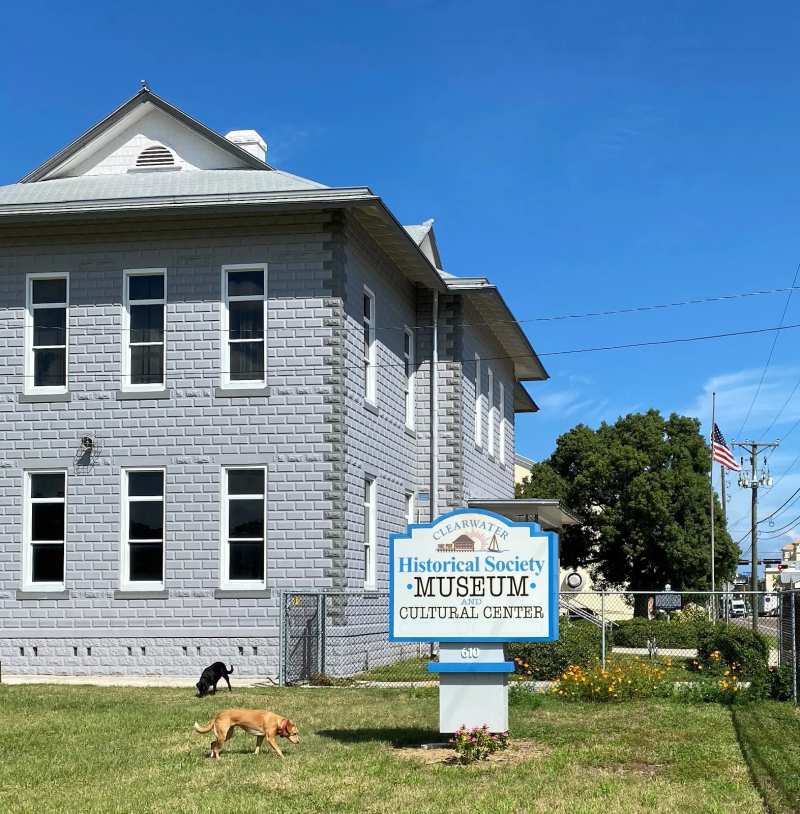
Across the harbor, the Clearwater Historical Society Museum and Cultural Center at 610 S Fort Harrison Ave, about 2.1 miles southeast of Pier 60, opens 10 am to 2 pm Wednesday through Saturday. It covers early settlers and old local businesses, down to items from the Kapok Tree Inn and Dairy Kurl, and a recent reviewer notes admission is free with donations encouraged.
For a wet evening, the Nancy and David Bilheimer Capitol Theatre on Cleveland Street, an Art Deco hall about 1.9 miles east of the pier, books comedy, musicals, concerts and film screenings. One regular warns the mezzanine seats are a tight fit, so tall people should sit downstairs.
Game Over Escape Rooms on Gulf to Bay Blvd, about 6.6 miles east of Pier 60, runs hand-built rooms such as Murder on the Orient Express and Temple of the Skull. It opens at 1:30 pm on weekdays and 12:15 pm on weekends, which lines up neatly with a storm.
Up US-19, Escape Thrill sits about 7 miles northeast of the pier and has a Wild West room and a diamond heist with a laser maze, opening at 3 pm on weekdays and 11 am on weekends.
For a whole day under a roof, Countryside Mall at 27001 US-19, about 6.4 miles northeast of Pier 60, has more than 100 stores, a movie theater and an ice-skating rink. One reviewer calls it a good escape from the Florida heat or rain, and it opens at 10 am Monday through Saturday and 11 am on Sunday.
A full washout is the day to work through a rainy-day list of things to do in Clearwater, with plenty of it on the mainland side of the causeway.
Then check the radar before six. If the storm has rolled out over the Gulf, go back to the beach: the sand is cooler, the lots have space, and the light after rain is why people put up with the rest.
Frequently asked questions
Published June 8, 2026