Sponsored
Gilman sits far enough north that winter is the long season and summer is the short, good one. Gilman weather swings from January nights that average about 3°F to July afternoons near 80°F, with roughly 54 inches of snow in a typical year and about 33 inches of rain and melted snow altogether.
This covers what each season is actually like, a month-by-month table of averages, and what the weather means for the things people come here to do: camping on the Yellow River, fishing Miller Dam, the June festival and the winter one.
What Gilman weather is like
Gilman has a humid continental climate: long, cold, snowy winters, short warm summers, and quick shoulder seasons in between.
The warm stretch is short. Average highs only climb above 66°F from May through September, and the first frost usually arrives in the last ten days of September, with the last frost of spring in mid-May. Snow is possible for about half the year, and December is the cloudiest month, with the sky overcast about half the time.
Rain falls in every month, but most of it comes in the warm half of the year. June is the wettest month, at close to five inches.
Month by month
These are long-run averages for Gilman, rounded to the nearest degree. Any given week can run well above or below them, so use the table for planning and the forecast for packing.
| Month | Avg high (°F) | Avg low (°F) | Avg precipitation (in) |
|---|---|---|---|
| January | 22 | 3 | 1.1 |
| February | 27 | 5 | 1.0 |
| March | 39 | 18 | 1.6 |
| April | 54 | 31 | 2.9 |
| May | 67 | 43 | 3.8 |
| June | 76 | 53 | 4.7 |
| July | 80 | 57 | 3.8 |
| August | 78 | 55 | 4.1 |
| September | 70 | 47 | 3.6 |
| October | 56 | 35 | 3.0 |
| November | 40 | 24 | 1.8 |
| December | 27 | 11 | 1.3 |
Two numbers stand out. January and February average highs in the low to high 20s, so an average winter day here stays below freezing. And the gap between July and January highs is close to 60 degrees, which is why the village plans its whole calendar around those few warm months.
Summer: June to August
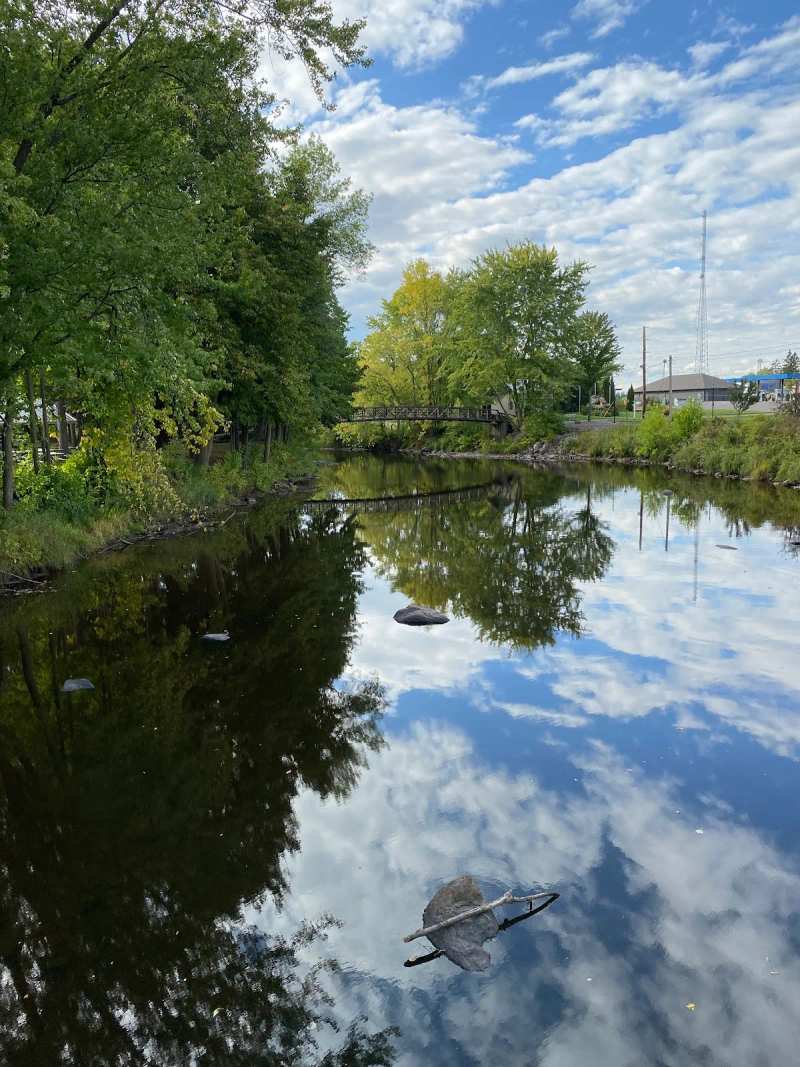
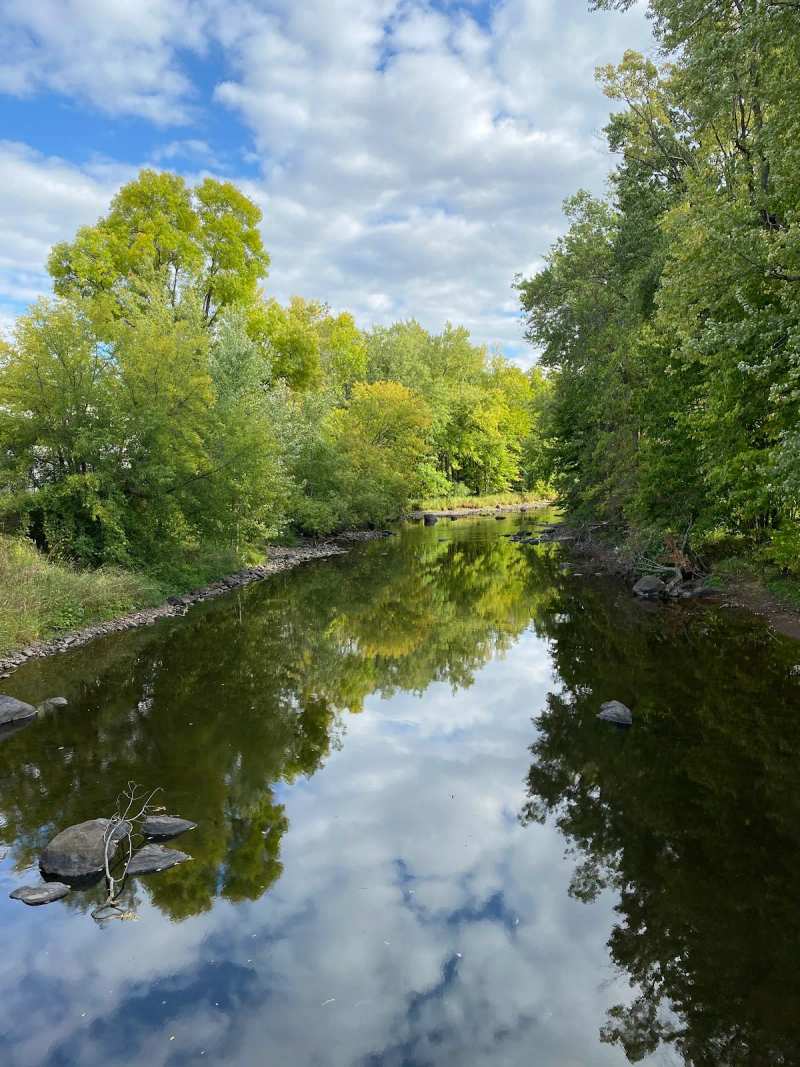
Summer is the easy season in Gilman, with warm days in the mid to high 70s, cool nights in the 50s, and June as the wettest month of the year.
This is when the village fills its calendar. June Dairy Days on Father's Day weekend brings a softball tournament, music, a chicken dinner and a parade, Jump River's Fourth of July follows a couple of weeks later, and the Wednesday farmers market runs on Main Street from mid-June.
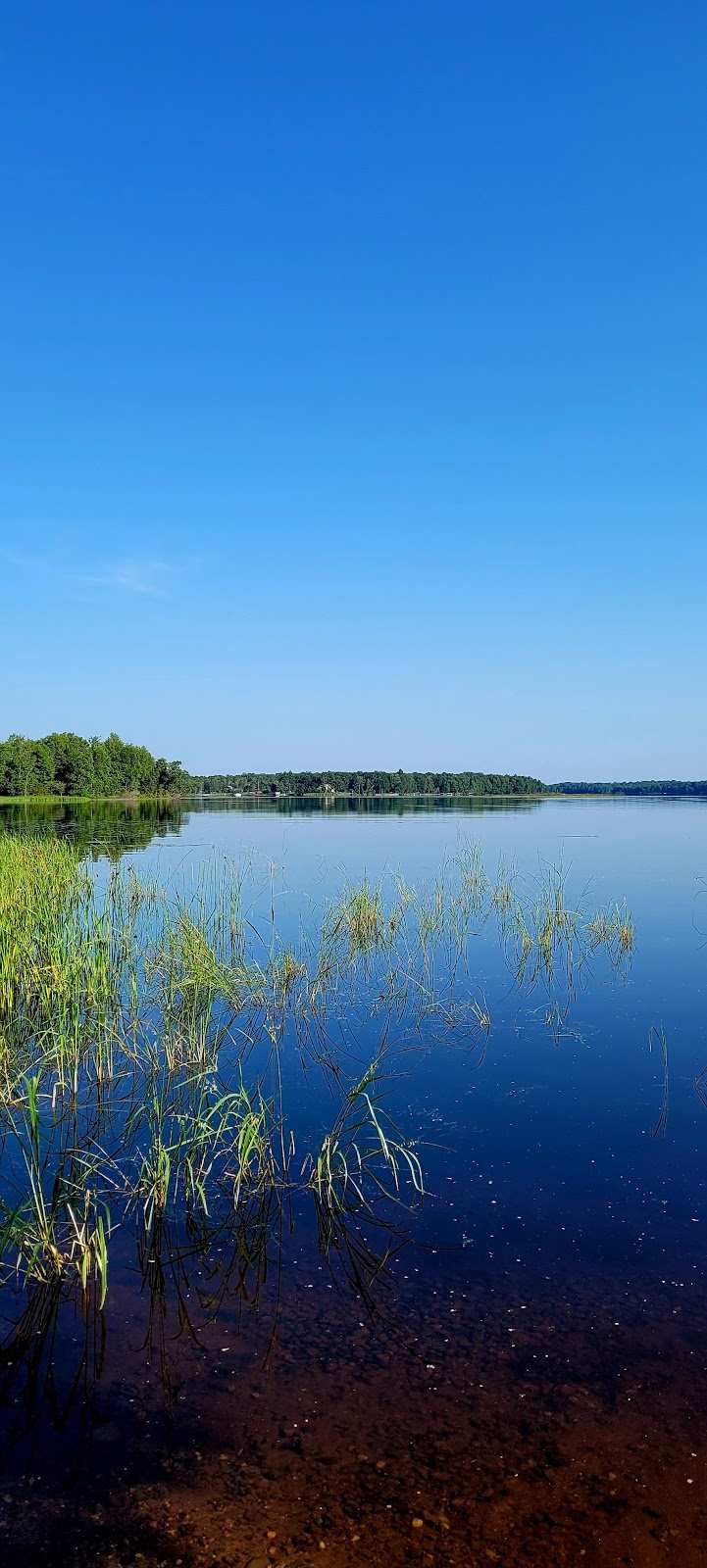
For a site on the water, the Forest Service campground at Chippewa, on the east shore of Miller Dam Flowage about six miles northeast of Gilman, opens on May 20 and closes on September 30. Its two sand beaches see the most use in July and August. The flowage is shallow and the water can be murky, so think wading and cooling off rather than clear-water swimming.
Fall: September to November
September is the pick for many visitors: highs near 70°F, cooler nights, fewer insects, and the first frost usually landing in the last ten days of the month.
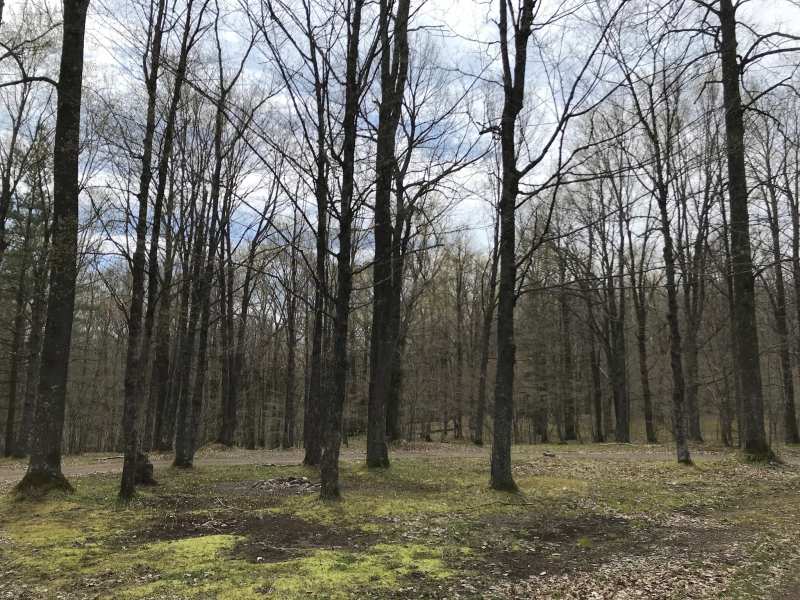
The hardwoods in the Chequamegon-Nicolet National Forest east of the village turn in early fall, and the woods start to fill with hunters as the seasons open, so wear something bright if you are walking forest roads in autumn.
Several things close with the season. Chippewa Campground shuts on September 30, and the farmers market wraps up in early October. By November, highs are back near 40°F and the first snow is on its way.
Winter: December to March
Winter is the long season, with January nights near 3°F, about 54 inches of snow over a typical year, and Miller Dam Flowage covered in ice-fishing shanties.
For most locals winter means ice fishing on the flowage. The lake association's ice-fishing contest falls on a Saturday in late January. Ice forms differently every year, and a shallow flowage full of timber can have weak spots, so ask locally before you walk out.
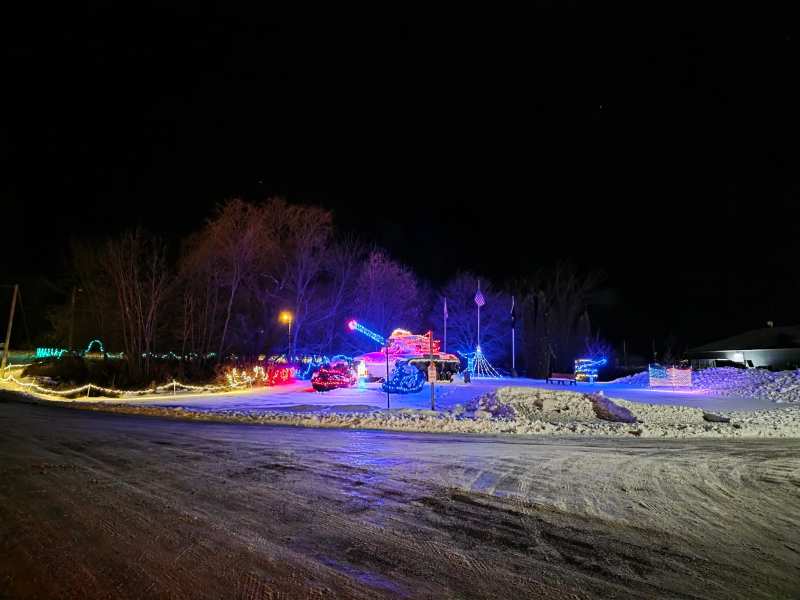
February brings Snieg Fest, the village's winter festival. Snieg is Polish for snow, and the events include snow sculpting and a frying pan toss. About eight miles east, Taylor County's Perkinstown Winter Sports Area runs a tubing hill and groomed cross-country ski loops on Saturdays and Sundays when there is snow. Its snow is natural, so call ahead before you drive out.
The Perkinstown Motorized Trail carries snowmobiles in winter, and the bars around Gilman see plenty of riders. Plan for short days and real cold: a January afternoon averages about 22°F, and wind on open ice makes it feel colder. The access road into Chippewa Campground is not plowed in winter.
Spring: April and May
Spring is short and wet underfoot. April averages about 54°F by day, the snow melts, and the last frost usually comes in mid-May.
Expect soft gravel roads and muddy trails through April. Ice goes out on the flowage in spring, and once it does, open-water fishing begins and the boat landings come back into use. By late May the woods have leafed out, the campgrounds are opening and the summer calendar is about to start.
What to pack for Gilman weather
Pack for the season you are coming in, and for the evenings, which run cooler than the daytime highs suggest in every month.
In summer, bring layers rather than just shorts. July nights average 57°F, and a damp evening by the river or out on the flowage feels cooler than that. Rain gear is worth its space in June, the wettest month, and insect repellent is worth it all summer.
In spring and fall, plan for a 20 to 25 degree swing between afternoon and night. A warm jacket, a hat and waterproof boots cover most of April, May, October and November. Gravel roads and trails can be soft in April, so leave the good shoes at home.
In winter, dress for the wind as much as the cold. Insulated boots, a windproof outer layer, a face covering and spare gloves are the minimum for a day on the ice, where there is nothing to block the wind. Keep a winter kit in the car too: blankets, a shovel and a charged phone, because county roads out to the flowage and the forest see less traffic than the highways.
Gardeners and anyone bringing plants should know Gilman is in USDA hardiness zone 4a, with a growing season that runs from mid-May to late September, roughly 125 to 135 frost-free days.
The best time to visit Gilman
For comfortable weather, come between mid-May and mid-September. For snow and ice, come in January or February.
Campers and boaters do best from June to early September, when every campground and landing is open. Anyone who wants mild days without the insects should aim for September. Ice anglers want January and February, ideally the weekend of the late-January contest. Festival-goers have two dates to plan around: Father's Day weekend for June Dairy Days, and February for Snieg Fest.
Gilman does not have an off-season so much as two different seasons. Summer is about the river and the flowage. Winter is about the ice.
Checking the forecast
For the live forecast, use the National Weather Service point forecast for ZIP code 54433, which covers Gilman and the flowage.
The averages above tell you what to expect, but northern Wisconsin weather can change quickly, especially in spring and fall. Check the forecast the day before you drive up, and again before you go out on the ice. The National Weather Service forecast for 54433 is the most local forecast you will find.
Frequently asked questions
Published September 14, 2026