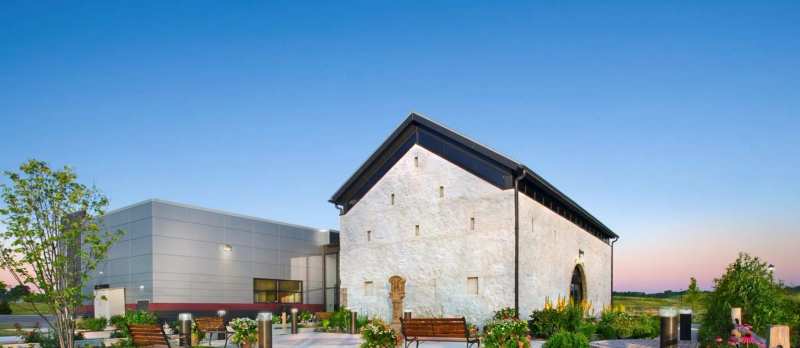
An 1872 stone barn stands on Peter Thein Avenue holding the only museum in the world devoted to Luxembourgish heritage. The Luxembourg American Cultural Center is a strange thing to find off a Wisconsin interstate, and stranger still when you learn the village it sits in was never Belgian at all.
The barn was built by Jacob Mamer, an immigrant from Septfontaines, and rebuilt on this site to house the Roots and Leaves Museum. The exhibit panels, the display cases, the furnishings and the artwork inside were all gifts from the people of Luxembourg, through its Ministry of Culture. That is not a detail a small American museum usually gets to put on the wall.
Why Belgium is not Belgian
Farmers from the Grand Duchy of Luxembourg began settling northern Ozaukee County in the 1840s. They built the hamlets of Dacada, Holy Cross and Lake Church, and the settlement that became this village.
In 1857 they applied to the Postal Service for the name Luxembourg. It was already taken by a Wisconsin town further north. At the same moment a group of Belgian-American settlers up in Kewaunee County had applied for the name Belgium, and the two names ended up on the wrong towns. The village has carried somebody else's country on its sign for nearly 170 years.
Say that out loud in the village and you will get a shrug. Say it to a visitor and it is the thing they repeat on the drive home.
The Roots and Leaves Museum
The museum covers two things at once: the Grand Duchy itself, a country roughly the size of Rhode Island that has spent most of its history being ruled by whoever was strongest that century, and the emigration that brought its people to the American Midwest.
It is not large. It is well made, which is a different thing. The panels are dense, the objects are real, and there is a self-guided audio tour on a handset. One long-standing visitor complaint is worth passing on: the audio does not track the room layout closely, so if you want the detail, read the panels and skip the handset.
Budget 45 minutes to an hour if you are looking. Budget two if you read everything, which plenty of people do, because the immigration material is the sort that catches people who did not expect to care.
Alongside the museum is the Wëllkomm Centre, and the society has been building a small group of contemporary Luxembourg-style houses on the grounds. The point of those is not decoration. Luxembourg is a living country with a modern architecture of its own, and the society is careful to present it as somewhere that still exists rather than somewhere people left.
The settlement around it
The museum makes more sense if you know the shape of what is outside it. The Luxembourgish families who came here in the 1840s did not settle one village, they settled a scatter of them across the north of the county: Dacada, Holy Cross, Lake Church, and the crossroads that grew into Belgium when the railroad came through.
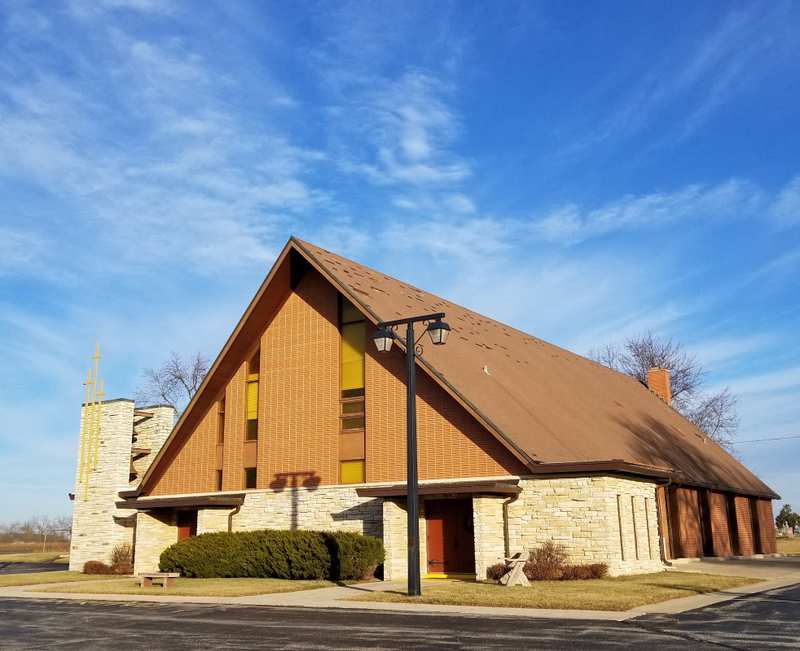
Holy Cross still has its Catholic chapel, standing since 1849. Lake Church still has its name and very little else. The Town of Belgium around the village runs to more than 18,000 acres of farmland, the most of any community in Ozaukee County, which is the plainest statement of what these people came here to do.
The village itself did not incorporate until 1922, and stayed primarily agricultural through the whole of the twentieth century.
The research archive
People arrive expecting a family tree and leave with a sense of a country. That is the trade this place makes, and it is a fair one.
Behind the exhibits sits the Dooley-Wagner Research Center, which holds the most extensive Luxembourger genealogical archive in the United States. Newspapers, obituaries, photographs, family records.
Staff also help families through Luxembourg dual citizenship applications, working under Articles 7, 23 and 89. For anyone with Luxembourgish ancestry that is the real reason to drive here, and people come from other states to use it.
Two honest warnings. Someone is not always free to sit with you, so call ahead if you are coming to research rather than browse. And not every family turns up in the records. Visitors have driven a long way and found nothing.
When to go, and what it costs
The opening hours are the thing that catches people out. Monday, Thursday and Friday, 10am to 4pm, plus the first Saturday of the month. Closed Tuesday, Wednesday and Sunday, which rules out a good half of the weekends people would otherwise use.
Admission is free for several days in late January, during what the society calls Frosty Free Days, and the same weekend usually carries a guided hike out at the state park. It is cold and it is the cheapest the museum ever is.
The village has also run a Luxembourgish food and culture festival every year since 1987. That is the one day the place stops being a quiet museum and becomes the reason the whole county turns up.
Luxembourg Fest
Since 1987 the village has held an annual festival of Luxembourgish food and culture, and it is the one weekend a year this is not a quiet museum. Music, food, and a lot of people with the same six surnames.
It is also the best possible introduction to why the place exists. A museum can tell you a community held onto something for 180 years. A festival shows you.
Practicalities
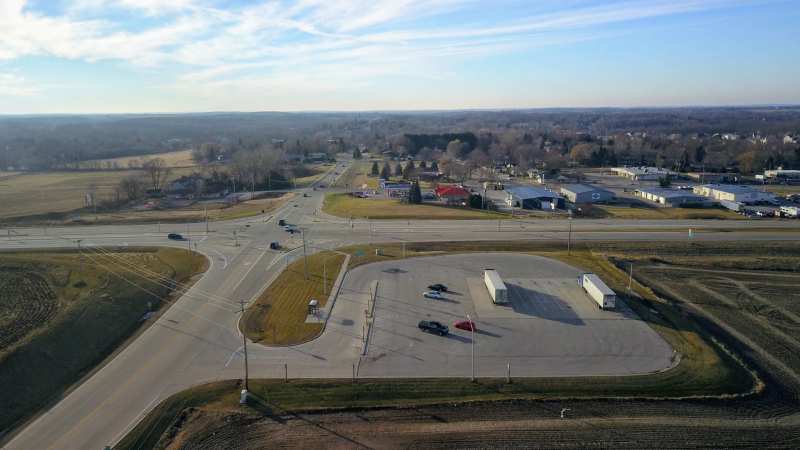
Parking is on site and free, and the building is a short walk from the I-43 exit, which is how most first-time visitors end up here at all: they have driven past the brown sign for years and finally stopped.
Allow for the short hours, take the earlier slot if you can, and understand that this is a volunteer-supported organisation, so the experience on a quiet Monday and on a first Saturday are not the same thing.
What else is on the block
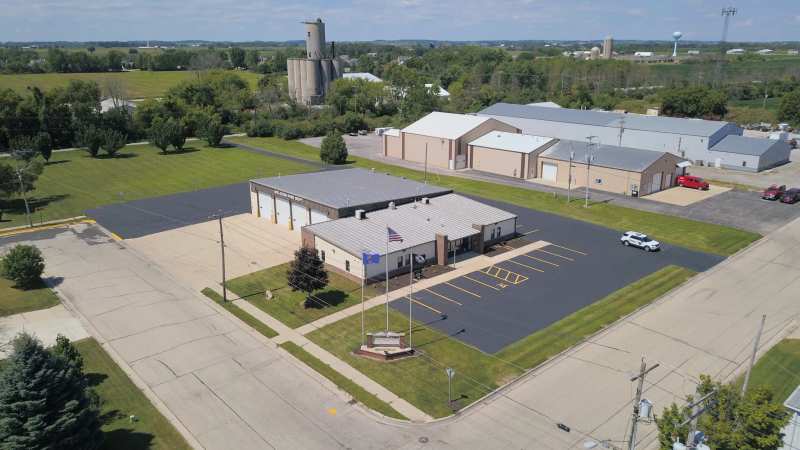
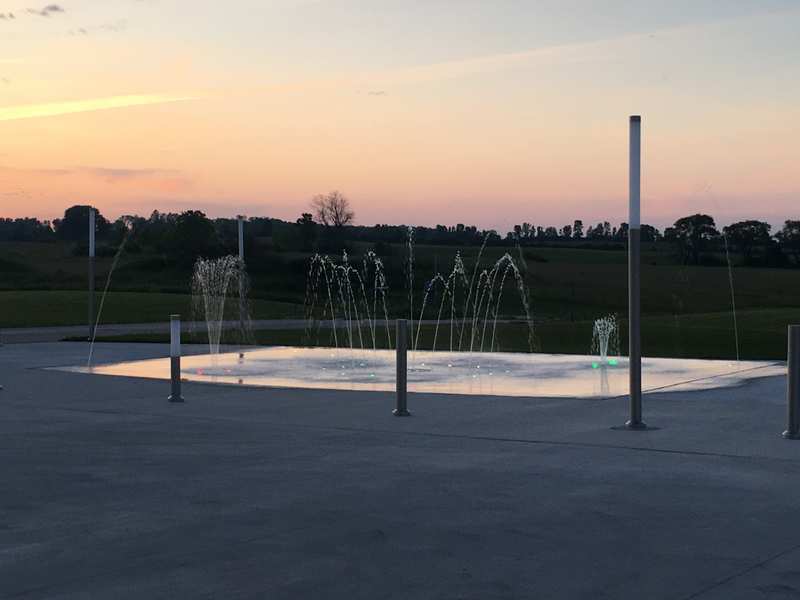
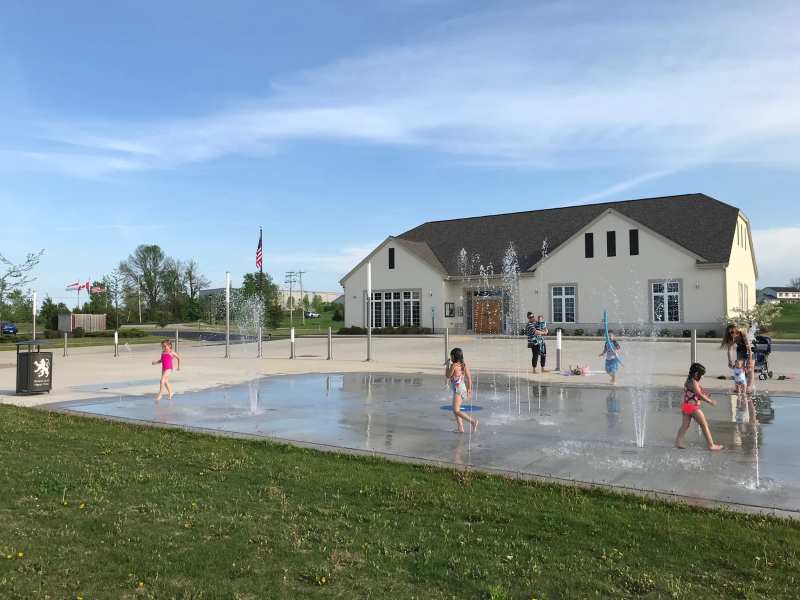
The cultural center, the village hall and the plaza share one corner, which means the whole civic and cultural weight of Belgium sits on about two hundred yards of Peter Thein Avenue. The chamber of commerce works out of the same address.
Two blocks west on Main Street there is a gallery in the old village hall showing work by people who live around here, with an open studio on Thursday evenings. Out on County Highway B, the same settlement this museum exists to explain put up the Catholic chapel at Holy Cross in 1849, and it is standing yet.
Lunch is a two-minute walk. The cafe named for the same heritage opens at six in the morning and stops serving at three, so plan the museum around it rather than the other way round.
Everything else in walking distance is in a full day in this village.
Frequently asked questions
Published June 8, 2026