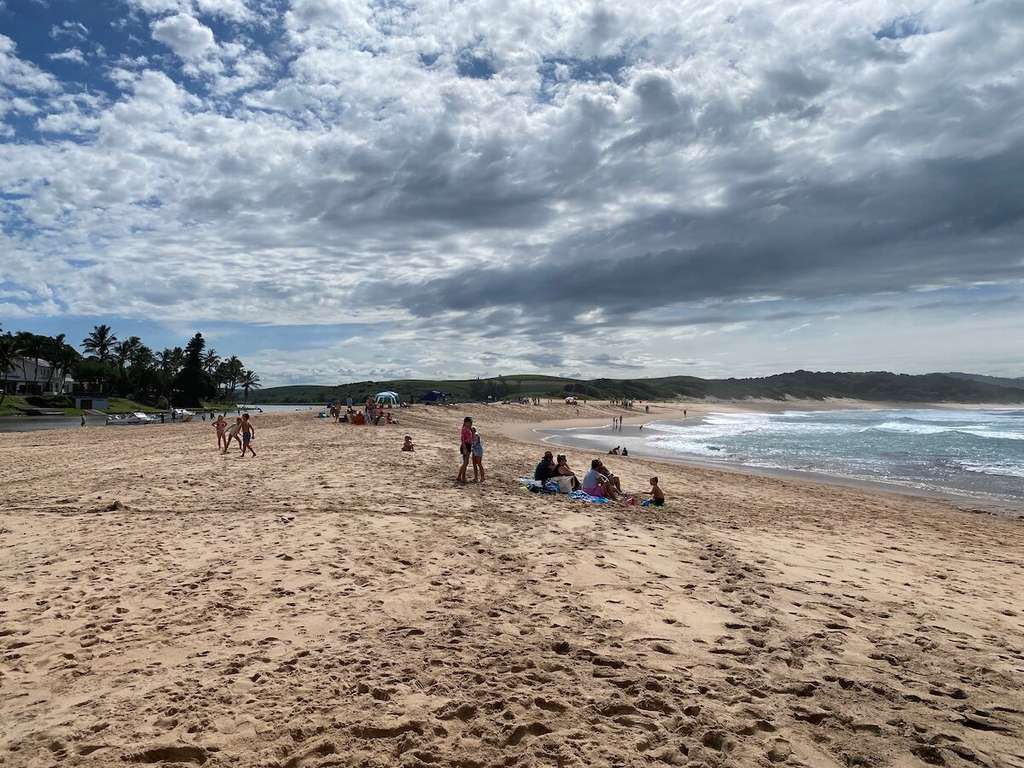
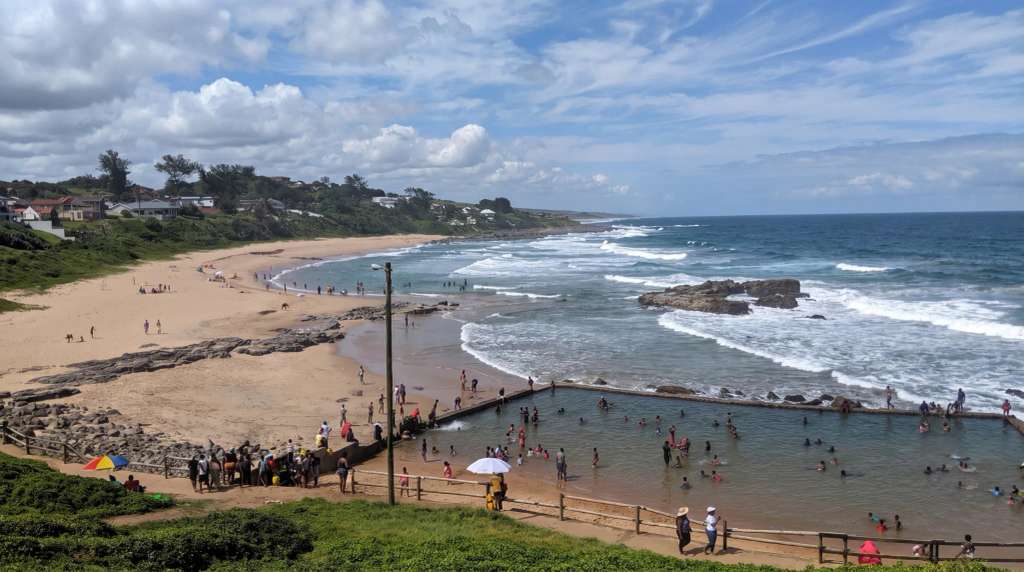
There is a stretch of relatively untouched coastline where the Indian Ocean is warm enough to swim in most months of the year, where a lagoon runs eight kilometres back through milkwood forest, and where the call of fish eagles can still be heard across the water at dawn.
Zinkwazi Beach, KwaZulu-Natal is that place, and most people who discover it find the tranquility of its shores an inviting atmosphere that keeps them coming back every single year.
Explore everything you need to know about the village, the lagoon, wildlife, accommodation, restaurants and how to get here.
Where is Zinkwazi Beach, KwaZulu-Natal?
Zinkwazi Beach sits on the North Coast, otherwise known as the Dolphin Coast, between the hub of Ballito to the south and just past the Nonoti River mouth to the north. The nearest inland town, KwaDukuza (formerly known as Stanger), is approximately 15 to 20 minutes away by car on the N2, with Salt Rock and Ballito a 30 to 35 minute drive south. If you are weighing up Zinkwazi versus Ballito as a destination, the differences are real and worth understanding before you book.
The drive from King Shaka International Airport takes around 45 minutes depending on traffic and driving speed (~60km), and about an hour or so from Durban. If you are landing at the airport, renting a car is a necessity if you do not have someone picking you up. Take the N2 North and pass through two toll gates, driving all the way until you cross the Nonoti Bridge and see the R245 Zinkwazi exit to the left. The exit tends to sneak up on you and with many heavy trucks using the left lane, it is best to keep an eye out for the turn-off well in advance, just after the flyover bridge. This brings you off the N2, and a right turn at the stop street takes you onto the road leading into the village. There is a brief moment, just as you are coming to the entrance of Zinkwazi, where the Indian Ocean, sugarcane fields, and lush green canopies appear to your left. It is a fitting introduction to what Zinkwazi is: unhurried, subtropical, and a little bit of magic that welcomes you in.
For the full route from Johannesburg, GPS notes, and options for those being collected from King Shaka, the drive from Johannesburg to Zinkwazi has everything you need.
Zinkwazi moves slowly on purpose. The residents like it that way, and after a day or two, so will you.
What makes Zinkwazi different
Most of the KwaZulu-Natal North Coast has been developed. Shopping centres, resort hotels, gated estates behind security booms. That is not wrong. It is just not what Zinkwazi is, and understanding the difference matters before you arrive.
There are no high-rise buildings here. The beachfront is privately owned beach houses, not hotel towers. The accommodation is almost entirely self-catering: your own kitchen, your own braai, your own pace. You wake up when you want, you eat when you feel like it, and the only schedule that matters is the tidal one. The village has one hotel, a handful of restaurants, and no traffic lights. The roads meander up and down the hills past houses half-hidden in indigenous vegetation, and if you drive them slowly in the early morning you will hear why people who live here say it feels like somewhere that has been truly left alone.
The milkwood forest that backs the lagoon is not a park or a landscaping feature. It is one of the last intact stretches of coastal dune forest on the North Coast, and it supports wildlife that has long since disappeared from more developed coastline further south. A breeding pair of Crowned Eagles lives in the iLala forest area to the south of the village. The fact that a breeding pair is holding territory here tells you about the quality of this habitat that makes it special to experience for yourself.
Over 250 bird species have been recorded in the Zinkwazi conservancy by the South African Bird Atlas Project. The village sits on the Zululand Birding Route. For serious birders who have never visited, it belongs on the list.
The Zinkwazi Lagoon
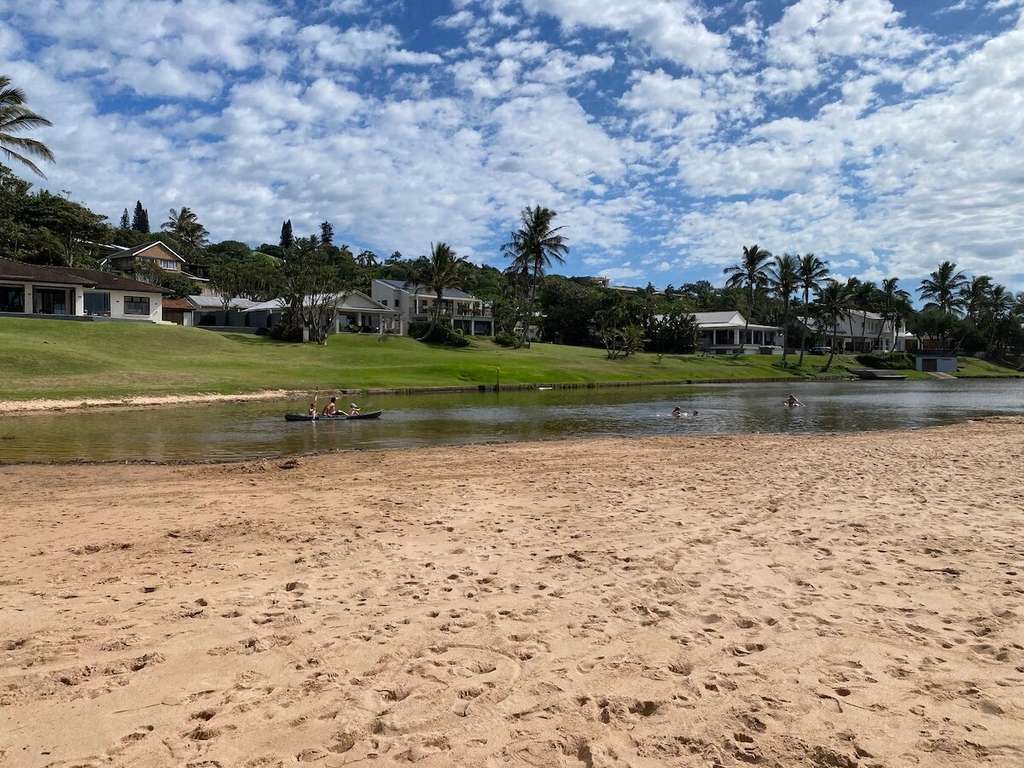
The lagoon is the heart of everything at Zinkwazi. It runs approximately eight kilometres inland from the beach mouth, warm and shallow year-round, with indigenous milkwood and iLala palm forest rising from its western bank. The water sits a few degrees warmer than the open ocean, the surface is almost always still, and the light on it in the early morning as the boats are being launched from the main beach is something to behold.
Many families with young kids end up spending a lot more time at the lagoon than on the open main beach. Young children wade for hours in the shallows, catching little fish in their nets and kicking balls around in water that barely reaches their waists. When the lagoon mouth overflows into the ocean, children can be seen riding the current with boogie boards or skimming along the outgoing tide by the main beach. It really reminds those of us who live here of our own carefree childhoods, and it becomes one of those memories children carry for years. The lagoon is generally very calm, but young children should always be under the watchful eyes of an adult nearby. Lifeguards are on duty at the main beach, but not at the lagoon itself. Family holidays at Zinkwazi covers the broader logic for groups travelling with young children.
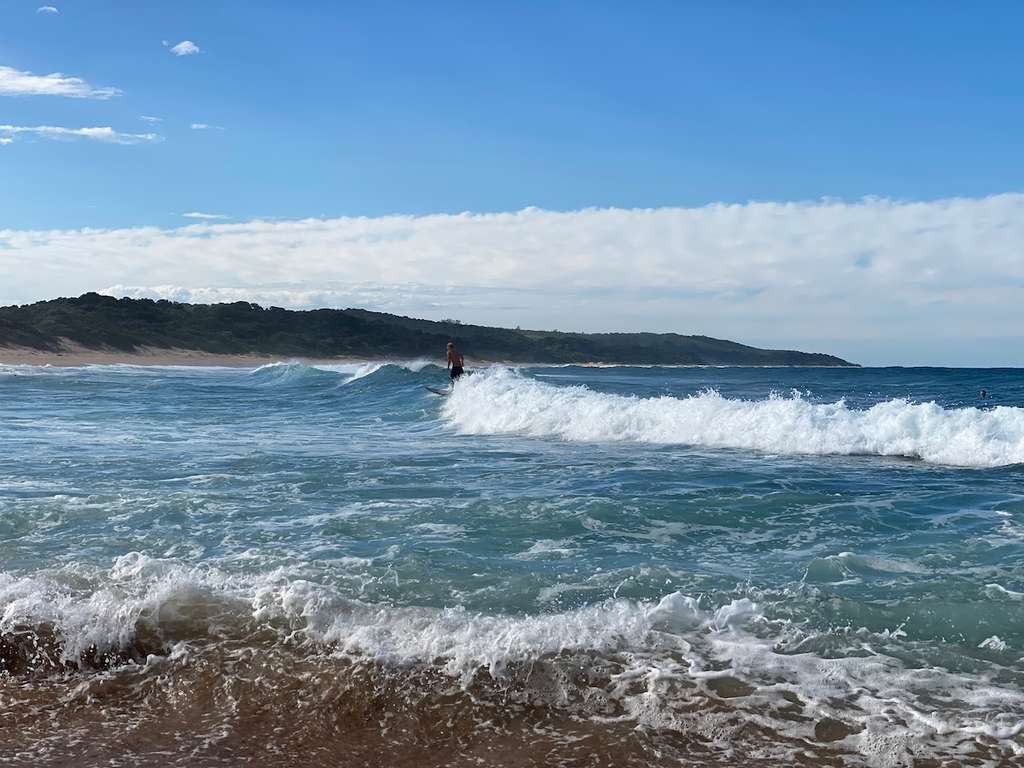
During low tide, rocky outcrops emerge along the beach edge and the exploring begins. These are not massive tide pools like you can find in Ballito. They are natural rock formations that trap shallow water and small marine creatures when the tide pulls back: crabs, sea anemones, tiny fish caught in the receding water. The rocks are best at low tide with shoes on and an adult alongside. When the tide is in and the conditions are right, the main beach provides a lot of fun waves that can be body surfed and enjoyed by confident swimmers.
Early mornings on the lagoon are worth the effort of getting up for. Kayaking or paddleboarding the full eight kilometres to the upper reaches and back takes about two hours at an easy pace, and the birdlife along the lagoon bank before the day heats up is the kind of thing that makes you understand why people name places after the birds that live there.
Things to do at Zinkwazi Beach
Zinkwazi does not have an activities board or a front desk. What it has instead are things that reveal themselves the longer you stay, and that reward coming back with sharper eyes each time. Get started with these things to do in Zinkwazi Beach:
Fishing
There are plenty of options when it comes to fishing in Zinkwazi. The main beach at the Zinkwazi Ski Boat Club is the platform for deep-sea charter fishing and a productive shore fishing spot in its own right. Jamie's Beach is favoured by anglers who want to break away from the beach-going crowd, though there are no lifeguards on duty and it is not a spot for anyone to go swimming at. Black Rock Park, about 500 metres to the right of the main beach, is a public park with braai and picnic facilities and beach access. The beach here is often used by locals and visiting fishermen to launch canoes and fish the nearshore water. Shad, kob, and garrick are the main species from shore. The Ski Boat Club offers visitors the option of launching their own boats for deep-sea charters when the weather and sea conditions allow, and they know these specific waters better than anyone.
Birdwatching
Whale watching and dolphins
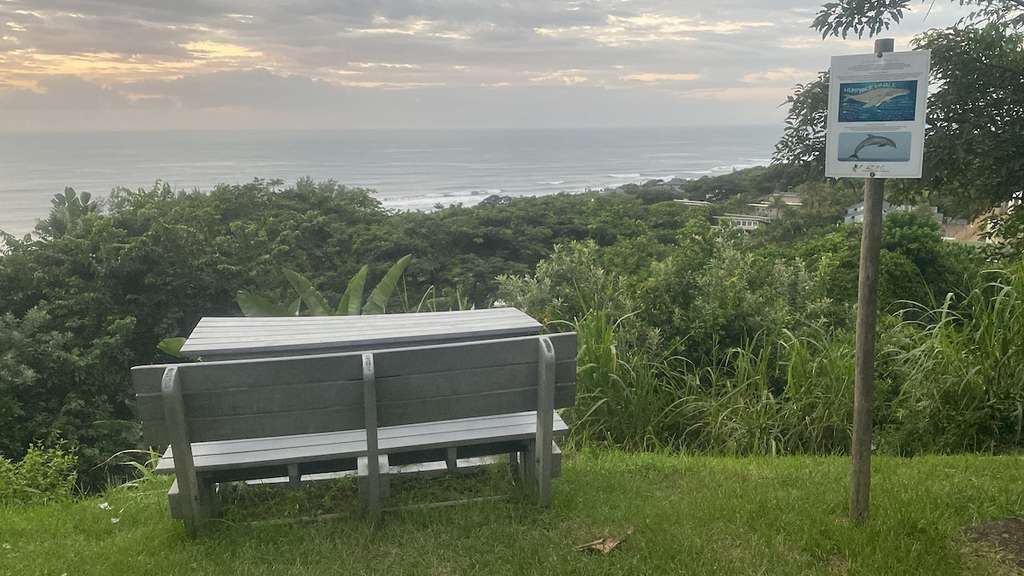
Between June and November, humpback whales migrate north past the Dolphin Coast. July is when the numbers peak, and in a good year they pass close enough to shore that you can watch from the headland with nothing but your eyes and the wind at your back. Dolphins are present year-round, which is where the name of this stretch of coast comes from. Everything you need to know about watching humpbacks and dolphins from the Dolphin Coast shore, including the sardine run overlap in June and July, is worth reading before you come in winter.
Surfing
The main Zinkwazi beach has lifeguards on duty and works for a range of experience levels. South or south-east swells produce the best conditions. More experienced surfers use Jamie's Beach for a more challenging wave, but there is no lifeguard coverage there. Know what you are paddling into before you go.
Beach walks
Walk north from the main beach to reach the Boiling Pots, a raw, rocky outcrop about 1.5km from the Ski Boat Club where the ocean surges through the rock formations, giving it its name and the illusion of boiling pots. Walk south instead and the beach stretches past Jamie's Beach toward the Nonoti River mouth. If you have two to three hours and working legs, keep going beyond Nonoti, past Prince's Grant and all the way to Grumpy's Bush and Beach Restaurant, which you can access from the beach for cold drinks and tasty seafood at the end of your journey. It is a 12 to 13km walk with a deserved reward at the end. Just make sure you have someone to pick you up on the other side.
Running, padel and golf
The roads meandering through the village make for good running, with decent elevation change to keep it challenging and coastal views that make it worth it. The Zinkwazi Forest Trails connect to various routes through the sugarcane fields for longer trail running efforts.
Where to stay in Zinkwazi Beach
Self-catering suits Zinkwazi. There is something about settling into a home away from home with no particular obligation to be anywhere that matches the pace of the village exactly. You stock the fridge on the drive in, you wake up when you wake up, and everything else happens when you feel like it.
The houses range from large beachfront properties sleeping ten or more, with private pools and direct beach and lagoon access, to townhouses and private residences scattered throughout the village offering coastal views with the ocean below within a short walk or drive. Most self-catering properties include proper braai and outdoor entertainment facilities as a matter of course.
Where to eat in Zinkwazi Beach
Raffia Restaurant
Zinkwazi Ski Boat Club
Proud's Pizzas
Tyan's Curries
For something different, Tyan's Curries is a local favourite. Tyan makes curries to order for collection, and the word of mouth around the village speaks for itself. Not a restaurant, not a takeaway counter. Just genuinely good curry made by someone who knows what they are doing.
When to visit Zinkwazi Beach
Zinkwazi Beach has a warm, subtropical climate year-round. Summers run hot and humid, with temperatures between 24°C and 36°C and frequent afternoon rain. Winters are mild and dry, with warm days averaging 18°C to 24°C and cooler evenings. There is no genuinely bad time to visit. What changes is the character of the trip.
December and January are peak season. Summer is in full swing: hot, humid, the occasional afternoon thunderstorm rolling in off the hills, and the village at its most alive. The beach houses book out months in advance, the Lagoon Lodge and its amenities are buzzing, the Ski Boat Club bar is three deep every other day of the week, and there is an energy that only comes from having everyone there at once.
April and May bring the first real relief from the summer heat. The rain eases, the humidity drops, and the days settle into something comfortable and sunny. The village quietens noticeably and the pace drops to something closer to what life here actually feels like for locals most of the year.
June and July are the driest months and among the most popular. July brings the school mid-year break and the humpback whale migration together. The evenings get genuinely cool by subtropical standards, which means fires, early nights, and a pace that is different from summer but equally good in its own way. A lot of people who have been coming to Zinkwazi for years quietly consider July their favourite month.
September and October see temperatures rising again as spring arrives, with warmer, more humid conditions returning gradually. The shoulder pricing and quieter beaches make them worth serious consideration before the summer crowds build again.
Sugar Bay Holiday Camp
Day trips from Zinkwazi Beach
Zinkwazi's position on the North Coast puts several significant destinations within a comfortable day out, none requiring more than two and a half hours of driving each way. Things to do near Zinkwazi covers the closer attractions worth pairing with a stay in the village.
KwaDukuza (Stanger), approximately 15 minutes
King Shaka established his kraal at KwaDukuza. The town holds the sites connected to his life and his death, and the heritage of the Zulu Kingdom feels immediate here in a way that takes on new meaning once you have spent time in this part of the country. Worth an hour or two for the context it adds to the broader region. KwaDukuza is easy to pair with a grocery shop on the same trip.
Hluhluwe-iMfolozi Park, approximately 2 hours
South Africa's oldest proclaimed game reserve and the place where white rhino conservation was pulled back from the edge of extinction. The Big Five, the battlefields of the Anglo-Zulu War, and one of the most significant conservation stories in southern African history are all within reach of the same day heading north. There is more worth knowing about Hluhluwe-iMfolozi and the Anglo-Zulu War battlefields than most visitors realise before they go.
iSimangaliso Wetland Park, approximately 2 hours
South Africa's first UNESCO World Heritage Site. 820,000 acres of wetland, coastal forest, and beach. St Lucia town is the access point and makes a good lunch stop before or after. iSimangaliso and St Lucia reward a little planning before you go.
Umhlanga, approximately 50 minutes south
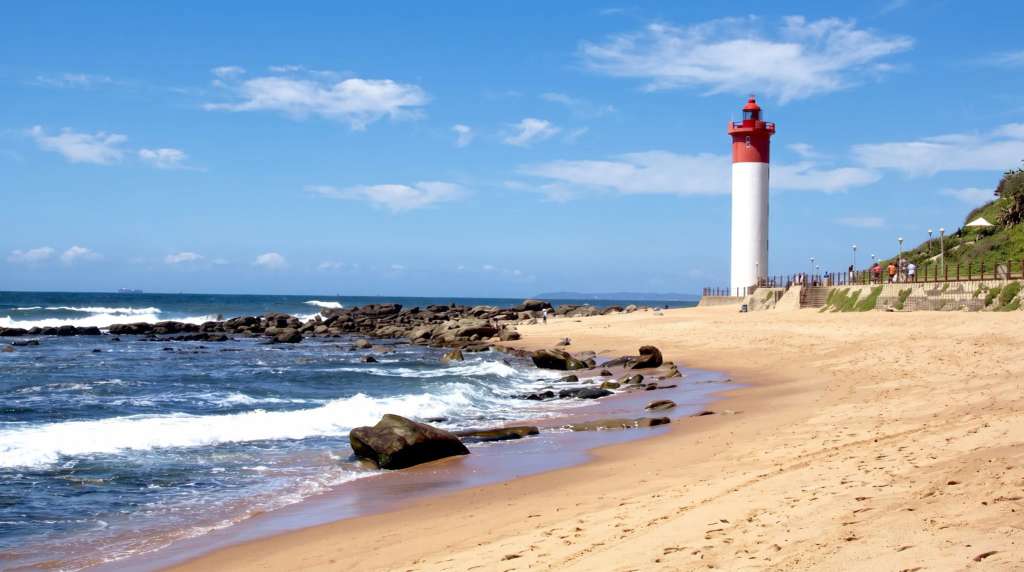
A day with a completely different character: restaurants, shopping, the lighthouse walk along the promenade, and the urban beach energy of the Umhlanga rocks. Umhlanga is the go-to when you want something different from village life.
If you are starting to plan, Zinkwazi has many self-catering options including lagoon-side cottages, beach houses, pet-friendly places, and the houses set back in the milkwood forest.
Frequently asked questions
Published January 13, 2026